

Fatal Hezbollah attack exposes gaps in IDF preparedness for first-person view drones
No proper defense exists yet for explosive drones guided by fiber optic cable, which can’t be jammed electronically; Israel only began looking into solutions during current war

 Add ToI as a Preferred Source on Google
Emanuel (Mannie) Fabian is The Times of Israel's military correspondent
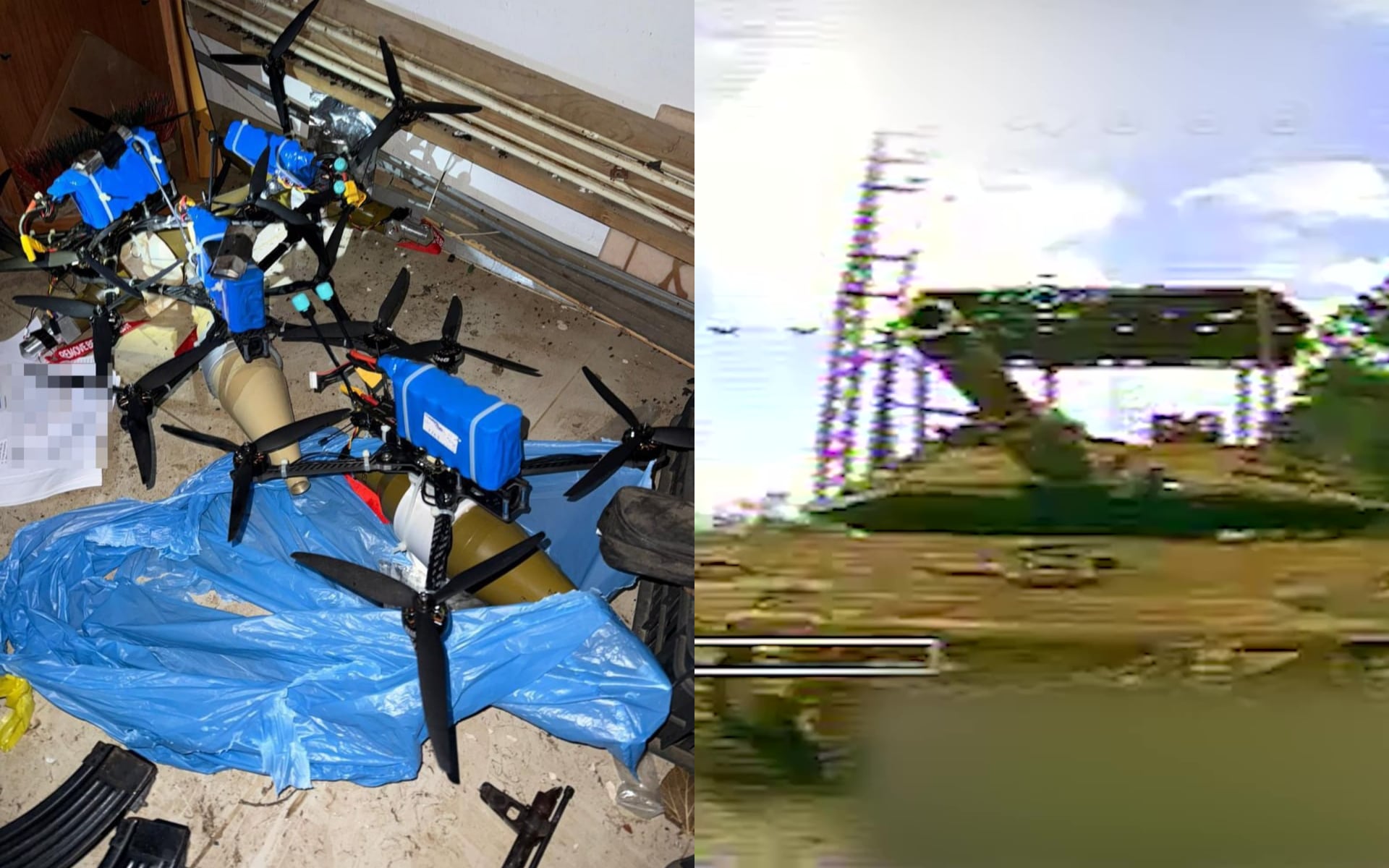
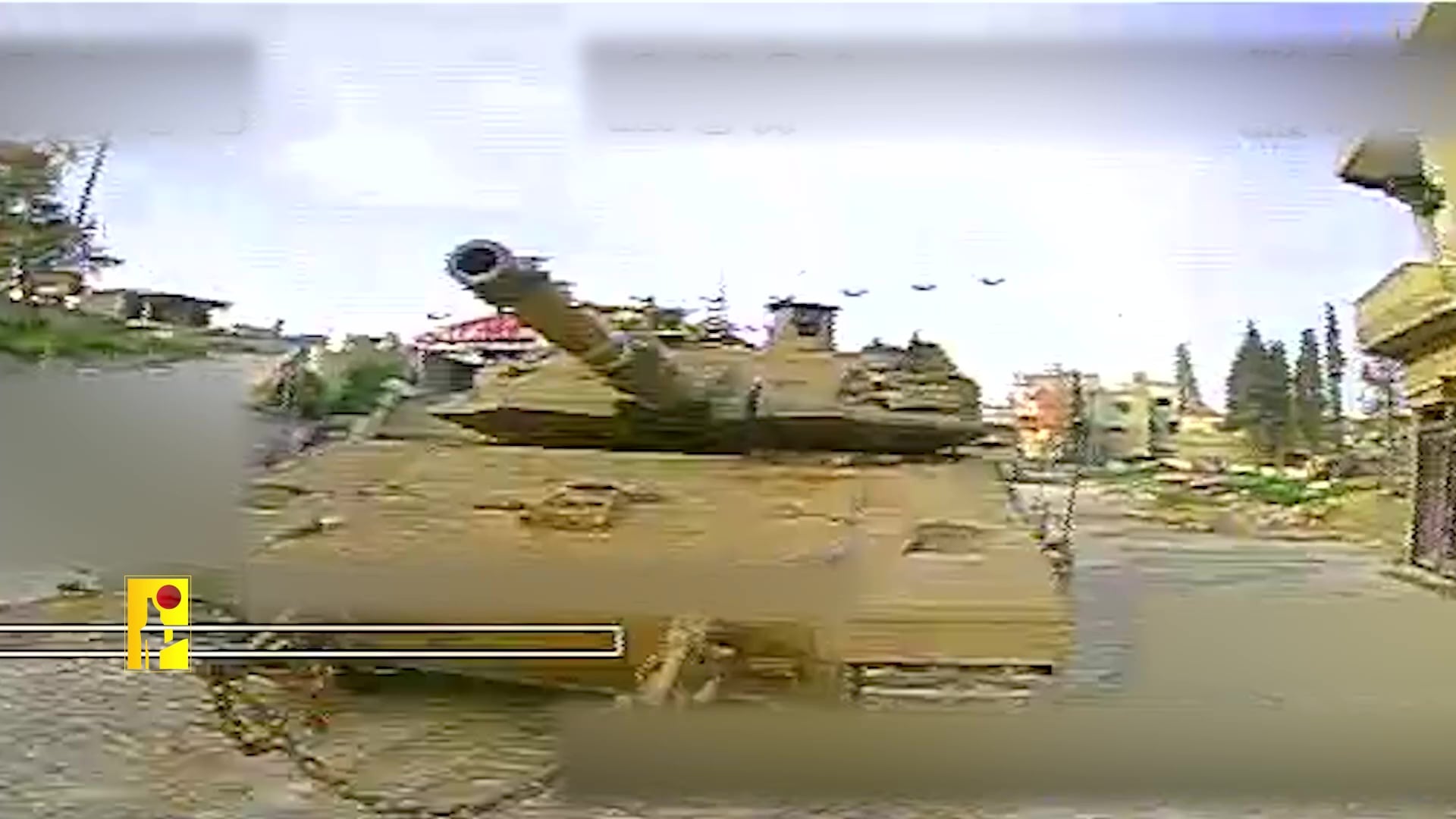
On Sunday morning, a small drone piloted by Hezbollah operatives slammed into Israeli soldiers repairing their tank in the southern Lebanese town of Taybeh, inside an Israeli-declared security zone, and in the midst of a ceasefire.
The drone, rigged with explosives, detonated on impact, killing Sgt. Idan Fooks and wounding six other soldiers, four of them seriously.
An Israeli Air Force helicopter was dispatched to evacuate the casualties. But as medics worked to load the wounded, Hezbollah struck again, launching two additional explosive-laden drones at the exposed troops.
One drone was successfully intercepted. The second tore in low, crashing just meters from the soldiers and the waiting helicopter before exploding. No further injuries were caused.
Footage from the scene showed troops firing at the incoming drone moments before it hit the ground.
The attack laid bare a growing vulnerability: the Israel Defense Forces’ lack of preparedness for first-person view (FPV) drones in Lebanon, which have been an increasingly prominent weapon in Hezbollah’s arsenal during the current fighting.

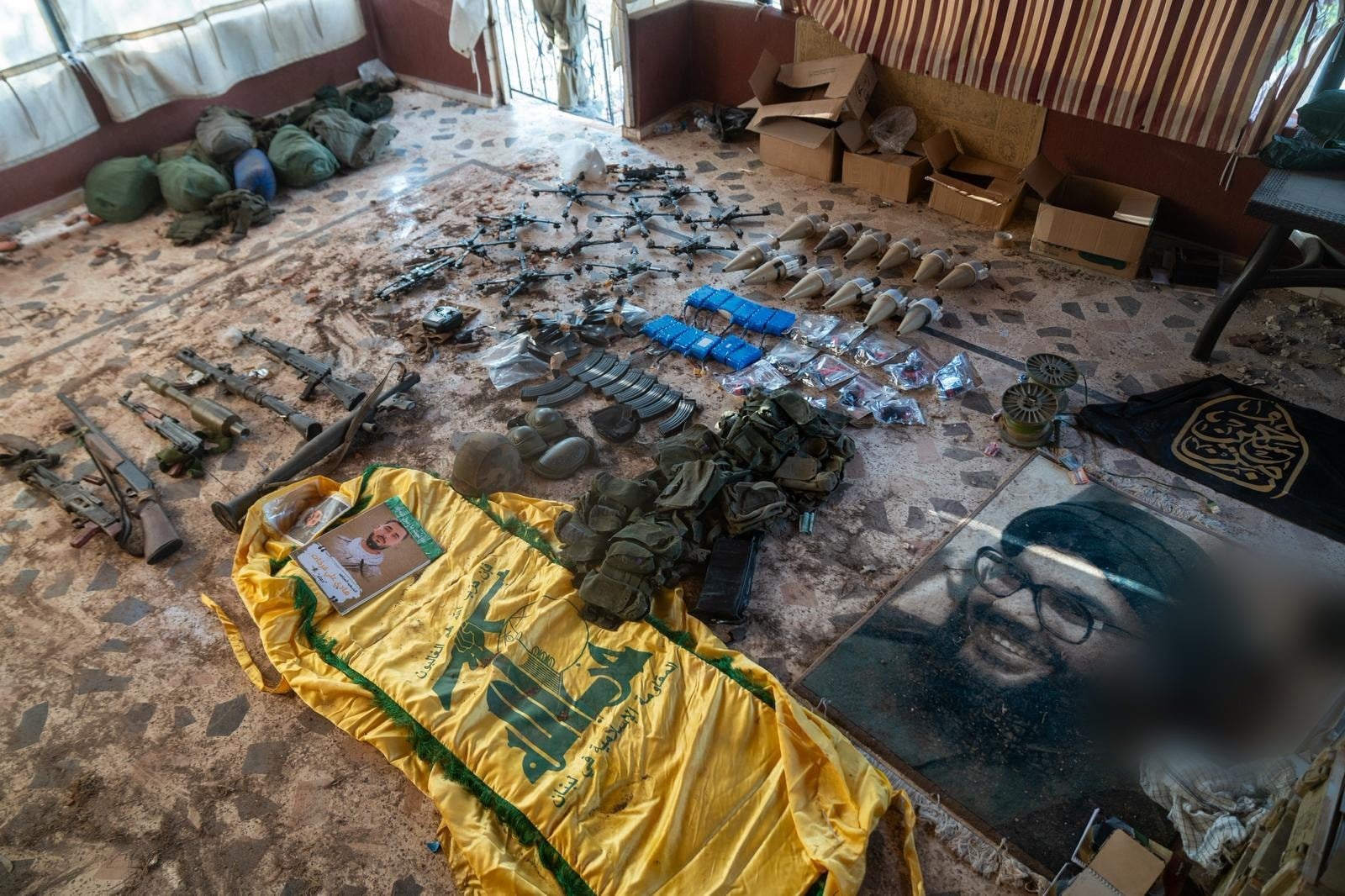
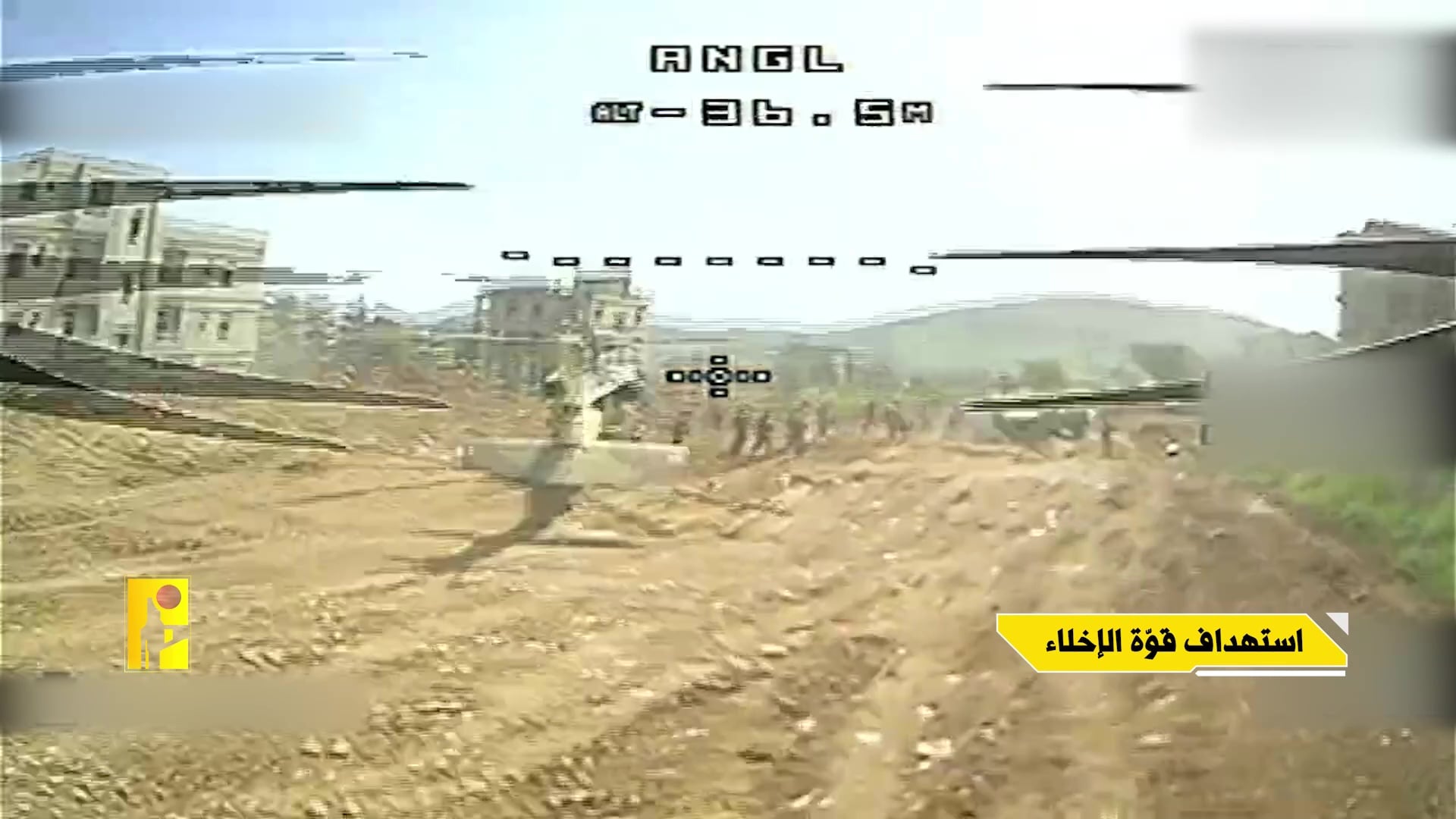
In recent weeks, Hezbollah has released multiple videos showing small FPV drones homing in on Israeli tanks and vehicles across southern Lebanon. Some of these drones are guided via fiber optic cables, making them effectively immune to electronic jamming.
The moment a Hezbollah explosive-laden drone struck near Israeli forces who were evacuating wounded troops in southern Lebanon, April 26, 2026. (Used in accordance with Clause 27a of the Copyright Law)
The Israel Defense Forces has reported dozens of drone-related injuries in recent weeks, though most were minor. Sunday’s attack marked the first fatal FPV drone strike on Israeli forces.
Yet the emergence of fiber optic-guided drones should not have come as a surprise.
Hezbollah had already deployed FPV drones against Israeli targets during fighting in 2024, albeit on a more limited scale. And such drones have become a defining feature of the war between Russia and Ukraine.
According to independent military analyst Jakub Janovsky, fiber optic FPV drones first appeared on the Ukrainian battlefield in spring 2024. “But it took more than six months to refine the early designs into something reliable and effective,” he told The Times of Israel.
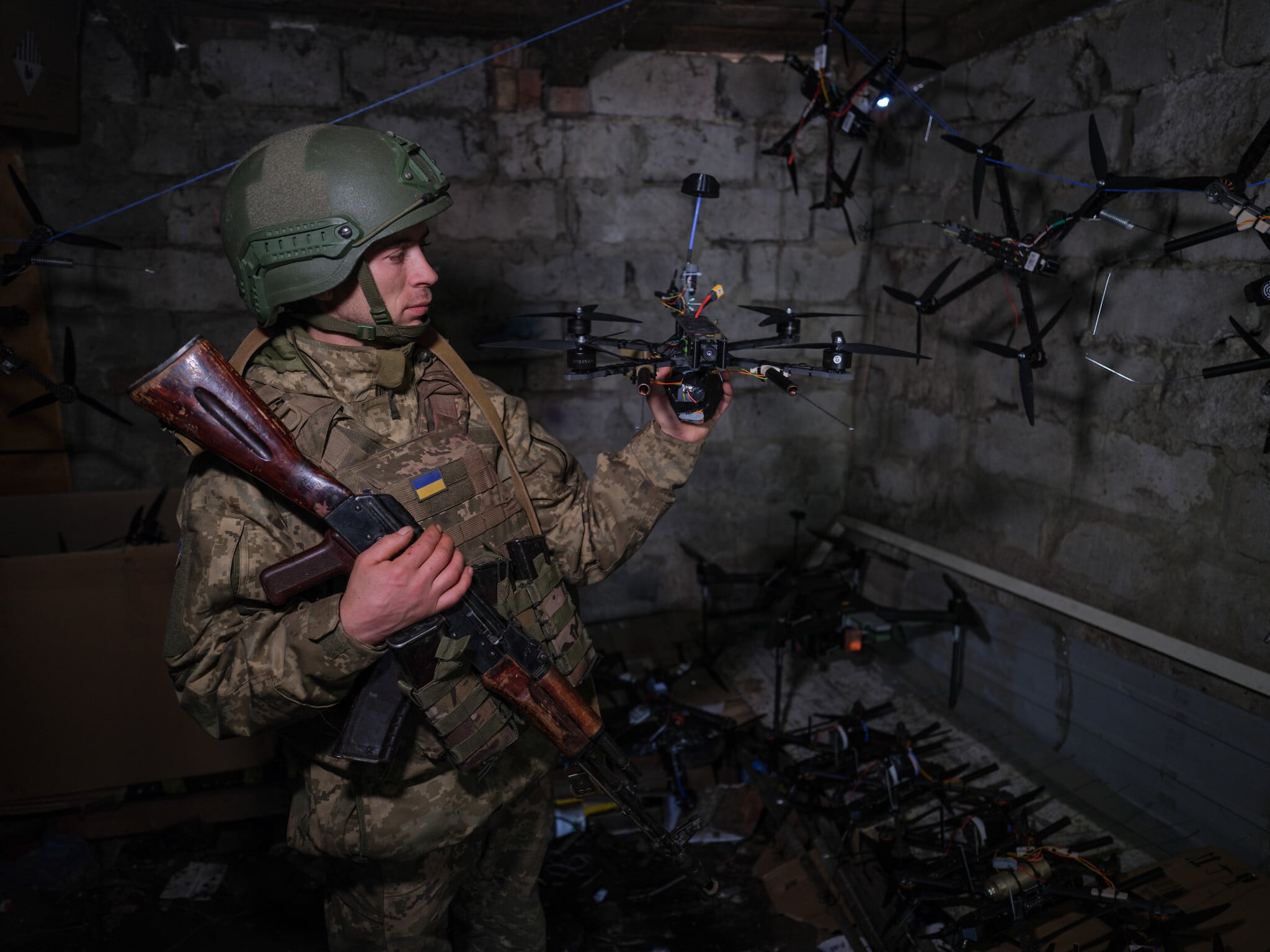
Israeli military officials acknowledge that the IDF still lacks an effective counter to fiber-optic-guided drones. By contrast, conventional drones can often be neutralized with electronic warfare means.
The gap was underscored on April 11, when the Defense Ministry’s Directorate of Defense Research and Development issued a public call for solutions to the threat — nearly two years after such systems first surfaced in Ukraine, and weeks into the current conflict with Hezbollah.
“The Defense Ministry is seeking additional capabilities to address this threat,” read the invitation to submit bids. “The purpose of this request is to identify innovative and mature technologies.”
For now, there is no easy fix. “Unless you’re lucky, or the operator makes a mistake, the only reliable counter is to shoot them down,” Janovsky explained. Experimental systems, such as automated turrets, are being tested in Ukraine, but none has been deployed at scale, he said.
Another challenge lies in the drones’ simplicity.
Hezbollah’s FPV drones are relatively cheap compared to other weapons in its arsenal, such as anti-tank guided missiles. Built largely from off-the-shelf components and 3D-printed parts, they typically carry RPGs as warheads — plentiful, but only marginally effective against Israeli armored vehicles.
Still, cost scales with ambition.
“Range is the key factor,” Janovsky noted. “A kilometer of fiber optic cable costs around $30 when bought in bulk. So extending range quickly drives up the price.”
The IDF initially assessed that Hezbollah’s fiber optic drones could only operate over a few kilometers. Later, the military discovered launches occurring from distances of up to 15 kilometers (nine miles).
Meanwhile, Israel is adopting the same technology. Last year, the Defense Ministry ordered some 5,000 FPV drones from Israeli firm XTEND for use by IDF Ground Forces. During the current fighting, the military published footage showing an FPV drone strike on a Hezbollah operative.
But as it stands, neither side — in the Middle East or in eastern Europe — has a clear answer to the FPV drone threat. Innovation outpaced defensive solutions, and the battlefield has become a testing ground.








The Times of Israel Community.