

Iran executes man accused last spring of spying for Israel
Hamidreza Sabet Esmaeilipour had been in custody since April; 12 people said hanged for similar charges after June war
 Add ToI as a Preferred Source on Google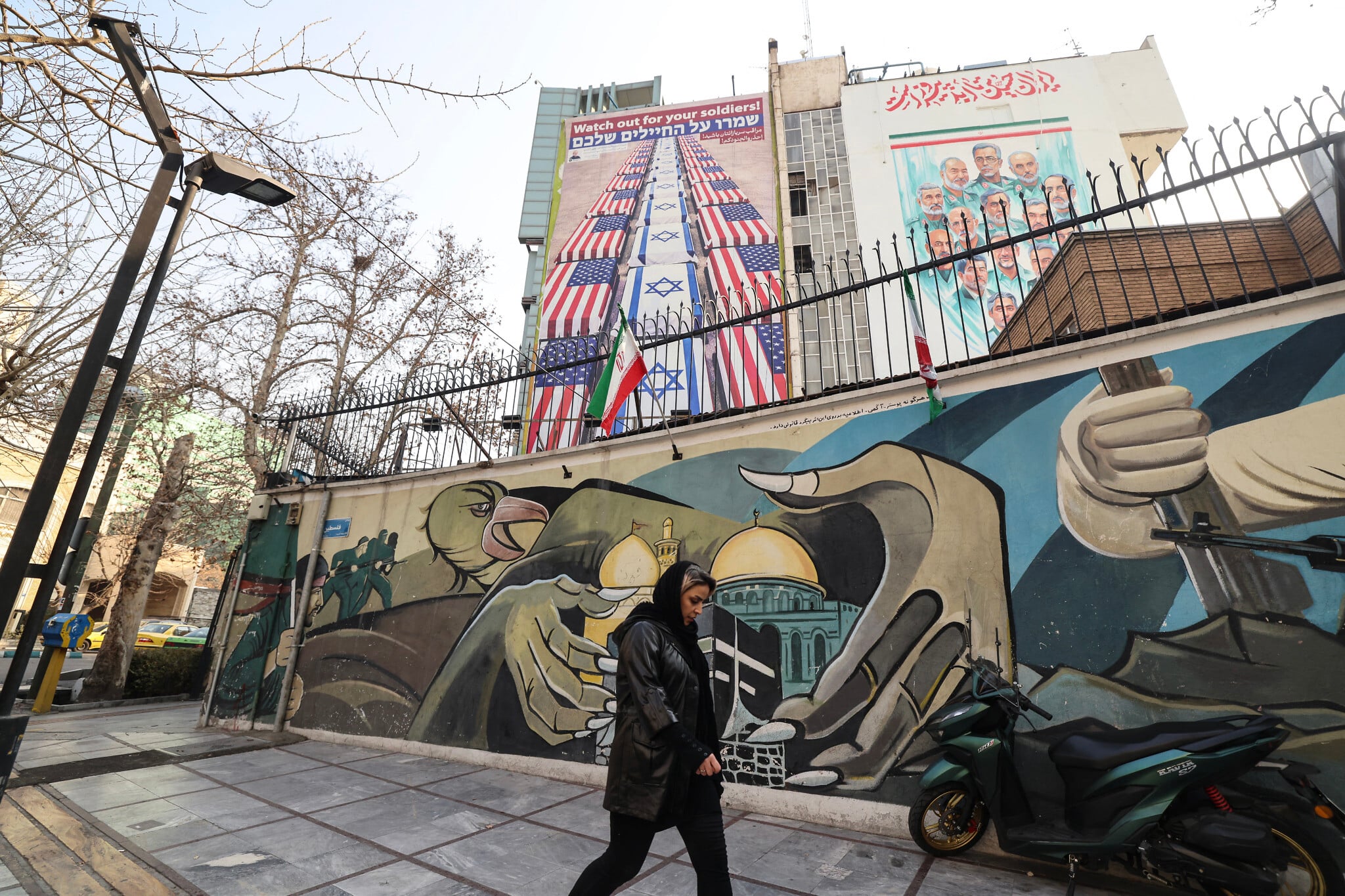
Iran executed a man on Wednesday who was accused of spying for Israel, the Iranian judiciary’s media outlet Mizan reported, naming him as Hamidreza Sabet Esmaeilipour.
Entangled in a decades-long shadow war with Israel, which it has vowed to destroy, Iran has executed many people it has accused of having links with the Israeli intelligence service and facilitating its operations in the country.
“Hamidreza Sabet Esmaeilipour who was arrested on 29 April 2025, was hanged for the crime of espionage and intelligence cooperation in favor of a hostile intelligence service (Mossad) through… the transfer of classified documents and information, after the verdict was confirmed by the Supreme Court and through legal procedures,” Mizan said.
Rights groups have previously said 12 people have been hanged on similar charges in the wake of Israel’s war with Iran in June 2025.
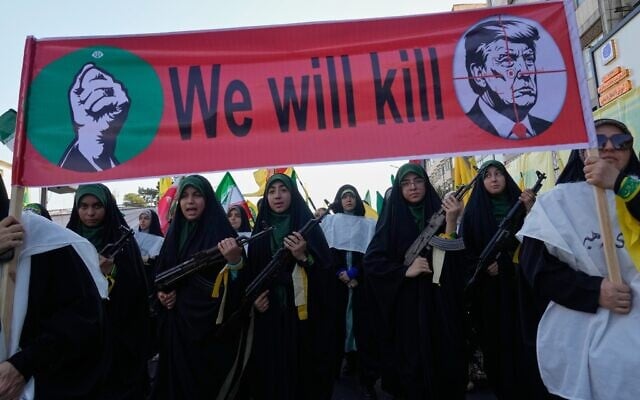
Esmaeilipour’s execution comes amid a global spotlight on Iran, after the Islamic Republic’s security forces killed thousands — according to some reports, tens of thousands — of anti-regime demonstrators earlier this month.
US President Donald Trump, who has threatened to attack Iran in response to the brutal crackdown, has said Tehran told him it called off some 800 planned executions of people arrested during the protests, but Iran itself has denied that.
Human rights organizations and Western governments have condemned Iran’s increasing use of capital punishment, particularly for political and espionage-related offenses.
Activists argue that many of the convictions rely on coerced confessions, and that trials often take place behind closed doors, without access to independent legal representation. Tehran, however, maintains that those executed were “agents of hostile intelligence services” involved in acts of terrorism or sabotage.








The Times of Israel Community.