

Amid Syria fears, Italy decides against Botticelli loan
Restored masterpiece ‘The Annunciation of San Martino alla Scala’ was to have gone on display at Israel Museum later this month
 Add ToI as a Preferred Source on Google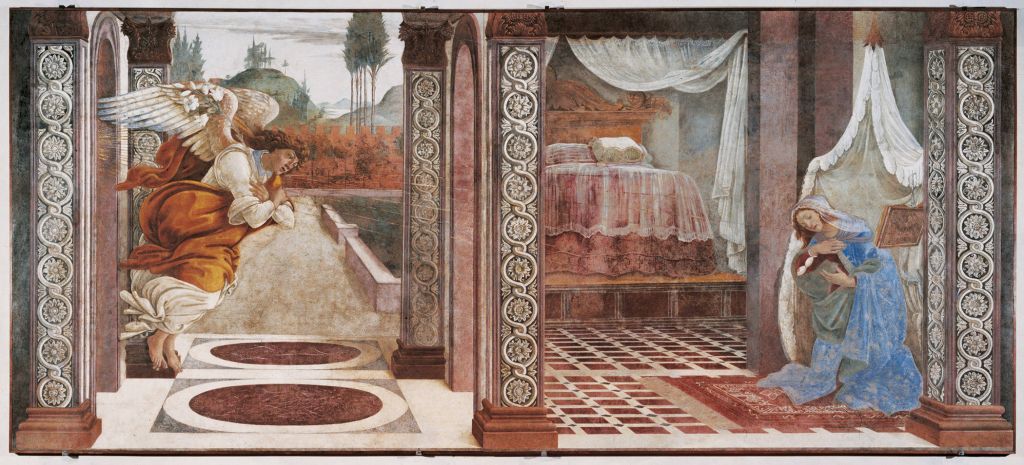
The Italian Culture Ministry on Thursday decided against loaning a masterpiece by the 15th century Renaissance painter Sandro Botticelli to Israel as a Rosh Hashanah present, citing geopolitical and logistical concerns.
The ministry announced that Botticelli’s fresco “The Annunciation of San Martino alla Scala” wouldn’t after all be brought to Israel, where it was to have been displayed at the Israel Museum in Jerusalem for several months, starting Sept. 17.
With the US mulling an attack against Syria, the ministry decided that geopolitical and logistical concerns would not permit it to send the painting to Israel, it said. However, citing the importance of Italian-Israeli relations, the ministry expressed hope that the Renaissance work would go on display in Jerusalem at a date in the near future.
The loan was organized by the Uffizi gallery in Florence, where the huge, restored painting is held, and the Italy-Israel Foundation for Culture and the Arts.
Italian Culture Minister Massimo Bray was to have traveled to Jerusalem for the inauguration of the exhibition, which was also to have been attended by Israeli Culture Minister Limor Livnat.

The Annunciation is a fresco that was painted by Botticelli in 1481 on a wall at the hospital of San Martino alla Scala in Florence.
It was removed from the wall in 1920 and transferred to the Uffizi, where it underwent restoration.
Early Renaissance master Botticelli, whose birth name was Alessandro di Mariano di Vanni Filipepi, was born in Florence in about 1445, and died in May, 1510.
AP contributed to this report.








The Times of Israel Community.