

Khomeini’s grandson raps Iran’s clampdown on free speech
In TV interview, Hassan Khomeini says Islam bans trampling rights of others, Tehran a ‘laughingstock’ for repressing speech
 Add ToI as a Preferred Source on Google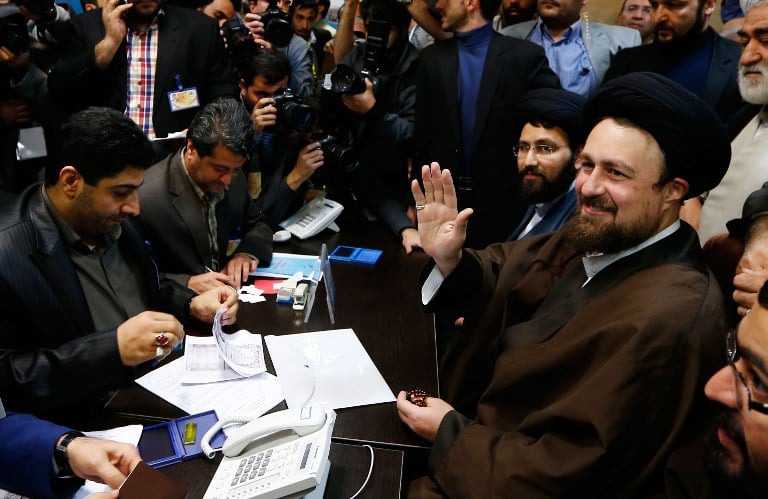
The grandson of Iran’s late revolutionary leader criticized the government’s repression of free speech, saying attempts to do so have made the Islamic Republic a “laughingstock.”
Seyyed Hassan Khomeini, grandson of founder of the Islamic Republic Ayatollah Ruhollah Khomeini, is widely considered an up-and-coming moderate in the Iranian clergy.
“Religion means that no institution, no group, and no person should be allowed to trample the rights of others,” he said in an Iranian Channel 1 interview on June 1 translated by MEMRI. “Religion means that everybody should be allowed to speak freely. Religion means that there should be no poverty in society.”
The interview aired just a couple days before the country marked the 27th anniversary of Ayatollah Khomeini’s death.
“Religion means that one should be able to talk easily, without fear of anybody else. Religion means that one should be able to live a good and comfortable life,” he continued.
“In today’s world, whenever anybody says something, it is impossible that it will not become public,” the younger Khomeini said, adding that attempts at digital censorship in the modern age turn Iran into “a laughingstock.”
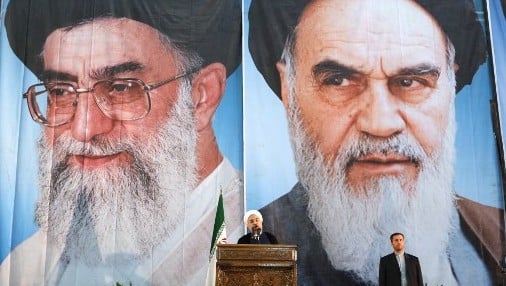
Iran ranks among the 10 worst countries in terms of press freedom, according to a 2016 ranking by Freedom House. A State Department report for 2015 said Iran’s government “banned, blocked, closed, or censored publications deemed critical of officials” and “restricted and disrupted access to the internet, monitored private online communications, and censored online content.”
“We learned this from Imam (Khomeini) as well as from his successors. We should bear in mind that throughout the history of the Revolution… We cannot impose any thought if the people does not want it,” he said.
Earlier this year Iran’s Guardian Council, a constitutional watchdog body, rejected an appeal by Khomeini against his disqualification from running as a candidate for a top clerical body. The council cited Khomeini’s lack of adequate clerical knowledge for the decision, despite his six years of teaching experience at one of the country’s premier religious institutions, according to Al Monitor.





The Times of Israel Community.