

MKs gives initial okay to bill for Eilat, Dead Sea ‘tourist islands’
A day after legislation is pulled by health minister, Knesset votes for 1st reading of proposal to soften restrictions; lawmakers say they will tackle opening more later
 Add ToI as a Preferred Source on Google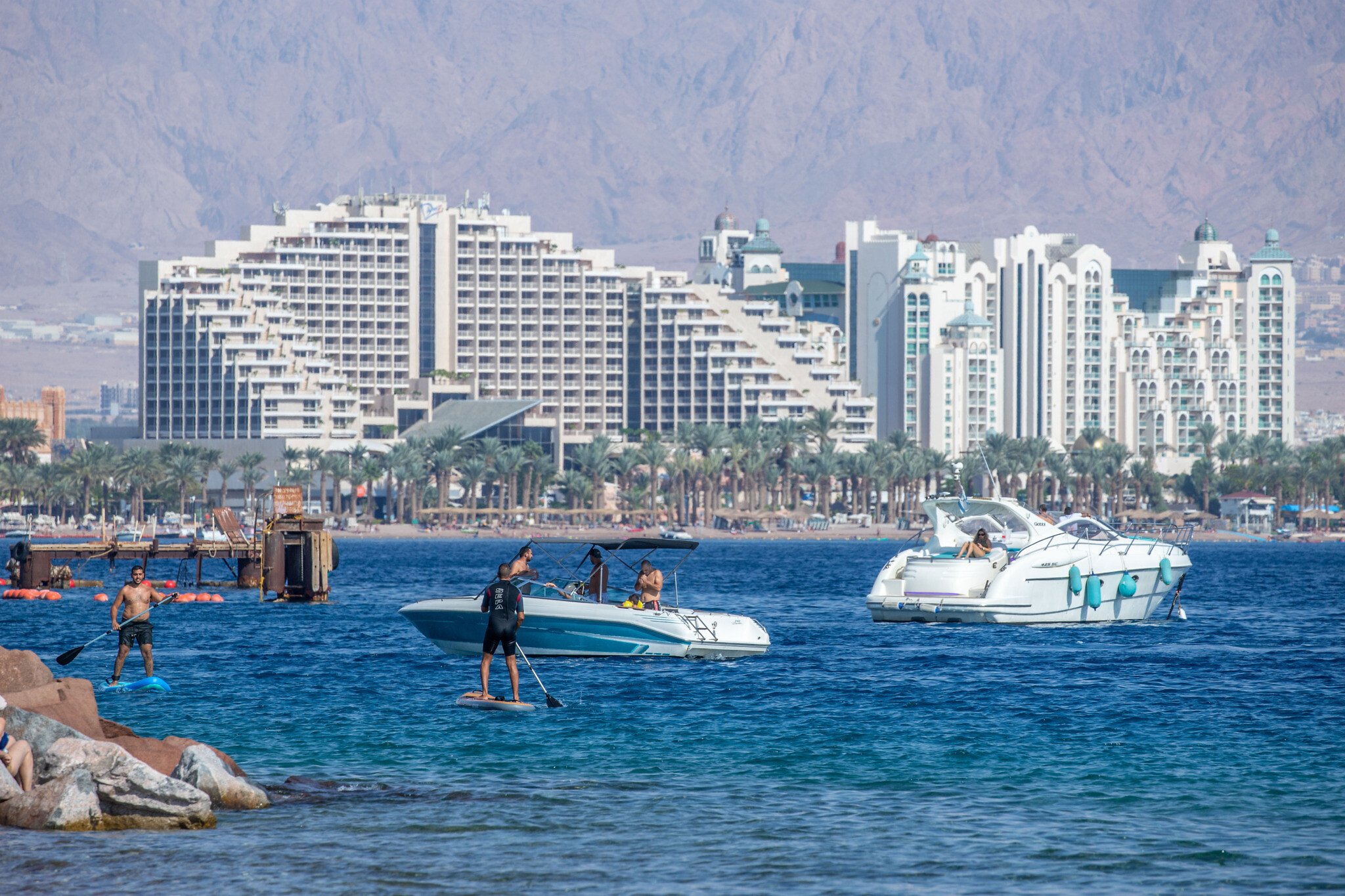
Knesset members on Tuesday approved the first reading of bill that would lift some virus lockdown restrictions in two tourism hotspots, a day after Health Minister Yuli Edelstein yanked it during a plenum session amid a dispute over its scope.
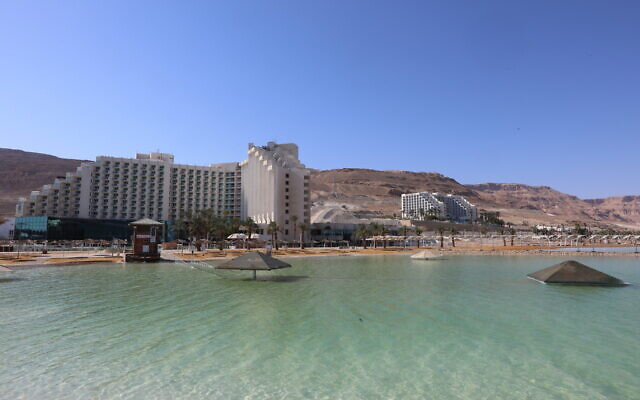
MKs voted 37-0 in favor of the bill that aims to turn the Red Sea resort city of Eilat and a hotel zone near the Dead Sea into “tourist islands,” exempt from some coronavirus restrictions so that hotels can reopen.
Both areas, which are heavily dependent on tourism, have seen unemployment skyrocket with hotels shut as part of a nationwide lockdown.
The bill now faces two further plenum readings before passing into law.
On Monday Edelstein pulled the legislation while voting was still underway after lawmakers rejected an amendment he had supported that would have prevented additional tourist sites from being given the special status in the future. Edelstein, along with other health officials, have been urging a slow, cautious release from the national lockdown.
In addition to hotels, the bill would let the government allow restaurants, and tourist attractions to reopen in those locations after months of closure during the country’s second lockdown.
Both coalition and opposition lawmakers criticized Edelstein over the move.
Under the terms of the bill, the two areas will be declared “special tourist areas,” the Tourism Ministry said in a statement last month after the government initially approved the bill to be sent to the Knesset.
It called the zones “green tourist islands,” a reference to a government color-coded system used to grade virus infection areas, with red being most-infected and green having the lowest infection rates.

Entry into the special areas will be conditioned on visitors showing that they have tested negative for the coronavirus in the previous 48 hours.
The Tourism Ministry explained that Eilat and the Dead Sea area rely almost exclusively on tourism and the hotel business and that the rationale behind the bill is based on the special characteristics of both locations.
There is only one main highway leading into the southern port city of Eilat, which is otherwise surrounded by desert, and the barren Dead Sea hotel area at Ein Bokek has no local residential population. Most workers come from Arad, the nearest city.
Israel’s tourism industry has been brought to its knees by the virus, though it enjoyed a respite in the spring and summer as internal tourists flooded Israeli hotels instead of traveling abroad.
Unemployment in Eilat remains over 40 percent, well above the national average, according to Walla news.
A multistage plan for lifting the lockdown is scheduled to take around four months, and some health officials have warned some restrictions already lifted may be reimposed unless infection numbers drop further.







The Times of Israel Community.