

 From the Liveblog of
Wednesday, July 15, 2015
From the Liveblog of
Wednesday, July 15, 2015
Iran press hails new post-sanction era
 Add ToI as a Preferred Source on Google
The Iranian press hails a new era free of Western sanctions following a hard-won nuclear deal with major powers, although skeptical conservative newspapers warned implementation would be the test.
“The World Changed,” headlines reformist daily Etemad, calling Tuesday’s agreement between Iran and the six world powers the “Diplomatic Revolution of July 14, 2015.”
The Financial Asia carries the single word “Deal” beneath its masthead.
Under the agreement, Iran will be freed from Western and UN sanctions that have crippled its economy, in return for curbs on its atomic program for at least 10 years.
Financial daily Donyaye Eqtesad says Iran had “entered the post-sanctions age.”
“Iran Siege Broken,” headlined the moderate daily Ghanoon.
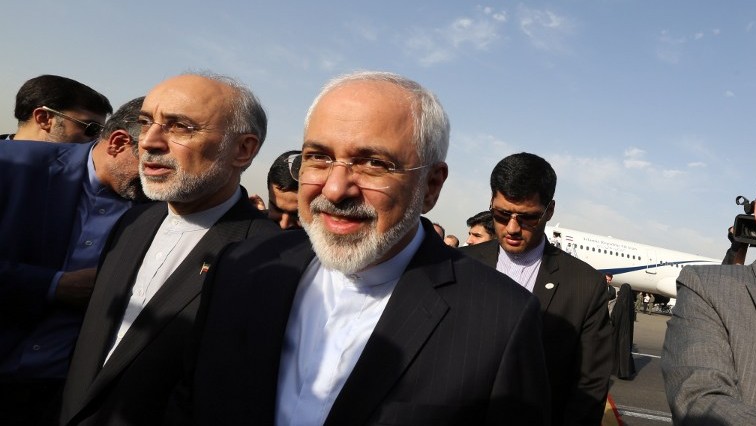
Another reformist daily, Ebtekar, lionizes the deal’s architect, Foreign Minister Mohammad Javad Zarif, with a front-page montage likening him to national hero Mohammad Mossadegh.
A democratically elected prime minister who nationalized Iran’s oil industry, Mossadegh was overthrown in a 1953 coup engineered by London and Washington that ushered in decades of autocracy.
It was left to conservative newspapers that opposed a nuclear deal throughout the long months of negotiations to sound a negative note.
Kayhan says that differing interpretations of the terms of the deal by Iranian President Hassan Rouhani and his US counterpart Barack Obama raise question marks about what had been agreed.
Its even more conservative rival Vatan-e-Ermooz is also skeptical, headlining: “Awaiting Implementation.”
“The big challenge of such texts reveals itself during implementation,” the paper warns in an editorial.
“The goals of the US in the post-deal stage are not necessarily those written in the nuclear agreement.”
— AFP






The Times of Israel Community.