

 From the Liveblog of
Monday, June 8, 2026
From the Liveblog of
Monday, June 8, 2026
Knesset advances work on Likud MK immunity, Oct. 7 probe despite Iran fighting
 Add ToI as a Preferred Source on Google
Ariela Karmel is a political correspondent at The Times of Israel. She previously reported for Calcalist and Haaretz. She holds an MA in Middle Eastern and African History from Tel Aviv University and a BA in Political Science from the University of British Columbia.
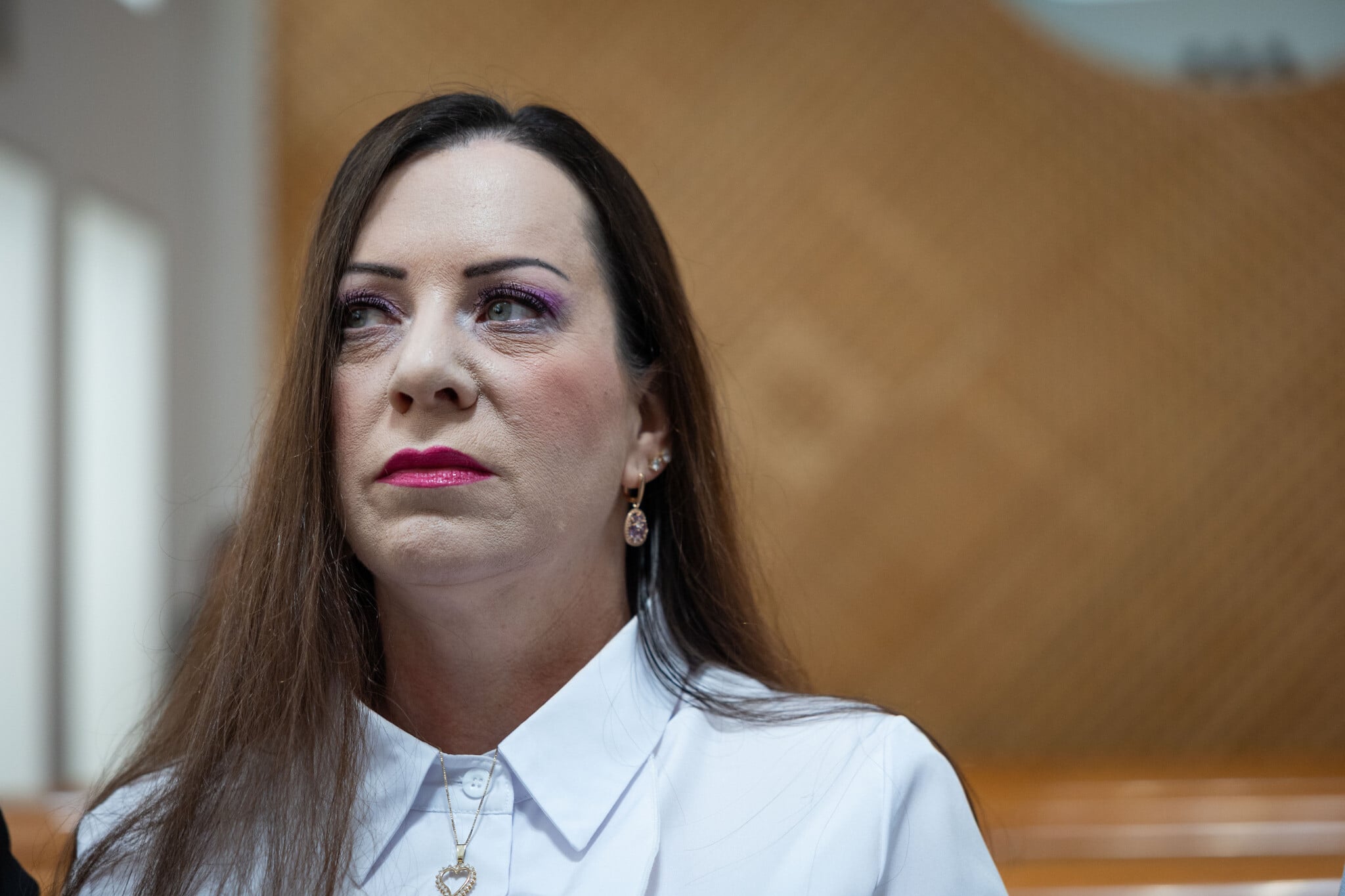
Lawmakers are pressing ahead with two of the coalition’s most controversial initiatives today, even as most Knesset activity is suspended following Iran’s ballistic missile attacks: a House Committee hearing on granting procedural immunity to Likud MK Tally Gotliv as she faces charges for disclosing the identity of a Shin Bet agent, and a Constitution Committee discussion on establishing a politically appointed probe into the October 7, 2023, attacks.
Iran fired ballistic missiles at Israel overnight and into the morning, sending millions of Israelis scrambling to bomb shelters and shuttering schools nationwide for the first time in two months.
The office of Attorney General Gali Baharav-Miara, who is attending the House Committee session in a rare appearance, announced last month that it was indicting Gotliv over social media posts from 2024 that identified the partner of anti-government protest leader Shikma Bressler as a Shin Bet agent, while promoting baseless conspiracy theories linking him to Hamas and insinuating that he bore responsibility for October 7.
Later today, the Constitution Committee is set to continue deliberations on legislation to establish a politically appointed commission of inquiry into the Hamas-led assault, even after cancelling other agenda items due to the missile attacks.
The bill has drawn renewed criticism after last week’s election of Prime Minister Benjamin Netanyahu’s personal lawyer, Michael Rabello, as state comptroller in a contentious Knesset vote. Under the legislation, if the opposition, which is boycotting the legislation, declines to appoint representatives to the panel within 14 days, Rabello would appoint the remaining members, while coalition representatives would be appointed by Coalition Whip MK Ofir Katz.
Critics argue the arrangement would allow Netanyahu allies to effectively control a body tasked with investigating the failures surrounding October 7. The opposition is instead demanding a state commission of inquiry, the traditional mechanism for investigating major national disasters, whose members are appointed by the president of the Supreme Court. Netanyahu has rejected this, arguing that the judiciary is biased against him.









The Times of Israel Community.