

NATO downs second Iranian missile over Turkey; Erdogan says Iran has been warned
Missile falls in empty fields in Gaziantep, between airbase used by the US and NATO radar base
 Add ToI as a Preferred Source on Google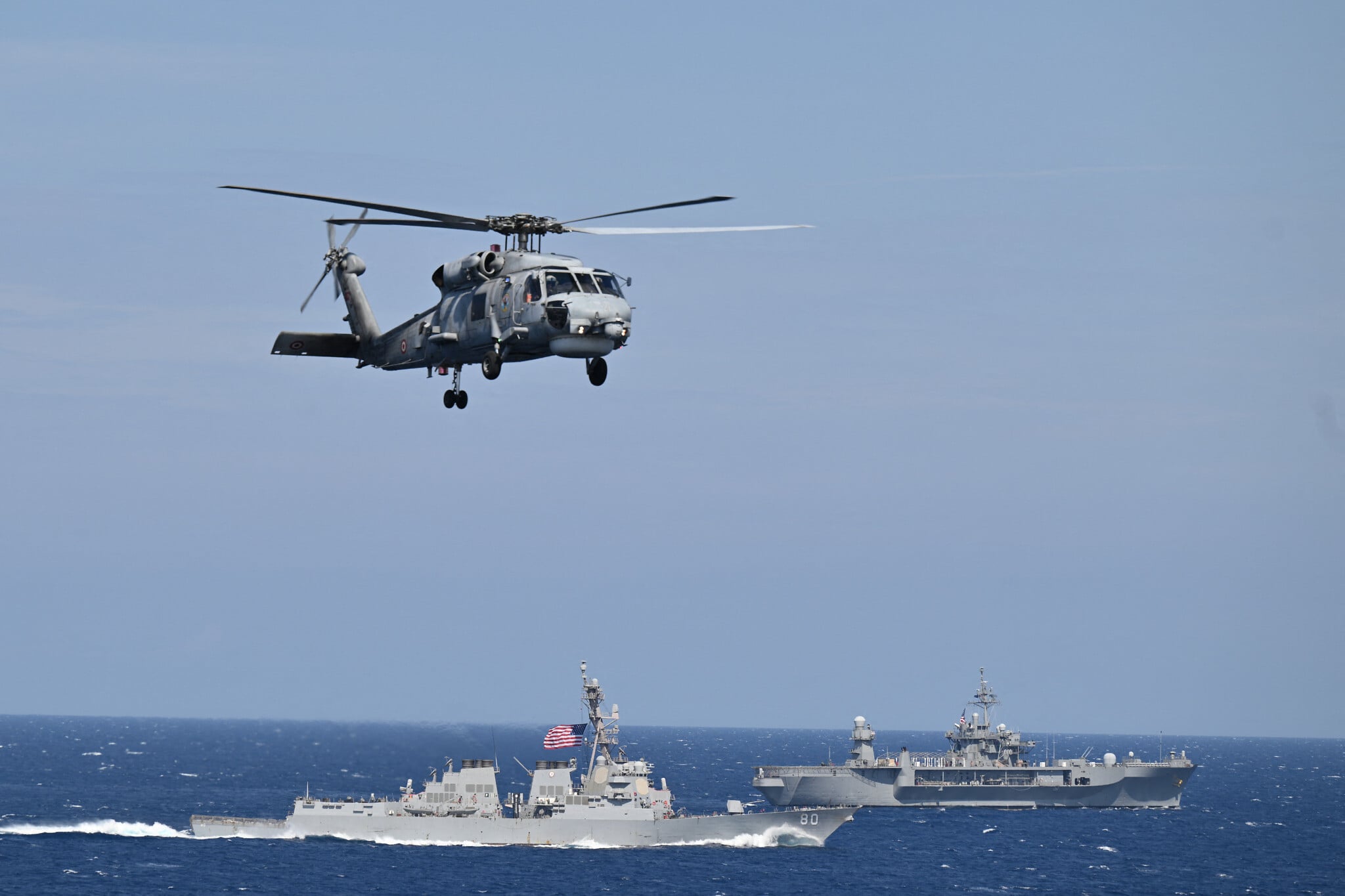
ANKARA, Turkey (Reuters) — Turkey said on Monday that NATO air defenses shot down a second ballistic missile that was fired from Iran and had entered Turkish airspace, warning it will take any necessary steps against threats.
This marks the second Iranian ballistic missile in the last week that has targeted the south of Turkey, which is a NATO member and Iran’s neighbor. Ankara had warned Iran against attacking again on Saturday, but has not suggested it wants to formally call on alliance members for further protection.
“We once again emphasize that all necessary measures will be taken decisively and without hesitation against any threat directed at our country’s territory and airspace,” the Turkish Defense Ministry said, adding some ammunition parts had fallen in the southeastern province of Gaziantep, but there had been no casualties.
“We also reiterate that it is in everyone’s interest to heed Turkey’s warnings in this regard,” it said.
It was unclear where the missile was headed before it was intercepted by NATO defenses stationed in the eastern Mediterranean Sea.
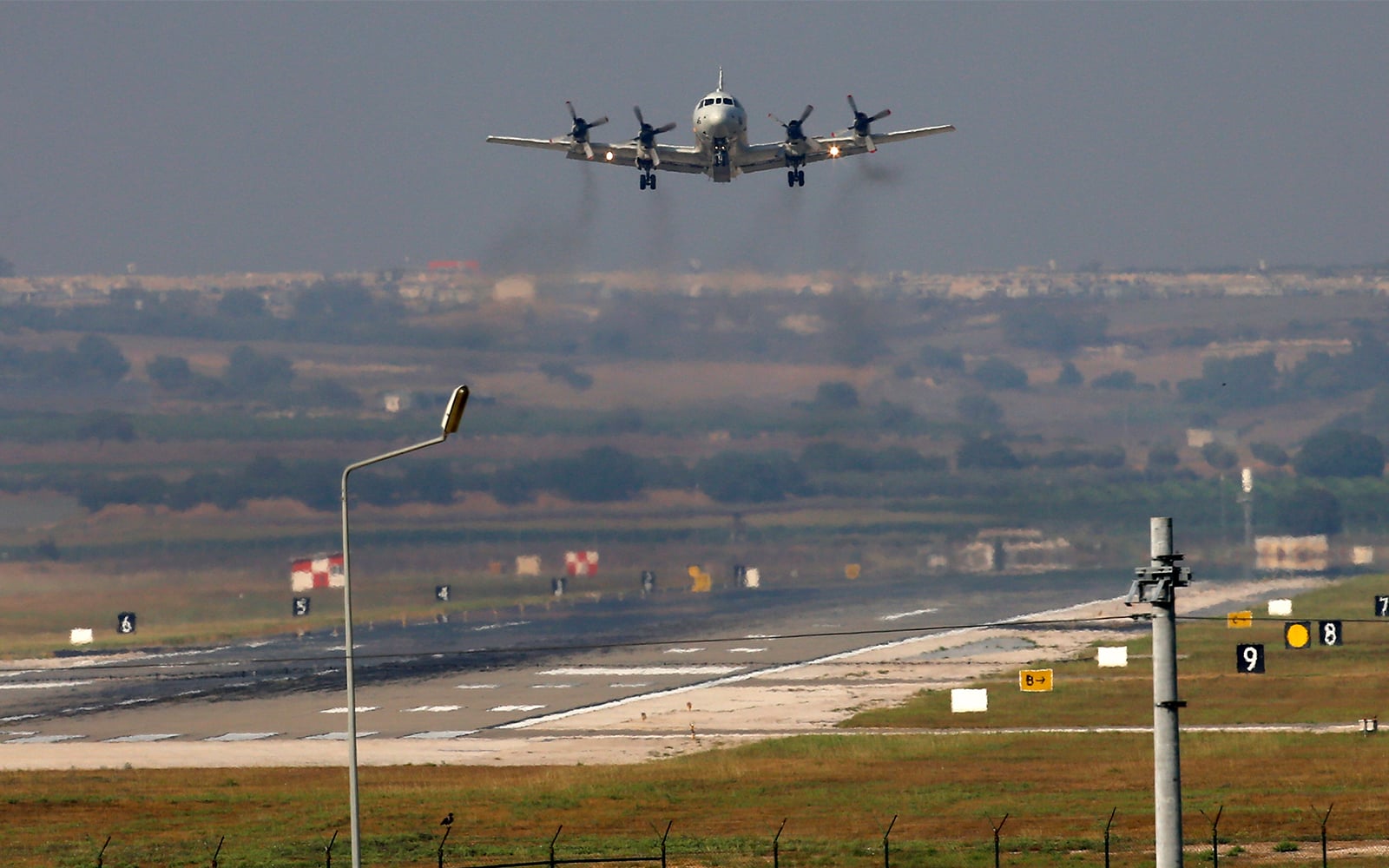
US air forces are stationed at the Incirlik base in southern Turkey, and there is a NATO radar base in Malatya province to the northeast that provides vital protection for the alliance. Ankara said fragments from the missile fell in empty fields in Gaziantep, which sits roughly between the two.
Turkish President Recep Tayyip Erdogan said on Monday evening that Turkey had delivered a stern message to Iran following the missile fire.
“The necessary warnings have been delivered to Iran,” said Erdogan after hosting an emergency cabinet meeting at his office in Ankara.
“Despite our repeated warnings, provocative steps continue to be taken against Turkey,” he said. “No action should be taken that casts a shadow over our thousand-year-old neighborly and brotherly bond.”
He confirmed that the missile had been intercepted and fell on open land.
“Our goal, first and foremost, is to keep our country away from this fire,” said Erdogan.
Burhanettin Duran, Erdogan’s communications director, said earlier in the day that Ankara was strongly reiterating its warning to all parties, namely Iran, to avoid steps that endanger regional stability and civilians.
Ankara says that Washington has not used Incirlik in its air assault, alongside Israel, on Iran, which triggered Tehran’s missile and drone attacks across the region.
Iran did not immediately comment on the incident, but it has said repeatedly that it is not at war with regional countries and is not explicitly targeting Turkey.
Turkey, which had sought to mediate US-Iran talks before the air war that began on February 28, has previously said it had no intention of currently invoking NATO’s Article 4, which would call on allies to consult if a member is threatened.
Invoking Article 4 could lead to invoking the alliance’s Article 5, which would call on NATO to defend its attacked ally.
Turkey has the trans-Atlantic alliance’s second-largest army and has become a leading global actor in the defense industry in recent years. However, it still lacks full air defenses of its own despite efforts to develop them. It has relied on NATO’s air defenses in both incidents in the last week.
Lazar Berman contributed to this report.









The Times of Israel Community.