

Ombudsman turns down justice minister’s request for probe of state prosecution
Matanyahu Englman tells Amir Ohana ‘no reason to deviate’ from current plans to review prosecutors’ work, after Ohana decried ‘decline of public confidence’ in legal system
 Add ToI as a Preferred Source on Google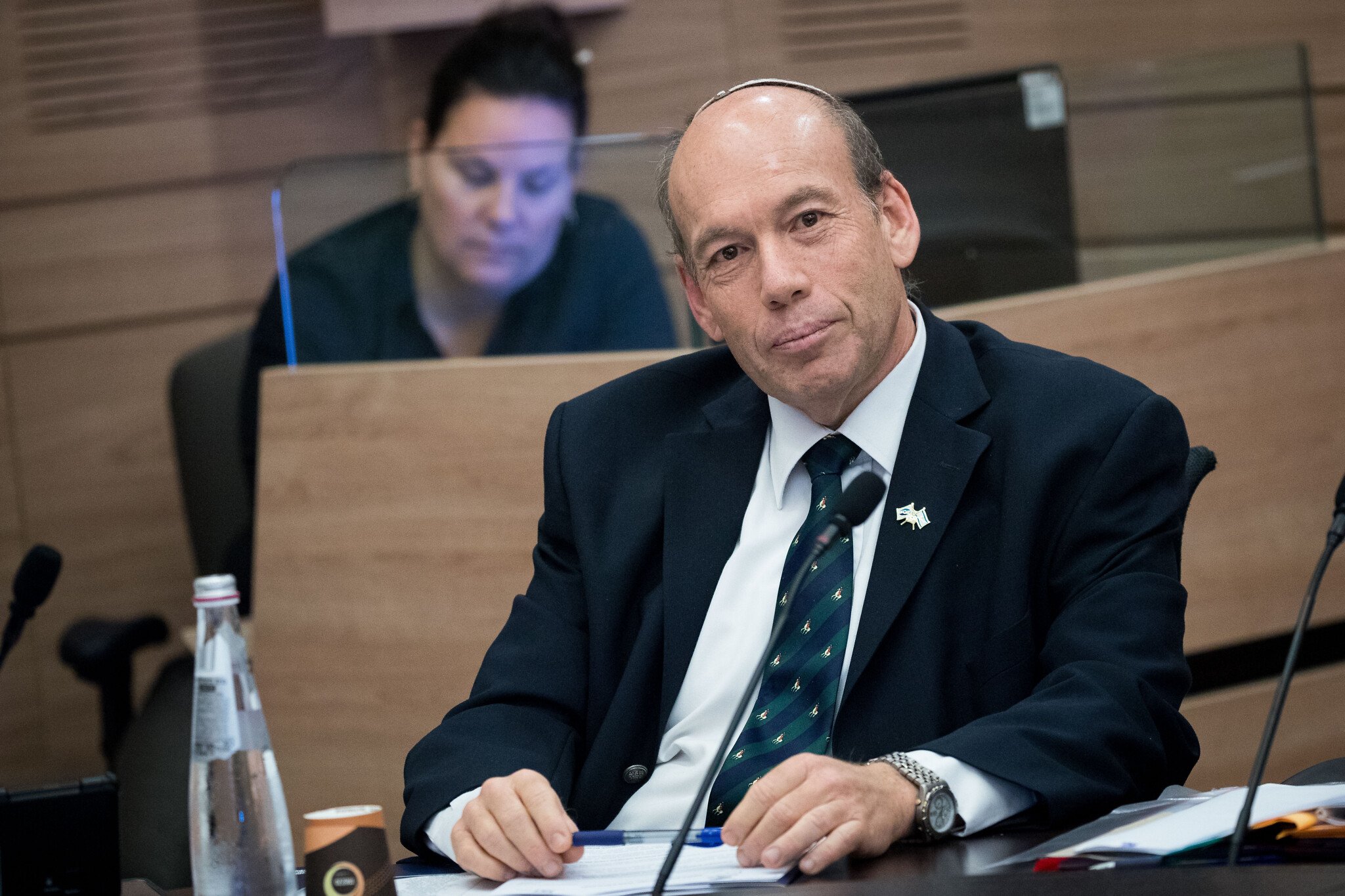
State Comptroller Matanyahu Englman on Monday turned down Justice Minister Amir Ohana’s request for a wide-ranging probe of the state prosecution.
In a letter to Ohana, Englman wrote that there was “no reason to deviate from the work plan that was determined regarding the State Attorney’s Office,” and that the State Comptroller’s Office would continue its work, which includes a general review of the prosecution’s work.
“Still, the issues you raised will be brought to the attention of the relevant division,” Englman added.
Ohana, a confidante of Prime Minister Benjamin Netanyahu, has been a sharp critic of the justice system since being appointed acting justice minister last year, and has slammed prosecutors over the premier’s indictment on graft charges.
Over the weekend, he launched a scathing attack against Attorney General Avichai Mandelblit and called for an investigation into former state attorney Shai Nitzan, who led the investigations into Netanyahu.
Ohana has feuded with Mandelblit continuously since assuming his post as justice minister, sparring over Eldad’s appointment and replacement, and about Ohana’s own authority as an acting justice minister to appoint senior officials.
In a Facebook post, Ohana broadly attacked the Justice Ministry and brought up the Harpaz Affair, in which Mandelblit was once investigated but never charged.
Ohana wrote he was “worried” about the legal system, saying “many before me identified in the legal system a sickness, vengeance, lack of transparency, decay.”
“There are people in the system who recognize it, but there is a great fear and dread about making things public,” he said. “Anyone with eyes can see the unprecedented decline in public confidence in the prosecutor’s office and legal counsel.”
Ohana is set to step down Thursday, with the swearing-in of the new government and is reported to be Netanyahu’s preferred choice for public security minister, who oversees the police.
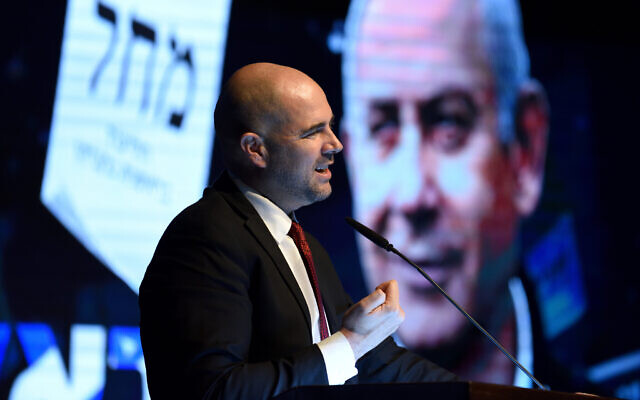
Several Hebrew media outlets in February reported that Netanyahu would possibly seek to dismiss the Mandelblit, or to seriously discredit him, after the elections on March 2. Haaretz reported at the time that emissaries for Netanyahu had been working to dig up dirt on Mandelblit — particularly on his part in the Harpaz affair.
Recordings of phone calls relating to the 2010 case surfaced in February, shedding new light on Mandelblit’s uncomfortable position in the case.
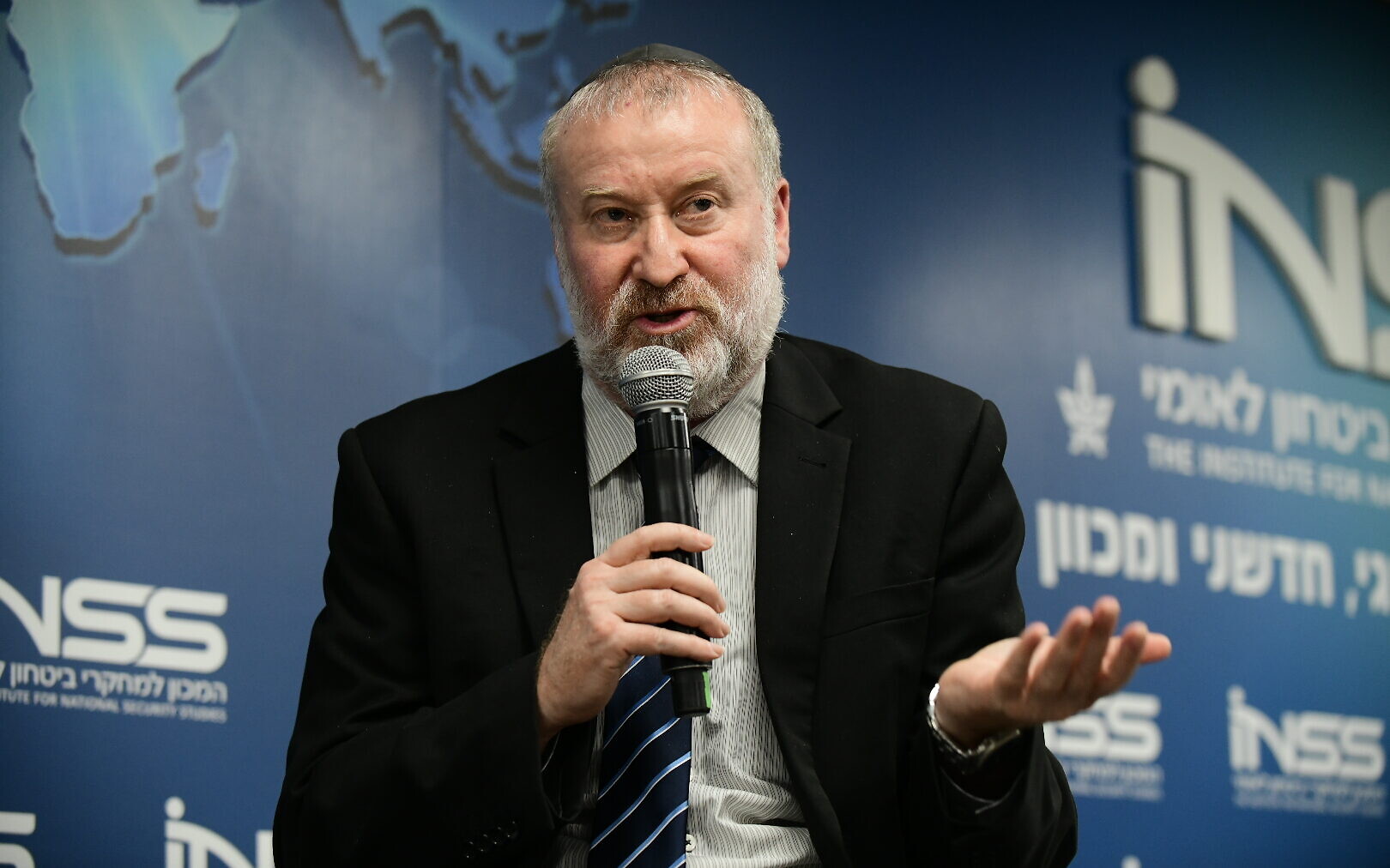
In the case, Boaz Harpaz, a former IDF intelligence officer close to then-IDF chief Ashkenazi produced a fake document purporting to be a public relations strategy for then-Southern Command chief Yoav Gallant’s campaign to become the next chief of staff.
The fake document recommended a smear campaign against Gallant’s rivals, including then-deputy chief of staff Benny Gantz, who would go on to be appointed Israel’s 20th IDF chief of staff in 2011 and later become Netanyahu’s chief rival for the premiership, before finally emerging as his political ally.
Mandelblit, who was the top military prosecutor at the time, was questioned under caution in June 2014, when he was already out of uniform and serving as Netanyahu’s cabinet secretary.
Investigators suspected that Mandelblit may have helped Ashkenazi and his aides to hinder investigators by failing to tell them that Ashkenazi possessed the document — or indeed, that Ashkenazi was spreading it within the army and working to have it leaked to the press.
Mandelblit was eventually cleared after investigators concluded that he did not know that Ashkenazi possessed the document when he told state attorneys to seek it elsewhere.
Netanyahu went on to nominate Mandelblit as attorney general, with his appointment approved in January 2016.







The Times of Israel Community.