

Passover curfew ends, though general lockdown remains in place
Israelis again allowed to go over 100 meters from home for essential purposes, but can’t leave their communities until Friday morning; government reportedly may extend restrictions
 Add ToI as a Preferred Source on Google
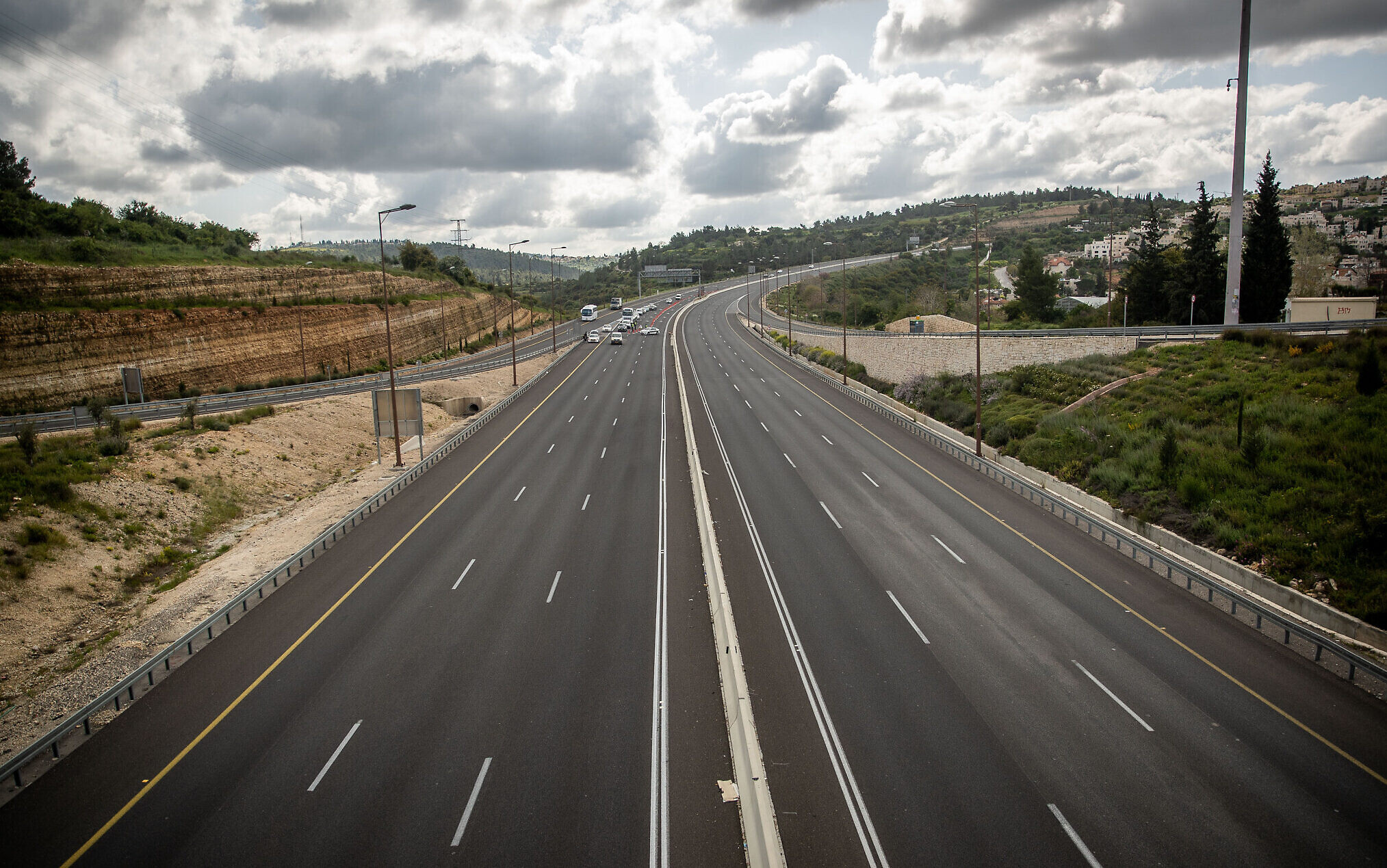
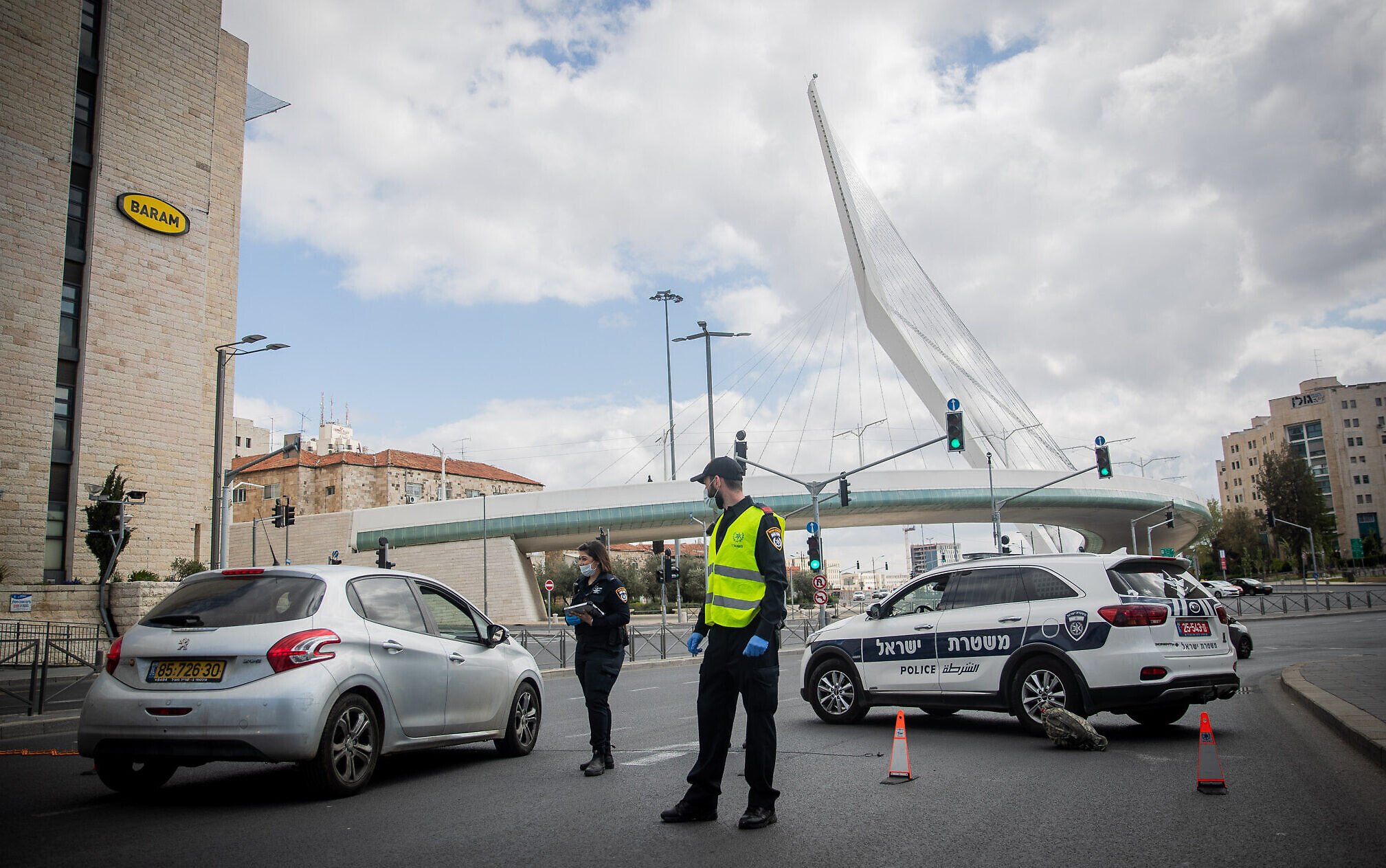

A curfew for the start of Passover ended Thursday morning, with Israelis again permitted to leave their homes but barred from intercity travel.
The curfew, which began Wednesday at 3 p.m. and ended Thursday at 7 a.m., was aimed at preventing Israelis from spending the festive holiday meal with family or others, which officials feared could lead to a fresh wave of COVID-19 infections and set back Israel’s efforts against the virus.
With the lifting of the curfew, Israelis could travel more than 100 meters from their homes for essential purposes only, and businesses could reopen, though it was unclear if many would so during the holiday.
Israelis continued to be barred from leaving their home towns as part of a general lockdown nationwide that won’t be lifted until Friday at 6 a.m. In Jerusalem, which has the most virus cases in the country, residents could not travel beyond the one of seven city designated zones in which they live.
However, the government was set to convene Friday and may further extend the lockdown, according to the Walla news site.

Public transportation, which halted across the country on Tuesday evening, will not resume until Sunday morning and only international flights that receive special permission from the transportation and interior ministries would be allowed to operate.
To enforce the curfew, thousands of police officers were deployed throughout Israel, backed by some 1,400 IDF soldiers helping to ensure Israelis adhered to the restrictions.
About 2,500 fines were given out for violations of the restrictions, Channel 12 news reported on Thursday night.
The curfew did not extend to Arab towns, where Passover is not celebrated.
Confined to their homes and instructed to only spend the holiday with those they live with, many Israelis celebrated the first night of Passover alone, or if less religiously observant, used video chatting programs to connect virtually for the meal.
The more observant Orthodox were forced to make do without technology and social media. Some set up pictures of their family members around the table, while others, who lived in apartment buildings, kept doors open so the elderly or those who were alone could listen in on proceedings.

In many communities, people came out onto their balconies to sing together the “Four Questions,” traditionally asked by the youngest child.
And in hospitals across the country, medical staff in full protective gear took quick breaks to participate in festive meals, before getting back to treating the sick.
As of Thursday morning, 73 Israelis have died from the virus, which has infected over 9,400 people.










The Times of Israel Community.