

Probing ethics process, Reform group finds late rabbi ducked abuse complaints
New report commissioned by the Central Conference of American Rabbis reveals how Michael Cook was able to continue teaching after formal allegations were lodged against him
 Add ToI as a Preferred Source on Google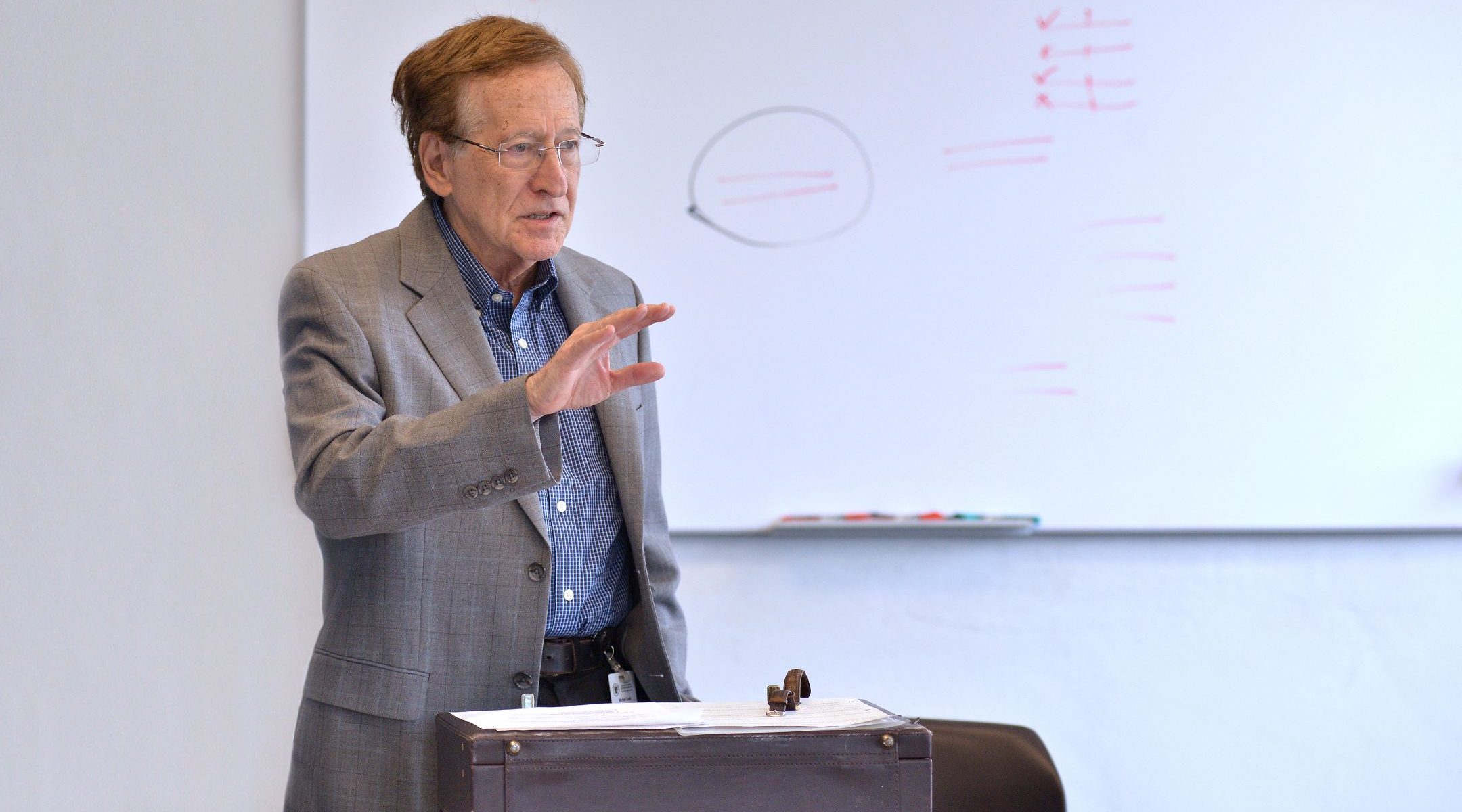
JTA — Sometime while Rabbi Michael Cook was teaching Reform rabbinical students in 2000, two rabbis who had studied under him lodged formal complaints with their shared professional association alleging that he had been abusive.
But before the rabbinic association, the Central Conference of American Rabbis or CCAR, took any action, Cook resigned. The move cut him off from the Reform movement’s job hiring process — but also allowed him to evade an investigation that could have resulted in a public expulsion.
No longer a member of the CCAR, Cook continued serving as a professor at Hebrew Union College-Jewish Institute of Religion (HUC) in Cincinnati, working with rabbinical students in his charge. It was not until his death last March that he was publicly accused of misconduct, which helped trigger a reckoning over the handling of sexual abuse allegations within the Reform movement.
The revelation that the CCAR had received allegations against Cook is contained in a new report, released Wednesday, that emerged from that reckoning. It is the result of one of three investigations into different branches of the Reform movement that took place simultaneously in recent months.
CCAR leaders say that many of the lapses identified in the report have been addressed in recent years, and they point to the case of Cook as an example.
”One of the loopholes in our system historically is that somebody like Michael Cook would resign and then keep on working at HUC without any blemish on his record,” Rabbi Hara Person, the CCAR’s chief executive, told the Jewish Telegraphic Agency.
“Today those complaints would be handled differently,” Person added. For example, someone who quits the association in the midst of an ethics review now can still be officially expelled and publicly listed as such, she noted. Likewise, the rules now allow the CCAR to publicly specify when an ethical violation involves a minor.
Now, the rabbinical association is facing a new challenge: Far more ethics complaints are coming in than the system, a volunteer-run committee that investigates allegations, is equipped to handle.
“The increased number and complexity of cases has been really overwhelming for the ethics committee,” Person said. “It’s kind of not fair what we’re asking them to do. The original system could not have imagined what we are seeing today.”
As the Reform movement’s rabbinical association, the CCAR is charged with upholding ethical standards among its roughly 2,200 members — virtually all ordained rabbis and seminary professors in the movement.
The association operates somewhat like the bar association does for lawyers. Lay leaders and congregants rely on the CCAR to investigate allegations and publicize ethical violations.
But the association has little to gain from calling public attention to misbehavior by its members. And some of its members believe that filing complaints can backfire when it comes time to enter “placement,” the Reform movement’s annual job hiring process.
“[T]here is still an old boys network and no matter how good the ethics process may be, I believe — and women understand — that there are placement ramifications if you bring an ethics complaint against a senior rabbi,” said one unnamed person quoted in the report. “All those rabbis talk to each other and then it becomes a difficult and unsettling thing.”
Because Alcalaw, the law firm hired by CCAR to conduct the investigation, was tasked with examining the association’s ethics process rather than investigating allegations, the report is thin on names and revelations of misconduct. Instead, much of the new report is devoted to explaining how the system evolved and how it works today, while pointing out some of the factors leading to confusion and distrust among those the system is supposed to protect.
“The report shows that our system is not broken, but also that it does need repair and improvement,” the CCAR’s leaders said in a statement.
Its focus on the ethics process, not on specific allegations, differentiates the latest investigation from a related but independent one that concluded in November when the Reform movement’s seminary publicized allegations against six of its leaders, including two past seminary presidents. That report found that the culture at Hebrew Union College-Jewish Institute of Religion enabled behaviors of harassment and abuse by men to go on for decades.
CCAR officials say they plan to act on what they learned from the new report, which offers new details about several high-profile cases in addition to Cook’s. It says allegations from three people about Rabbi Alfred Gottschalk, HUC’s longtime president and chancellor, reached the CCAR in the late 1990s. The association’s ethics committee started looking into the matter but found that it didn’t have enough evidence to justify further investigating and couldn’t proceed since official complaints had not been filed, according to notes kept by the group. Gottschalk died in 2009, and allegations of misconduct were only reported publicly this year.
Person said the increasing number of allegations recently suggests that, several years into the #MeToo reckoning, more people are feeling empowered to come forward.
“We live in a very different environment than when the system was created in 1991, even from 10 years ago, even from five years ago,” Person said. “People feel more comfortable reporting, but I also think that we’re living in a kind of social media-driven world. Information comes out now in such a variety of ways and people are so much more aware of what’s going on in other places so that encourages them to act.”
Among those who are most closely watching the Reform movement’s efforts to address patterns of sexism and misconduct within its ranks is Rabbi Mary Zamore, executive director of the Women’s Rabbinic Network. She said the report’s findings can help improve the ethics process.
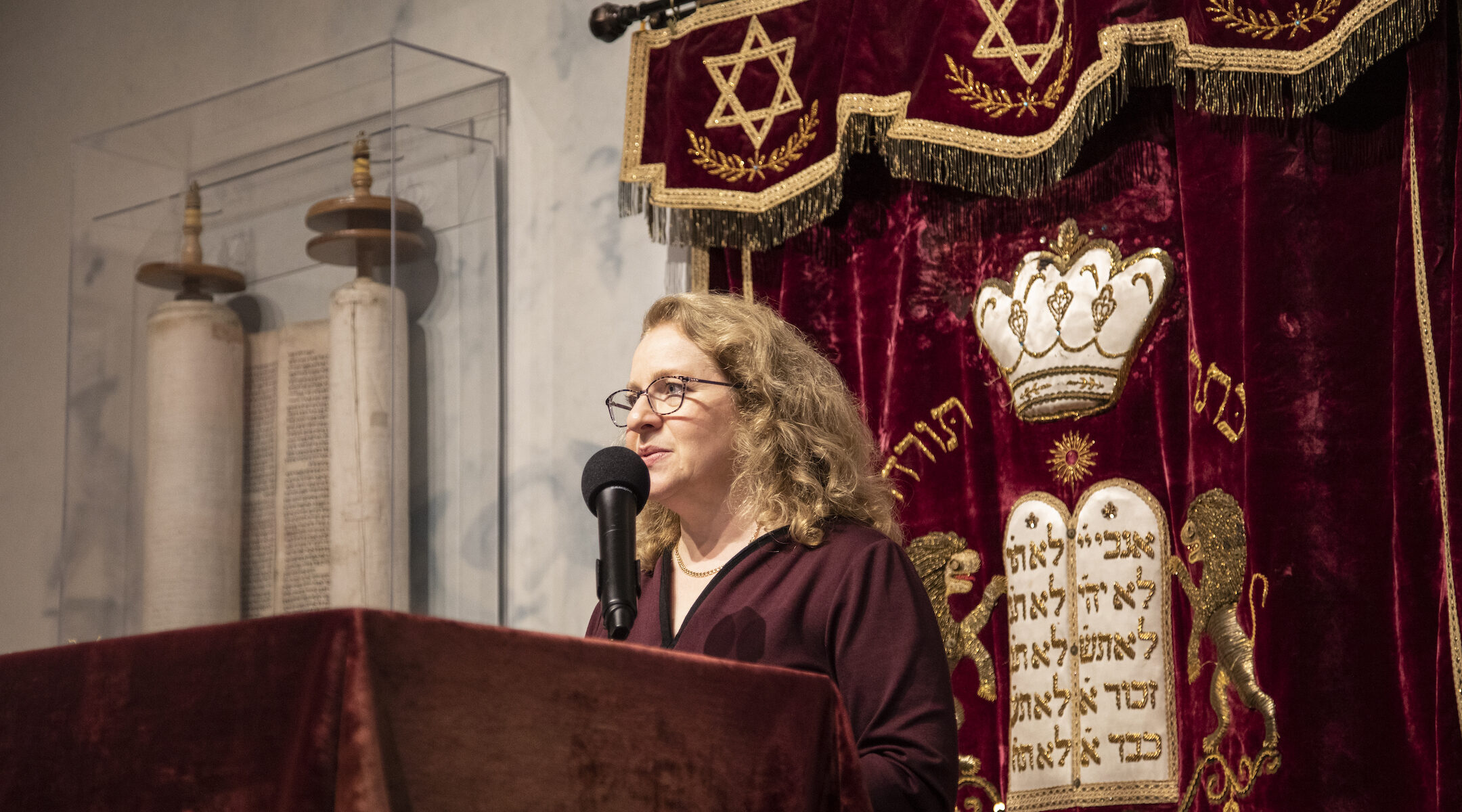
“Rabbis have a sacred responsibility to the Jewish community and should be held to the highest ethical standards,” Zamore said. “This report reveals that there is much work to be done. We look forward to the CCAR enacting the many recommendations in this report.”
The Reform movement is also awaiting the results of a third investigation, which will be released by the Union for Reform Judaism (URJ), an organization representing roughly 850 synagogues and their congregations. The scope of this URJ investigation is the most comprehensive of the three and will include harassment and abuse that took place at Reform summer camps and other youth programs.









The Times of Israel Community.