

Rothman said planning to fast-track bill that would split AG’s role into 2 jobs
Coalition official fears Haredi parties may block bill over failure to approve IDF exemptions for yeshiva students; Rothman: It’ll solve ‘inherent conflict of interest’ in current role
 Add ToI as a Preferred Source on Google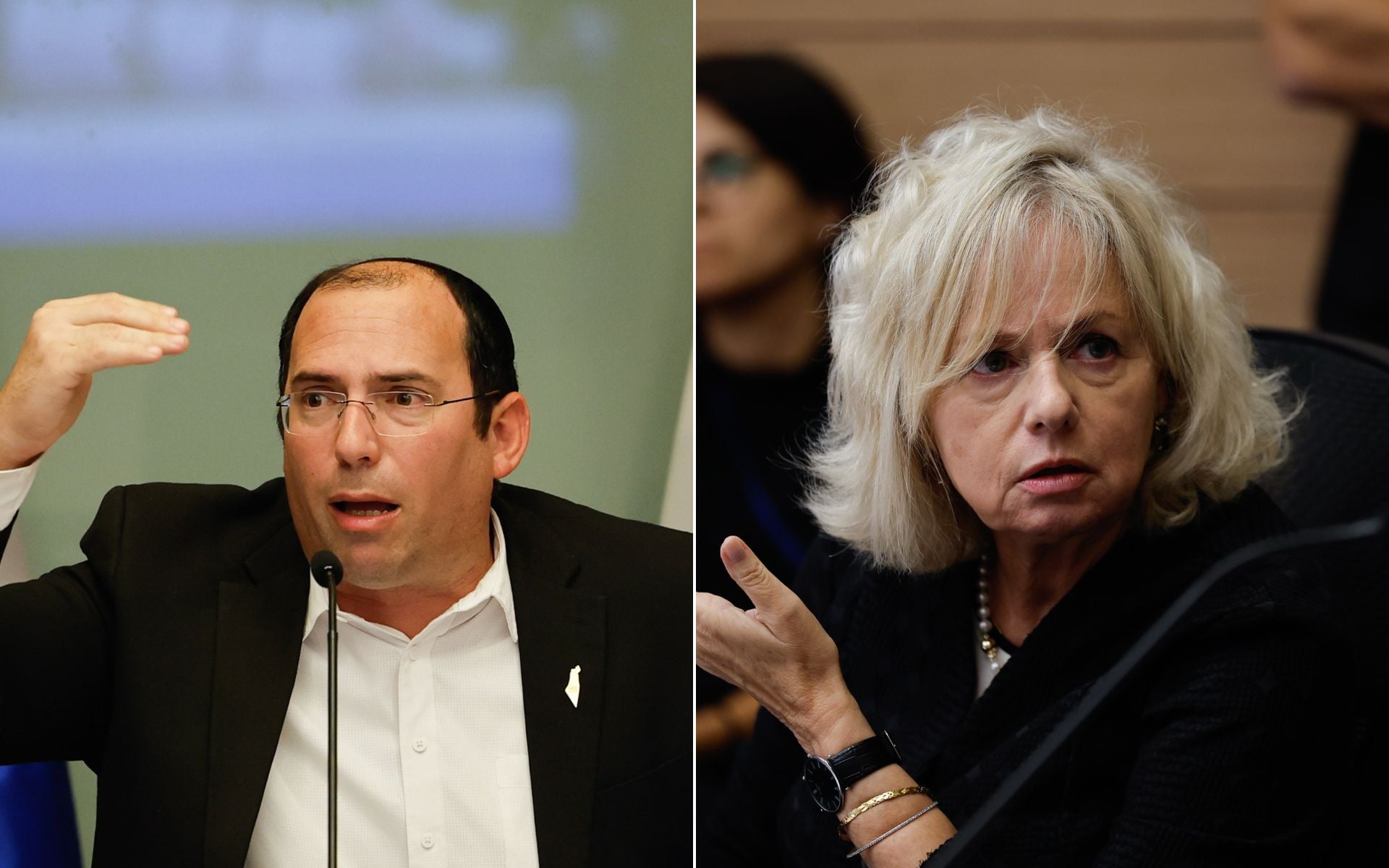
Religious Zionism MK Simcha Rothman reportedly aims to bring a controversial bill that would split the role of attorney general into two separate positions up for its first reading in the Knesset as early as Wednesday.
According to a Sunday report on the Ynet news site, the coalition is seeking to fast-track the bill amid fears that the High Court of Justice will strike down its method of firing Attorney General Gali Baharav-Miara.
The bill seeks to divide the role of attorney general into two positions, creating a new prosecutor general position that is distinct from, and subject to, the attorney general.
The person who fills the prosecutor general role would be nominated by the justice minister and approved by the Knesset committee Rothman heads.
The powerful far-right lawmaker is considered one of the key figures of the government’s planned judicial overhaul, with his committee having approved several key laws in the coalition’s efforts to subordinate the judicial system to elected politicians.
The proposed legislation sparked mass protests that rocked the country throughout 2023.

While the attorney general bill has already been approved by the Ministerial Committee for Legislation, a senior coalition official told Ynet that members of the ultra-Orthodox United Torah Judaism and Shas parties could vote against advancing the bill due to the government’s failure to push forward legislation granting military conscription exemptions to yeshiva students.
If it gets through its first reading in the plenum, the legislation will move to Rothman’s Constitution, Law and Justice Committee for debate.
In a statement to Ynet, the MK said his law “will solve once and for all the issue of inherent conflict of interest in the role of the attorney general, and a historic justice will be done that will provide a solution for generations to come.”
Baharav-Miara has come out strongly against the bill that would split her role.
“The proposed laws, and the timing of their introduction, are part of the judicial reform, a broad initiative aimed at weakening the safeguards that uphold the rule of law,” read an opinion written by her deputy, Gil Limon, as quoted by Ynet several months ago.
“There is serious concern that personal interests are involved in promoting the proposal by certain members of Knesset and government ministers who are under criminal investigation or facing criminal proceedings, including the prime minister himself,” continued the letter.

The law would not affect the attorney general’s authority as the government’s legal adviser, who interprets the law for the government, or the attorney general’s role in representing the government in legal proceedings against its actions and legislation.
Baharav-Miara has been regularly denounced by members of the government, which voted in August to fire her from her post, though the High Court of Justice decided unanimously in September to recommend that the government cancel the decision, disapproving of the new method established in June to remove her.
Jeremy Sharon contributed to this report.









The Times of Israel Community.