

Seoul detects signs N. Korea preparing another missile launch
South Korea responds to Pyongyang weapons test with live-fire drill simulating attack on nuclear test site, increases missile defense
 Add ToI as a Preferred Source on Google
South Korea has detected signs that the North is preparing another missile launch, the defense ministry said Monday, adding it could involve an intercontinental ballistic missile.
Seoul also conducted a drill simulating an attack on its northern neighbor, as the US said it will increase missile defense for South Korea.
The South Korea Defense Ministry said signs that North Korea was “preparing for another ballistic missile launch have consistently been detected since Sunday’s test,” referring to Pyongyang’s sixth nuclear test.
It did not give details, or indicate when a launch might take place.
The North — which in July carried out two intercontinental ballistic missile (ICBM) launches that apparently brought much of the US mainland into range — has rapidly made progress with its weapons program in defiance of seven sets of UN sanctions.
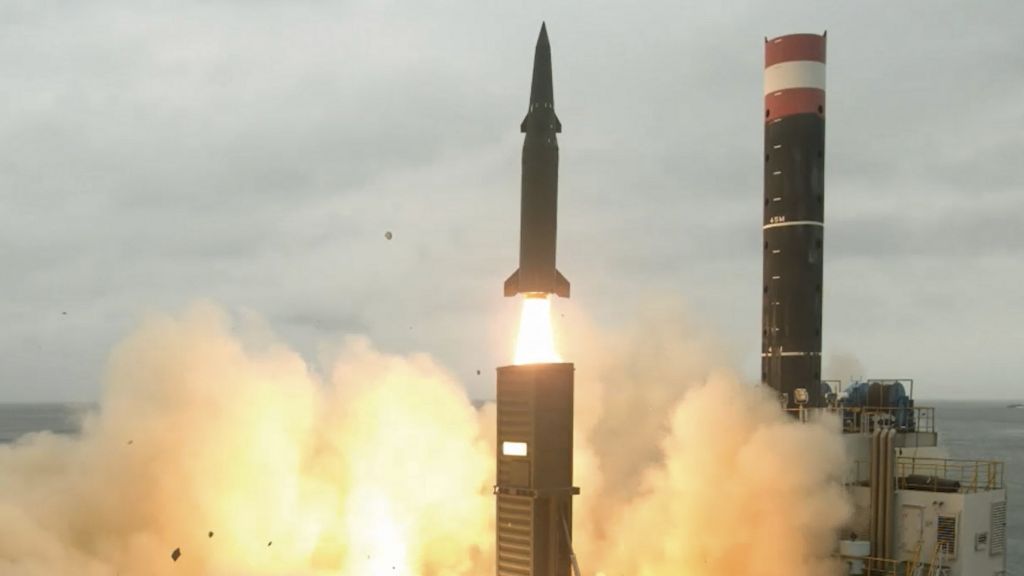
Pyongyang on Sunday triggered global alarm with by far its most powerful test to date, after it claimed it had successfully tested a hydrogen bomb that could be mounted onto a long-range missile, which analysts say is a major advancement in its nuclear program.
“The explosive power of the North’s nuclear test is estimated to be 50 kilotons,” a senior ministry official told lawmakers at an emergency parliamentary briefing.
That would make it five times the size of the North’s previous test in September last year, and more than three times bigger than the US device that destroyed Hiroshima in 1945.
The official did not confirm whether the tested device was a hydrogen bomb but said “a variety of nuclear material” appeared to have been used.
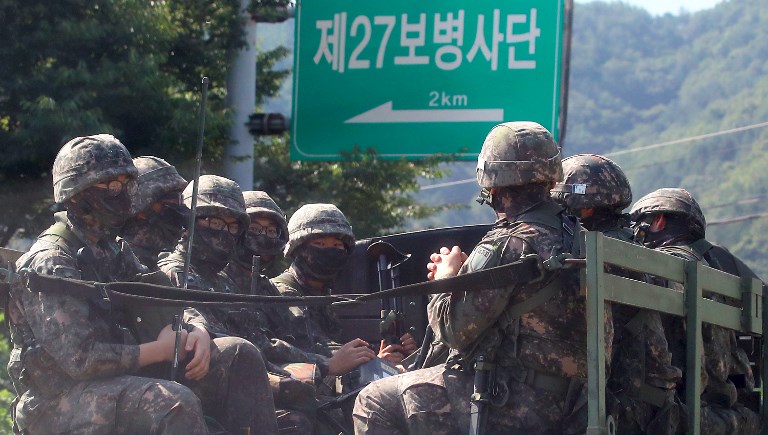
South Korea responded to the nuclear test with live-fire drills off its eastern coast Monday that were meant to simulate an attack on the North’s main nuclear test site.
South Korea’s military said it conducted a live-fire exercise simulating an attack on North Korea’s nuclear test site to “strongly warn” Pyongyang over the latest nuclear test.
Seoul’s Joint Chiefs of Staff said the drill involved F-15 fighter jets and the country’s land-based “Hyunmoo” ballistic missiles and that the released live weapons “accurately struck” a target in the sea off the country’s eastern coast.
The JCS said that the target was set considering the distance to where the North’s test site was and the exercise was aimed at practicing precision strikes and cutting off reinforcements.
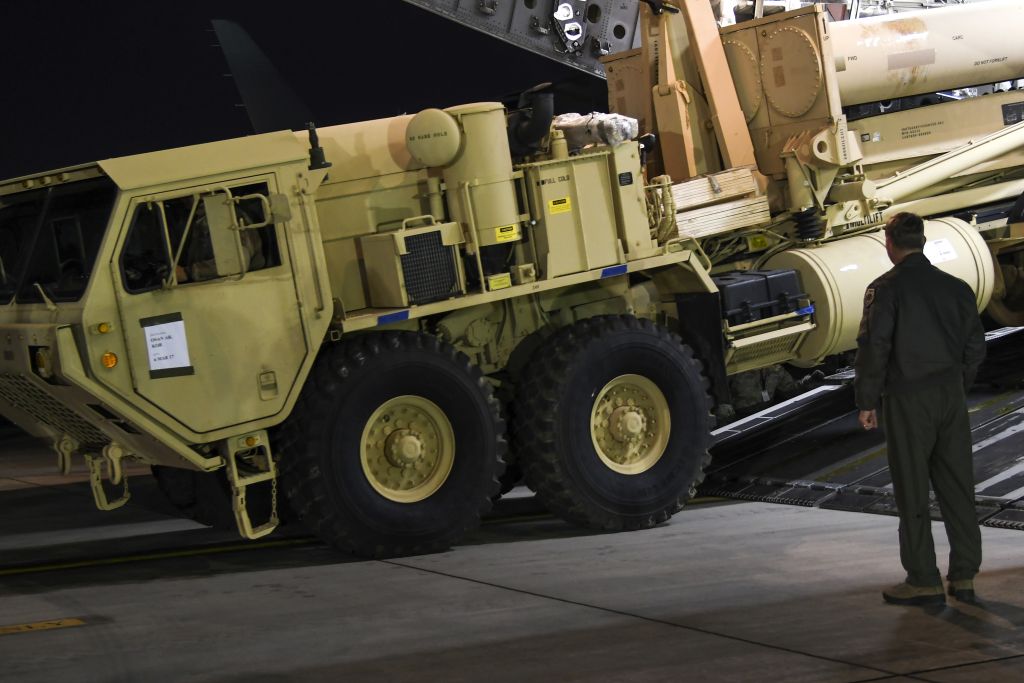
South Korea and the United States will also deploy more anti-missile defenses in response to North Korea’s nuclear test, Seoul’s defense ministry said Monday.
The Terminal High-Altitude Area Defense (THAAD) system already installed in the South has infuriated China, but the ministry said in a statement: “Four remaining launchers will soon be temporarily deployed through consultations between South Korea and the US to counter growing nuclear and missile threats from the North.”








The Times of Israel Community.