

The man who turned a maybe-Mossad hit into a sabra caper
Emmanuel Naccache talks about the making of ‘Kidon,’ a new comic thriller featuring model Bar Refaeli
 Add ToI as a Preferred Source on Google
Jessica Steinberg, The Times of Israel's culture and lifestyles editor, covers the Sabra scene from south to north and back to the center
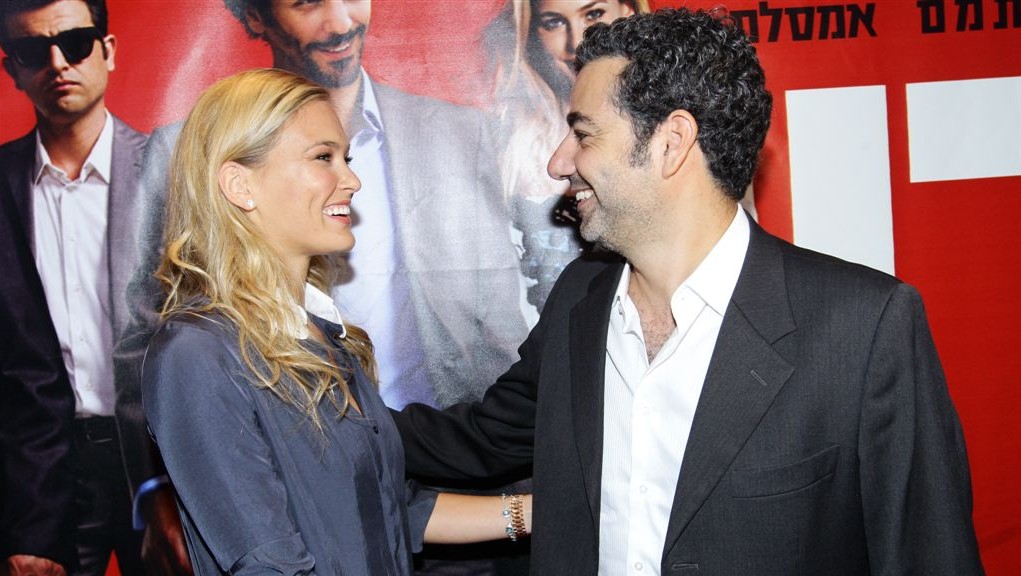
When director Emmanuel Naccache heard about the possible Mossad assassination of Hamas leader Mahmoud al-Mabhouh in a Dubai hotel room in 2010, his first thought was “Ocean’s Eleven.”
Not the 1960s heist film starring the Rat Pack, but the 2001 remake that spawned two sequels featuring cool, con artist characters who used clever schemes to perform their massive robberies.
“When we were seeing pictures of the assassination three years ago, it was clear to me that it was the task of an ‘Ocean’s Eleven’ kind of team,” said Naccache. “I immediately thought, ‘This has to be made into a movie.’”
Fast-forward three years, and “Kidon” — or “Javelin,” as it will probably be called outside Israel — has just hit the local movie theaters. It’s fast-paced and complicated, particularly in its second half, and has some funny moments, particularly for Israeli audiences who will get the insider humor and enjoy identifying where the scenes were filmed.
For Naccache, a French-Israeli filmmaker who moved to Israel 15 years ago and first worked in business development, it was a major accomplishment getting “Kidon” written and onscreen, thus bringing a new genre to local filmmaking.
Naccache sat down with The Times of Israel in between his frequent trips back to Paris.
For a relatively new filmmaker, you got “Kidon” done very fast, in under three years. How did you accomplish that?
I had a sense that I needed to do it fast, so that no one else would do it, like the Ocean’s people, and so that the world wouldn’t forget the story. This was the only thing I was doing for the last three years. And it was relatively easy, because I had French producers and the Israeli actors were interested from the start. They loved the genre.
You have some well-known cast members, including actor Sasson Gabai, comic Tomer Sisley, Amos Tamam (from “Srugim”) and, of course, model Bar Refaeli in her first film role. How did you accomplish that?
I knew I wanted Bar for the film from the start, and it took some time to get to her because she’s busy, and always working. But when she heard about it, she was immediately interested, and came to the film prepared and ready to work like all the other actors. I think she does a convincing job.
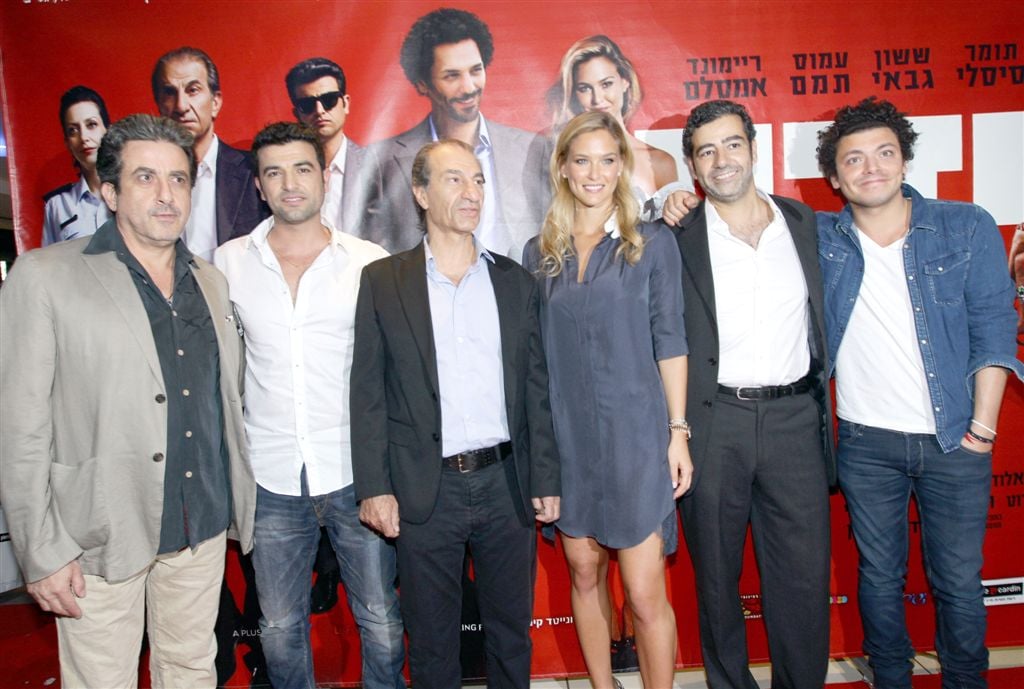
There were also a considerable number of French actors in the film, such as Élodie Hesme and Hippolyte Girardot; how did that shake out on the Eilat set?
I wanted to continue working with some of the actors I worked with on my first film, “The Jerusalem Syndrome,” and that’s becoming my style. They all had a lot of fun — it was really like a kindergarten on the set, probably because many of the actors are comics, first and foremost. And while the topic is tragic, the story is the comic side of the whole experience.
The local reviews have been mostly positive, commenting primarily about finally having a new genre in Israeli film, replete with the comic twists and turns of the “Kidon” caper. Do you think “Kidon” will make it to Europe and the US?
I certainly hope so. It’s coming out in France in February and we’re hoping for distribution worldwide. The truth is, it’s a genre that’s more familiar to the US than Israel.
Now that you’re past the initial introduction of “Kidon,” what’s next?
I’m thinking about that a lot. Now that “Kidon” is in the theaters, I can finally move on, although I am hoping to attend screenings and get to dialogue with audiences. I’m also writing a new film that will be in the same genre, maybe slightly less comical. Of course, every time I start writing a non-comedy, I find myself doing a comedy.
“Kidon” is playing at theaters throughout Israel.







The Times of Israel Community.