

Trump says next phase of his Gaza plan will soon commence amid concern it’s stalling
2 weeks after passage of UN Security Council resolution that was supposed to build on ceasefire, US president insists 2nd phase pertaining to postwar Gaza management will happen
 Add ToI as a Preferred Source on Google
Jacob Magid is The Times of Israel's US bureau chief

US President Donald Trump said Wednesday that the next phase of his Gaza peace plan is “going to happen pretty soon,” amid mounting concern that his proposal has stalled.
Trump managed to coax both Israel and Hamas into a ceasefire agreement in October after rallying the international community around his 20-point plan for ending the Gaza war. The separate October 9 document that was actually signed by the parties, though, only dealt with the points relating to what has been framed as “phase one” — the initial truce, IDF pullback, hostage-prisoner swap terms and humanitarian aid provisions. No formal agreement was reached regarding the “phase two” points that dealt with the postwar management of Gaza.
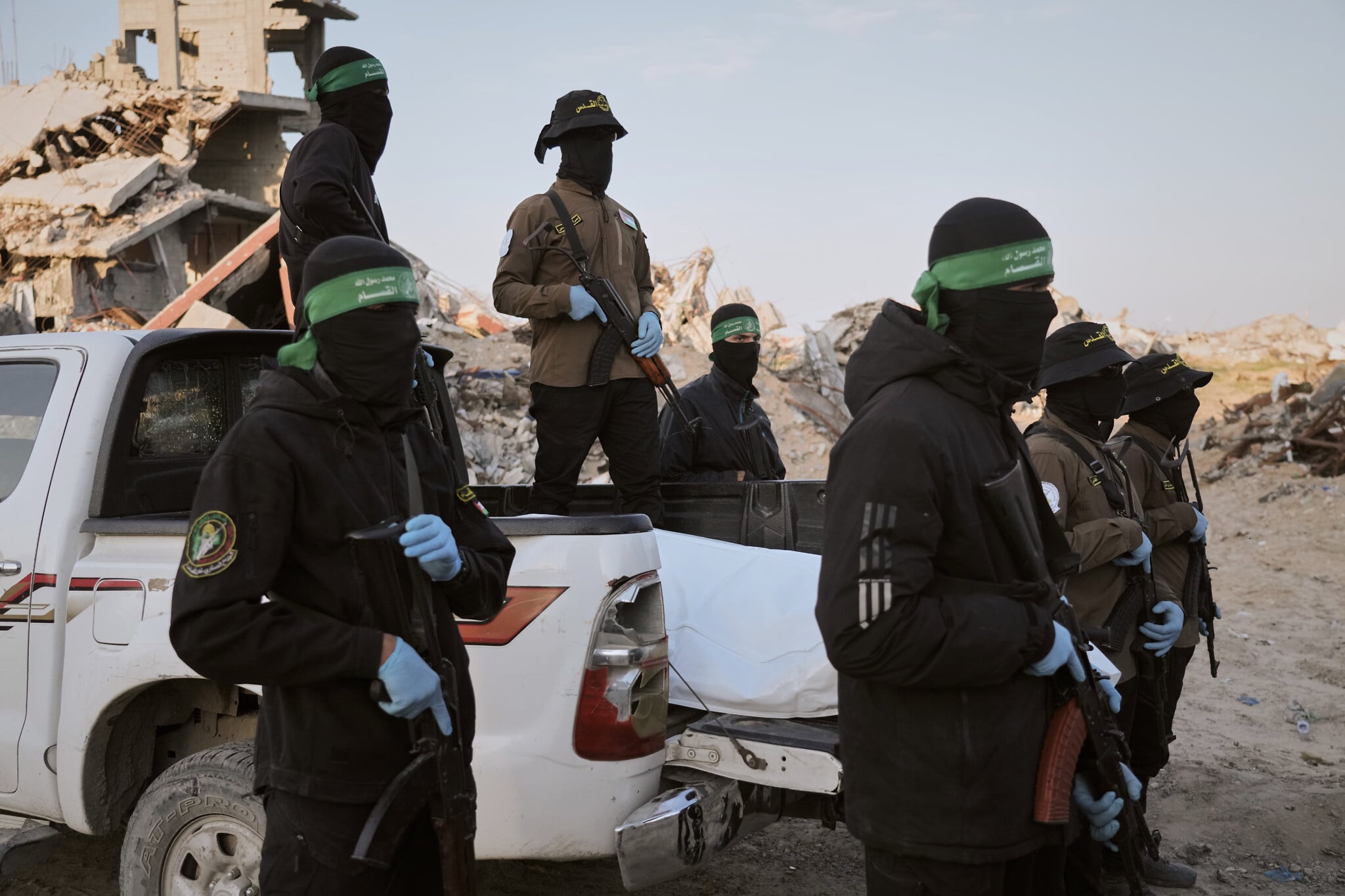
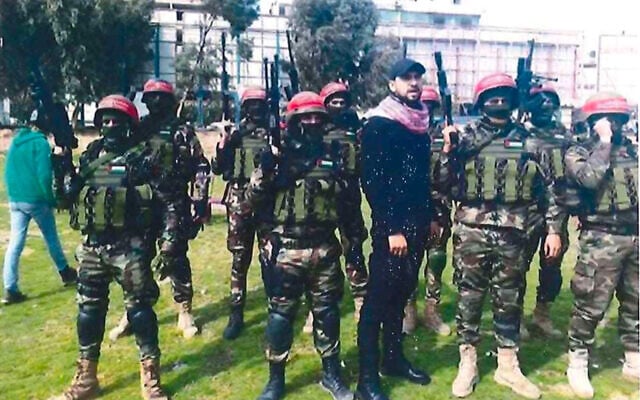
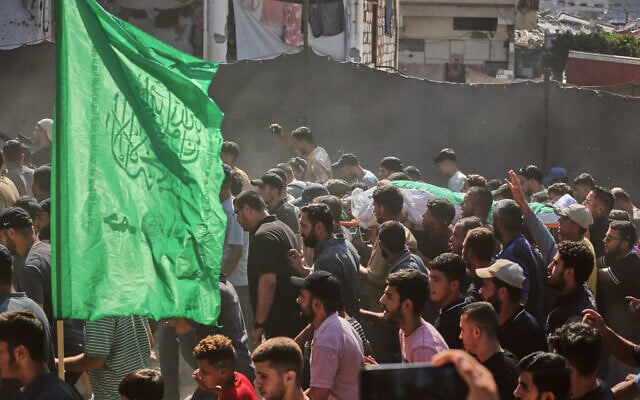
Accordingly, the ceasefire has wobbled from the onset, as Hamas has remained the most dominant Palestinian force in the roughly 50% of Gaza not under IDF control. There have been near-daily, deadly IDF strikes — including on Wednesday — targeting what Israel says are Hamas operatives violating the terms of the ceasefire, though women and children have been among those killed in the bombings.
Asked by a reporter in the Oval Office when phase two will commence, Trump avoided answering directly, saying the process is “going along well.”
“They had a problem today with a bomb that went off — hurt some people pretty badly, probably killed some people,” Trump said, referring to an attack on Israeli troops in Gaza earlier Wednesday. “But it’s going very well. We have peace in the Middle East. People don’t realize it.”
“Phase two is moving along. It’s going to happen pretty soon,” he added. Already on October 14, however, just days into the ceasefire, Trump declared that phase two had already begun.
Trump’s 20-point US plan envisions a Board of Peace headed by himself overseeing the management of Gaza, along with the establishment of an International Stabilization Force that will secure the Strip. The US maintained that it would be able to convince world leaders to join the board and countries to contribute troops to the ISF once it passed a UN Security Council resolution giving both bodies an international mandate to operate.
But over two weeks have passed since the resolution was adopted, and the US has yet to announce any members for the Board of Peace or the ISF.
Countries are skittish about sending troops, fearing they’ll be caught in the middle of Hamas and Israel in Gaza, Arab diplomats have told The Times of Israel.
The crux of the issue stems from Hamas’s refusal to disarm. The US has claimed Hamas’s leaders committed to doing so during a private, 11th-hour meeting with Trump’s top aides hours before the agreement on the ceasefire’s first phase was signed. But the terror group has publicly said otherwise, insisting that it has a right to armed resistance against Israel.
Some countries, such as Indonesia and Azerbaijan, have indicated willingness to contribute troops despite the difficult circumstances in Gaza. However, they have held off on making a formal announcement amid Israel’s refusal to allow Turkey to do the same.
A Middle Eastern diplomat told The Times of Israel on condition of anonymity that countries considering dispatching troops believe that including Turkey in the ISF will provide an insurance policy. Hamas is seen as less likely to open fire on a force that includes troops from Turkey, which is a guarantor of the ceasefire deal and is a sponsor of the terror group.
But Israel has adamantly rejected any role in the ISF for Turkey exactly because of its ties to Hamas and because its president, Recep Tayyip Erdogan, has bitterly criticized Jerusalem and its leadership throughout the war, likening Israel to the Nazis and accusing it of committing genocide in Gaza.
Meanwhile, a US State Department readout of a call Secretary of State Marco Rubio held with his Italian counterpart on Wednesday touted Rome’s “contributions to stabilization and reconstruction efforts in Gaza,” without elaborating what exactly those contributions are.
Last week, Switzerland announced that it would also be contributing to the Trump plan, with $28 million that will go toward humanitarian aid.
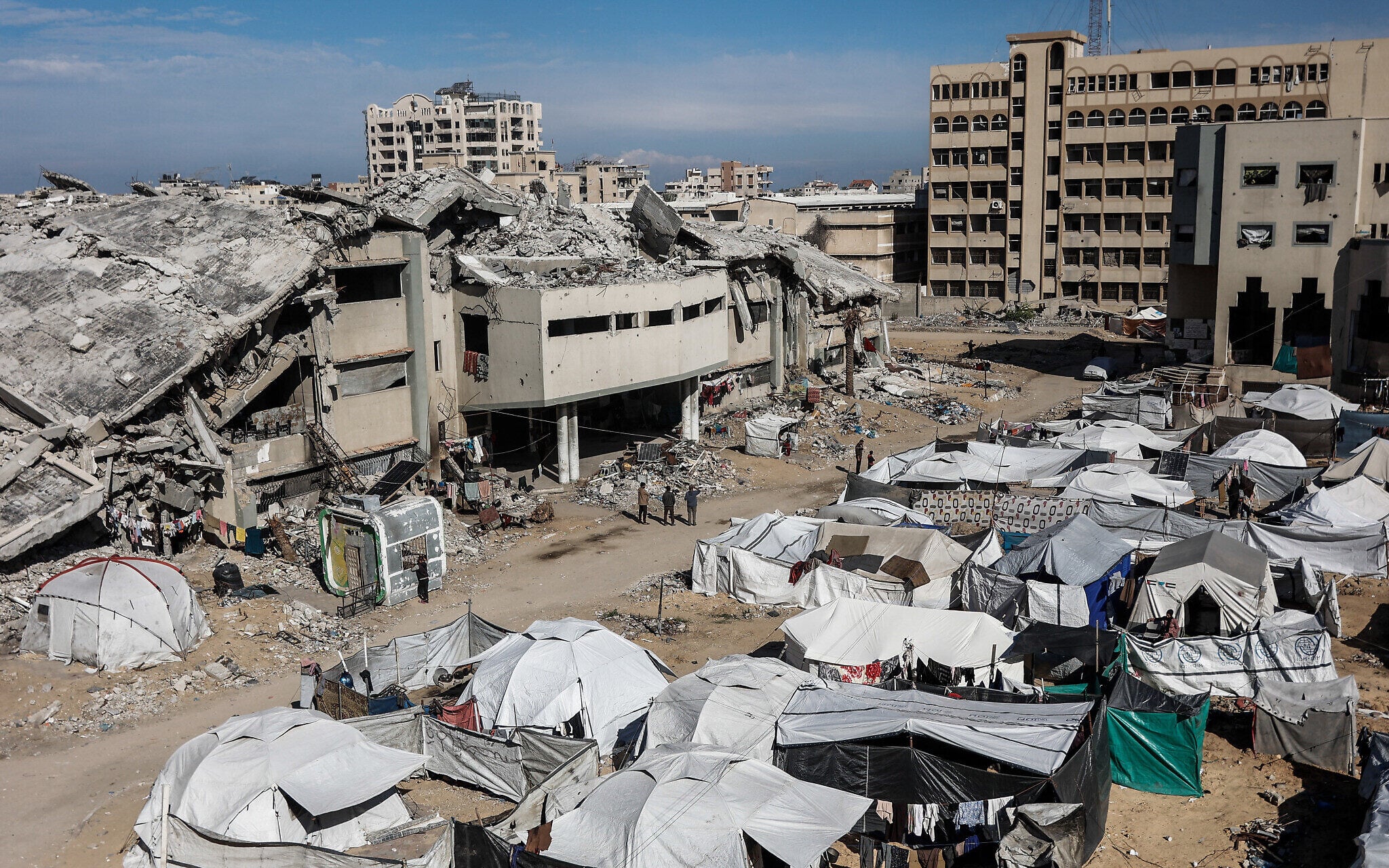
The reconstruction of the Strip has also stalled, as the US is pushing to begin the rebuilding effort on the Israeli-controlled half of the Strip, but faces pushback from Arab allies and other potential donors who fear that doing so will ingrain the status quo of Gaza being divided. More critically, Israel has pushed back on the notion of allowing the reconstruction of Gaza before Hamas has disarmed and has threatened to resume the war if the terror group doesn’t agree to do so soon.
Israel has also insisted that Hamas finish returning the bodies of all remaining hostages as stipulated in phase one of the ceasefire that both sides signed on October 9. On Wednesday, Hamas returned the remains of Thai national Sudthisak Rinthalak, leaving just one body of a hostage still in the Strip — that of police officer Master Sgt. Ran Gvili, who was killed and abducted while battling terrorists in the border community of Alumim on the morning of October 7, 2023.
Another part of Trump’s 20-point plan is the reopening of the Rafah Border Crossing between Gaza and Egypt, which has been closed for the past 10 months.
Israel announced on Wednesday that it will reopen the Rafah Border Crossing in the coming days strictly for the exit of Palestinians from Gaza, but Egyptian officials quickly countered that Cairo would not allow for the crossing to be operated in one direction only, amid fears that Jerusalem is trying to thin out the population in the enclave.


The Times of Israel Community.