

UN rights body condemns Iran’s ‘brutal repression’ of protests, mandates probe
High Commissioner Volker Turk highlights how Iranian forces arrested people inside hospitals; Iran slams ‘politicized’ decision, says it has its own investigative capabilities
 Add ToI as a Preferred Source on Google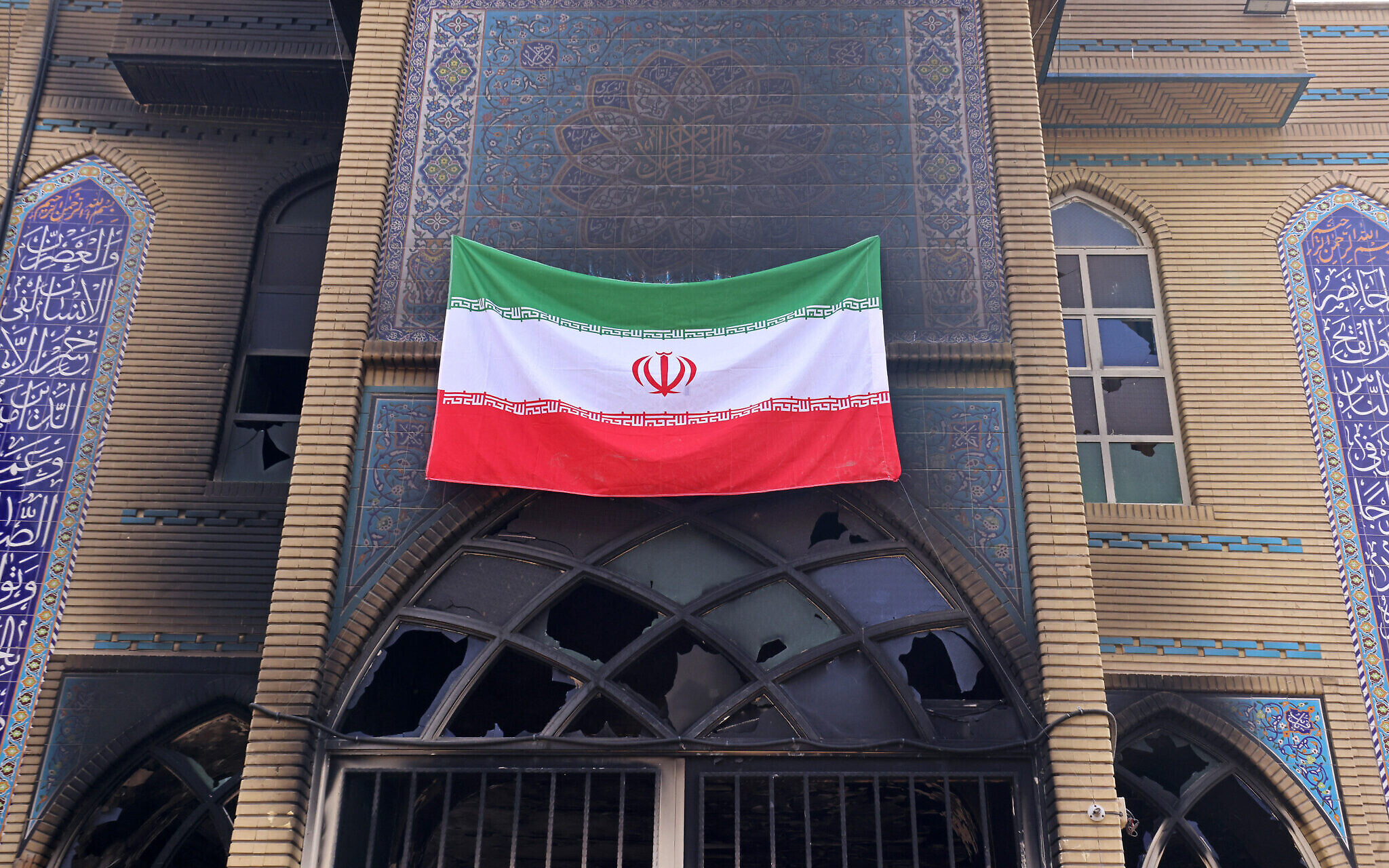
GENEVA, Switzerland (Reuters) — The United Nations rights body condemned Iran on Friday for rights abuses and mandated an investigation into a recent crackdown on anti-government protests that killed thousands of people.
“I call on the Iranian authorities to reconsider, to pull back, and to end their brutal repression,” High Commissioner Volker Turk told an emergency session of the UN Human Rights Council in Geneva, voicing concerns for detainees.
Turk highlighted some of the atrocities and continuing repression.
“We have indications that the security forces made mass arrests in several cities, even pursuing injured people into hospitals, and detaining lawyers, human rights defenders, activists, and ordinary civilians,” Turk said.
“The Tehran Prosecutor’s Office has reportedly opened criminal cases against athletes, actors, people involved in the movie industry, and the owners of cafes, on charges of supporting the protests,” he added
He also noted that the crackdown intensified on January 8, with security forces using live ammunition against demonstrators, resulting in the deaths of “thousands of people, including children,” urging the authorities in Tehran “to reconsider, to pull back, and to end their brutal repression.”
The council passed a motion extending a previous inquiry set up in 2022 so UN investigators could also document the latest unrest “for potential future legal proceedings.”
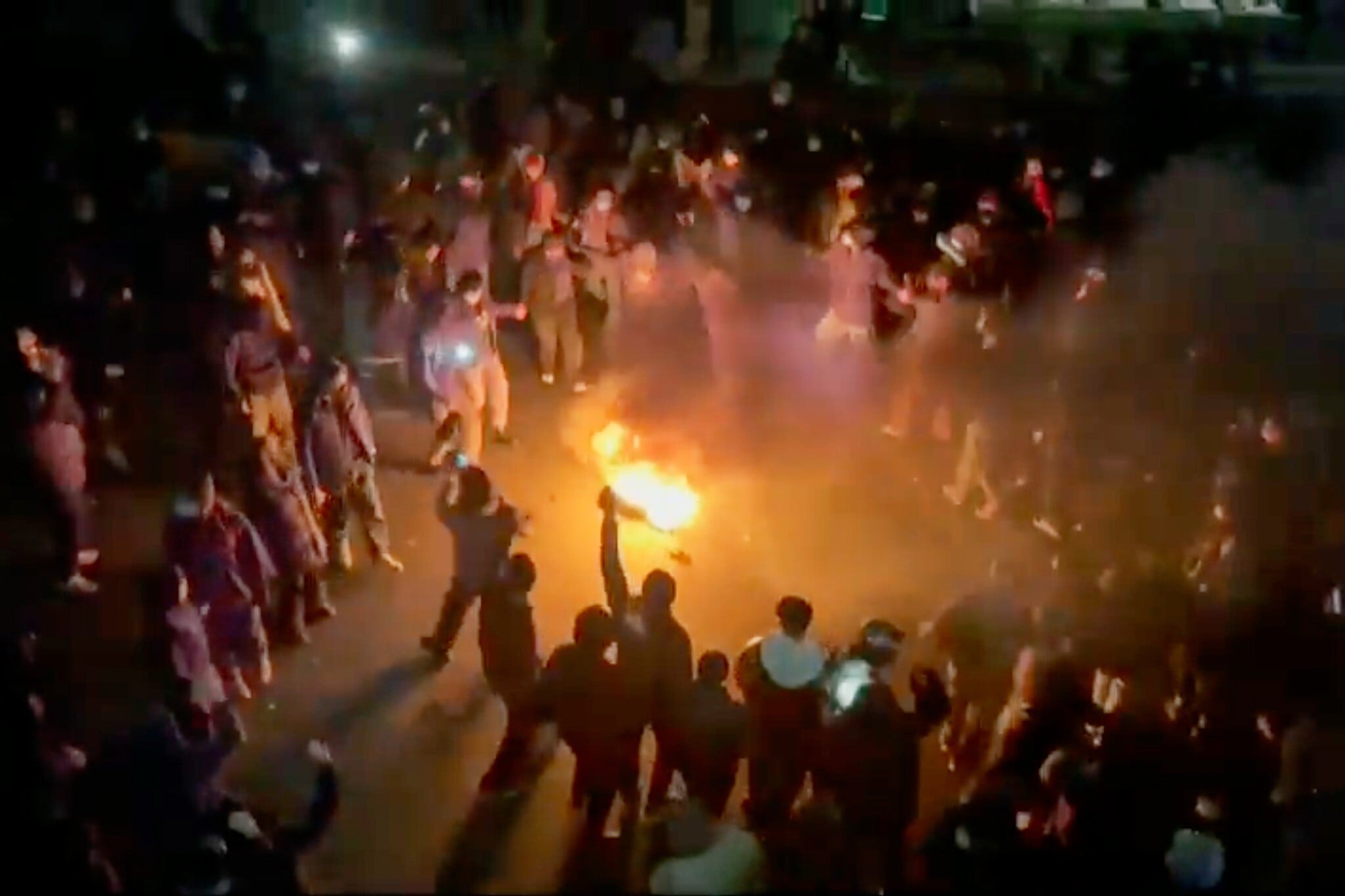
Rights groups say bystanders were among those killed during the biggest crackdown since Shiite Muslim clerics took power in the 1979 revolution. Tehran has blamed “terrorists and rioters” backed by exiled opponents and foreign foes, the US and Israel.
Iran’s mission decried the rights council’s “politicized” resolution and rejected external interference, saying in a statement it had its own independent and robust accountability mechanisms to investigate “the root causes of recent events.”
Twenty-five states, including France, Mexico and South Korea voted in favor, while seven, including China and India voted against and 14 abstained.
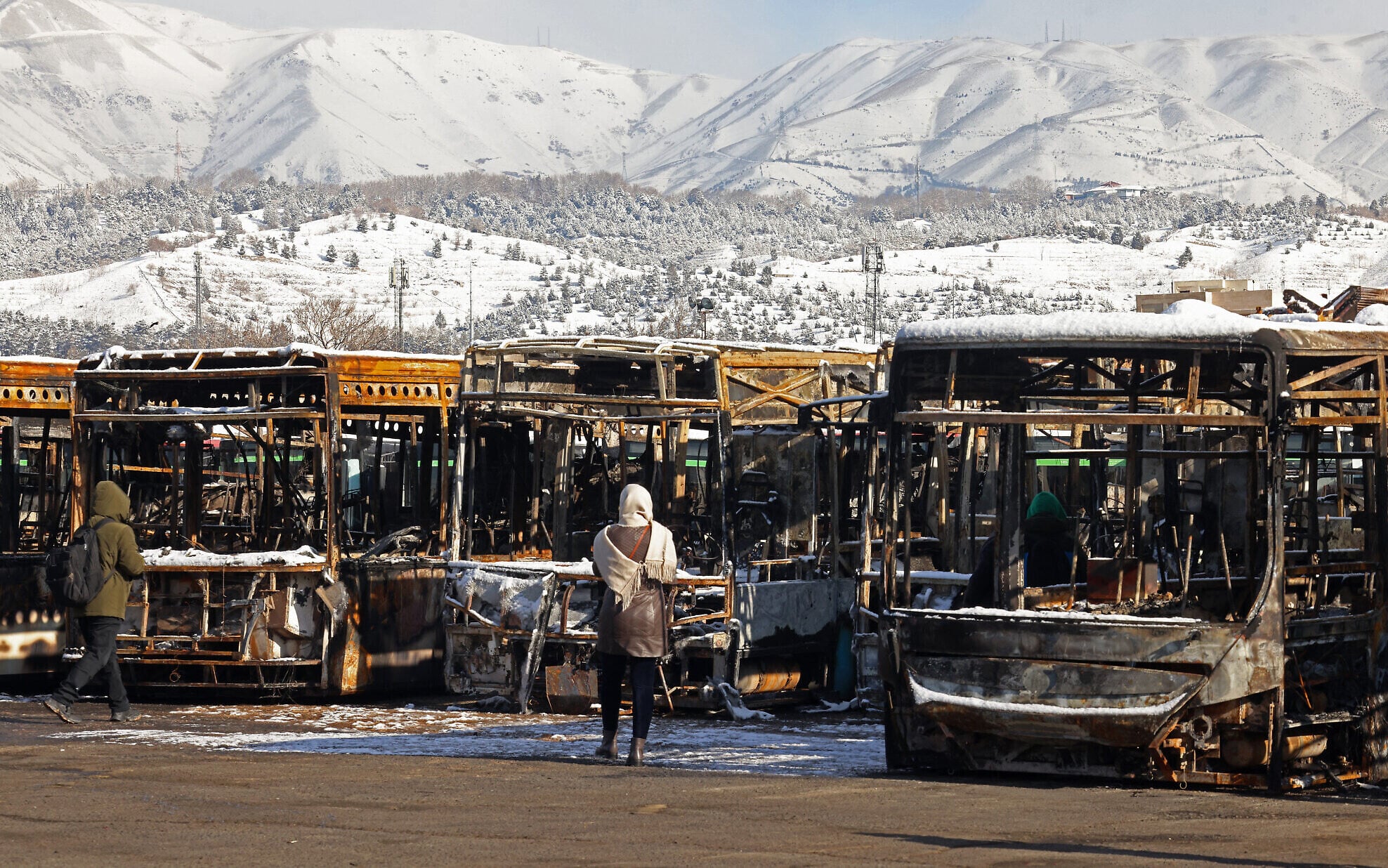
“This is the worst mass murder in the contemporary history of Iran,” Payam Akhavan, a former UN prosecutor of Iranian-Canadian nationality, told the meeting.
He called for a “Nuremberg moment,” referring to the international criminal trials of Nazi leaders following World War Two.
Iran’s ambassador to the UN in Geneva, Ali Bahreini, told the Council its emergency session was invalid and gave Tehran’s tally of some 3,000 people killed in the unrest.
One Iranian official, however, has told Reuters that at least 5,000 people, including 500 members of the security forces, had been killed.
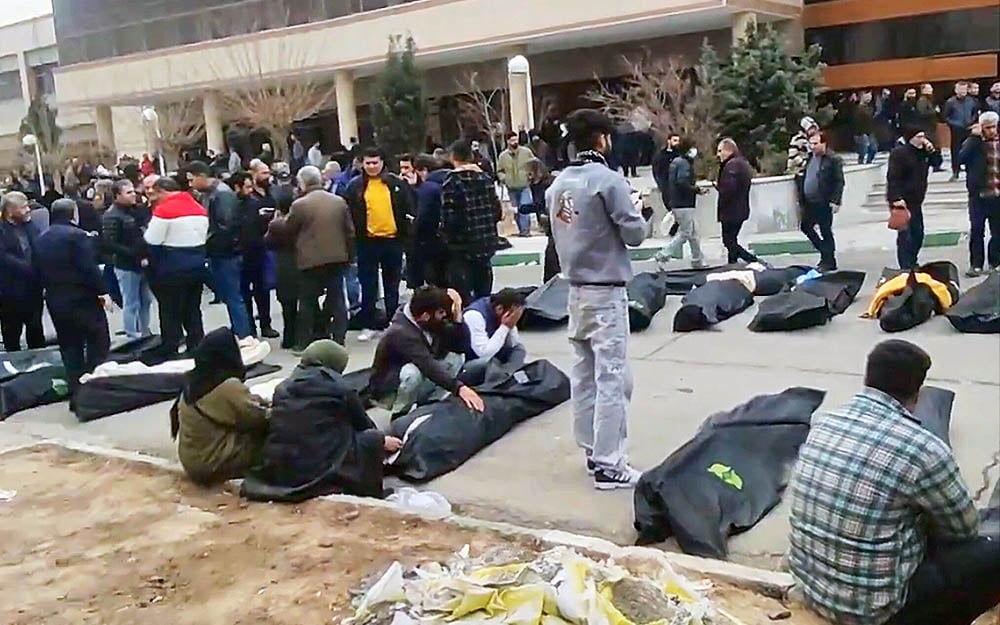
The US-based HRANA rights group said it has so far verified 4,519 unrest-linked deaths and had 9,049 additional deaths under review.
China, Pakistan, Cuba and Ethiopia also questioned the utility of the rights session, with Beijing’s ambassador Jia Guide calling the unrest in Iran “a matter of internal affairs.”
It was unclear who would cover the costs of the extended UN inquiry amid a funding crisis that has stalled other probes.





The Times of Israel Community.