
 Add ToI as a Preferred Source on Google
This is part of a series, “Uprooted.” Each column is a curated monologue from an individual among the tens of thousands of internally displaced Israelis during the war with Hamas who were evacuated from the country’s northern border and the Gaza envelope.
I have two enlisted sons. Uri, my younger son, 22, is in active service and is supposed to get out in April. Gil, 30, was called up for reserves. Guy, Gil’s twin, lives in Tel Aviv.
Tomorrow, Uri is coming “home” for a few days after three months in the south, most of which were in Gaza. Since the war broke out, he has been out once for 24 hours, and one other time we met in an assembly area. But there is no “home,” there is no Matzuva, and I don’t want to bring him to a hotel and let him sleep on a mattress on the floor in our room because that is what we were offered.
We asked politely in advance for another room for Uri. They told us we would get a room if one was available. People left throughout the week, other families came in, things move. When we asked again, we were told there were no rooms. Where do evacuated soldiers go? To a mattress on the floor in their parents’ room after long weeks in muddy Gaza? Why isn’t the country taking care of them?
Saturday, October 7
I woke up at 7:30 a.m., made coffee, sat in the kitchen, read a book, scrolled through my phone, and realized that something big and awful was happening. I woke Tamir, my husband, and told him, “Things are happening, I don’t know what to do, we need to wake Uri [who serves in the IDF’s Nahal reconnaissance unit].”
That Saturday, Uri’s whole team was on the border in the Sufa outpost, where they battled. On Thursday, October 5, Uri was supposed to return to Sufa, but he had left his vest in a different place from where he’d been sent.
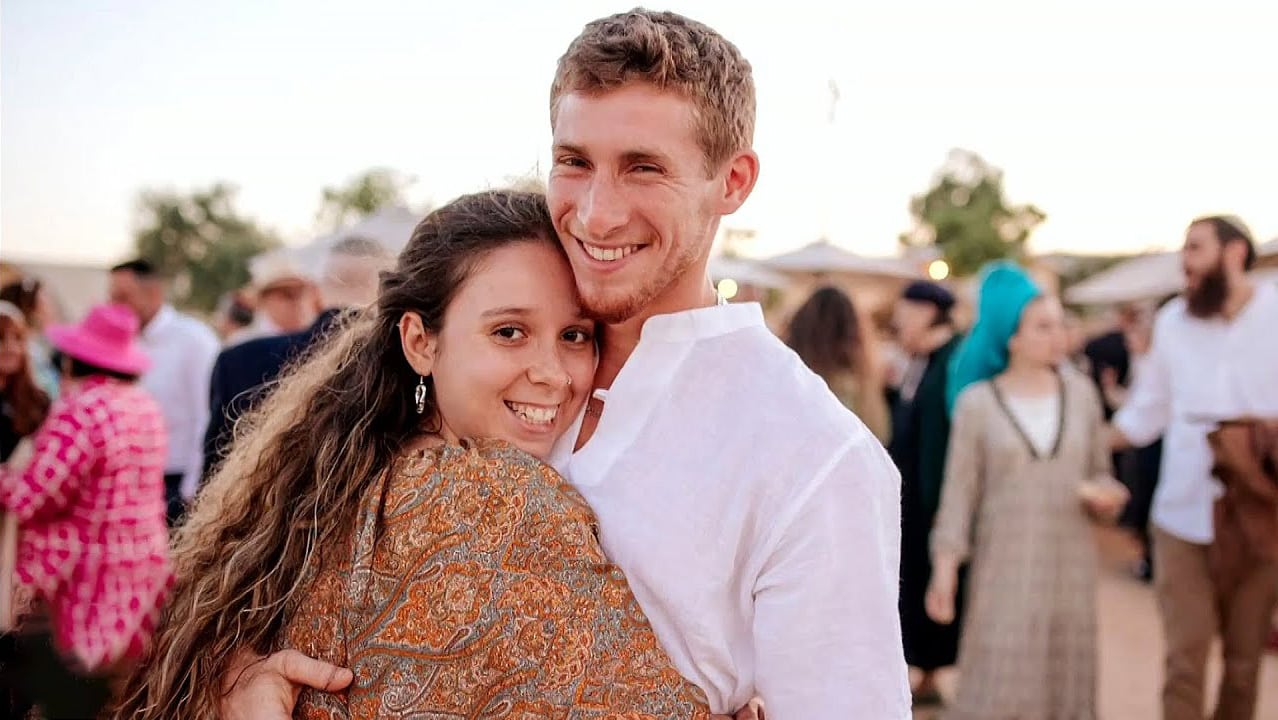
He went to pick up the vest, continued on to Tel Aviv, and phoned his company commander to tell him that the bus to Sufa would arrive late and ask him what to do. The commander told him to go home and come back on Sunday. On Saturday, the commander, Maj. Roi Chapel, was killed.
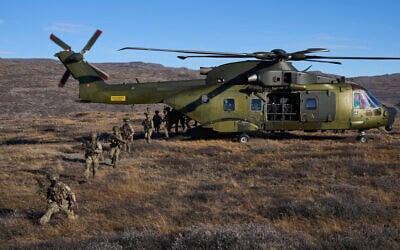
Uri woke up, jumped out of bed, and, of course, didn’t know the scope of the situation at the outpost. I gathered all his clothes and equipment in the house, he put them in a massive bag, and I didn’t know when I would next see him. It was only on Wednesday when he called that I understood where he was. As far as I was concerned, he was in the “south.”
He said to me, “Finally the place is clean.” I asked what that meant and he said, “Clean of bodies and blood, but the smell remains.” He also said, “We shot and killed terrorists,” and I thought, “Who’s ‘we’? Someone? The army?” I didn’t dare ask.
In the parents’ group, we also talked about Aner Shapira, who was part of Uri’s team, who was out of the army for the weekend and went to the Supernova festival. They said he protected people with his body and was killed.
The first few days were confusing. It hurt me that my child had to experience loss. I thought I should call him and say, “Sorry. I’m sorry I brought you into such a cruel world. Sorry, I apologize. I’m sorry for what you have to go through. I’m sorry for the pain and the grief, and I’m sorry I cannot help.”
On Saturday, October 14, they moved to an assembly area ahead of entering Gaza.
Sunday, October 8
We got a message from the regional council — and not the state — to evacuate, and buses arrived. I decided I was evacuating independently.
I took my dog Luka, a bag with two shirts and two pairs of pants, toiletries and creams, and my work computer because I realized this wouldn’t be only two days. I said goodbye to Tamir, who didn’t want to evacuate initially, and wrote to my brother, who is also called Tamir and lives in Tirat HaCarmel, “I’m on the way!”
I lived with my brother for two and a half weeks. It was good for me. Luka was with me. I had a room and could work, and every time I was choked up by the news, the worry, and the heartache, I went for a walk with Luka. My brother was very sweet for giving me a home and his room.
Why didn’t your husband want to evacuate?
He didn’t feel like it. He didn’t feel threatened. On Saturday, I forced him to lock the garden gate. The keys were rusty because we never used them so he changed the cylinder.
There is another gate without a cylinder, so I locked it with zip ties, took a photo, and sent it to the boys. They laughed and said my talents were being wasted at my job and I should work for the security services. Somehow, it gave me a feeling of safety.
In the early days, only towns up to two kilometers (1.2 miles) from the border were evacuated, and on October 20, the government decided to also evacuate the towns up to five kilometers (three miles) away. Most of them were evacuated to a hotel near the Sea of Galilee, and people with no young children were offered a hotel in Tel Aviv. I didn’t want to go there because of parking difficulties and sirens.
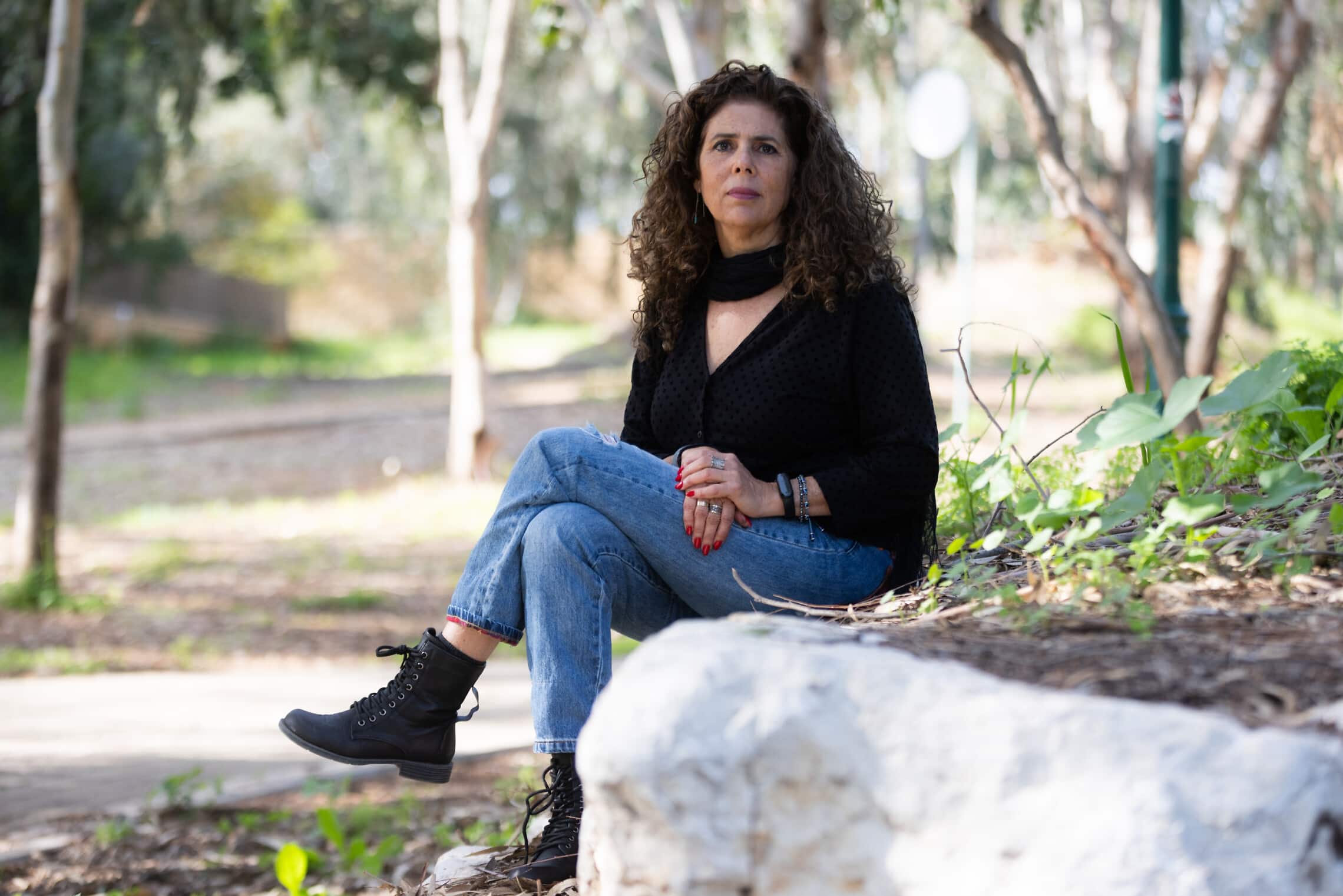
I heard there was an option for a room in the Carmel Forest Hotel and thought, “Wow, if I’m going to evacuate, then at least it will be in style.”
A hotel is not home
On October 24, we got a room in the Carmel Forest Hotel, and we’ve been there since. Every now and then I go to my brother, who has adopted Luka in addition to his own dog in the meantime, because dogs aren’t allowed in the hotel. I have “visitation rights.” I come and take her for a walk two or three times a week. She’s already 13 and she’s not entirely healthy. I feel like she’s getting old and having a hard time.
The hotel room has an armchair, a bed, and a round table. It’s nice for a holiday but not really for living. The hotel staff are wonderful and they treat us excellently, but the hotel is intended for couples in love with dim lighting and a romantic atmosphere. It’s not really home.
You buy bottles of water and debate whether to drag them all to the room and only take one in the end. You think it’s temporary and you’ll be back soon, so why schlep them all? But the time drags on and you go and buy face cream and feel like you’re in a gilded cage.
You get home from work tired and go to your room to shower. You really want to wear pajamas but you’re hungry and have to get dressed — including a bra — and look put together to go down to the dining room.
In the dining room, you have to communicate with people because you cannot seem sulky. Sometimes you escape to a corner table and sit with your back to the room. The people are lovely. Like me, they too are looking for a corner to sit in with their backs to the world.
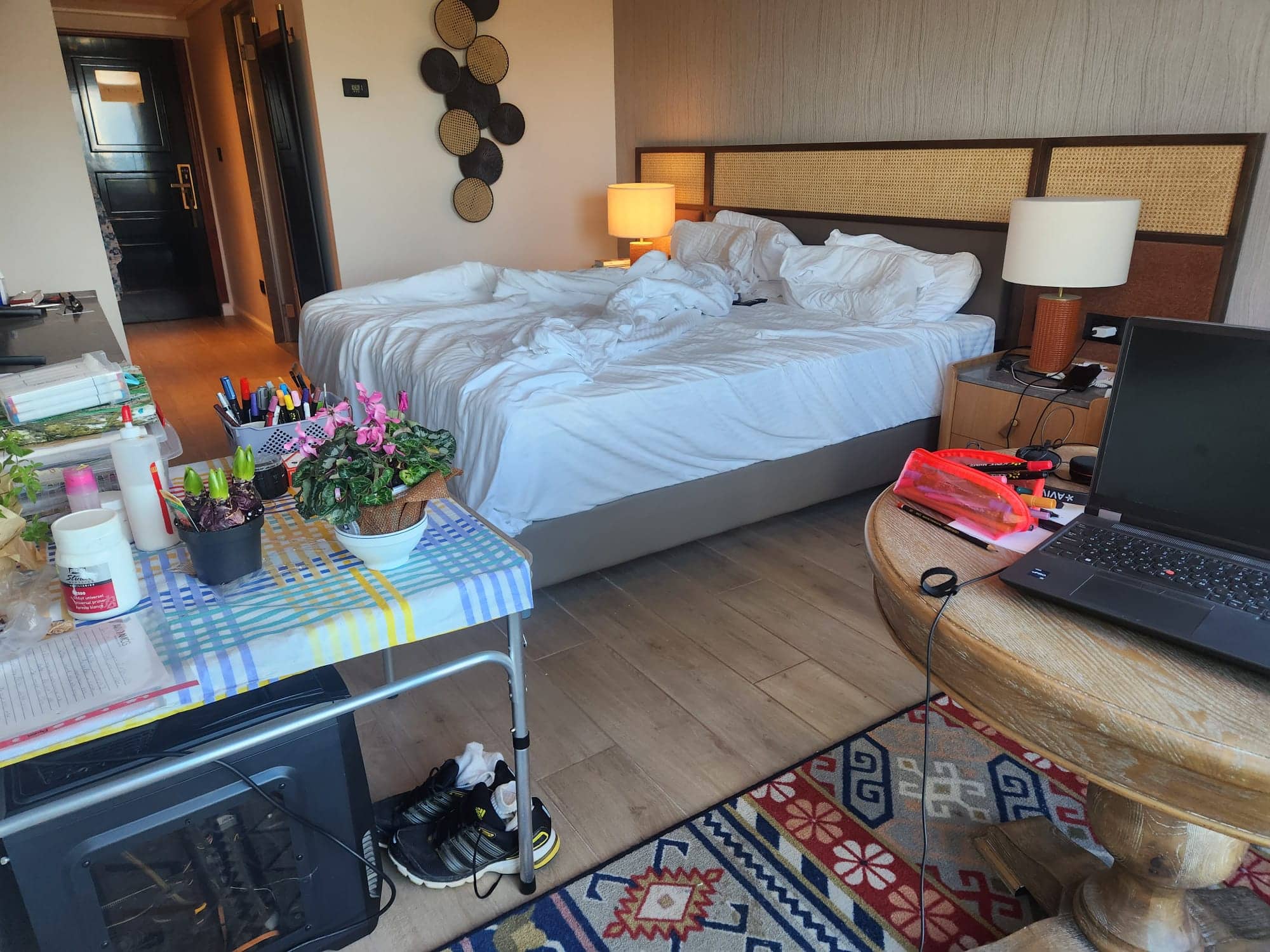
There’s a large gap between what you feel inside and the hotel’s decor. Everything is intense. You don’t have a single moment alone. At home, you can close the door, make something to eat, and lounge around watching Reality TV. At the hotel, at the end of a busy day, you go to your room and your partner likes watching the news and it fills you with rage.
You get a phone call from a friend. You want to share what you’re feeling with her. The hotel room is small, there is no living room, it’s cold on the balcony, the lobby is busy, and your husband is lounging on the bed in front of a screen. You can exchange recipes with her and schedule later calls. You cannot tell her what you’re really going through.
People ask me where I was evacuated. When I say the Carmel Forest Hotel, they smile as if it’s the cherry on top of a pile of crap. In any other situation, it really would be a cherry, but not in this one. I’m evacuated from home, my son is in Gaza, another son is called up, Luka isn’t with us, and this cherry is not really a cherry and I’m tired of apologizing for it.
Last week, Tamir had terrible flu. You have no choice but to sleep in the same bed with him while he’s sick and you have nowhere to go. You have no privacy. I would go downstairs and bring him soup, but you’re limited to the hotel’s meal times and have no place to cook.
If it were up to me, I would leave the hotel and sublet an apartment in Tel Aviv and then another one somewhere else. Wander around a bit. People who didn’t evacuate to a hotel get NIS 200 ($55) a day each from the state.
But Tamir is a grounded person. He doesn’t like to wander or have adventures. Our arrangement in the hotel is comfortable for him, but it’s suffocating me. The drive to the hotel at night is in total darkness. There is no reception, the road is full of signs warning of falling stones, and there are no shoulders. At first, I couldn’t breathe the whole way but then I got used to it.
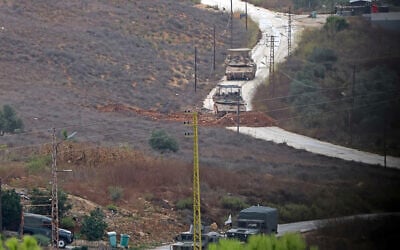
Two weeks after the evacuation, I returned to Matzuva to water some plants. I slept in the bomb shelter. There were sirens and explosions, but what scared me was terrorist infiltrations. The area is a military zone. There’s an IDF checkpoint and then Moshav Avdon. They ask me who I am and where I’m going. Sometimes they close the lane and you cannot get through.
There are soldiers, and sometimes tanks, in the kibbutz, and the gate is closed. The kibbutz looks abandoned and full of desolation. I felt like a trespasser.
Before Uri went into Gaza on November 4, Gil knew he was supposed to go in but didn’t know exactly when, or where Uri would be. He knew more or less which area and went looking. And then he arrived and heard Uri’s team shouting. He didn’t have to look far.
Think about Uri and how he must have felt when his big brother suddenly showed up out of nowhere and what pain Gil must have felt seeing his little brother get into a Hummer and ride into the unknown in Gaza.
What do you miss most?
Freedom. The feeling that I can make decisions for myself. If I were asked to define who I am, I would say glue. I bring people together, arrange meetings, meals, and activities. I alternate between my mother’s family, Tamir’s family, and my friends. I announce a date, time, and place and everyone comes and is happy and says that if I hadn’t arranged it, they never would have gathered.
I have a group of six friends from different times, all of whom met through me. I write to them, “7:00 a.m. at the beach,” and it’s enough if only one shows up. I always initiate, and no one has to apologize if she cannot come. Now I don’t have anywhere to host them.
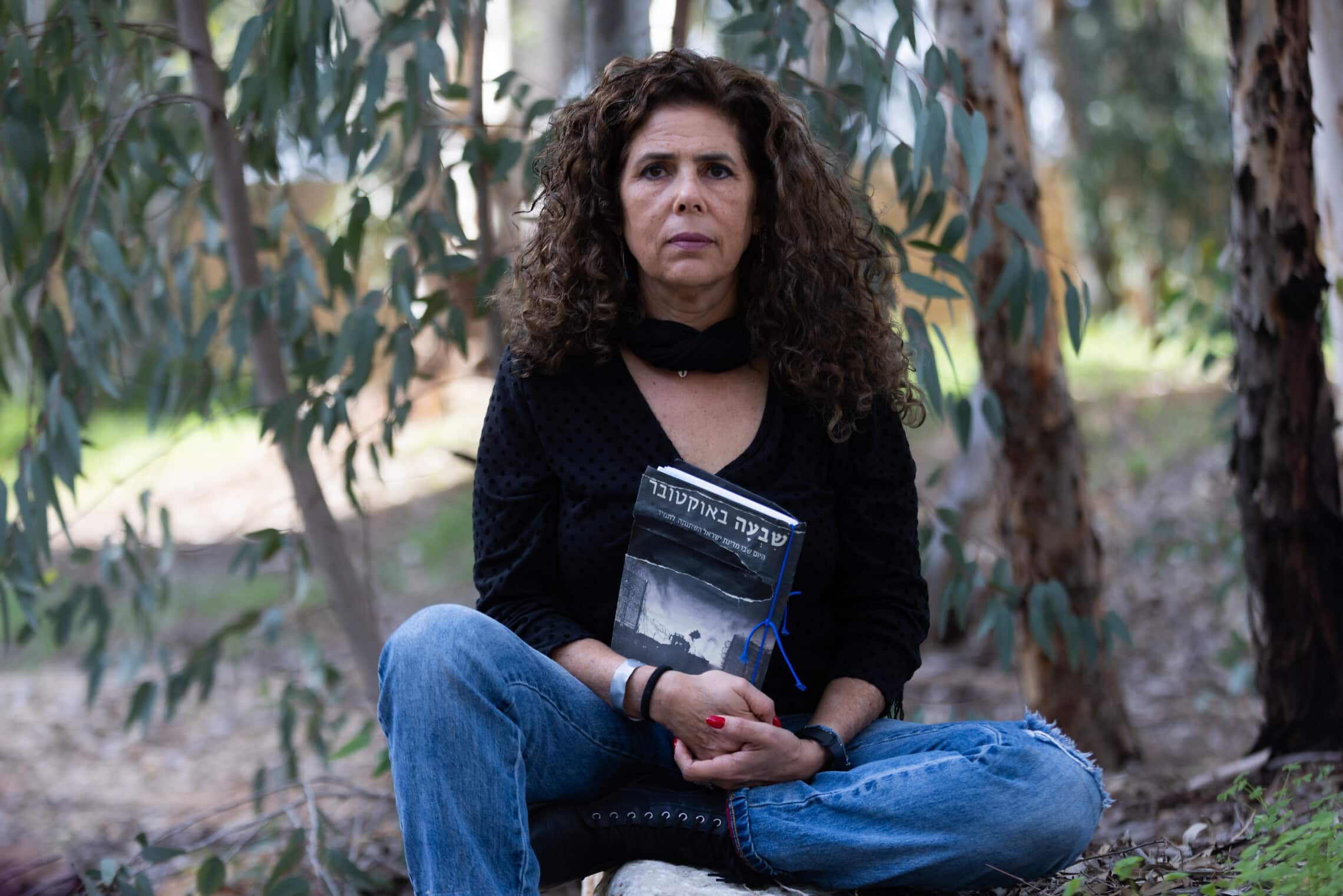
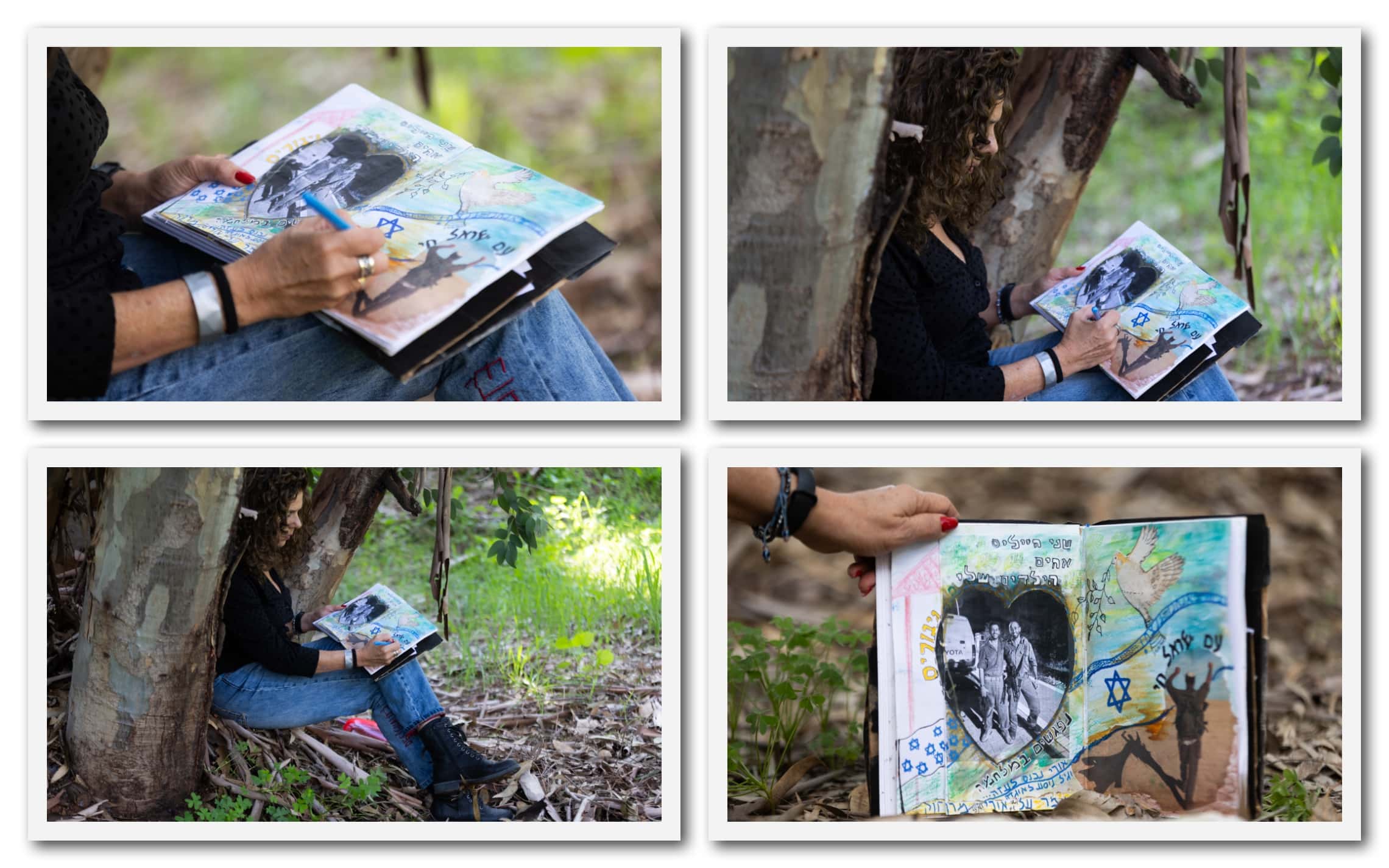
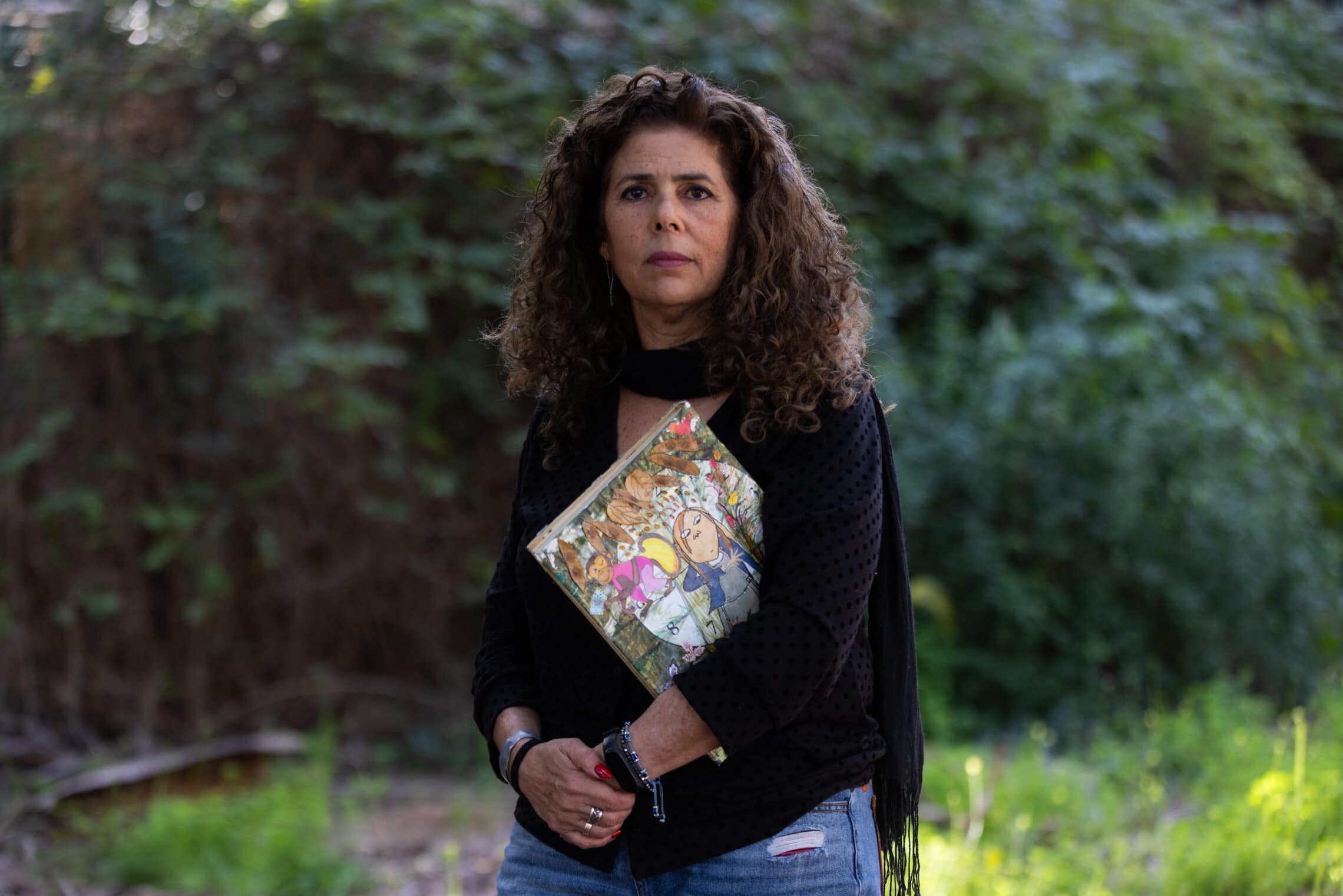
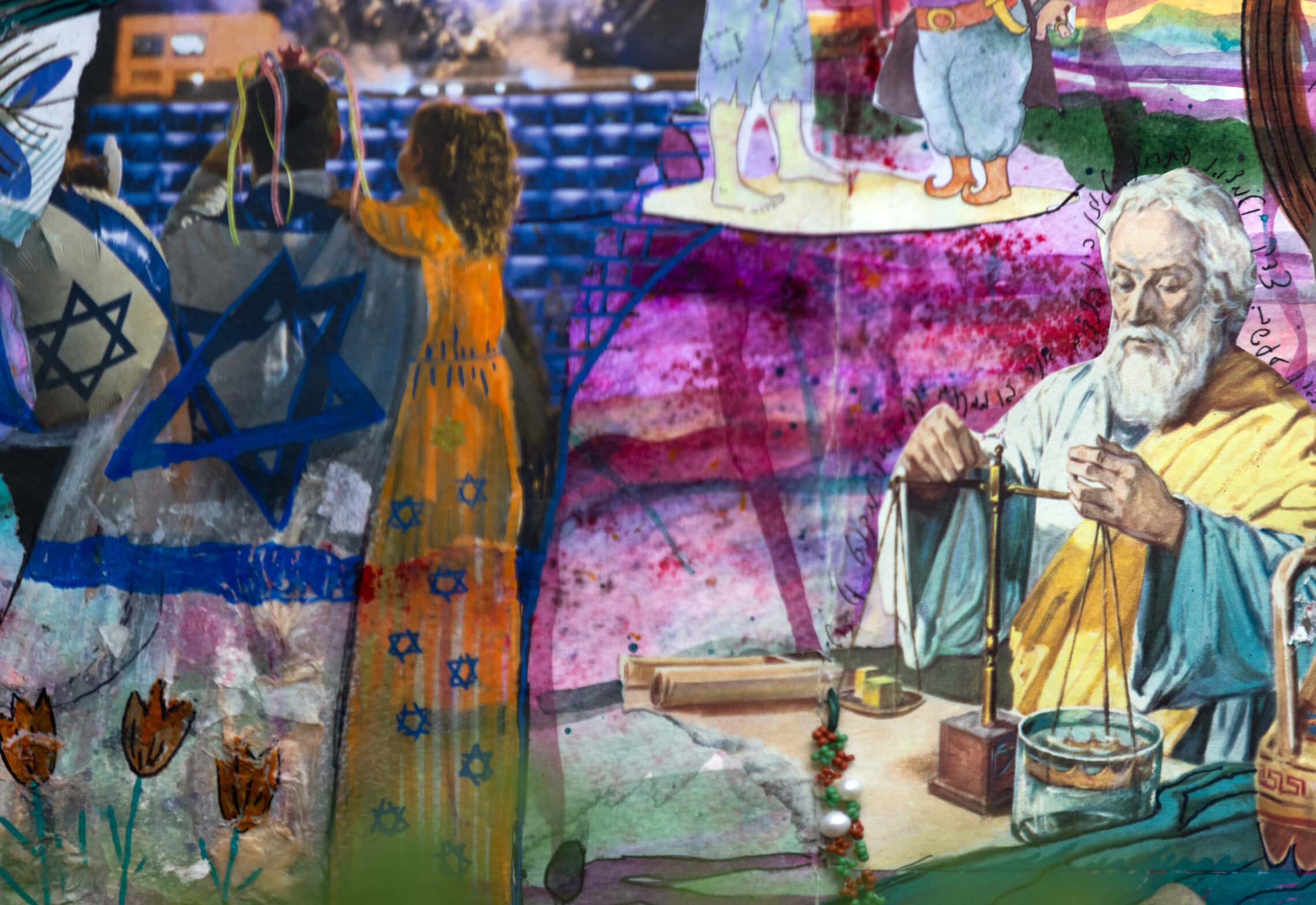
For the last few years, I’ve taken part in a group called “Visual Diary” led by Iris Gal and Rakefet Hadar. We create a diary that connects images and text. I make mine with watercolors, magazine cuttings, and newspapers, and in the end, I have a collage to which I add text that I cut out from newspaper headlines or something longer that I write.
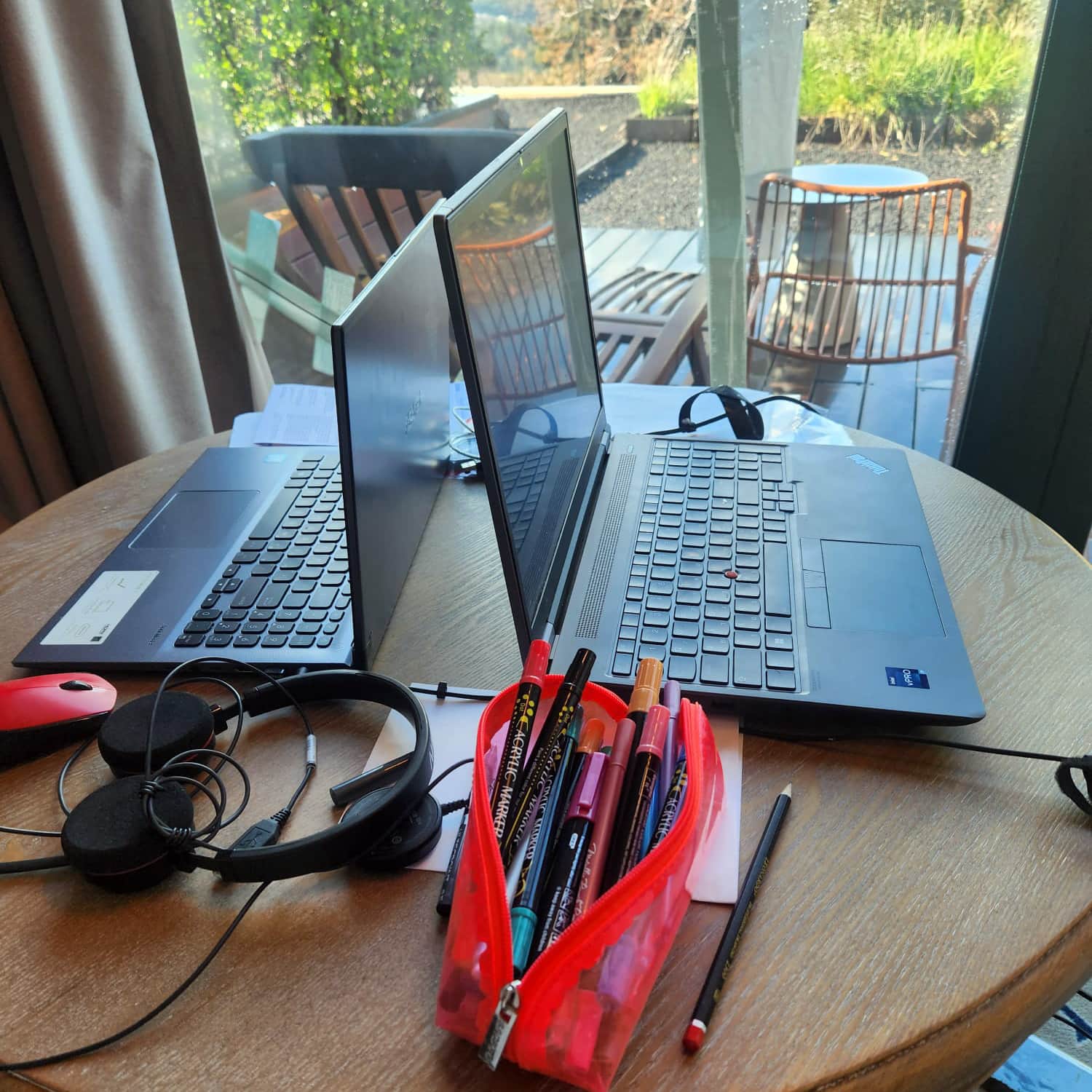
The paper always soaks up your anger, concerns, and hopes. My room in the hotel is full of paints, pens, and art materials. My home in Matzuva is full of my work. Next to my bed I always have books.
Right now, I’m reading “The Sweetness of Forgetting,” by Kristin Harmel. I chose the book because of its title. I thought that someone should invent a pill that could make you forget what happened, and I think the book is so fitting to this time because it’s about life before the Holocaust. It’s about how people warned of what was happening and the death camps and no one believed them. Our leaders thought it was made up even if something similar had happened before. The soldiers alerted their superiors about Hamas’s impending attack, people knew, and no one believed the warnings.
Luckily, I have my knitting, macrame, visual diary, and books. Art is my haven. But when I return to the room at the end of the day and hear the news, it takes away my energy for creating.
There’s a dissonance inside me. When I see soldiers’ funerals and hear stories of war and heroism, it’s difficult for me to contain them. I’m shaken. And then Tamir wants to change the channel and even though I’m shaken, I ask him not to. It’s the least I can do for the fallen. Look at them.
February 2, 2024
Tomorrow, Uri is meant to come out for five days and I know he’ll want to see his friends and play his guitar. That’s what he most likes to do. He plays his guitar, draws, and writes. He also likes to surf and ride his skateboard. He has a life.
It angers me that he doesn’t have somewhere to go with privacy. The mattress issue angers me. I want him to enjoy his break. The last time he came out since October 7, we felt like police officers who were clearing the way so that he could have time to fulfill his dreams in the limited hours he was given.
At the beginning of the war, we gave Gil one of our cars. His reserve duty demands him to be mobile and he didn’t have anywhere to store his stuff. When he goes on breaks, he stays with his twin, friends, or family in Petah Tikva. He doesn’t really have a place right now, he’s a nomad. The car is now his home.
Tamir and I are now left with one car, and when I go to work, Tamir doesn’t have any way to leave the hotel. Tomorrow, when Uri comes home, we’ll give him the second car. His clothes are in the trunk. It all feels strange.
What do you think about what happened?
Tamir and I differ in our political opinions. He watches Channel 14, which is a right-wing channel, and I don’t want to be exposed to poison and stupidity.
I cannot stand this extortionist government that worries about coalition funds during a war. Everything is corrupt and it makes me sick. Everyone extorts what they can and the really important things don’t get budgeted.
Why did October 7 happen? Because they’re focused on themselves and their obsession with the judicial reform. Maybe some things needed changing but when there was so much opposition, they should have stopped and listened without forcing it and without water canons.
They used force to crush moral people, they said doctors were idiots and pilots were stupid traitors who don’t understand anything, and that pains me.
I’m also pained by the ultra-Orthodox extortionism, especially when my son is in Gaza and they continue to be funded without taking part in the burden. We’re being held hostage by this government. Is this really what needed to happen for the reform to stop? Why are soldiers still in Gaza? When will this end? And where the hell are the hostages?

The Times of Israel Community.