
 Add ToI as a Preferred Source on Google
This is part of a series, “Uprooted.” Each column is a curated monologue from an individual among the tens of thousands of internally displaced Israelis during the war with Hamas who were evacuated from the country’s northern border and the Gaza envelope. This interview was originally published in Hebrew on May 13, 2024.
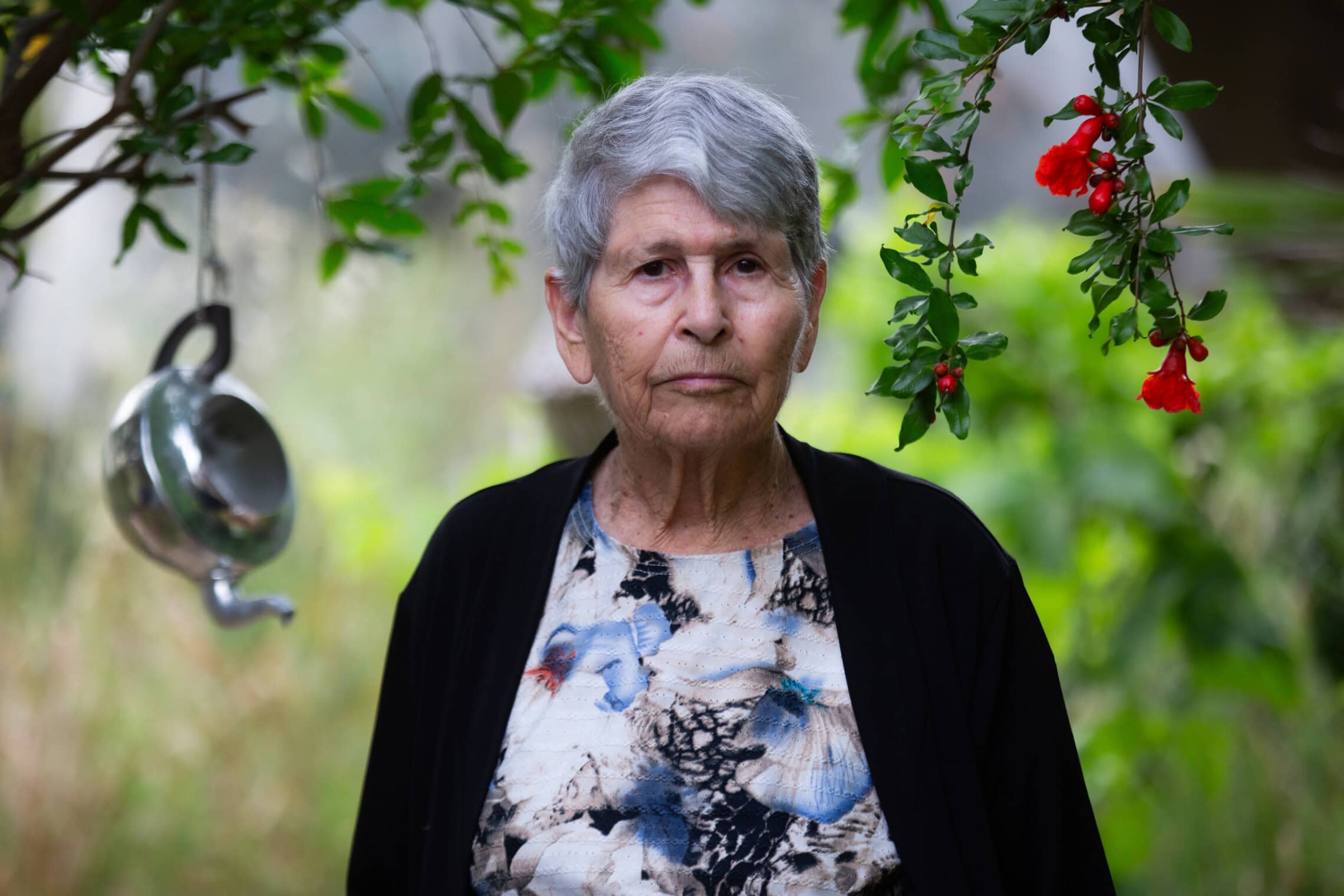
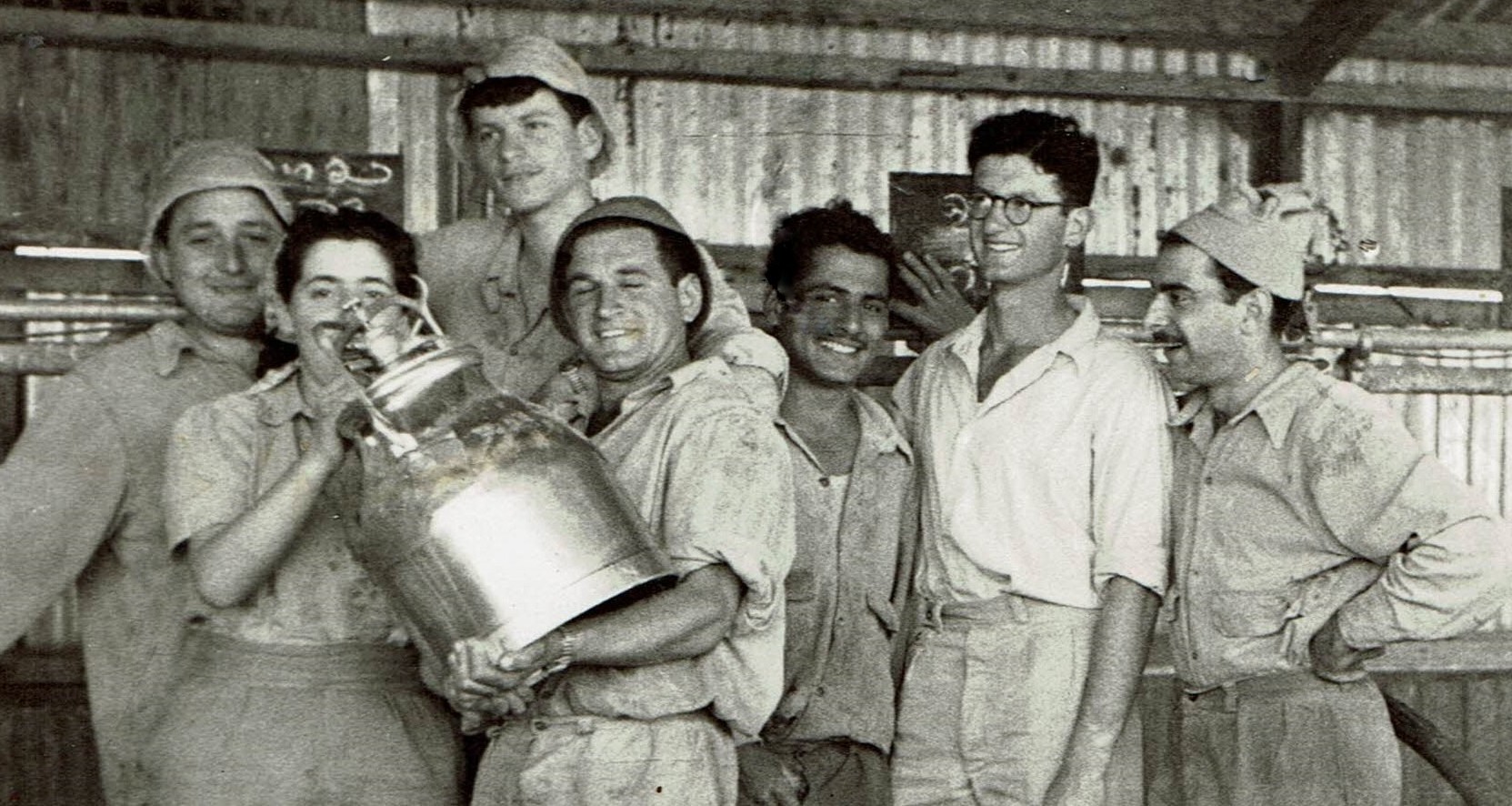
I was born in Nahariya, and in my youth I was educated in Ne’eman in Kibbutz Ein HaMifratz. I met my husband Yankele, who passed away 15 years ago, through a classmate. He came from Be’eri, meaning he was from the United Kibbutz movement, and I was from the National Kibbutz movement. It was, of course, a big deal.
He said, “I’ll come to live for a year in Ein HaMifratz and then you’ll come for a year to Be’eri, and then we’ll decide where to live.” But by then, I was already pregnant, and the management of the kibbutz nursery in Ein HaMifratz was stricter. Yankele was already 32 and said, “I haven’t waited all this time to have a kid that I’m not allowed to see whenever I want,” so with all the pain, we went to Be’eri.
Rammy was born in 1958. It was difficult for me to move to a different kibbutz, and all the more because I was pregnant, especially because working was a top value in the kibbutz and the main measure of respect.
Saturday, October 7
On Friday, October 6, Be’eri celebrated its 77th birthday. The event’s theme was “childhood songs.” Each participant chose a song and told a story about their childhood in the kibbutz. The celebrations were set to continue the next day.
On Saturday morning, a few minutes after I woke up, I heard a siren and booms immediately after. Most of the time, I don’t go to my safe room because I cannot make it in 15 seconds, and I prefer not to rush and risk falling. I ignored it. But then abnormal rocket fire began.
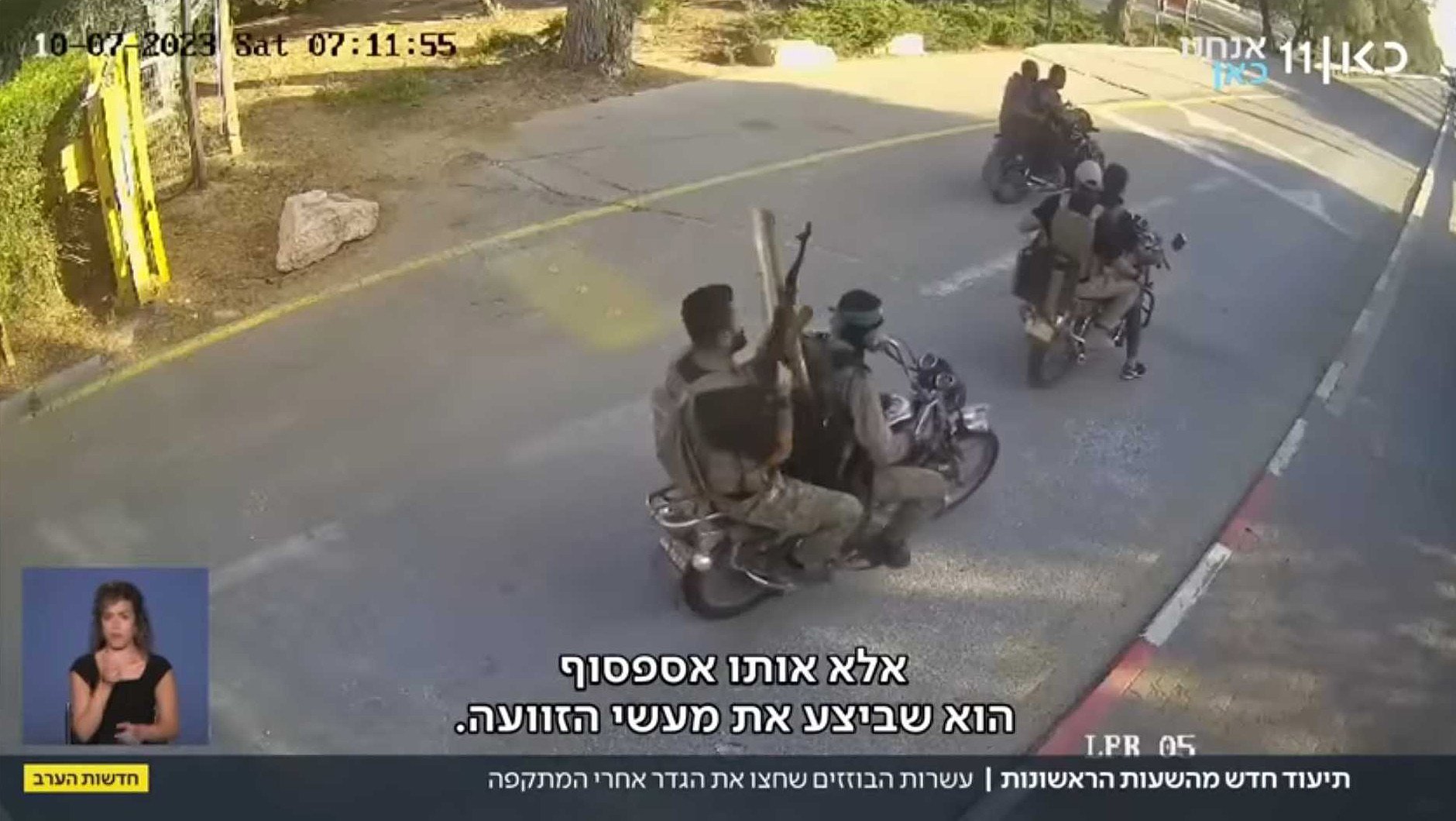
We got a message from the local emergency team to enter the safe room and lock the door because of terrorist infiltration. When I got into the safe room, the handle fell out. Ilan, my son who lives in the United States, was the first to call. He said it was good that the handle fell out and explained how to slam the door. Masses of terrorists were already walking around outside.
In all the chaos, two advantages stood out to me. The first was that I didn’t have my hearing aids because I left them outside the room, and the second was that I wasn’t in many WhatsApp groups so I was saved the overflow of messages that would have increased my anxiety. On the other hand, friends helped each other through those groups. They ran from safe room to safe room delivering important information.
Ilan told me not to open the door to anyone unless I recognized their voice. I went into the safe room and sat in a sort of niche I have between the wardrobe and the couch so that if someone did open the door, they wouldn’t see me. I don’t think I was scared, but very quickly, I translated my emotions to anger and told myself that the failures that led to the Yom Kippur War were nothing compared to the failures that were happening now.
Even before I knew the extent of the catastrophe, I felt that this was the sin of pride. Hubris. Nothing like this had ever happened. Not in the Israel I was born in and not in the State of Israel I lived and raised my kids in.
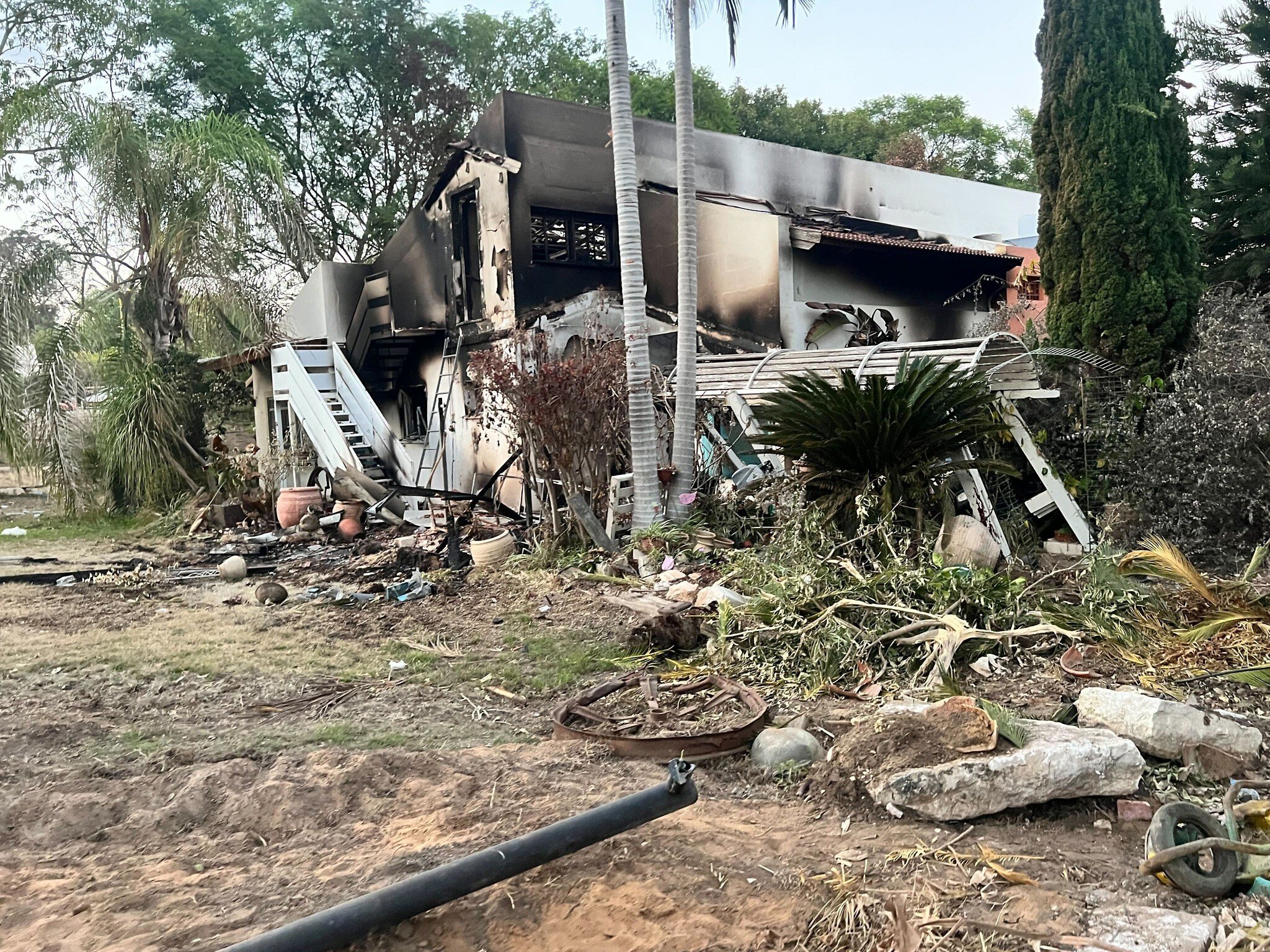
I was in the safe room for 18 hours without food or water. I didn’t feel hungry or thirsty. I was happy that my daughter Deganit, who was supposed to come over for the holiday, had hurt her back and stayed home. In Be’eri, I have my son Rammy and my daughter Neta with their families and a nephew, Alon Pauker, who lives in Be’eri and came from Nir Oz.
Our family was spread out across eight safe rooms, including five of my grandchildren who live in the youth neighborhood. Neta’s house was untouched, but Rammy’s and his wife’s was burnt to a crisp. Even the oven was smelted and turned into a chunk of metal.
Luckily, they had their backup fridge in the safe room, so they had water, and at some point, because of the heat, they removed the frozen foods from the freezer and put their heads inside to cool off. They suffered from smoke inhalation, and when they were rescued, they were evacuated to Soroka Medical Center.
While I was in the safe room, I heard rustling at the door and voices in the house. I didn’t know yet that they were taking hostages. Only when I got out of there did I understand that the terrorists gathered a group of hostages on the grass next to my house, and when it turned out that the vehicle they had was too small, they only took the men. One of them was a young man who was kidnapped and released and another was Yossi Sharabi, who was kidnapped and murdered.
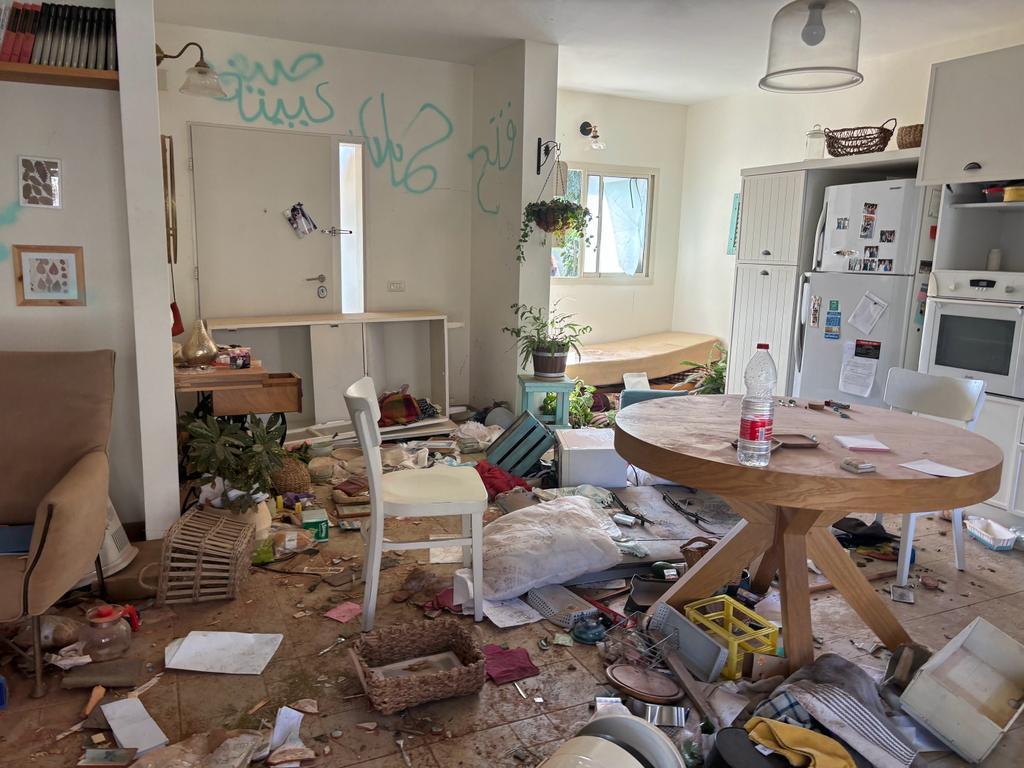
The terrorists sat the hostages down on the grass and told them to keep their heads down. At some point, Nira Sharabi, Yossi’s wife, raised her head, and when she saw that they weren’t being guarded, she took some of the women and children who were with her and came into my house. My 92-year-old neighbor and his carer also came in.
Nira took everyone into my bedroom and gave them food and water. At the same time, I sat in my safe room and thought terrorists were walking around my house so I kept quiet and restrained. Later, I don’t know when exactly, they were rescued and taken to an evacuation area.
My granddaughter, who was also rescued from her safe room, met my neighbor. He asked where I was and she said I was home in my safe room. He told her he had been in my house and I wasn’t there. She already knew there were hostages and thought I had been taken.
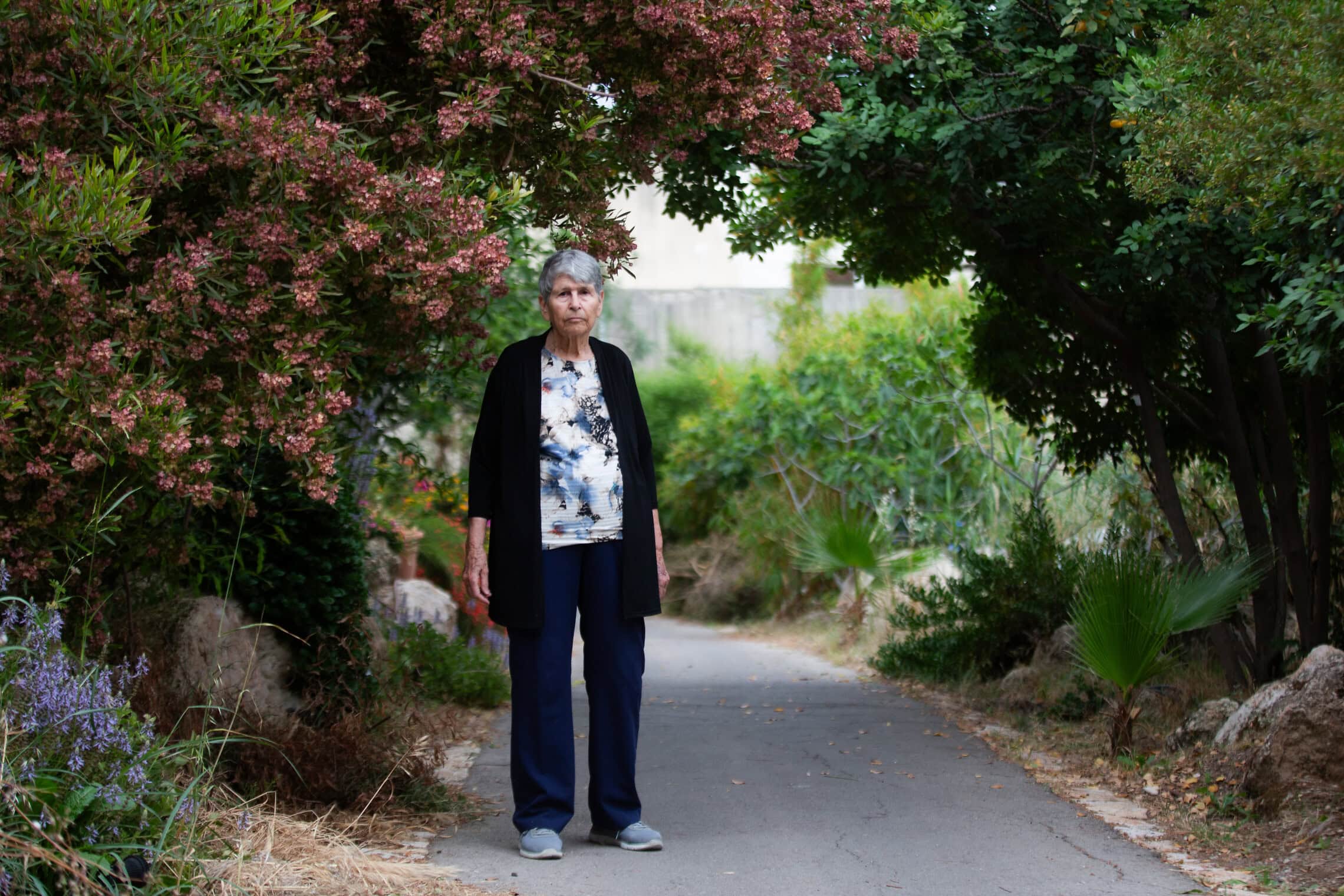
The rescued
It was dark in the safe room. During the day, some light made it through the cracks, but when it got dark, I couldn’t even see my finger because it was so dark. At 11:30 p.m., I was rescued thanks to the Elhanan team — brothers from the Kalmanson family that lives in the Otniel settlement in south Hebron.
They came to Be’eri of their own volition with their nephew, Itiel Zohar, and rescued almost 100 Be’eri members under fire. Elhanan came to my house with Dagan, my son-in-law. He said, “I’m Elhanan, I’ve come to rescue you. Dagan wants to remind you to take your hearing aids.” Elhanan was later killed by a terrorist. On Independence Day, they were awarded the Israel Prize for their heroism.
Meanwhile, in Nir Oz
I’m in fact experiencing the crisis of two communities because I also have a big family in Nir Oz. My brother, Ran Pauker, is one of the kibbutz founders and my younger brother Gideon Pauker was murdered a week before he turned 80.
Gideon died in his wife’s arms after being shot while holding the safe room door handle. He bled for hours, and help didn’t come. I also have a cousin in Nir Oz. His ex-wife, Yaffa Adar, was taken hostage and returned from captivity, and his grandson, Tamir Adar, was kidnapped and murdered.
The failure of Be’eri was awful. One hundred and one members were murdered and 30 were taken hostage. The emergency response team ran out of ammunition and it took a while for aid to come. On the other hand, the terrorists had plenty of ammunition.
When I heard them shooting outside, I wondered how much ammunition one person could carry. At some point, it had to run out. What I didn’t know was that they had constant flow. Trucks came and went bringing more.
It later turned out that they organized a weapons cache on my patio and on my granddaughter’s. All my family in Be’eri was rescued safe and sound. These are things that have no logic and no explanation. Everything was coincidental.
The evacuation
We were taken to Netivot. The kibbutz was littered with bodies and burnt cars. We arrived in pajamas, and they immediately organized places for us to sleep with mattresses and something to eat. We didn’t understand the scope of the catastrophe. In the morning, we were evacuated to the David Hotel in the Dead Sea, but it was packed, so we moved on to the Ein Gedi Hotel. We arrived barefoot in pajamas, and that’s how we entered the dining room.
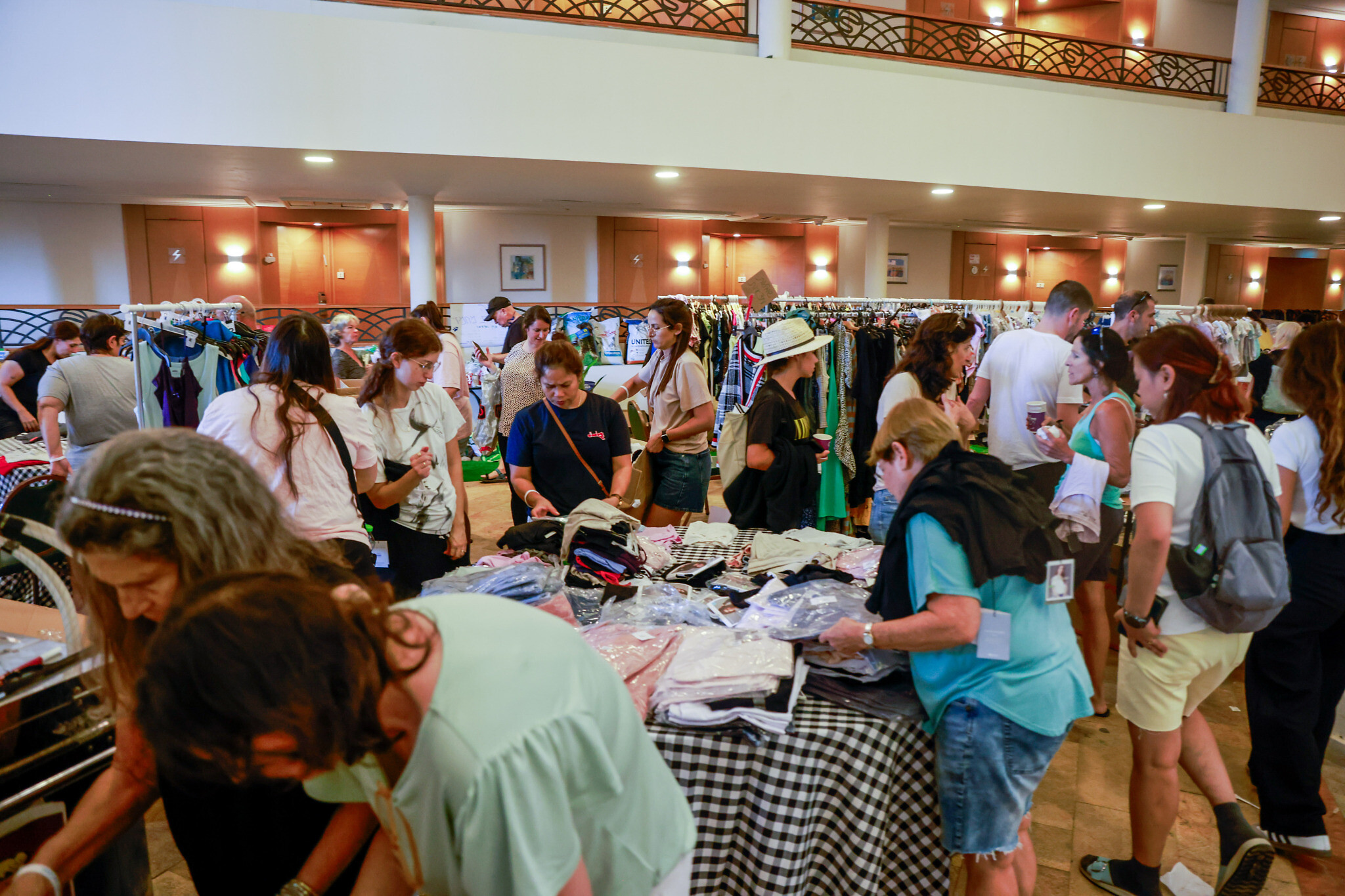
When we got to our rooms, all the basic things a person needs were waiting for us: Shoes, clothes, underwear, hygiene products and more. The people of Israel, unlike their institutions and government, rose to the occasion. On Sunday evening, we went to sleep in clean clothes embraced by the wonderful people of Ein Gedi.
The next day, psychologists and social workers showed up, all on a voluntary basis. We sat in the hotel lobby and anyone who wanted could go and talk to them. Every day we had a kibbutz meeting, and at every meeting, we were told about another person who was kidnapped or murdered. Something just didn’t click.
I remember a sentence that one of the psychologists said to us and I have adopted: “Every reaction in an abnormal situation is normal. Some laugh, some cry, some talk and some don’t. Don’t judge anyone for their behavior during this time.”
During the first month, people were mainly busy going to funerals and then to the mourning houses of the families. A temporary cemetery was opened in Kibbutz Revivim for the victims of Be’eri. I went only to my brother Gideon’s funeral when he was buried in Kibbutz Hazerim.
One of the biggest difficulties in the early days for me was how spread out the family was. After something like this, a family wants to gather, but we couldn’t. I was in Ein Gedi, Nir Oz residents were evacuated to Eilat, and my brother and sister-in-law, who had been in Sderot at their daughter’s, evacuated to family in Kibbutz HaSolelim. Other than phone calls, we couldn’t be together. Everything was not normal.
Moving to Tzora
At some point, we felt that we were missing a home. Even though we were in a hotel with three meals a day and surrounded by therapists of all sorts, there was no feeling of home. After two months, my son Ilan arrived from the United States and spent two weeks going back and forth from Ein Gedi to Be’eri bringing us things from home. My older granddaughter began cooking on picnic stoves outside. It was more homey food.
After two months, Neta and Dagan began looking for a place to move to and found an apartment in Kibbutz Tzora. Luckily for us, a few small apartments had just been renovated for Nir Am residents who didn’t go in the end, so we rented two apartments and moved in on January 1.

Neta found work in education, and Dagan, who is the Be’eri dairy’s main cheesemaker, travels back five times a week to work in the dairy. His partner was Dror Or who was taken hostage and murdered, and it’s a massive hit to him in every way. It took him time to gather himself, and he only started making cheese again two months ago, but only half-heartedly because Dror is gone.
Since October 7, I’ve been in Be’eri a few times. My house was left untouched but has slowly emptied. I brought a few things here and gave the family other things. My situation isn’t as bad as theirs because I’m old (yes, write old). However many years I’ve got left is all I’ve got.
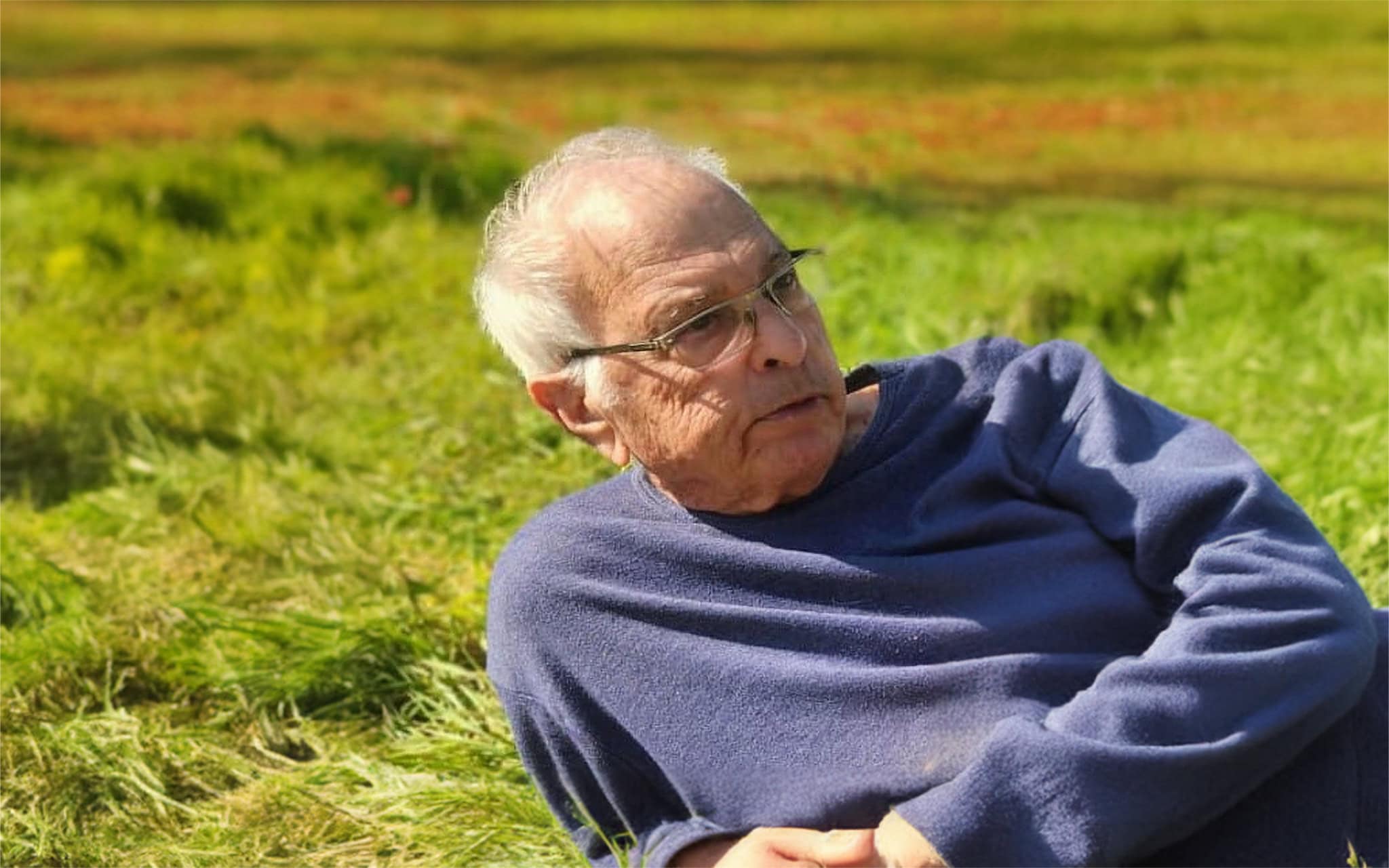
I didn’t think that at 89 I would be beginning a new life after a catastrophe like this, but I think about the younger generation, about my grandchildren, about my granddaughter who applied to move to Be’eri and now doesn’t have a home to go to. We moved to Tzora so the kids could have somewhere to come to, but it isn’t home. Be’eri was home.
When I’m asked how I’m feeling I say fine. I live in a safe place, but Tzora is a temporary home, and I don’t feel like I belong. I do feel like people have accepted me with an open heart, willingly and happily. I participate in the activities of Tzora’s senior citizen club, but it’s hard for me to call it mine.
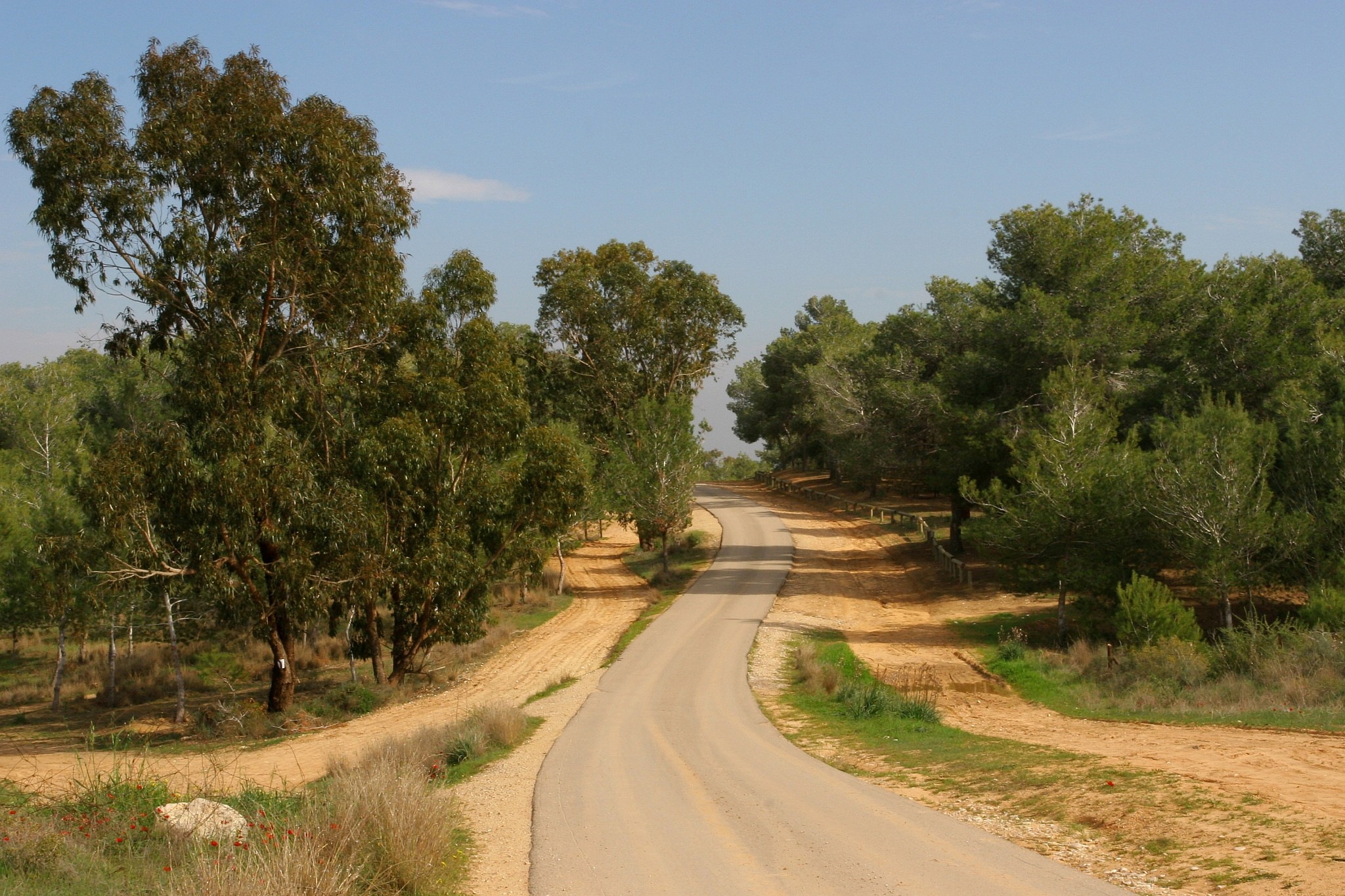
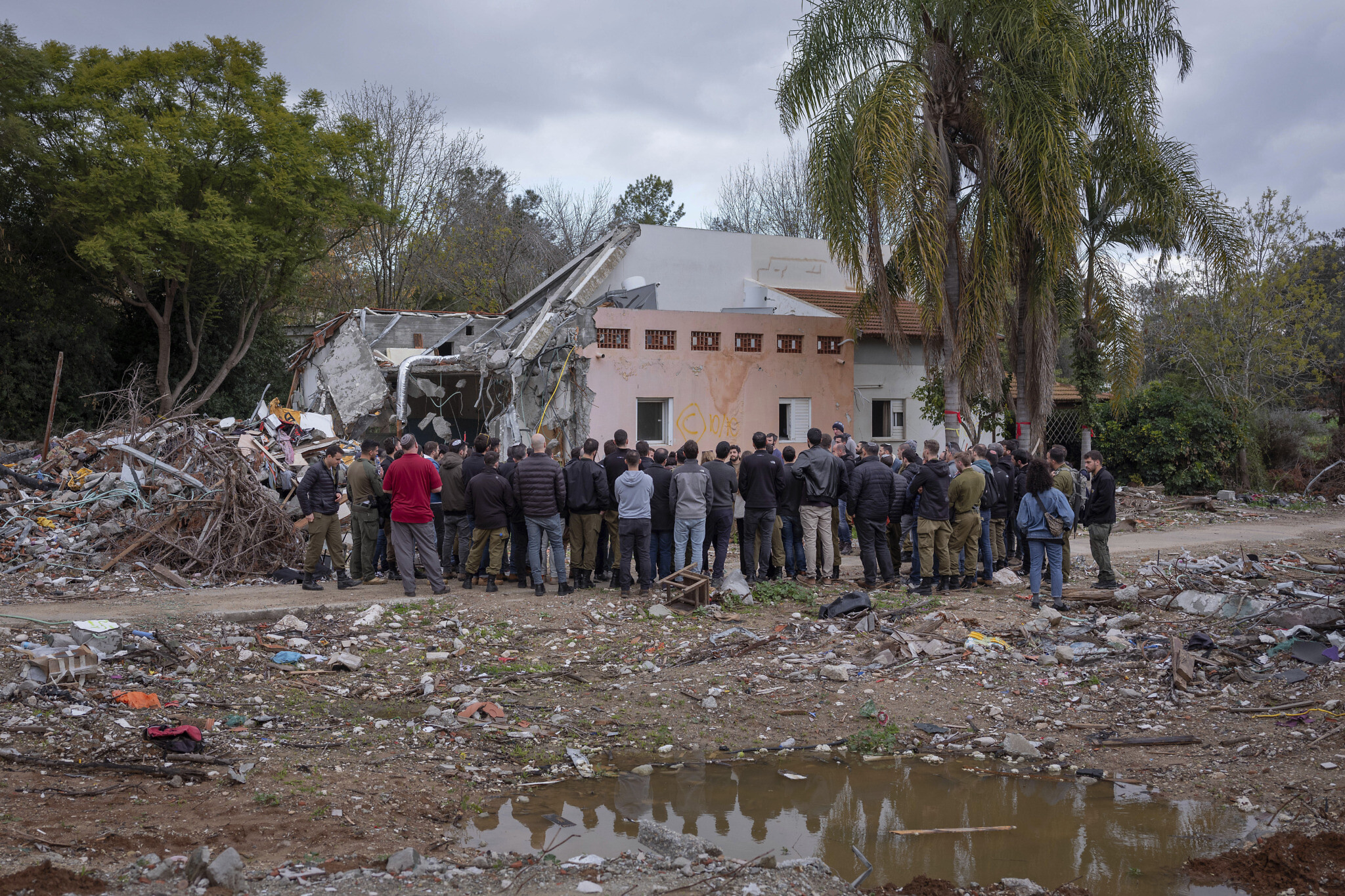
When I go to visit Be’eri, I feel disconnected. On the one hand, I see burnt and destroyed houses, and on the other hand, the wheat is growing again. Whatever survived in my garden is growing, and volunteers and kibbutz members come to work on the kibbutz. The Be’eri print shop, the kibbutz’s main business, was running again quickly.
At first, I opposed it. I thought it sent a problematic message to the failing institutions that everything was okay, and then I realized that we had to separate between the kibbutz’s physical and economic rehabilitation and the people’s mental rehabilitation.
Do you let yourself miss it?
Generally, I’m not a person who misses things. When my husband and I used to travel, he would miss home within a week, and I didn’t always. I can go for a week or two without seeing the kids.
Neta says it’s because of my roots. I was born to parents who moved to Israel in 1933 from Germany. Yankele’s parents were part of the Second Aliyah, lived in the Galilee, were friends with Yosef Trumpeldor, and built huts near the Kinneret.
I don’t tend to cry over what was. It doesn’t lead anywhere and won’t put the situation back to how it was. I try to see what I have and not sink even though I know that what was will never be again. I think about Gideon a lot. What would he say? What would he think?
And yet…
I miss October 6. I would like to go back in time. I miss my freedom, going to the kibbutz dining room and the shop whenever I want, and working in my garden. Some 80 members went back to Be’eri. Most of them are young people with no kids, or older than 70. They prefer it there.
Most of my life is behind me with all its difficulties and Israel’s wars. It might sound ridiculous, but after the cursed Saturday, when I heard about murdered babies, families who were destroyed, and children who were taken hostage, I thought how good it was that Yankele was not alive and didn’t see the tragedy, and how good it was that Gideon lived a good and full life and died in the arms of the woman he loved.
Therefore, when I’m asked if I will return to the kibbutz, my answer is that if my kids don’t, I won’t either. Other than that, how can I know what will happen in two or three years?
Thoughts of hope and volcanoes
In the last few years, I participated in a Torah study group of religious and secular women taught by Dr. Gili Zivan from Kibbutz Sa’ad. Every year, we choose a topic for prayer that will lead the learning throughout the year. For me, the prayer is hope, and what holds me now is hope.
I have hope that the State of Israel will not be destroyed and live by the sword. I hope my kids and grandchildren have something to stay for. I don’t think about myself.
Before October 7, every time I went into the safe room, I thought about the children in Gaza who don’t have safe rooms. Now I don’t know how to feel, and that’s one of the most serious crises I’ve been experiencing. Until October 7, they called me a hopeless optimist, and I was active in Women Wage Peace as much as I could.
People would ask me how I could live in a place like that, and I would say that it’s like living at the foot of a volcano that sometimes simmers. But the volcano erupted on October 7, and I don’t know if I want to spend whatever years I have left living at the bottom of it.

The Times of Israel Community.