

US Holocaust Museum ‘horrified’ by Myanmar attacks
DC memorial warns ongoing violence and discrimination towards Rohingya are leading precursors to a genocide
 Add ToI as a Preferred Source on Google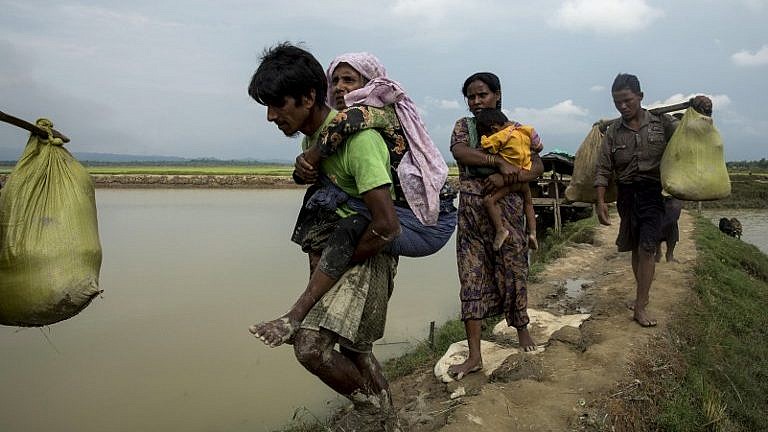
The United States Holocaust Memorial Museum on Friday said it was horrified by the ongoing attacks on Rohingya civilians and is calling on Myanmar’s government to cease its military operations.
Cameron Hudson, director of the museum’s Simon-Skjodt Center for the Prevention of Genocide, said the “government efforts to deny Rohingya citizenship rights, restrict their freedom of movement and the practice of their faith, and deny their basic human rights have all been identified as leading precursors to a genocide.”
In 2012, the museum awarded Myanmar leader Aung San Suu Kyi the Elie Wiesel Award, its highest honor. Now, it says the ideals that she inspired “appear absent” in the defense of Rohingya.
The museum said it implored Suu Kyi to use her position in government and her “even more powerful voice to uphold those very ideals and work to stop the longstanding persecution and violence that threaten the very existence of Rohingya in Burma.”
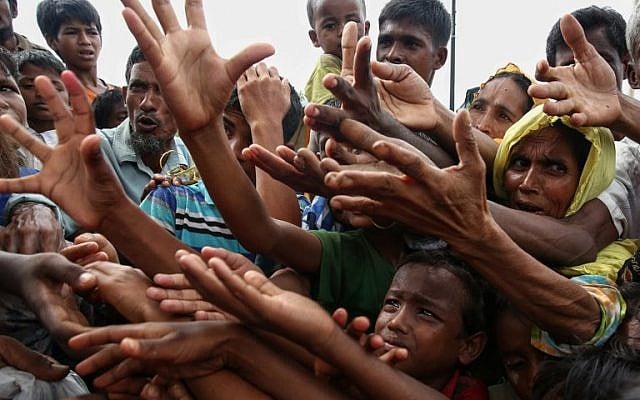
In the last two weeks alone, some 270,000 mostly Rohingya civilians have fled to Bangladesh, overwhelming refugee camps that were already bursting at the seams, the UN said.
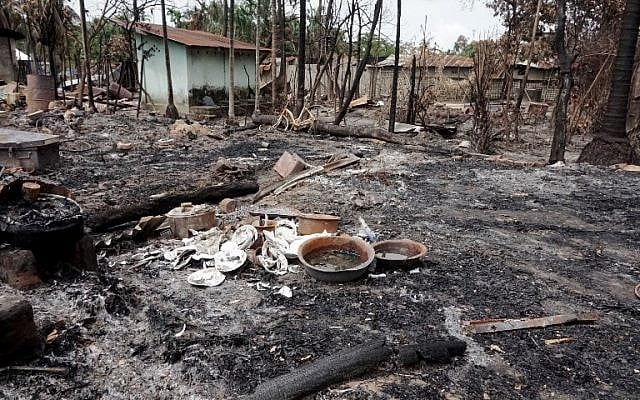
Others have died trying to flee the fighting in Rakhine state, where witnesses say entire villages have been burned since Rohingya militants launched a series of coordinated attacks on August 25, prompting a military-led crackdown.
The Rohingya have long been subjected to discrimination in mostly Buddhist Myanmar, which regards them as illegal immigrants from Bangladesh and denies them citizenship even if they have lived in the country for generations.
Bangladesh has struggled to cope with the latest influx, which takes the number of Rohingya refugees in camps on its border with Myanmar to around 670,000.
Of these, nearly 357,000 — a third of Myanmar’s total Rohingya population — have left since October when the latest upsurge in violence began.
The UN said there was a sharp increase in arrivals on Wednesday, when at least 300 boats from Myanmar landed in Bangladesh.
Scores of Rohingya have drowned trying to make the perilous sea journey in boats that the Bangladesh authorities say are woefully inadequate at this time of year, when the sea is rough. Many of the dead were children.






The Times of Israel Community.