

Freek of nature
Make a biblically inspired Shavuot salad with freekeh, the ancient cracked wheat that’s a new foodie trend
 Add ToI as a Preferred Source on Google
Phyllis Glazer is an American-born food journalist based in Tel Aviv, Israel. She is the author of several cookbooks that have been published in Hebrew, German, and Italian, and appears frequently on television and radio in Israel.
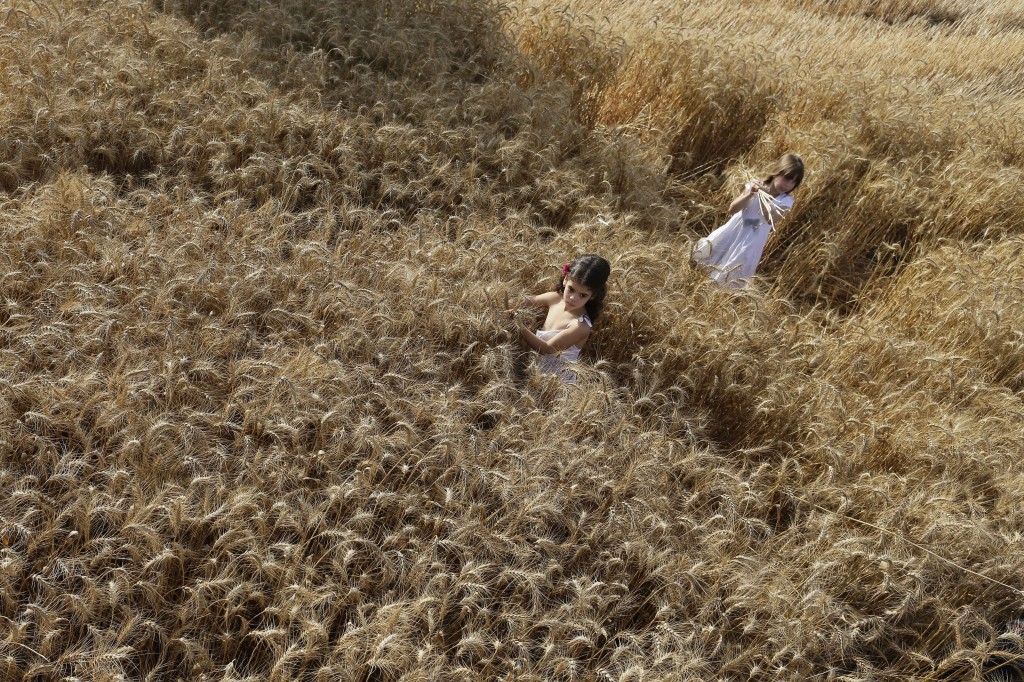
I was just down south at Kibbutz Nir Am to visit my beloved, 95-year-old ex-mother-in-law, Nesia Oron, one of the founders of the kibbutz. I love seeing her; but I was also excited to witness one of my favorite sights in the world — the wheat fields surrounding the kibbutz. The lush pine-green wheat stalks are beginning the process of ripening right now, destined to mature and turn an amber hue in the days before Shavuot as they’ve done for millennia. I always feel privileged to get a glimpse of what our ancestors witnessed in biblical times.
The Bible also mentions something called kali, which most scholars believe to have been a smoked wheat made from green wheat kernels, picked just before ripening. Today we call it “freekeh” and it’s still around, thanks primarily to the Arab community here in Israel, and our neighbors in Syria, Lebanon and Egypt.
Rich in vitamins, minerals and fiber, freekeh is considered good for the digestion, an aid in preventing colon cancer and a soothing restorative for the sick and aged. Its low glycemic value makes it helpful for diabetics, and it is extremely low in gluten.
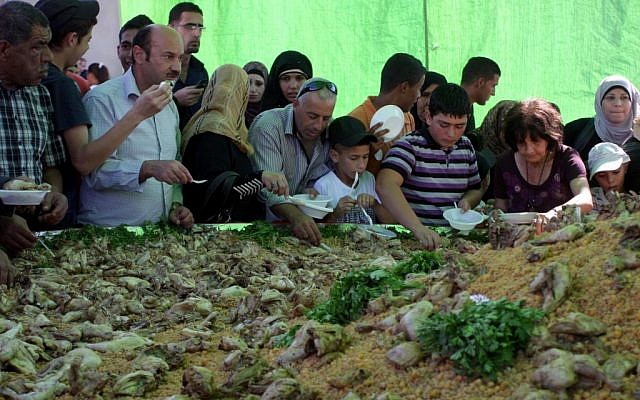
Considered both festive and earthy, freekeh is used primarily for stuffings, soups and side dishes in the Arab kitchen, frequently in combination with lamb. It’s caught on as a gourmet item in the Israeli-Jewish kitchen in recent years, making it easier to find at larger health food store chains, gourmet cookware-food chains and even in the shuk. Outside of Israel, it can be found in Middle Eastern markets.
Although freekeh is available year-round, it’s best to buy it now, when it’s fresh. It looks like light brown, broken wheat kernels (it’s also sold as whole kernels, but I prefer the broken ones) and should have a distinctive but not overly smoky scent. Like all whole grains, it should be stored in a glass jar, in the refrigerator or cabinet away from sunlight. Before using, place the freekeh in a bowl or a pot and cover with water, stir, skim off the pieces that rise to the top and drain.
Freekeh Salad with Lemon and Za’atar (10 or more servings as a side salad)
Although freekeh is great year-round, this delicious salad will add both flavor and a biblically-inspired touch to a Shavuot meal.
- 2 cups freekeh
- 4 cups water
- Salt, pepper, cumin and ground coriander to taste
- Heaping half cup of halved and thinly sliced radishes
- 1 ½ cups chopped mixed fresh coriander and dill
- ½ medium lemon, finely chopped (with peel), seeds discarded
- ⅓-½ cup dried cranberries or 1 cup pomegranate seeds
Dressing
- ⅓ cup olive oil
- 3 tablespoons red wine vinegar
- 1 teaspoon Dijon mustard, preferably with seeds
- 1 heaping teaspoon za’atar
- 1 garlic clove, crushed
- Salt and pepper to taste
- Cover the freekeh with water and soak for two hours. Stir and remove pieces that rise to the top. Rinse and drain well. Place in a pot with four cups of water.
- Bring to a boil, cover and cook over low heat for 20-25 minutes, or until the freekeh is al dente or just tender but not mushy. Remove cover, season with spices and cook uncovered till almost all liquids have evaporated. Do not overcook. Drain and rinse in cold water. Drain well and transfer to a serving bowl.
- Add the rest of the ingredients for the salad (except the dressing) and mix with a fork.
- Mix all the ingredients for the dressing in a screw-top jar, cover tightly and shake. Pour over the salad, and cover and chill until serving time.










The Times of Israel Community.