

The man who won’t be sultan
Turkey’s election reins in Erdogan’s power, and the Hebrew press is thrilled
 Add ToI as a Preferred Source on Google
Marissa Newman is The Times of Israel political correspondent.
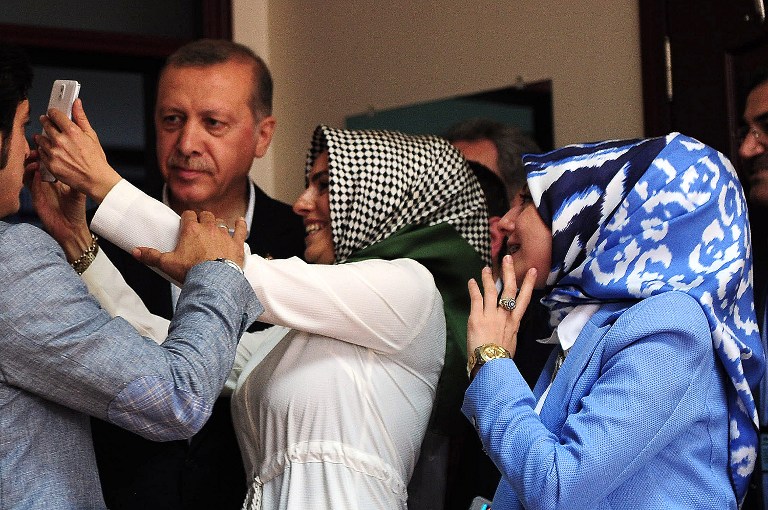
Turkey’s election strikes a blow to President Recep Tayyip Erdoğan, and the Hebrew media on Monday could not be more overjoyed.
“When your enemies fall, so they tell us, we must not rejoice,” Ben Dror Yemini writes in Yedioth Ahronoth. “But it’s difficult to overcome this urge. It’s been close to a decade and a half that this bad man, Racep Tayyip Erdogan, has been on the rise, has increased his power. And here, before our eyes, there is a turning point. He won’t be sultan.”
“There was something discouraging about Erdogan’s rise. Because Turkey was the symbol of the possibility of coexistence between Jews and Muslims… the Jews of Turkey managed to integrate and get rights long before the Jews of Europe received similar rights. Then Erdogan, with his blatant anti-Semitic remarks, managed to ruin a model that was built over hundreds of years. If Jews and Israel can’t live in peace with the one Muslim democracy in the region, then it doesn’t have a chance with the other states.”
It’s too soon to know whether this election will change Turkey, he continues, but “there is room for cautious optimism.”
“The anti-Semitism cultivated by Erdogan won’t quickly disappear. But maybe, just maybe, it will begin to decline, just like the man who spearheaded it,” he concludes.
With the dramatic election results trickling in on Sunday night, showing that Erdogan would have to form a coalition, the Foreign Ministry could barely contain its glee, Yedioth reports. Diplomatic officials were quick to predict better ties between the two former allies, it writes.
“In Israel, they had a hard time concealing their joy at the misfortune of the Turkish president, Recep Tayyip Erdogan, who never squandered an opportunity to incite against Israel and the Jews,” it reports. “Foreign Ministry officials in Jerusalem closely watched the election developments in Turkey with high hopes of improving the relationship between the two countries.”
The paper quotes experts who maintain that the results will bode well for Israel, but adds at the end of the report: “With that, there are concerns that because of his weakness, Erdogan will increase the incitement against Israel to draw supporters.”
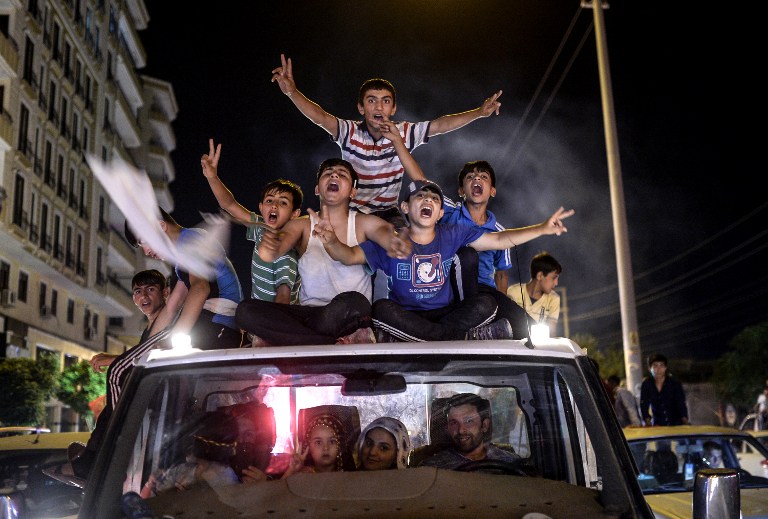
The pundits at Israel Hayom, similarly, celebrate the results under the headline “Erdogan won’t be sultan.”
“The election results are bad news for Erdogan, but good news for Turkey. It turns out that after more than ten years, there are still some good areas in the country that he didn’t manage to corrupt. It’s too early to determine whether this is the beginning of the end of the Erdogan era in Turkey, but it’s clear the magic is gone, and that the sultan is not omnipotent, despite what he and his confidants believed,” writes Professor Eyal Zisser.
“And what is also clear is that rampant incitement against Israel and reckless foreign policy that left Turkey globally alienated does not guarantee success in the polls.”
The daily reports that Israeli tourism companies are hoping the election results boost tourism to Turkey, which is down from 600,000 people a year to 60,000.
Haaretz, meanwhile, while also covering the Turkey election, focuses its attention more on domestic affairs, spotlighting President Reuven Rivlin’s speech at the Herzliya Conference on Sunday, reporting on Israeli tests of “dirty bombs” in the desert, and airing concerns about the mental healthcare reform set to go into effect next month.
“Israel recently carried out a series of tests in the desert in conjunction with a four-year project at the Dimona nuclear reactor to measure the damage and other implications of the detonation of a so-called ‘dirty’ radiological bomb by hostile forces. Such a bomb uses conventional explosives in addition to radioactive material,” it reports. “The research concluded that high-level radiation was measured at the center of the explosions, with a low level of dispersal of radiation by particles carried by the wind. Sources at the reactor said this doesn’t pose a substantial danger beyond the psychological effect.”
With regard to the mental healthcare reform, which is set to transfer psychiatric and psychological care from the Health Ministry to the HMOs on July 1, the papers report that the HMOs need to hire “hundreds” of psychiatrists and mental healthcare professionals, lack millions in budgeting that will likely compromise the quality of care, and have a severe shortage of beds in psychiatric institutions.







The Times of Israel Community.