

50 days till elections: 7 things to know for February 18
Political wrangling over rumored party mergers take center stage in Monday’s papers, overshadowing a growing diplomatic dispute with Warsaw
 Add ToI as a Preferred Source on Google
Tamar Pileggi is a breaking news editor at The Times of Israel.
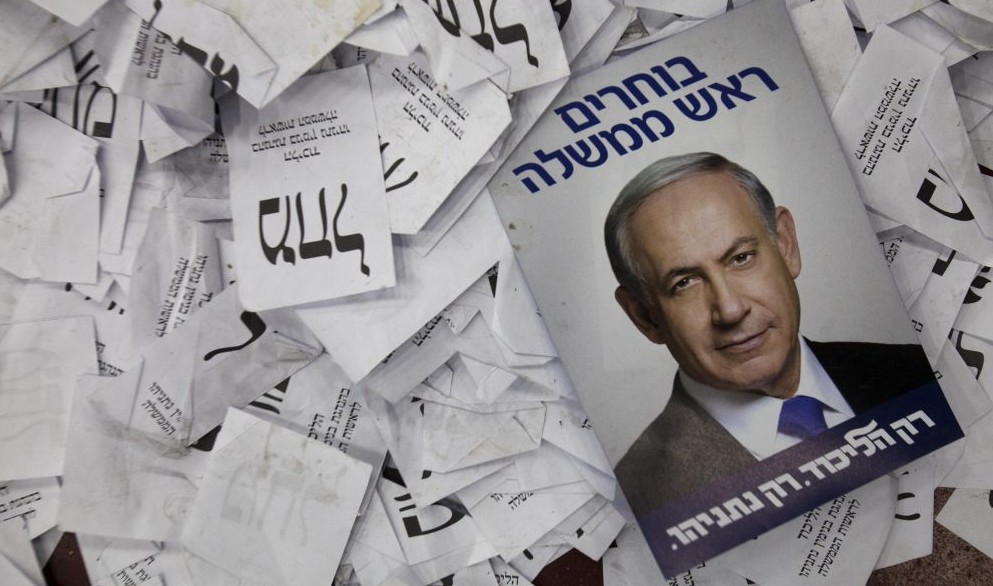
1. With 50 days until Israelis head to the polls, rumors of resignations, political wrangling and possible party mergers has most of the Hebrew-language newspapers preoccupied on Monday, overshadowing an overnight skirmish along the Gaza border and a diplomatic spat with Poland.
- Yedioth Ahronoth features a multi-page election roundup, listing where all the major parties and candidates stand, four days before the deadline for electoral lists.
- In a front page column titled “Trump will fix it,” Yedioth’s Nahum Barnea claims that the White House is actively working to help secure Prime Minister Benjamin Netanyahu’s reelection. He writes that the US-led Warsaw conference on the Mideast last week was a bid to burnish Netanyahu’s foreign policy credentials before April 9.
- But Barnea is not convinced that photo ops with Arab leaders will help Netanyahu in the polls. He compares the White House helping Netanyahu to the administration of Bill Clinton in 1996, which sought to help Israel’s beleaguered prime minister Shimon Peres by convening a peace summit in Sharm el Sheikh attended by Arab and other world leaders. Barnea says that conference had little to no effect on Israelis, who voted out Peres in favor of Netanyahu two months later.

- “The summit in Sharm El Sheikh was much more impressive than the one in Warsaw, but the results at the polls were zero: Israelis are so spoiled by American affection, that they’ve stopped being impressed,” Barnea writes.
2. The rest of Yedioth’s election summary includes reports about the other major parties, including Israel Resilience leader Benny Gantz, who the paper says is trying cement a last-minute deal with Orly Levy-Abekasis in a bid to draw in right-wing voters.
- “Abekasis is the ‘medicine’ that Gantz needs: She is a woman, of Sephardic descent and socially active,” Yedioth’s Yuval Karni writes. “She’s also considered to be a candidate who can pull in votes from the soft right.”
3. According to Yedioth, Netanyahu and other top Likud officials have given up on the idea of a merger with another party to secure a right-wing bloc ahead of the elections.
- The paper says the party has determined that other than the New Right, a Likud merger with any of the other right-wing parties would not yield any significant advantage on election day. With little interest to merge from both parties, Yedioth says the “likelihood for a merger between them in such little time is very small.”
4. Israel Hayom on Monday reports that Tzipi Livni will likely announce her resignation sometime this week in light of her poor showing in the polls, (and this in fact happened during the course of the day).
- Unnamed sources from the Livni’s camp told the daily that “if things remain the same in the next few days, there is no point in taking seats from the center-left camp and going through a public and political humiliation.”

5. Haaretz dedicates noticeably less coverage to the upcoming elections in its Monday paper, though it does weigh in some on Gantz’s election campaign. The paper reports that Gantz is not really interested in merging with the centrist Yesh Atid party, and the two parties are unlikely to unite before Friday’s deadline.
- A Yesh Atid official told the daily that the party has been seeking answers from Gantz’s camp about major policy issues, but “we are not getting clear answers, and [so] the impression is that they don’t want to team up.” The official added that the chances of a joint Yesh Atid-Israel Resilience ticket were less than 35%.
6. On Monday, prime ministers from Hungary, the Czech Republic and Slovakia are set to arrive in Israel to attend the Visegrad summit, days after Netanyahu returned from a US-led conference on the Mideast hosted by Poland.
- Haaretz’s Noa Landau writes that Netanyahu wants to host the Visegrad summit to rally right-wing European support for Israel by leveraging his close proximity to the Trump administration to court nationalist governments.
- “Besides the joint confrontation with the EU, the desire among some Visegrad nations to move closer to the Trump administration is prevalent,” Landau says. “Netanyahu often uses this goal as a carrot, since he is considered especially close to the administration.”

7. But the Visegrad summit is also the backdrop for a growing diplomatic spat between Jerusalem and Warsaw regarding Polish complicity in the Holocaust. On Sunday, Polish PM announced he would not attend the two-day conference after Netanyahu made a comment in Warsaw last week about Poles’ collaboration with the Nazis.
- Late on Sunday, newly appointed Foreign Minister Israel Katz poured fuel on the fire by reiterating the collaboration remark, telling Israel Hayom in his first interview as foreign minister that Poles “suckle anti-Semitism with their mother’s milk.”
- In response, Poland canceled its participation in the summit altogether, citing Katz’s “racist” remarks.
- The pro-Netanyahu daily Israel Hayom downplayed the growing diplomatic dispute between Jerusalem and Warsaw in its Monday paper, and quotes Katz from his interview a day earlier saying “there is no crisis” between Israel and Poland. Katz in his interview chalked up the recent tensions to election campaigns in both countries, and asserted that “our diplomatic relations will continue.”









The Times of Israel Community.