

IDF assesses Hezbollah attacks may ramp up, urges evacuation of terror group’s Beirut stronghold
Hezbollah rockets continue to be fired on Thursday; Air Force striking terror group’s targets in Lebanon and IDF expands its presence there, repeating warning for all residents south of Litani to leave
 Add ToI as a Preferred Source on Google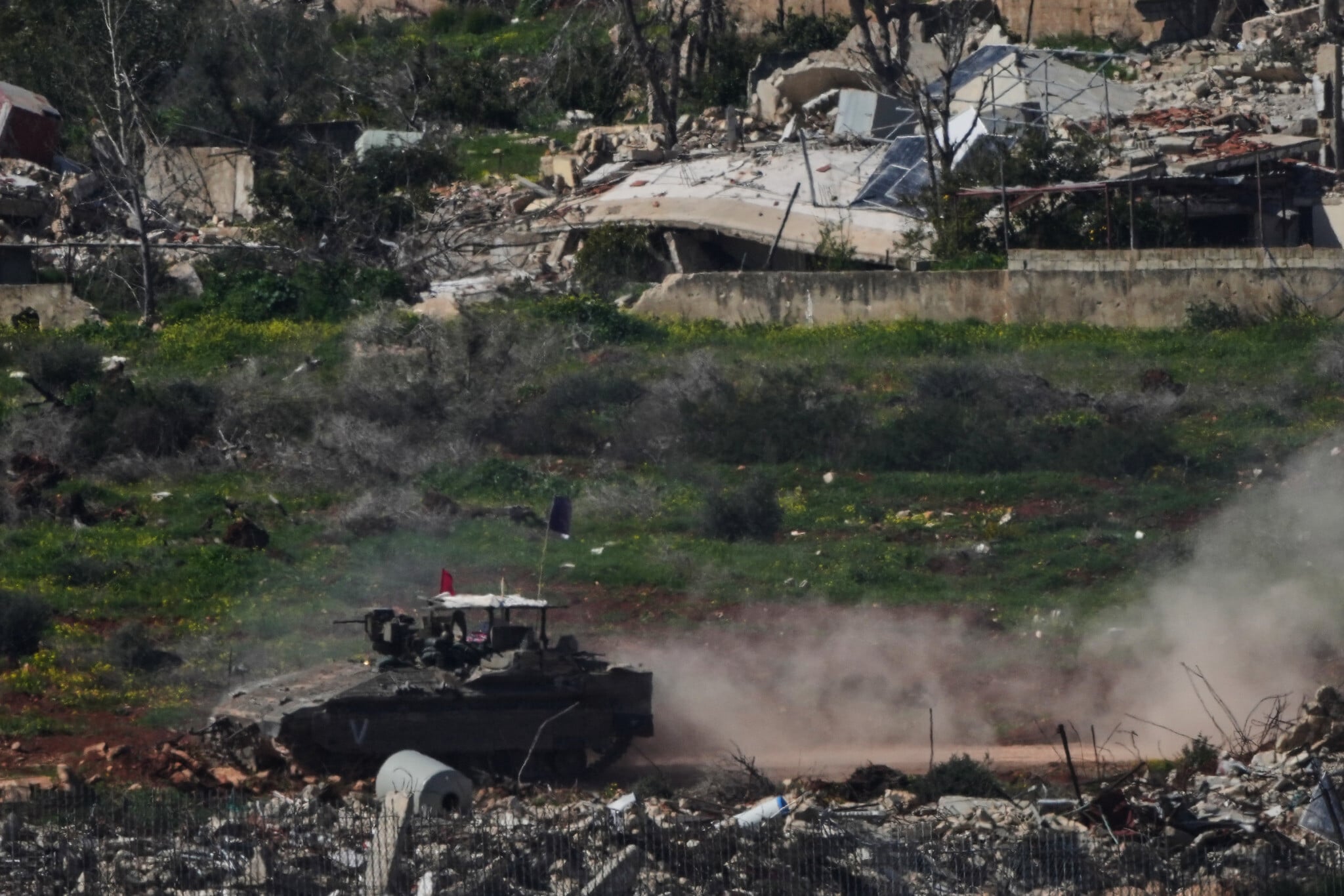
As the rate of Iran’s ballistic missile fire has decreased, the Israeli military assessed Thursday that Hezbollah’s attacks on Israel from Lebanon may increase and called for the evacuation of one of the terror group’s strongholds near Beirut.
So far, the Iran-backed Lebanese terror group has launched dozens of rockets and drones at Israel, mainly at the north of the country, but also a handful of projectiles at the center.
After attacks by the US and Israel on Iran, Hezbollah launched missiles and drones into Israel Monday for the first time in over a year, and Israel retaliated with strikes on Hezbollah targets in southern Lebanon and Beirut’s southern suburbs, leading to further Hezbollah attacks.
Two Hezbollah rockets have hit northern Israeli towns so far this week, injuring one person. Israel has vowed to exact heavy consequences from the terror group in response to the attacks and is expanding its presence in southern Lebanon.
Thursday saw dozens of rockets launched from Lebanon at northern Israel by the evening, causing sirens to sound in the Acre area, Galilee, and the Golan Heights.
A US general said on Wednesday, meanwhile, that Iran’s rate of missile fire against Israel and other countries had dropped 86% since the start of the conflict.
The IDF on Thursday issued an “urgent warning” to residents of Beirut’s southern suburbs, a Hezbollah stronghold known as the Dahiyeh, ahead of planned strikes against the terror group.
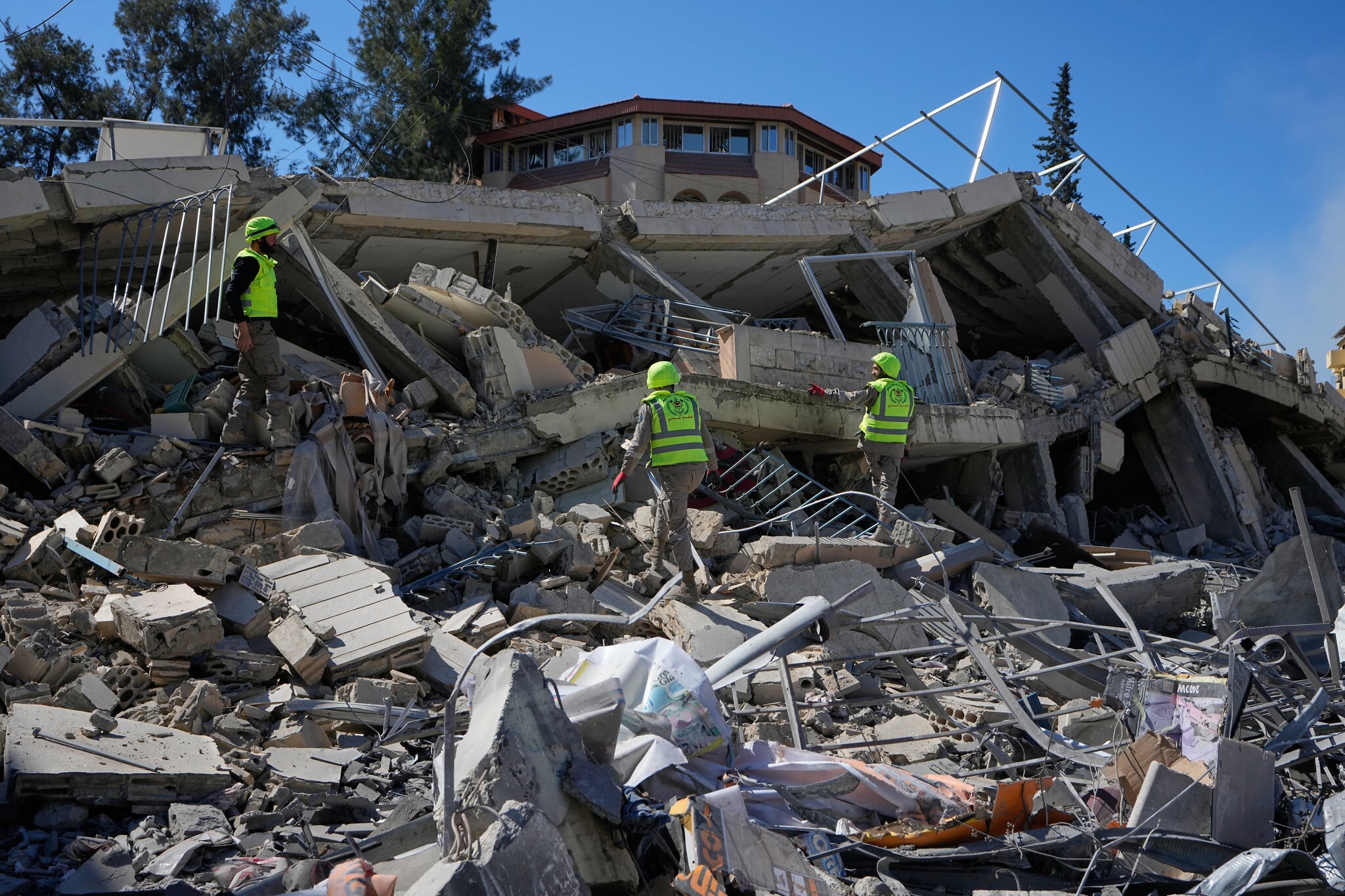
The unprecedented evacuation order marked the first time that the Israeli military has called on wide swaths of the Lebanese capital to evacuate, and came a day after the military warned all Lebanese civilians in south Lebanon to evacuate their homes amid the fighting against Hezbollah and to move north of the Litani River, roughly 30 kilometers (20 miles) north of the Israeli border.
Previous evacuation warnings in Beirut have been for specific buildings that the IDF has then struck. The latest order covers four major neighborhoods in the southern suburbs of the city.
“Residents of the neighborhoods of Bourj el-Barajneh and Hadath move east toward Mount Lebanon on the Beirut–Damascus road. Residents of the neighborhoods of Haret Hreik and Shiyyah move north toward Tripoli on the Beirut–Tripoli road, and also east toward Mount Lebanon via the Metn Expressway,” said army spokesman Col. Avichay Adraee.
“Save your lives and evacuate your homes immediately,” he said.
“It is forbidden to move south. Any movement southward may endanger your lives. We will notify you when it is safe to return to your homes,” Adraee added.
The IDF also issued a wide evacuation warning in Lebanon’s eastern Beqaa Valley ahead of airstrikes on Hezbollah sites on Thursday evening
“Urgent warning to the residents of the Beqaa area, specifically the residents of the villages and towns: Douris, Brital, and Majdaloun. Hezbollah’s activities in the area force the IDF to act against it with force in order to target its military infrastructure. The IDF does not intend to harm you,” said Adraee.
“To ensure your safety, we call on you to evacuate the area immediately and head west via the Zahle–Baalbek road,” he said.
Adraee warned that “Anyone who is near Hezbollah members, its facilities, or its [weapons] is putting their life and the lives of their family members at risk.”
“We will inform you when it is safe to return to your homes,” he added.
The IDF said it estimated that over 300,000 Lebanese civilians have so far evacuated their villages in southern Lebanon. During the fighting between Israel and Hezbollah in 2024, nearly 1.2 million Lebanese were displaced from their homes, along with some 60,000 Israelis.
The IDF continued its strikes against the terror group overnight Wednesday-Thursday, hitting command centers in Beirut, including one serving Hezbollah’s aerial forces, which is responsible for drone attacks on Israel, according to the army. It also killed a cell of Hezbollah operatives in a drone strike on a command center in southern Lebanon.
Lebanon’s Health Ministry said a strike on a building in the Beddawi Palestinian camp, in the coastal city of Tripoli, killed two people.
The IDF announced later on Thursday that a Hamas commander was killed in the Israeli Navy strike on Beddawi.
According to the military, the strike killed Wasim Atallah Ali, who is responsible for “training and exercises” in Hamas’s military wing in Lebanon.
“The terrorist worked to advance terror attacks aimed at harming the citizens of the State of Israel and IDF troops, and his activity posed a threat to Israel and its citizens,” the military said.
It published footage of the strike, as well as others carried out by the Israeli Navy against Hezbollah weapon depots in southern Lebanon.
On Thursday evening, the IDF said a Hezbollah rocket launcher had also been destroyed in an airstrike shortly after it was used in a rocket barrage on the Acre area of northern Israel.
Fewer than 20 rockets were launched from Lebanon in the barrage.
According to the IDF, some of the rockets were intercepted while the others were allowed to hit open areas “according to protocol.” No injuries or damage were caused.
The military said that shortly after the attack, it struck the launcher. It published footage of the strike.
בסגירת מעגל מהירה: צה"ל תקף את אתר השיגור ששיגר רקטות לעבר עכו הבוקר
מוקדם יותר היום, שוגרו רקטות לעבר מרחב עכו, ללא נפגעים ונזק.
זמן קצר לאחר מכן, צה"ל תקף והשמיד את אתר השיגור ממנו נורו הרקטות.
צה"ל לא יאפשר פגיעה באזרחי מדינת ישראל וימשיך לפעול בעוצמה נגד ארגון הטרור… pic.twitter.com/wPuhPhMEyO
— צבא ההגנה לישראל (@idfonline) March 5, 2026
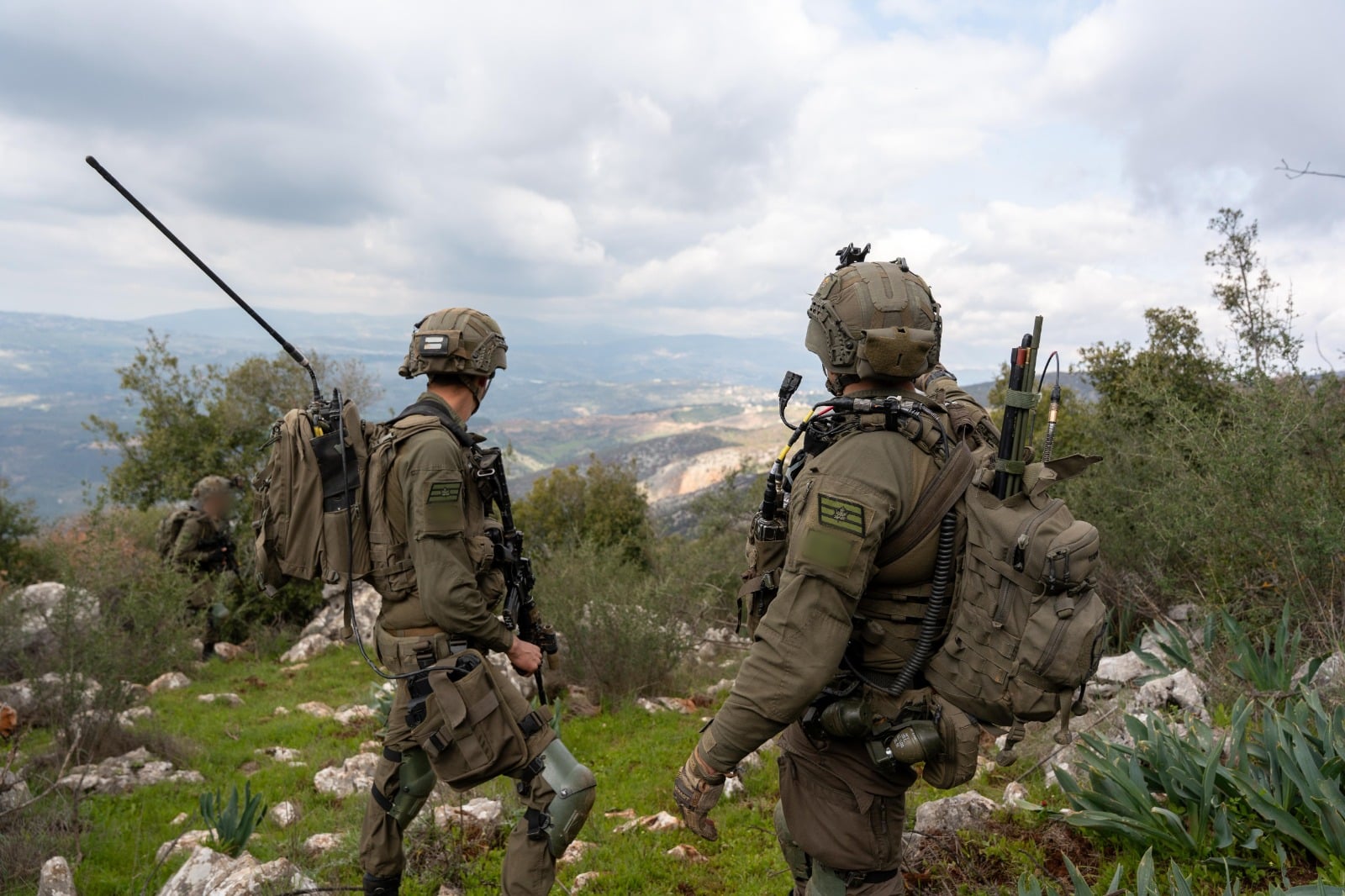
The attacks took place as troops pushed deeper into southern Lebanon in recent days, with the IDF saying it assumed “forward defensive positions to establish an additional defensive layer to remove the threats to the residents of northern Israel.”
חוסלה חוליית מחבלים שפעלה מתוך מפקדה בדרום לבנון
כוחות אוגדה 91 זיהו במהלך הלילה מספר מחבלים מארגון הטרור חיזבאללה, נכנסים למבנה ששימש כמפקדה של הארגון, במרחב הפעילות של כוחותינו בדרום לבנון.
חיל האוויר תקף וחיסל את המחבלים מיד לאחר הזיהוי.
צה"ל ימשיך לפעול על מנת להסיר כל… pic.twitter.com/jb1caBEH8Y
— צבא ההגנה לישראל (@idfonline) March 5, 2026
Since Hezbollah joined the conflict on Monday, the military has struck over 320 targets in Lebanon.
The number of people killed in Lebanon since the resurgence in hostilities has risen to 77, with 527 people wounded, the Lebanese health ministry said Thursday.
It is not clear how many of the casualties are civilians. The Lebanese health ministry earlier claimed that seven children were killed.
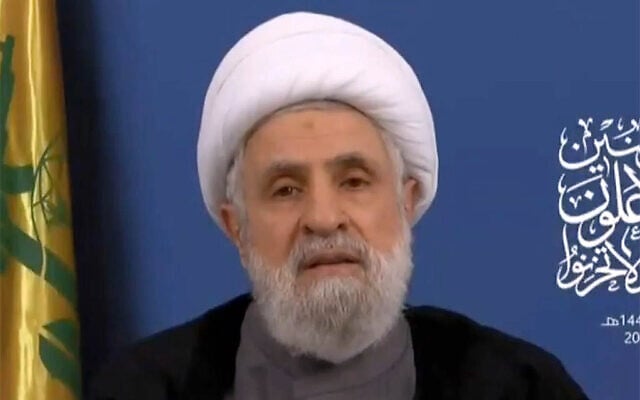
In a televised address Wednesday night, Hezbollah chief Naim Qassem said his terror group’s resumption of rocket attacks on Israel this week was a response to Israel’s continued presence in Lebanon and airstrikes in the country since the November 2024 Israel-Hezbollah ceasefire deal halted a year of conflict between the sides.
The speech came alongside the Lebanese government’s accusation that the Iran-backed proxy was dragging Lebanon into a regional war. The Lebanese government has called on Hezbollah to lay down its weapons and has made efforts to disarm the terror group.
“By God, how strange you are,” Qassem said in the speech, addressing the Lebanese government. “What is your response to the wide-scale aggression?”
The renewed fighting against Israel, he claimed, “is not linked to any other battle; what we want is to stop the aggression.”
At the same time, Qassem said that the renewed rocket attacks on Israel “are a response to 15 months of violations against us, including the targeting of the great religious authority,” ayatollah Ali Khamenei, the Iranian supreme leader who was killed at the start of the US-Israeli bombing campaign on Saturday.
Israel has regularly been striking Hezbollah targets in Lebanon since late 2024, citing violations of the ceasefire and attempts by Hezbollah to reestablish its threat against the Jewish state along the border. Hebrew media has widely reported that Hezbollah had been under intense Iranian pressure in recent days to strike Israel due to the Israeli-American campaign in Iran.
“To anyone asking about the timing” of Hezbollah’s resumption of attacks, Qassem said: “Were we expected to remain endlessly patient?”
“What Israel did after the rocket salvo was not a response. It was an aggression that had been prepared in advance,” he continued.
“Hezbollah and its Islamic resistance are responding to the Israeli-American aggression and this is a legitimate right… For us this is an existential defense.”
He added that the Lebanese government’s formal decision in August to bring all weapons in the country — chiefly Hezbollah’s — under state control, “was a grave error that has weakened the position of the Lebanese state and legitimized Israel’s freedom of aggression.”
“As long as there is occupation — resistance and arms are a right,” he said.
Qassem also criticized Beirut’s announcement Monday of an “immediate ban” on Hezbollah’s military activities and fresh demand that it surrender its weapons.
“Instead of the Lebanese government moving to condemn the Israeli-American aggression and look for ways to confront it, it turned against the resistance to complete its error and align itself with Israeli demands.”
“The topic of the resistance and the weapons of the resistance is not a subject of dispute for anyone or with anyone. It is a legitimate right. We are fighting in Lebanon in defense of our people, the future of our children and our country,” he added.
Also Wednesday, French President Emmanuel Macron spoke to Prime Minister Benjamin Netanyahu and urged him not to order a ground offensive against Hezbollah in Lebanon, according to a French readout.
The call came a day after Israel deployed troops deeper into southern Lebanon, beyond the five posts it had been holding.
Macron also called Lebanon’s President Joseph Aoun and Prime Minister Nawaf Salam, stressing “the need for Hezbollah to immediately cease its attacks against Israel and beyond. This strategy of escalation constitutes a major error that endangers the entire region.”




The Times of Israel Community.