

Cabinet meets as virus cases drop, could reopen malls and markets by Thursday
Gov’t also said set to reopen more public spaces, cancel limit on leaving home, allow family visits; officials rap Health Ministry for last-minute demands from malls, businesses
 Add ToI as a Preferred Source on Google
Michael Bachner is a news editor at The Times of Israel
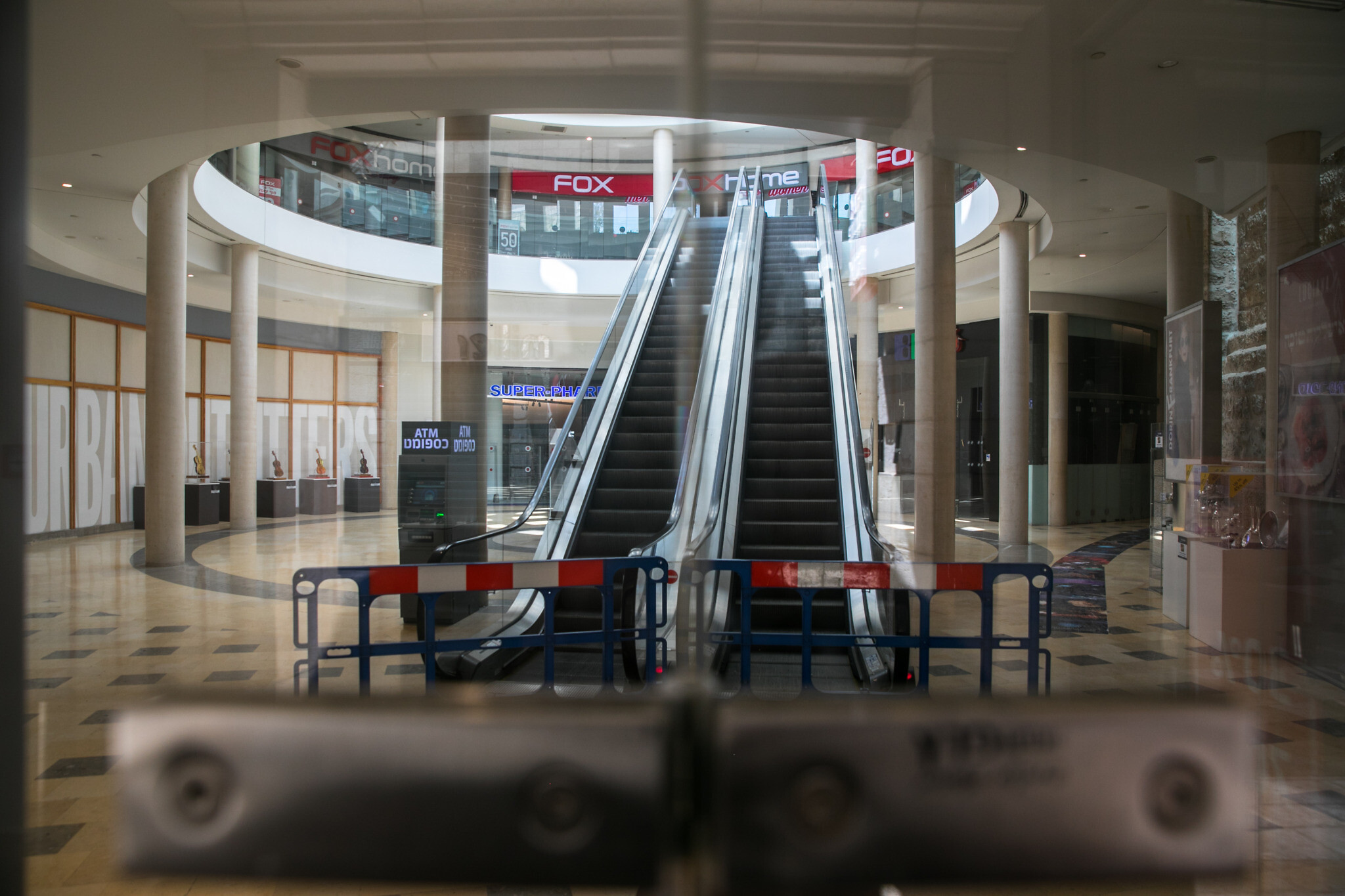
The cabinet convened Monday to approve a further easing of coronavirus restrictions, with the number of infections in the country having dropped considerably.
According to various Hebrew media reports, malls and outdoor markets could be allowed to reopen as early as Thursday, while other aspects of the plan could come into effect Friday. These include canceling the ban on going farther than 100 meters from one’s home except for specific approved purposes, as well as allowing the reopening of libraries, gyms, water sports, nature reserves, parks and non-medical treatments.
The reports said the plan to allow malls and markets to reopen Thursday was aimed at prevent large crowds from gathering there over the weekend.
The plan will also reportedly not require open-air markets and malls to take the down the details of visitors.
Going to the beach will still be prohibited — although many Israelis have been flouting that rule — except for water sports. Swimming pools will resume operations, but only for professional athletes or for treatment purposes.
Psychological treatment will be allowed to resume, even without face masks, if a distance of three meters is kept between the therapist and the patient, reports said.
According to Channel 12, the government was also set to approve an immediate end to the ban on visits to second-degree relatives, including grandparents, and allow gatherings of up to ten people. In all social situations, distancing of two meters must be maintained and masks must be worn.
Interior Minister Aryeh Deri’s office said the cabinet was also set to approve weddings with up to 50 participants, starting next Sunday, and gatherings of up to 20 people in public spaces, effective immediately.
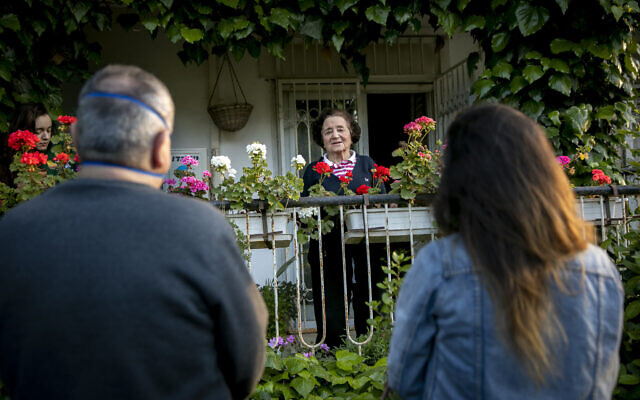
Gatherings of more than two people have thus far been banned with the exception of work and prayer, which have specific restrictions. Israelis have been told to avoid meeting with anyone outside of the people they live with, including for religious holidays, with the specific instruction not to visit grandparents, who are more vulnerable than the average person to the coronavirus.
The network said that sports events and restaurants will only be allowed to resume operations in mid-June.
The government will have the authority to reimpose restrictions in certain areas in case of a renewed outbreak, to avoid locking down the whole country again, the reports said.
Meanwhile the Health Ministry was criticized for introducing last-minute changes to the proposed new rules, making it much harder for many businesses to reopen.
Unnamed senior government officials quoted by multiple news outlets slammed the apparent decision to favor the Health Ministry’s plan over one proposed by the treasury and over agreed-upon compromises.
Senior Finance Ministry officials claimed the Health Ministry had updated the draft of the new rules at 4 a.m., without consulting the other ministries.
The officials said the update introduced “unreasonable” demands of shopping mall operators, including the registration of every person entering or exiting and dividing malls into sections of 5,000 square meters each. They said these demands did nothing to keep the public safe and were aimed at making it harder to reopen the malls.
Another criticism was that the Health Ministry was seeking to apply the so-called “purple badge” standard to workplaces that had thus far been exempted, such as businesses with up to 10 employees, exporters, agriculture and construction.
To meet the standard, workplaces must adhere to strict hygiene rules, ban gatherings in coffee areas and kitchenettes, maintain a distance of two meters between people, check body temperatures upon entry, and follow further guidelines.
“The Health Ministry wants to take revenge on the Finance Ministry at the expense of the business sector,” a source was quoted as saying, calling it “an extreme and grave step.”
“They are turning tens of thousands of businesses into criminals,” the source said. “We cannot let that pass quietly.”
Finance Minister Moshe Kahlon reportedly lashed out at the Health Ministry during the cabinet meeting, accusing it of undermining efforts to reopen schools and parts of the economy.
“It can’t be that the Health Ministry’s monopoly power can torpedo every decision it doesn’t like and make cabinet meetings meaningless,” he was quoted saying by multiple media outlets.

The Health Ministry’s proposed rules for malls would demand limiting the number of customers so that there won’t be more than one person for every 15 square meters, marking designated waiting spots in lines, limiting elevators to two people at at time, setting up stations with disinfectant, banning sitting down to eat in the mall, and registration — “computerized as much as possible” — of all visitors, including names, phones numbers and ID numbers and entry and exit times.
The rules state that the malls will not be allowed to make use of that information.
The rules will reportedly introduce an NIS 5,000 ($1,400) fine for mall operators who reopen but don’t meet the above guidelines.
In other businesses and in open-air markets, the ministry was said seeking no more than one person per 15 square meters, no more than two customers at once for every employee, and noticeable signs calling on customers to keep their distance from one another. No sitting will be allowed in markets, and disinfectant will be placed in various spots.
Libraries will have to put up barriers between customers and workers, and returned books will be separated from the rest for three days.
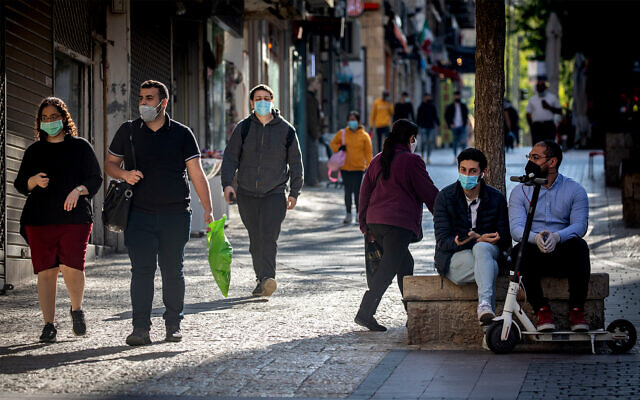
The expected easing of restrictions came as Health Ministry officials and police expressed concern over weakened public discipline over the weekend, with thousands of Israelis flouting social distancing rules and flocking to beaches, parks and markets.
Photos and video showed many people did not keep to distancing rules and did not wear masks outside. A senior police official told Channel 13 news that there was a “significant weakening of discipline” among the public regarding adherence to coronavirus restrictions and said police were still enforcing restrictions with fines.
The Health Ministry considers the coming week to be crucial for determining a time frame for reopening the economy. Officials will gauge the effects of recent reopening measures to make their decisions going forward.
The Health Ministry believes that if the recent easing of restrictions has increased infections in Israel, it will become apparent in the coming days, Channel 13 reported, citing senior officials in the ministry.
As the number of new infections slowed, the government has begun loosening restrictions meant to contain the pandemic, such as lifting the limit on the distance Israelis can exercise from their homes and allowing many businesses to reopen.
Israel has seen the number of daily diagnosed infections dip to under 100 a day. The death toll from the virus is at 234.


The Times of Israel Community.