

Despite coronavirus, event organizers say the show must go on (later)
From Bach to jazz, and Koolulam to the Israel Festival, Israeli directors work on last-minute changes and delays, contend with cancellations, as COVID-19 scrambles their plans
 Add ToI as a Preferred Source on Google
Jessica Steinberg, The Times of Israel's culture and lifestyles editor, covers the Sabra scene from south to north and back to the center
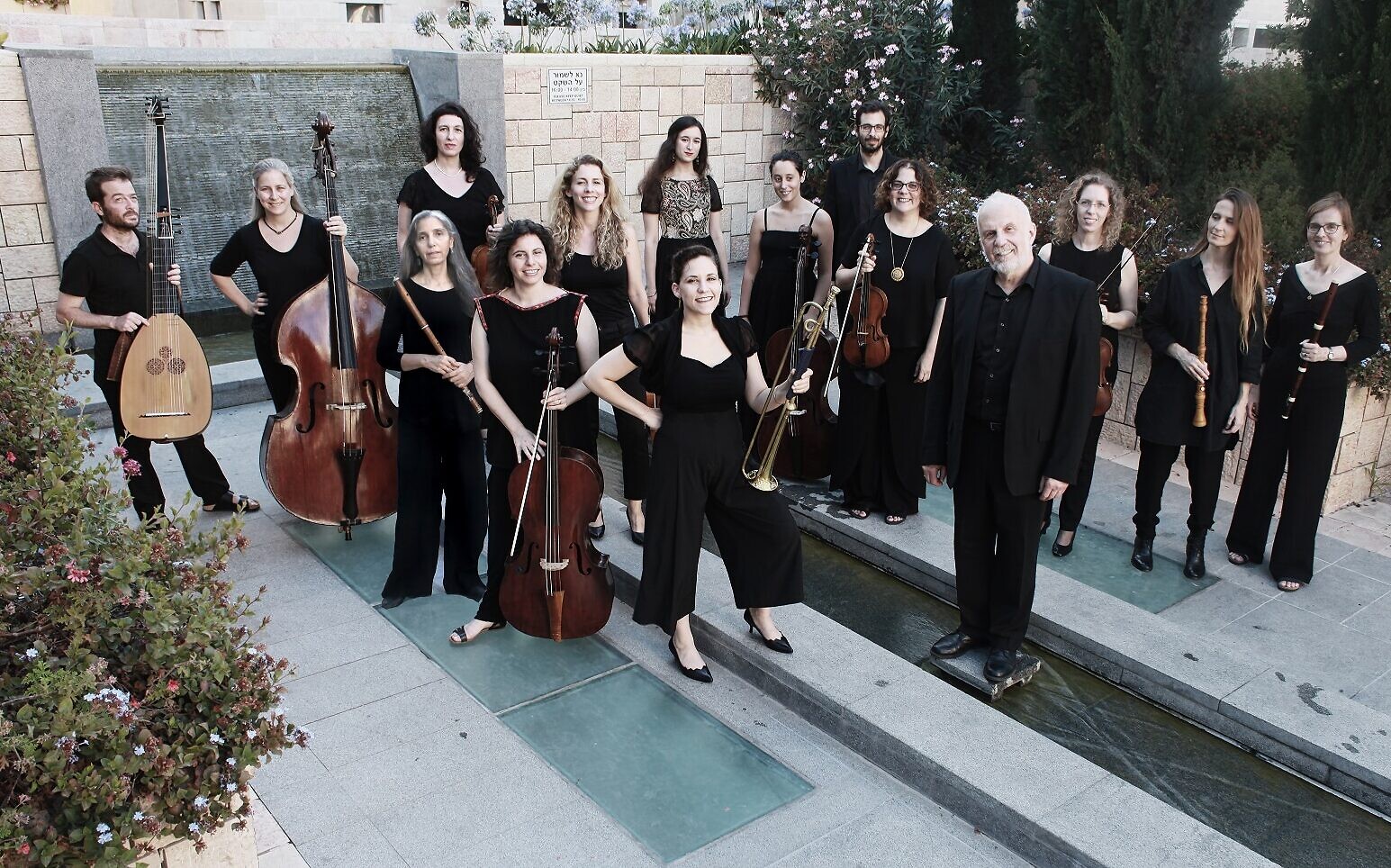
With coronavirus fears gutting global travel and prompting bans on large gatherings, from sporting matches to concerts, Israel’s concert and festival calendar is starting to feel the effects.
But for the organizers of most concerts, from rock and pop to classical, the goal is always the same — to make sure the show goes on, eventually.
So far, there are no cancellations from any of the big-name performers planning to come this spring and summer, including Morrissey in May, the Red Hot Chili Peppers in June, and Iron Maiden in May, promoters said.
The Morrissey and Iron Maiden events, which are being held at smaller venues, are within the Health Ministry regulations of gatherings under 5,000 participants, said a spokesperson for promoter Shuki Weiss.
But many organizers are grappling with cancellations of performers from Europe, or contemplating future problems.
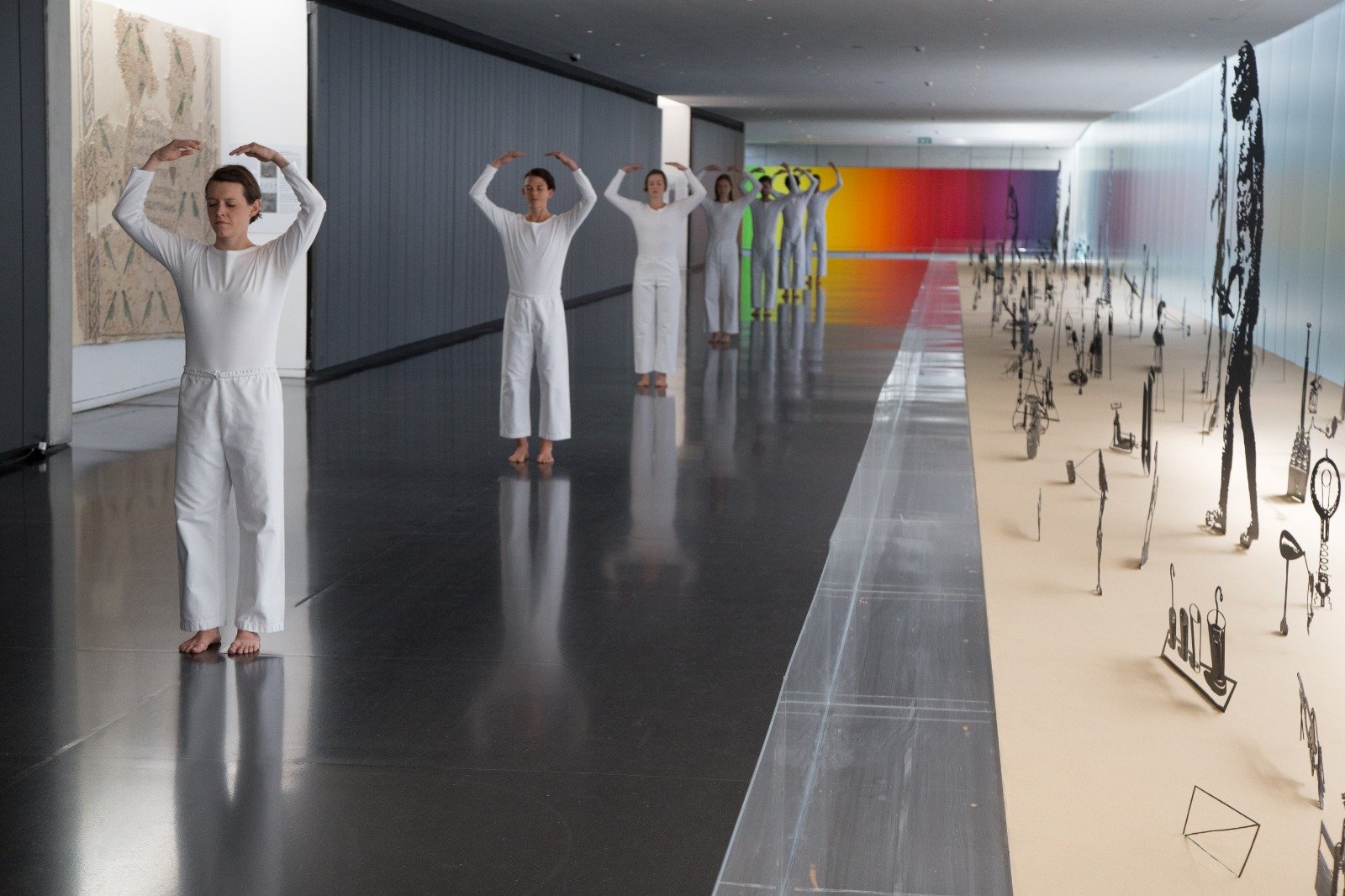
Jerusalem’s Israel Festival, held on June 4-20, and including dozens of concerts, dance performances and stage works, will still go on, but there are many unknown details at the moment, said director Eyal Sher.
“Everything keeps changing very quickly, from one day to the next,” said Sher.
As of March 10, Israel had 50 confirmed COVID-19 cases, most of them people returning from abroad. Health officials have mandated a strict quarantine regimen for many Israelis returning from several European and Asian countries, and has banned the entry of non-residents from a number of countries.
While Sher has made no changes to the dates of the festival, he has already postponed a press conference scheduled for March 24 in which festival directors share the details and dates of performances with local press.
For now, he figures that the press conference and ticket sales will happen after Passover, around April 19.
“It’s clear that no one wants to buy tickets for an event with 50 people or 500 people right now,” said Sher. “Audiences could ask for their money back because they’re under quarantine, or an actor won’t be able to come because they’re under quarantine.”
This year’s festival includes one group from Italy, which has more cases than anywhere outside China and is under lockdown. There are also two groups from France and three from Spain, which have also seen hundreds of COVID-19 cases.
Israel has banned non-residents who were in Italy over the past 14 days, and only allows those coming from France or Spain in if they can self-quarantine for 14 days.
“If the festival was today, they wouldn’t be able to come,” said Sher.
The logistics of a three-week festival held in multiple locations throughout Jerusalem complicates matters. Sher is thinking about lighting crews who could get sick, and about concerts held in Sultan’s Pool just outside the Old City walls, which seats 6,000 and is considered too large a gathering under current health regulations.
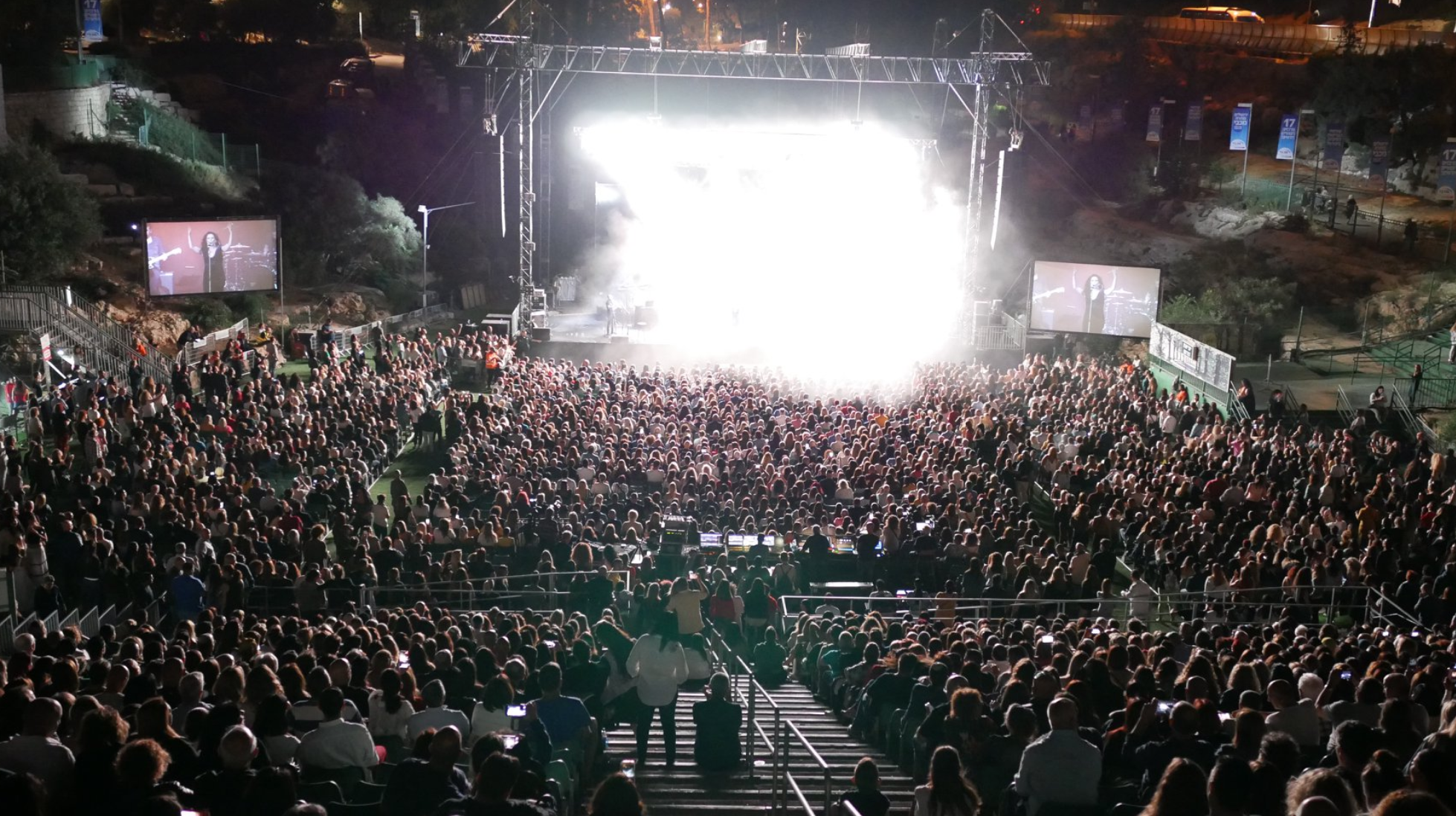
There are the visas to procure for visiting performers, shipments of sets, hotel reservations for performers and rental chairs, but for now, said Sher, he’s sitting tight.
“We have the luxury of knowing it’s not until June, but there’s the possibility it will be postponed or canceled,” he said. “If that happens, it means we’ll all be in a terrible situation, so it’s all in proportion to that.”
Koolulam, the social music initiative that had sold out tickets for its Spring Unplugged tour in four Israel locations from March 17 through April 30, decided to “suspend” the tour for now, said Michal Shahaf, one of the co-founders of Koolulam.
They plan to reschedule the dates, and offered to either honor tickets on the new concert dates or reimburse the buyers, according to the Koolulam website.
A performance scheduled for last Friday at Tel Aviv’s Hangar 11 with Avraham Tal and Netta Barzilai was canceled when Barzilai had to enter quarantine after a recent trip to Spain.
I was I madrid for less Then 16 hours Wich is sad, but I ate 3 magical Doughnuts and took 3 pictures outside my hotel so I'm totally fine.@emilionaranjof ????
Posted by Netta Barzilai נטע ברזילי on Tuesday, March 3, 2020
Other upcoming performances have already shifted and changed, as some performers were quarantined and others couldn’t get to Israel.
The San Remo Festival featuring two Italian singers and scheduled for April 10 and 11 has been rescheduled for September 2 and 3.
The Israel Philharmonic had to find a substitute for Austrian percussionist Martin Grubinger, who was slated to perform on March 11 through 14, so it nabbed Finnish clarinetist Osmo Vänskä, who will perform a concerto from Mozart.
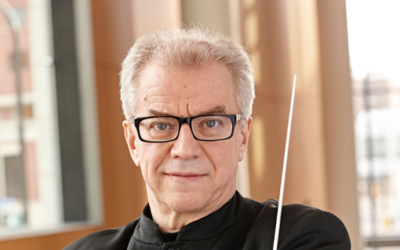
Vänskä was already in Israel when the new restrictions for travel from Austria were announced by the Health Ministry, said a Philharmonic spokeswoman.
So far, the Israel Philharmonic Orchestra hasn’t canceled any of its upcoming concerts, but it has changed the program where necessary.
As a gesture to music lovers in quarantine, the orchestra will broadcast a live concert on Wednesday, March 11 at 8 p.m., on the IPO website from the Charles Bronfman Auditorium, conducted by Vanska. The program includes Bach-Skrowaczewski: Toccata and Fugue in D minor; Mozart’s Clarinet Concerto and Sibelius: Symphony no. 5.
Another classical music festival, the Bach in Jerusalem festival from the Jerusalem Baroque Orchestra with David Shemer, will go on with its concerts from March 14-20, but with some different performers.

Polish violinist and conductor Martyna Pastuszka agreed to participate in the main events of the Bach festival, scheduled for March 17-19 in Jerusalem, Tel Aviv and Haifa. She’ll be joined by Israeli bass singer Oded Reich who is currently under quarantine and is expected to be released in time.
The festival organizers found out last Wednesday that artists from France and Germany wouldn’t be able to come, said CEO Gili Alon-Bitton.
“It took around 15 minutes to pull ourselves together,” said Alon-Bitton. “But we make music and that’s what we know how to do and that’s what we’ll keep on doing until we’re not allowed to.”
By Friday, they had a new program that included Polish musician Pastuszka and Israeli soloist Reich.
“I know some of the audience members are worried, but we’re happy we get to have the main concert,” she said. “And we have some other things in the drawer if Pastuszka has to drop out because of a worsening coronavirus situation in Poland.”
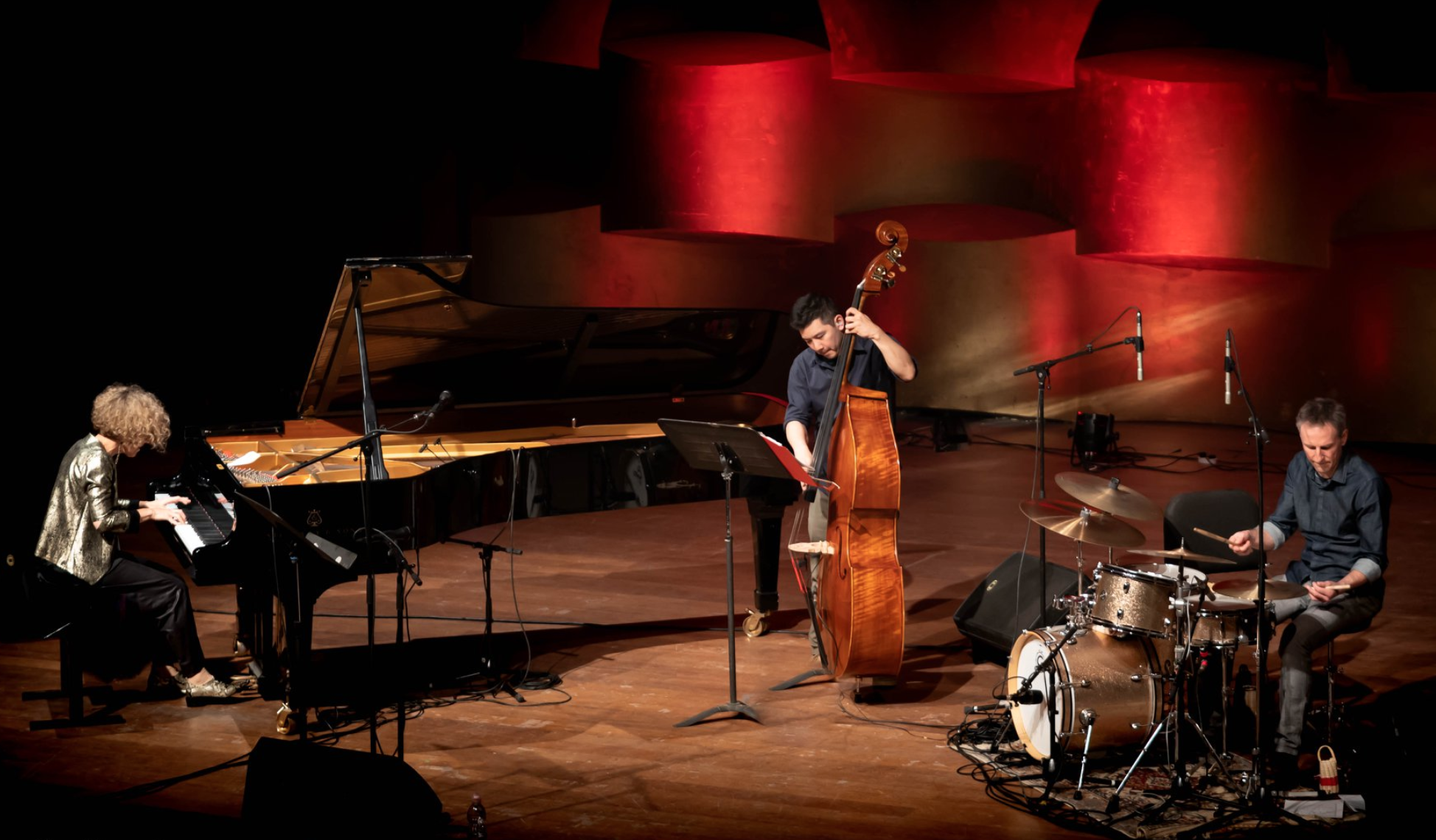
At the Felicja Blumental Music Center in Tel Aviv, which is hosting the Felicja Blumental International Music Festival at the Tel Aviv Museum of Art on March 16-21, director Avigail Arnheim had to find a new orchestra when her Swiss ensemble canceled ten days ago, along with a French soloist and Israeli musicians from Germany.
“What to do, what to do?” said Arnheim. “It’s a year and a half of work, of preparations, of fundraising, and we had to find something that would fill this hole.”
Arnheim and her team quickly found musical replacements for the festival, which celebrates classical, ethnic and jazz music. They found most of their new musicians in the local Israeli scene, and she’s hoping a band from Portugal will still be able to come.
“We want it to go on and we don’t want to cancel, even though the audience is concerned,” said Arnheim. “We think it can still work and no one has to be worried that it won’t work.”








The Times of Israel Community.