

Extremism takes center stage in NY production of ‘Martyr’s Street’
Proliferation of political plays in the US attempt even-handed portrayal of Palestinian-Israeli conflict
- See more Times of Israel on Google - add us as a Preferred Source
Reporter at The Times of Israel
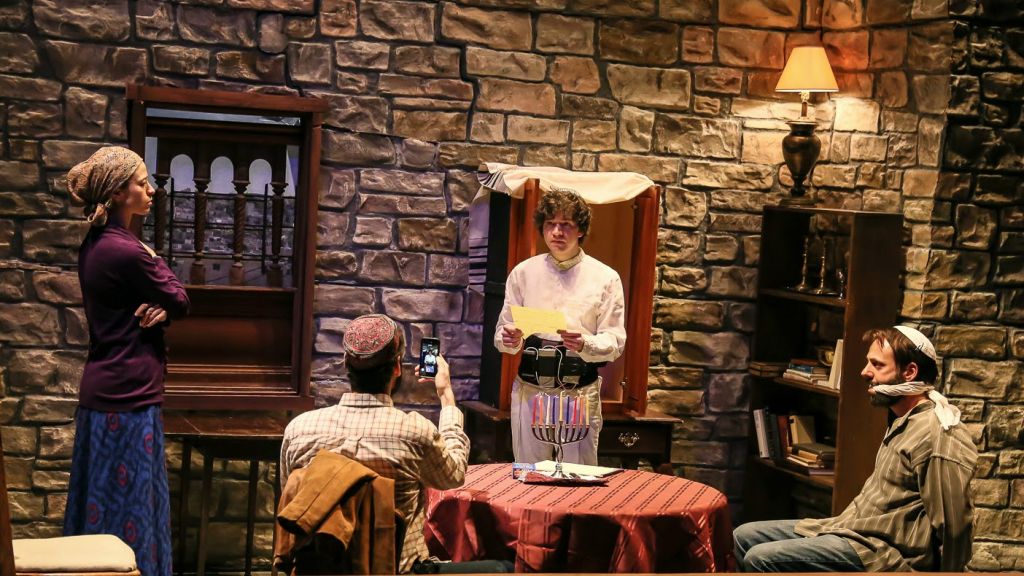
NEW YORK – A Hamas bomb maker meets with a militant Jewish activist and together they strike a deal.
“We’re both fighting the same thing,” Tsadok (Jonathan Raviv) tells Nimer (Haytem Noor). The same thing for these men is an Israel in which Israelis and Palestinians coexist.
So opens “Martyrs Street,” Misha Shulman’s new play about the Israel-Palestinian conflict that explores the power and seduction of extremism.
“I spend a lot of time thinking about the conflict and teaching about it. I tried to give a critical eye to it in the play,” Shulman said. “I hope this play is a platform for people to talk about the issue because people are understanding we are at a crossroads in Israel when it comes to our future.”
The play runs through April 26 at New York’s off-off-Broadway Theater for the New City (TNC), a playhouse known for political plays. Some performances of “Martyrs Street” are accompanied by lectures, including two by former MK Avraham Burg, and anti-settlement organization founders Tamar Glezerman from Israelis for a Sustainable Future and Simone Zimmerman from IfNotNow#. The final performance includes a talk by Ari Roth, director of Mosaic Theater in Washington, DC, who was dismissed recently after 18 seasons as director of Theater J at the DC Jewish Community Center.
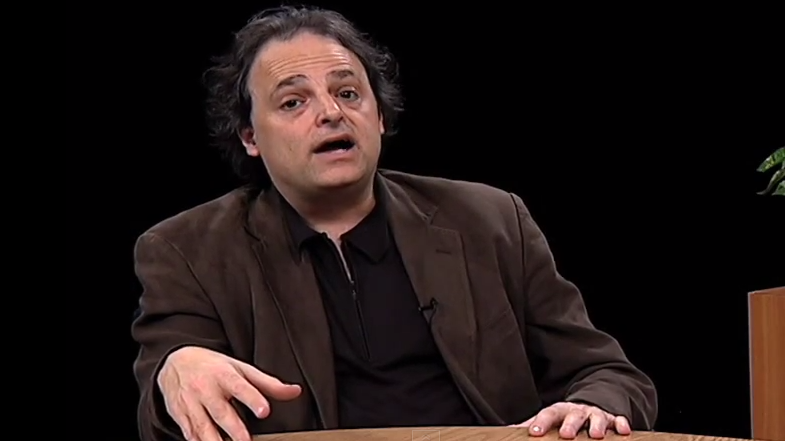
Presenting work about Israel and Palestine can be challenging, Roth told The Times of Israel.
No stranger to producing and staging works by Israelis critical of the country’s government policies, Roth said the proliferation of such works is “very significant and demonstrates that we’re in a new period exploring the situation from a multi-cultural viewpoint.”
Several blocks away from TNC, The New York Theater Workshop recently staged the controversial play “My Name is Rachel Corrie.” The 90-minute, one-woman play was about the American activist who died in Gaza in 2003 after being crushed by an IDF bulldozer.
Also, in Boston’s ArtsEmerson, the play “Ulysses On Bottles” tells the story of an Israeli-Arab literature teacher and an Israeli-Jewish attorney who meet in prison. It explores their different reactions to the situation in Gaza.
“People feel a compelling need to do something given the urgency of the situation in Palestine and Israel,” Roth said. “We’re looking at the possible death of a two state solution. If there is no political solution then can there be a cultural solution? Where does the citizen fit in and change the situation?”
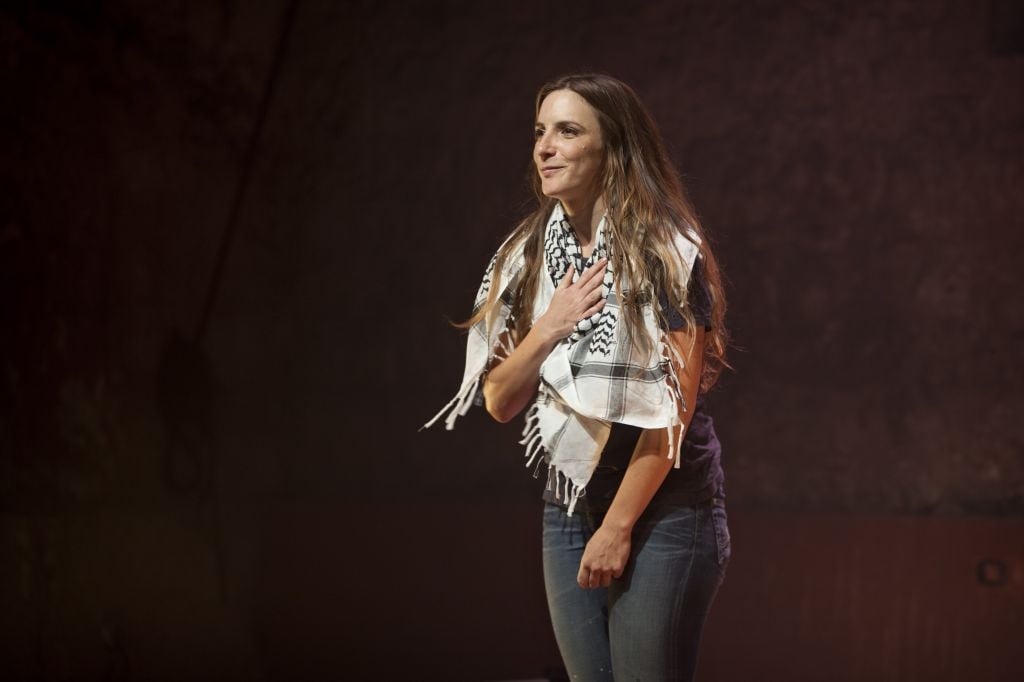
Playwright Shulman takes no sides during the nearly two-hour long play. Instead, he said he seeks to examine the choices people on both sides make to protect their families, as well as the ways fanaticism dominates much of the discourse.
“Martyrs Street” won the Canadian Jewish Playwriting Competition and the Across the Generations International Playwriting Contest. It also received Honorable Mention from the Middle East American Theater Initiative.
The play takes place during Hanukkah and revolves around two women and their families, one Jewish, one Palestinian. The stage of the Theater for the New City has been transformed into the women’s homes on Martyrs Street, the main commercial street in Hebron. Only a narrow alley separates the houses.
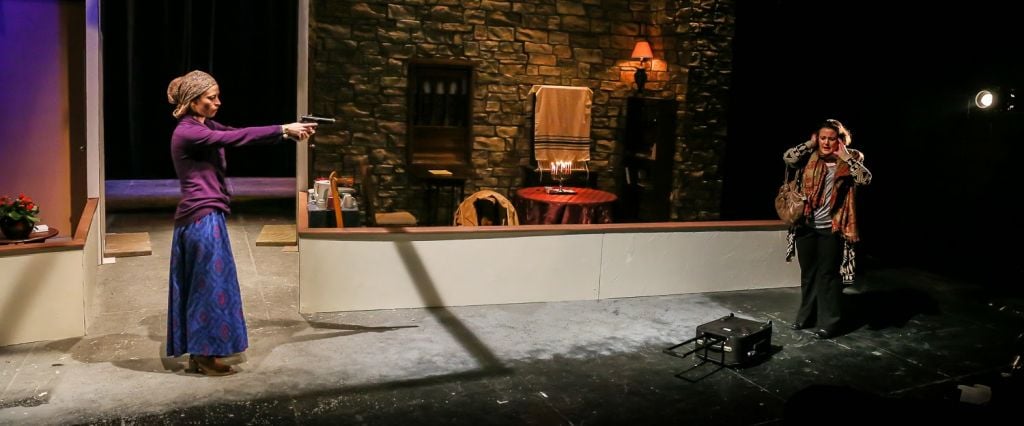
Dvorah (Nicole Kontolefa) is a religious, unmarried, pregnant woman. She immigrated to Israel from Brooklyn in search of the proverbial meaning of life. She lives in an unauthorized Jewish settlement.
Next door lives Noor (Maria Silverman), the widowed mother of 16-year-old Aisha (Dahlia Azama) and Nimer, the bomb maker. Noor forgoes the hijab and, much to her family’s chagrin, spends time alone with her late husband’s friend Salim (Alok Tewari).
Both women face eviction from their homes within in 30 days. To avoid this, Tsadok decides to send a suicide bomber into Jerusalem to blow up left-wing Jews. He believes the violence will force the government to rescind its order, thereby allowing the settlers to remain. The bomb maker readily sells the weapon, and believes Israeli government reprisals will encourage other Palestinians to rally around his cause.
“Initially I worried it was a bit much. I asked myself ‘Is this realistic?’” Shulman said.
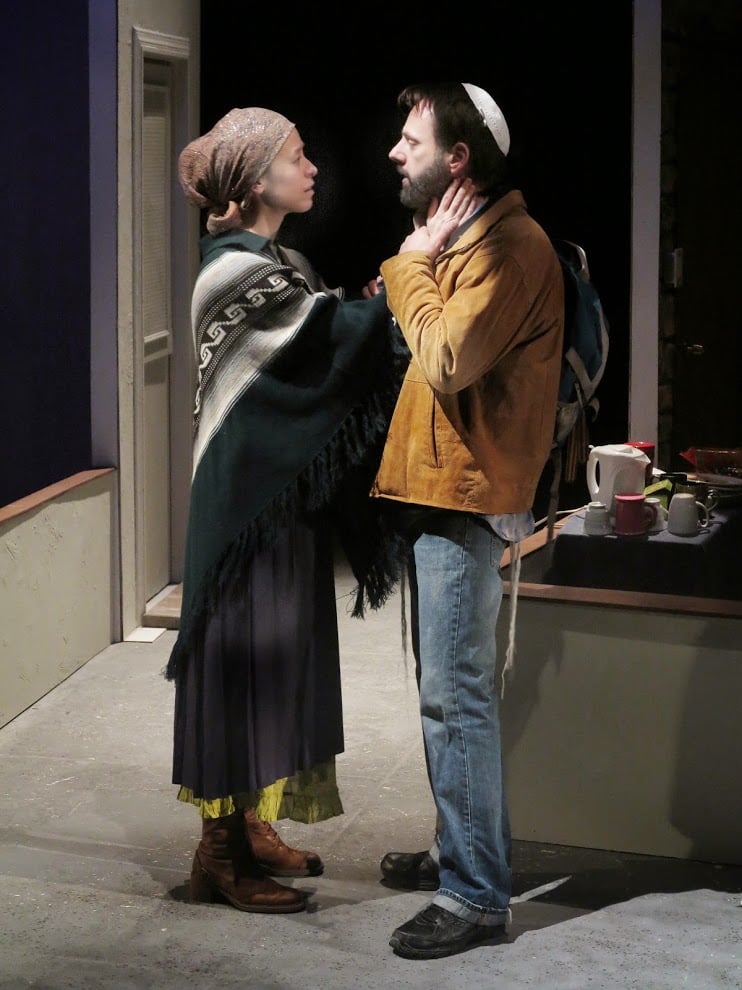
“I wasn’t completely confidant about the play until I saw the conflict this summer. Both Israeli and Palestinian societies became more extreme. I saw right-wing Jews attacking left-wing Jews. Hamas executed those they called traitors. I saw both sides using violence to justify their position,” he said.
Shulman’s plays tap into his personal history. His parents made Aliyah to Israel separately. His father emigrated from Iowa shortly after the Six Day War; his mother came a few years later.
“My dad came filled with Zionist fervor and conservative Jewish beliefs,” Shulman said. “He journeyed from being initially very enthused to becoming very disappointed about what was happening in reality. He became a peace activist.”
Shulman and his brothers grew up in Jerusalem. He served as a Commander in the Israeli Defense Forces. But he didn’t start writing plays until after his military service when he moved to the United States in 1999. He also runs the School for Creative Judaism in New York City.
Shulman’s visit to Hebron nine years ago with the Israeli NGO Breaking the Silence: Israeli Soldiers Talk About the Occupied Territories inspired the play. During his visit the playwright listened to Jews and Palestinians speak about their physical and emotional attachment to the land.
As such Hebron is as much a character in the play as the actors.
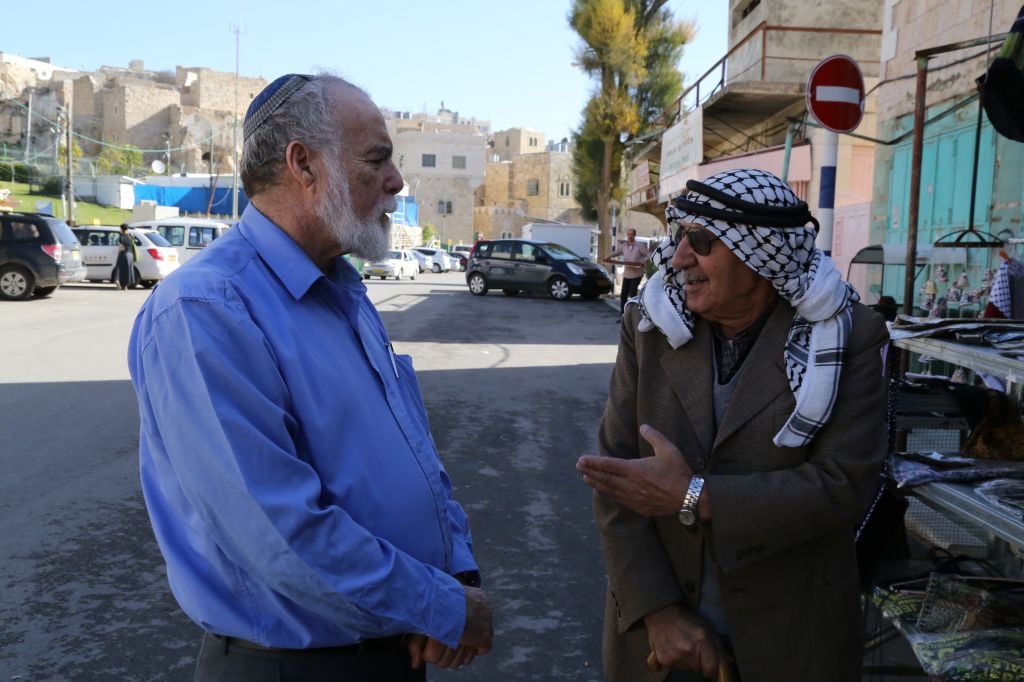
“It’s a holy city, holy to everybody. It pre-dates Moses, going back to the origins of what it means to be Jewish. The ancestors buried there appear in the Qu’ran and are holy to Muslims,” Shulman said. “It had been a beacon of coexistence. It was a little microcosm of possibility.”
Until it wasn’t. In 1929 Arabs massacred 67 Jews, including women and children, and wounded 58. In 1994 American Israeli Baruch Goldstein massacred 29 Arabs and wounded 125 as they worshipped outside the Tomb of the Patriarchs.
Hebron ‘had been a beacon of coexistence. It was a little microcosm of possibility’
That the nearly two-hour long play doesn’t favor one side might bother some theatergoers, said Ian Morgan, who directed the play’s world premier.
And that’s just fine with the long-time director.
“I’m attracted to plays that live in a question. This one doesn’t try to provide any answers, or to preach or to give a political perspective,” Morgan said. “It has an inherent political perspective by giving equal weight to extremism on both sides. One thing the play does well is to be sympathetic and at the same time very hard on both sides.”




The Times of Israel Community.