

Drought makes Israeli wildflowers change bloom schedule, study finds
Hebrew University team finds timing of water shortages matters more than duration, with fall and spring droughts narrowing flowering season
 Add ToI as a Preferred Source on Google
Sue Surkes is The Times of Israel's environment reporter
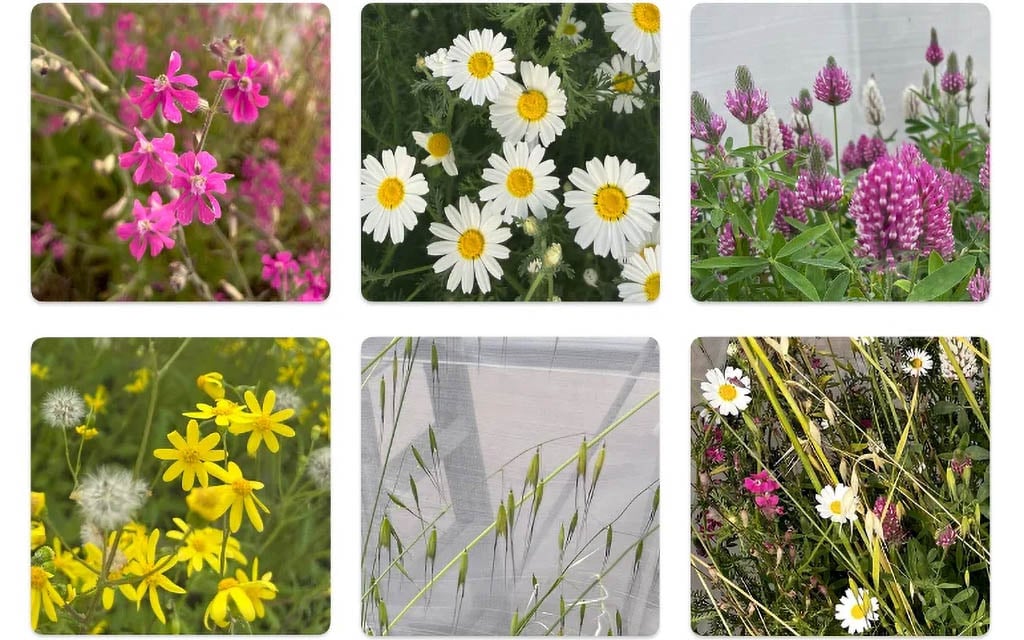
Hebrew University scientists have discovered that drought can shorten the amount of time that certain Israeli wildflowers will bloom — but instead of flowering closer together to make the most of the limited time and water, the species spread their flowering out.
An autumn drought delayed flowering, while a spring drought brought it to an earlier end. When five species were grown together, each bloomed for a shorter period and at a slightly different time.
“Each species used the available water at a slightly different stage,” explained PhD student Barel Tsafon.
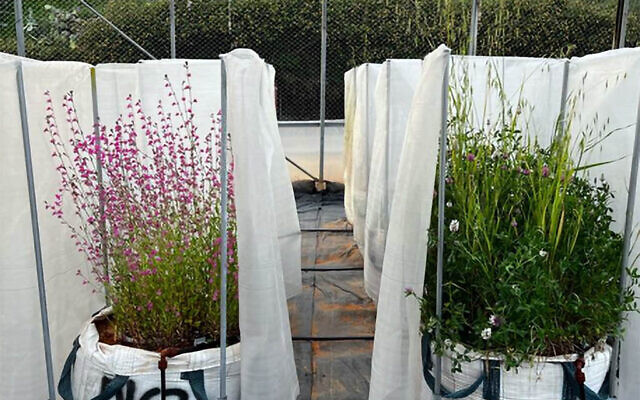
Tsafon said the discovery was made through a long-running greenhouse experiment, which will enter its fifth year this fall. Noting that nature is far more complex than greenhouse conditions, he explained that further repetitions of the experiment will yield more information on the impact of drought on the population size of each species.
The research, whose findings should help scientists who follow the effects of climate change on ecosystems, was published Monday in Ecology Letters.
Tsafon said the next step is a long-term project to gather worldwide data via the citizen science organization, iNaturalist.
The database has already been built, and Tsafon and fellow PhD student Or Gross will shortly formulate questions about flowering times of multiple species in nature in Israel and overseas.
While the influence of temperature on blooming times has attracted significant research worldwide, it has largely focused on tropical plants, where temperatures change but water is available year-round, Tsafon said.
“We wanted to see what happened when water is limited [at different times],” he went on. “When water availability is researched, people usually look at the length of the drought, not the timing.”
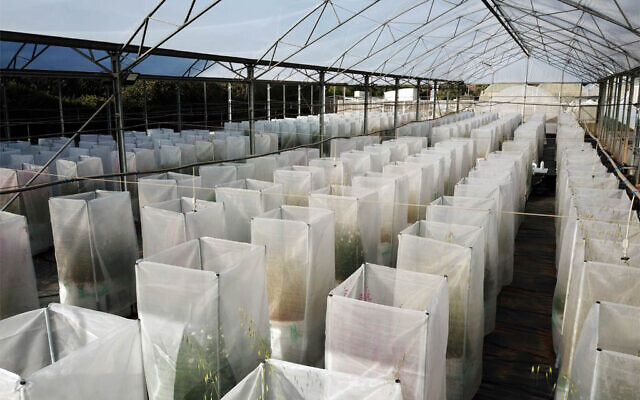
Tsafon and Gross, working under the guidance of the Agriculture Faculty’s Prof. Niv DeMalach, grew thousands of plants from five common Mediterranean species in greenhouse conditions. The plants experienced identical reductions in water, but the “droughts” occurred either at the beginning, middle, or end of the rainy season. Some plants were grown alone, while others were grown together to examine how neighboring species influence one another.
“We expected that a drought in the middle of the winter would be the main influence [on flowering],” Tsafon said, “and that at the start and end of the flowering period, they would overlap more to exploit the [shortened flowering] window. We never thought that with a narrower window within which to flower, they would separate more.”
Droughts in the middle of winter had no detectable effect on flowering.
Tsafon said the team did not check for altered behavior among pollinators because of the reduced flowering time available due to drought conditions.










The Times of Israel Community.