

5 Palestinian students and faculty sue Columbia University, claiming discrimination
Lawsuit alleging a hostile environment amid anti-Israel protest movement is latest fallout from demonstrations that rocked campus after October 7 Hamas attack and start of Gaza war
 Add ToI as a Preferred Source on Google
Luke Tress is The Times of Israel's New York correspondent.
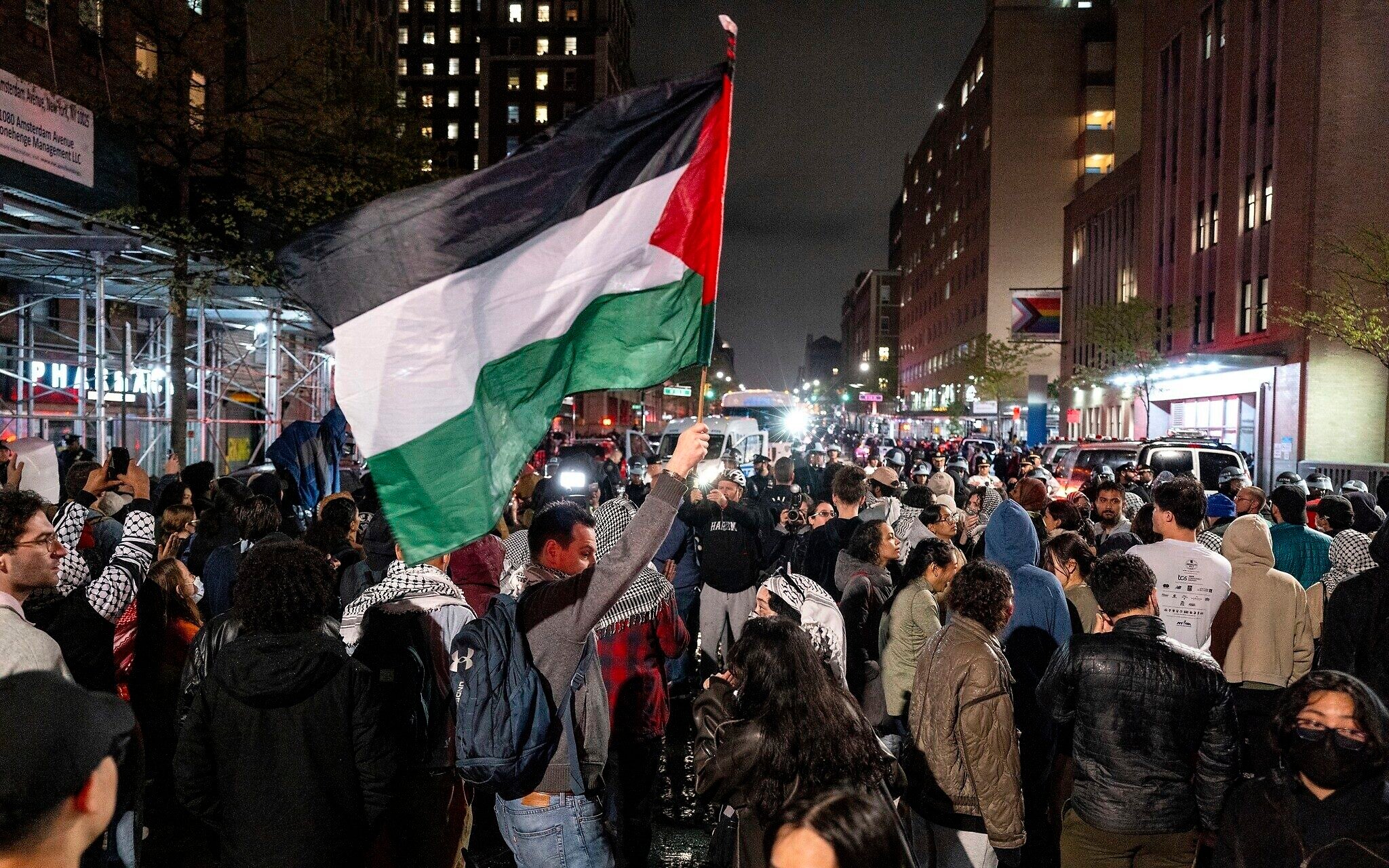
NEW YORK — Five Palestinian students and faculty on Monday sued Columbia University in New York City for alleged discrimination based on their Palestinian identity.
The lawsuit, filed in a New York State court, claimed the university had failed to protect Palestinians on campus and “actively encouraged” harassment against them.
The plaintiffs said the campus atmosphere had harmed their academic work, life on campus, and physical and mental health.
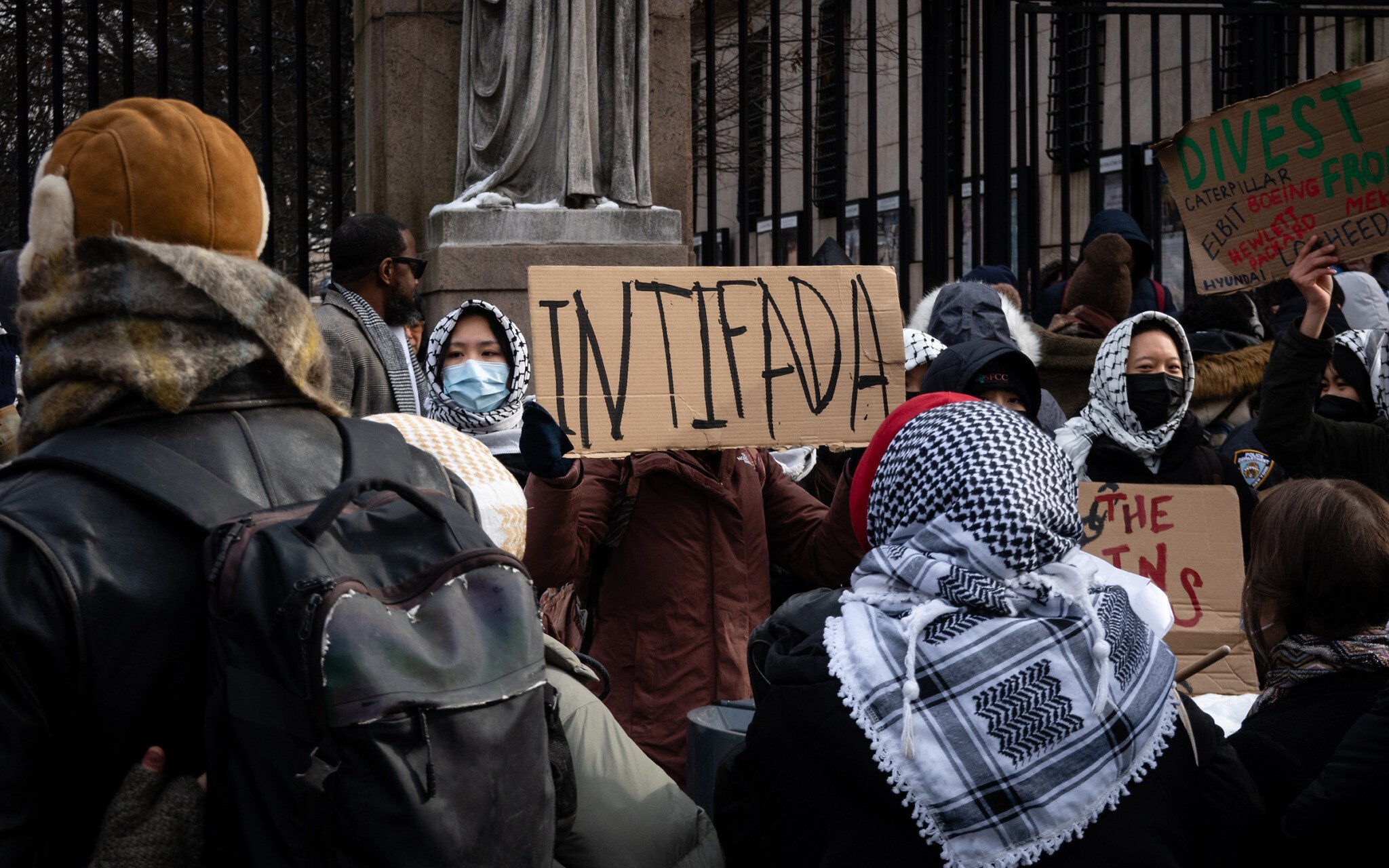
The claims are part of the ongoing fallout from the anti-Israel protest movement that rocked the campus after the Hamas-led October 7, 2023, attack and start of the war in Gaza.
Columbia has been hit with a series of lawsuits related to the protests from both pro- and anti-Israel students. The school has also come under sustained criticism from Jewish and pro-Israel leaders for not doing enough to curb pro-Palestinian, anti-Israel protests.
The plaintiffs in the lawsuit claimed that Palestinian students had been “physically accosted,” targeted with ethnic slurs on campus and subject to discriminatory treatment from the university.
The university told The Times of Israel that it cannot comment on pending litigation.
In one of the incidents, the lawsuit says, protesters were attacked with a “foul-smelling chemical substance” causing “severe physical injuries.”
That claim is a repeat of allegations that have been rehashed at length. Protesters at the time had claimed the incident was a “chemical attack” and sought treatment at a hospital, but an investigation later found that the substance was a novelty, non-toxic gag “fart spray” bought on Amazon.
The lawsuit additionally said the plaintiffs had been doxxed, or publicly identified, by off-campus groups, causing them distress, and that Columbia “failed to meaningfully respond.”
The plaintiffs argued that Columbia’s actions to rein in protests were motivated by discrimination against Palestinians.
For example, the case said that Columbia had used private investigators to research an event featuring support of terrorism held by students and suspended students involved, and that the suspensions were evidence of “disparate treatment” based on nationality, race and shared ancestry.
The lawsuit argued that Columbia’s Task Force on Antisemitism was “asymmetric and discriminatory” because the university did not “establish any comparable mechanism to protect its Palestinian students.”
The task force, comprising Columbia faculty, found widespread, “crushing” discrimination against Jews on campus in a 2024 report.
The lawsuit also criticizes the school’s immediate response to the October 7 attack. Then-university president Minouche Shafik’s statement on October 9, 2023 — two days after the invasion of Israel — called the attack “horrific” and expressed sympathy with Columbia community members who were affected. The lawsuit said the statement “completely ignored the experiences of its Palestinian community members, leaving them to feel abandoned and unsupported.”
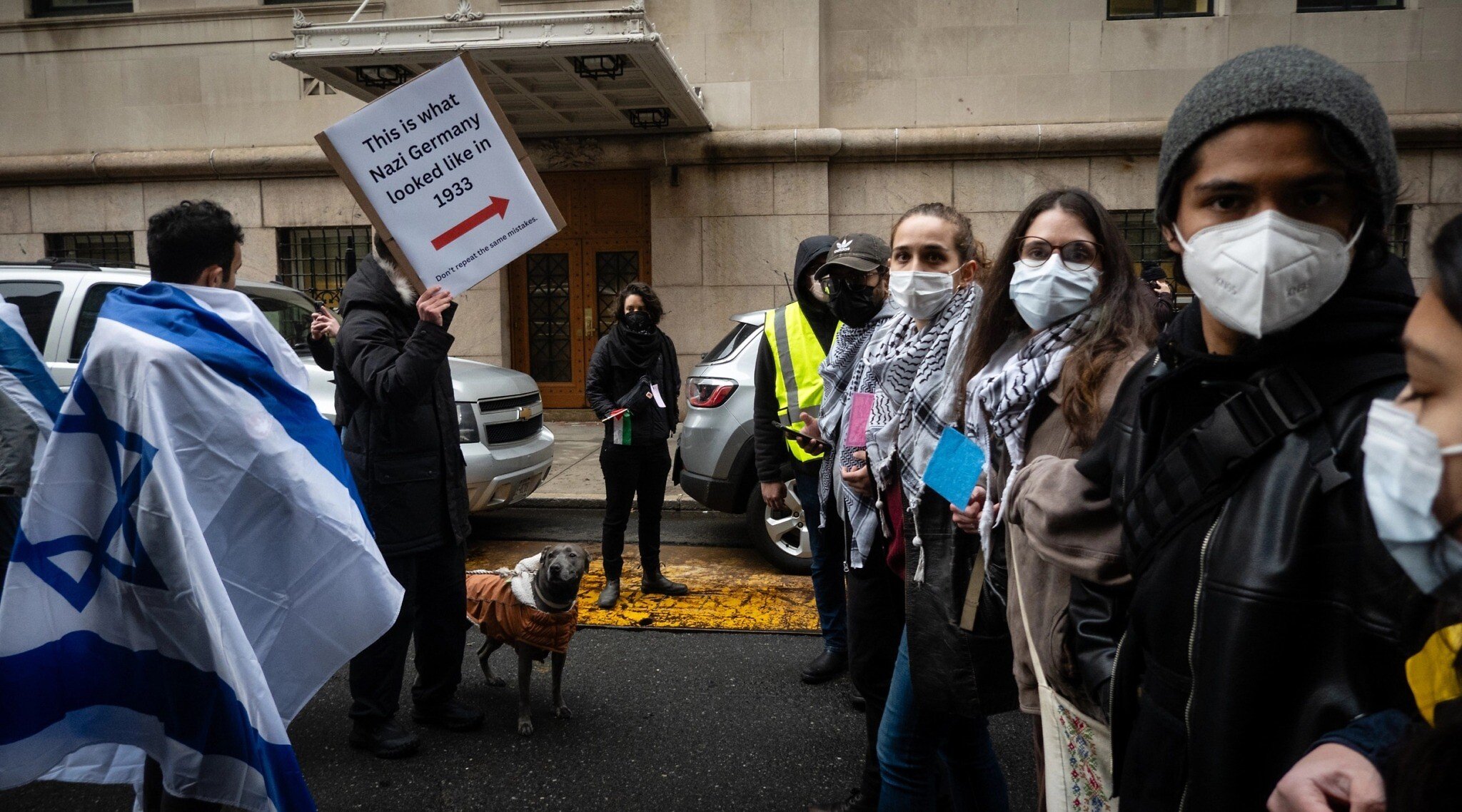
Fliers posted on the campus that said “Hamas was raping Israeli girls” created a “hostile environment” for Palestinian students, the lawsuit said.
The plaintiffs also faulted the university for its use of police to clear out protesters who had forcibly occupied a campus building, and for the university’s cooperation with federal investigations into antisemitism on the campus.
The lawsuit claimed discrimination under New York City human rights law and requested an unspecified amount in damages as compensation.









The Times of Israel Community.