

Final election results delayed due to ‘extra checks’ in some 20 polling stations
With 99.9% of ballots counted, Likud has 36 seats to Blue and White’s 33; results unlikely to fluctuate further
 Add ToI as a Preferred Source on Google
Raoul Wootliff is a former Times of Israel political correspondent and Daily Briefing podcast producer.
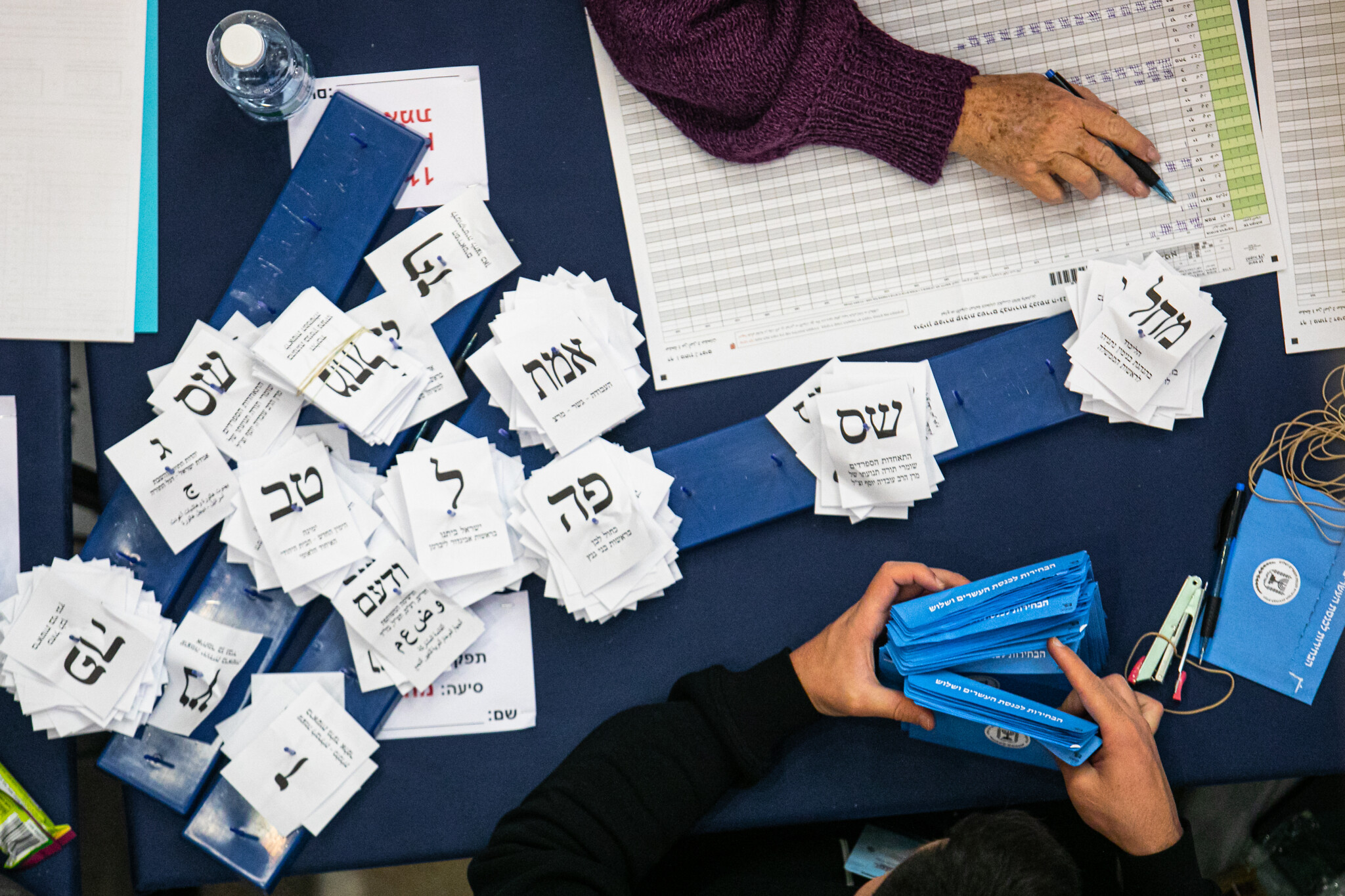
The publication of final results from Monday’s general election have been delayed due to additional verification of a number of polling stations and requests for specific recounts from a number of parties, the Central Elections Committee confirmed Thursday morning.
The committee had initially estimated that final but unofficial results would be published on Wednesday evening, but has had to push off the final publication due to “a couple of dozen polling stations where we are doing extra checks, in-depth checks, and a few petitions from parties over some of them,” spokesperson Giora Fordes said.
Regardless, the official results will only be published on March 10.
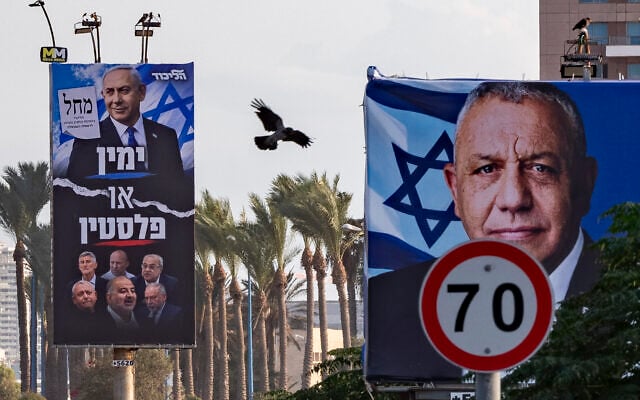
For now, with 99.9 percent of votes counted, Prime Minister Benjamin Netanyahu’s Likud party is out front with 29.48% of the 4,602,297 votes cast and is set to win 36 seats in the 120-seat Knesset. Benny Gantz’s centrist Blue and White faction is currently at 33 seats with 26.59% of the ballots.
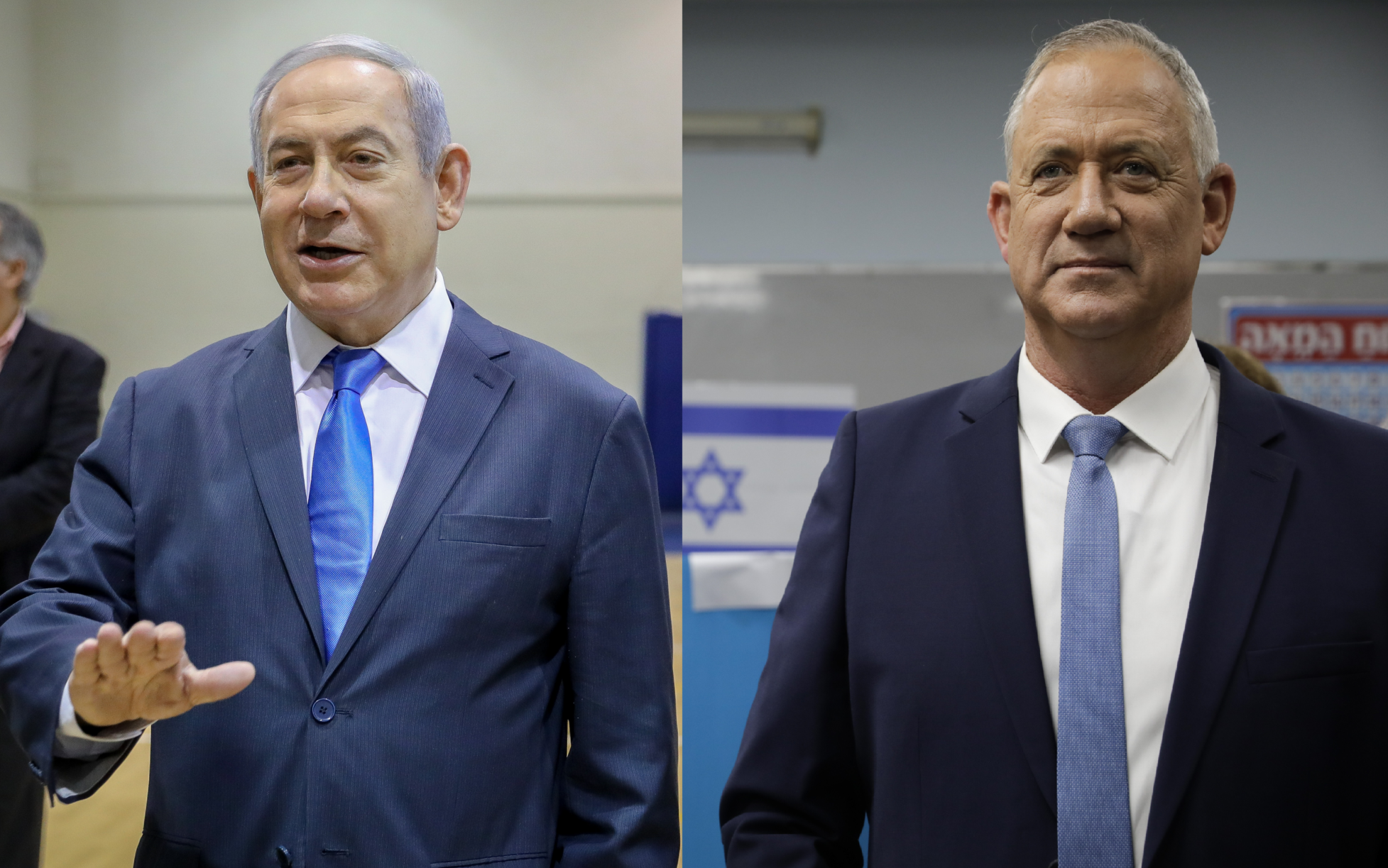
As “double envelope” ballots cast by soldiers, diplomats and other absentees, were being tallied, the Central Election Committee updated the count Wednesday morning, giving both Likud and Blue and White an extra seat apiece, but leaving the premier’s bloc of right-wing supporters at 58 seats.
The double envelope ballots also caused the Joint List of predominantly Arab parties to drop from 16 seats to 15, while the ultra-Orthodox Shas party dropped from 10 seats to 9. The rest of the parties’ seat totals remained the same: seven for United Torah Judaism (UTJ), seven for Yisrael Beytenu, seven for Labor-Gesher-Meretz and six for Yamina.
Based on the current seat totals, which are highly unlikely to change, the right-wing religious bloc supporting Netanyahu — consisting of Likud, Shas, UTJ and Yamina — has 58 seats, falling short of the 61 needed to form a government.
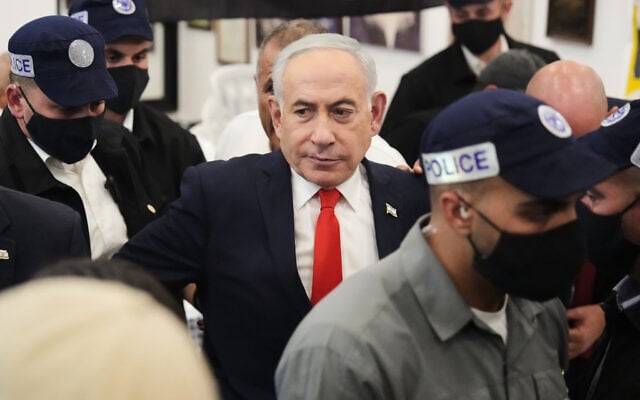
Monday’s election was largely seen as a referendum on Netanyahu, who will go on trial later this month for bribery, fraud and breach of trust but is thought to be seeking support for a legislative mechanism to grant him immunity.
Gantz admitted to supporters early Tuesday that the party’s showing was disappointing, but refused to concede. He later appeared to rule out joining a unity government led by Netanyahu, narrowing the premier’s options to form a coalition, and Blue and White on Wednesday confirmed it was working on getting a majority to support a law that would prevent an indicted prime minister from serving, which would effectively oust the premier.
Netanyahu could attempt to bring in the secularist Yisrael Beytenu, which looks set to once again play kingmaker. He’ll be helped by the prospect of continued deadlock and a fourth election, seen as a doomsday scenario, but one that is increasingly realistic.
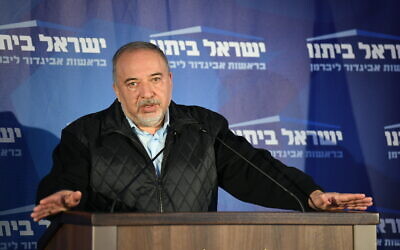
Party head Avigdor Liberman vowed Monday he would not join a Likud-led government that includes ultra-Orthodox parties, but he has also refused to join a coalition with the Arab-led Joint List.
“We won’t move a millimeter from what we promised our voters,” he said.
Likud lawmakers and Netanyahu’s spokesman said Tuesday they would be looking to bring in “deserters” from other parties to make up the shortfall.
Likud spokesman Yonatan Urich told Channel 13 of contacts with “four to six” MKs from “the other side” and predicted that Netanyahu would be able to form a majority coalition with the support of some of them “within a few days.”
Lawmakers from both Labor-Gesher-Meretz and Blue and White have denied they plan to jump ship.
Times of Israel staff contributed to this report.



The Times of Israel Community.