 Add ToI as a Preferred Source on Google
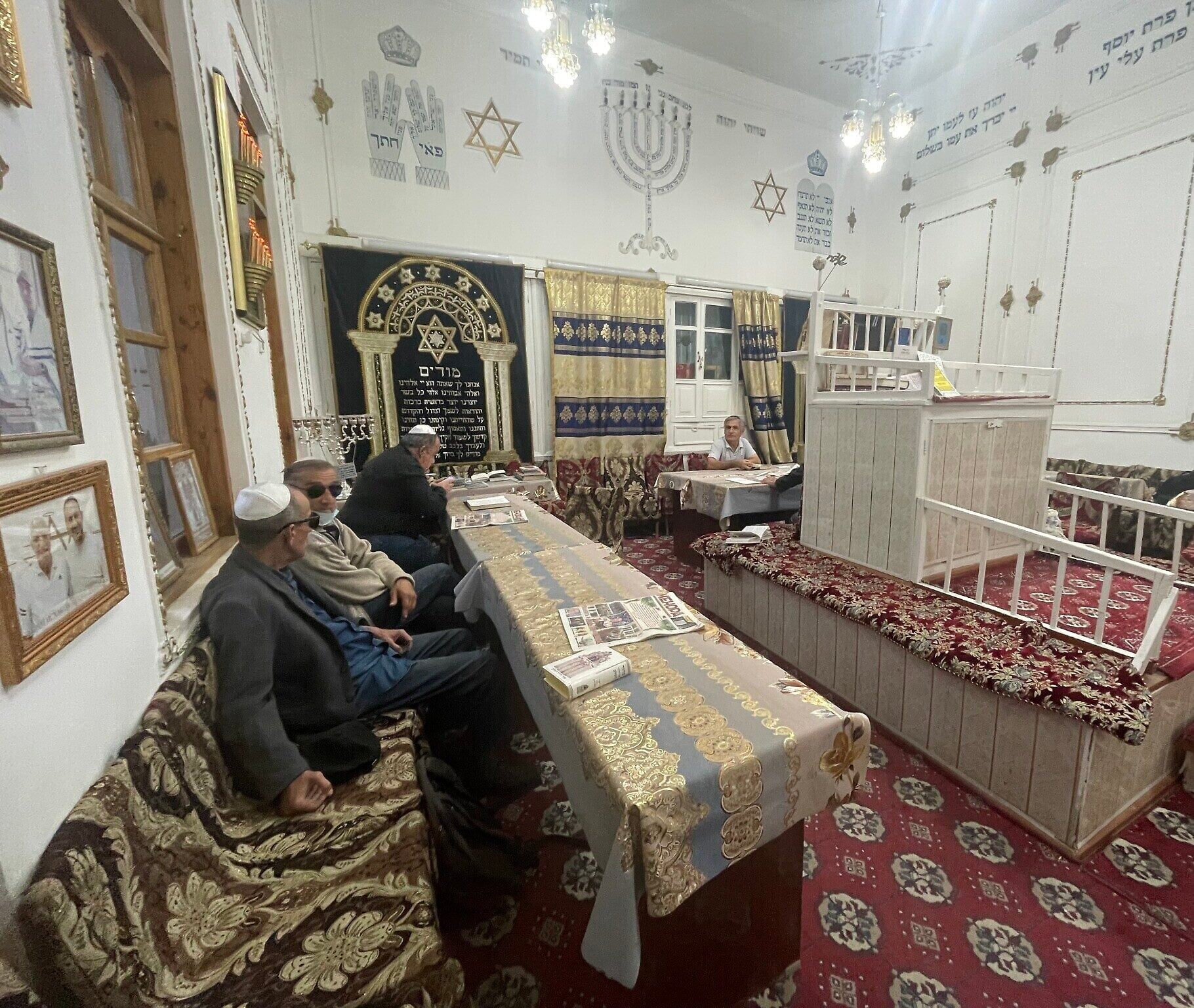
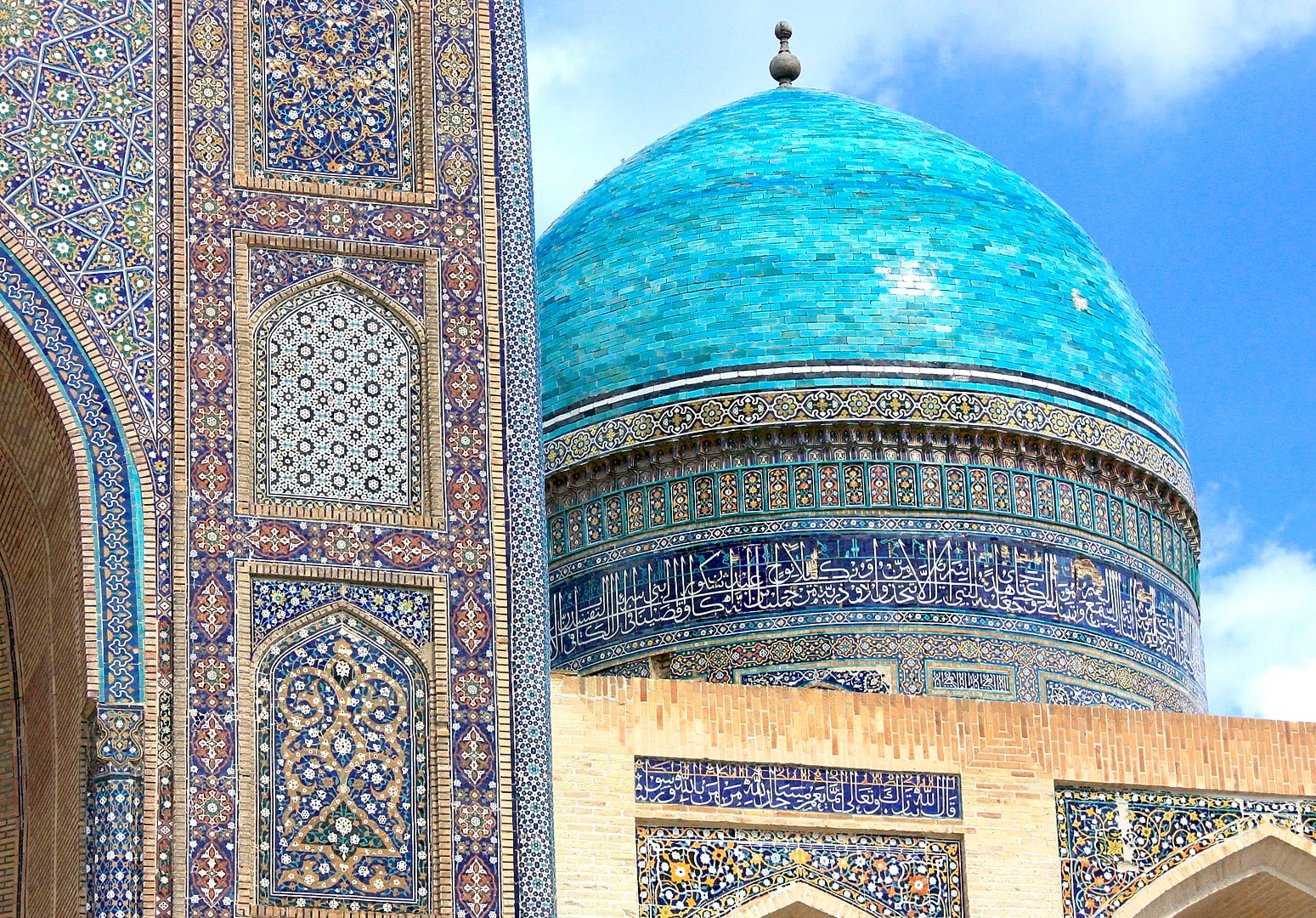
BUKHARA — You could have heard a pin drop as a small group of men (and two women) gathered on a recent Friday night inside the 300-year-old synagogue of Bukhara, Uzbekistan, on what was once the Silk Road of Central Asia.
Located behind a wall and gate, the ancient building stands on a side street of Bukhara’s old city, just off the tourist bazaar.
One man in a leather jacket read a newspaper written in Cyrillic, while a couple of elderly locals exchanged greetings before sinking back into silence.
That they were able to form the minimum 10-man quorum required by Judaism to pray communally was only thanks to the presence of this reporter’s husband, a tourist from Karmiel in Israel, and a Canadian visitor born in Bukhara.
Once the service started, Binyamin Badalov — who at 20 was the youngest there by far — sang his heart out as he led prayers from the dais.
“I love it,” said Badalov, after the service ended and the assembled hurried off for Friday night dinner.
Asked about whether he had a Jewish girlfriend, Badalov said, “There are no Jewish girls here. I’ll have to move to Israel,” an assertion with which his mother Shirin Yakubova later took issue, saying there were enough eligible Jewish women in Uzbekistan’s capital, Tashkent.
Keeping Jewish traditions alive
With an estimated 37.6 million people, Uzbekistan is the most populous country in Central Asia. While its government is secular, nearly 97 percent of the country’s population is Muslim. Uzbekistan’s roughly 10,000 Jews represent just under 0.03% of the population. Most live in the capital, Tashkent.
In the 1970s, about 100,000 Jews called Uzbekistan home, but many emigrated to Israel and the United States after the collapse of the Soviet Union. According to the 2021 census, about 1,000 Jews remain in the ancient Jewish hub of Bukhara, though Yakubova estimated that there are only 200 Jews in the city today.
Despite its tiny size, Bukhara’s community is making every effort to keep Jewish traditions alive.

In a state school set up in the 1990s in the old Jewish quarter, Muslim pupils, alongside Jews, learn Hebrew and study Jewish tradition, even though just a handful of Jewish pupils are left.
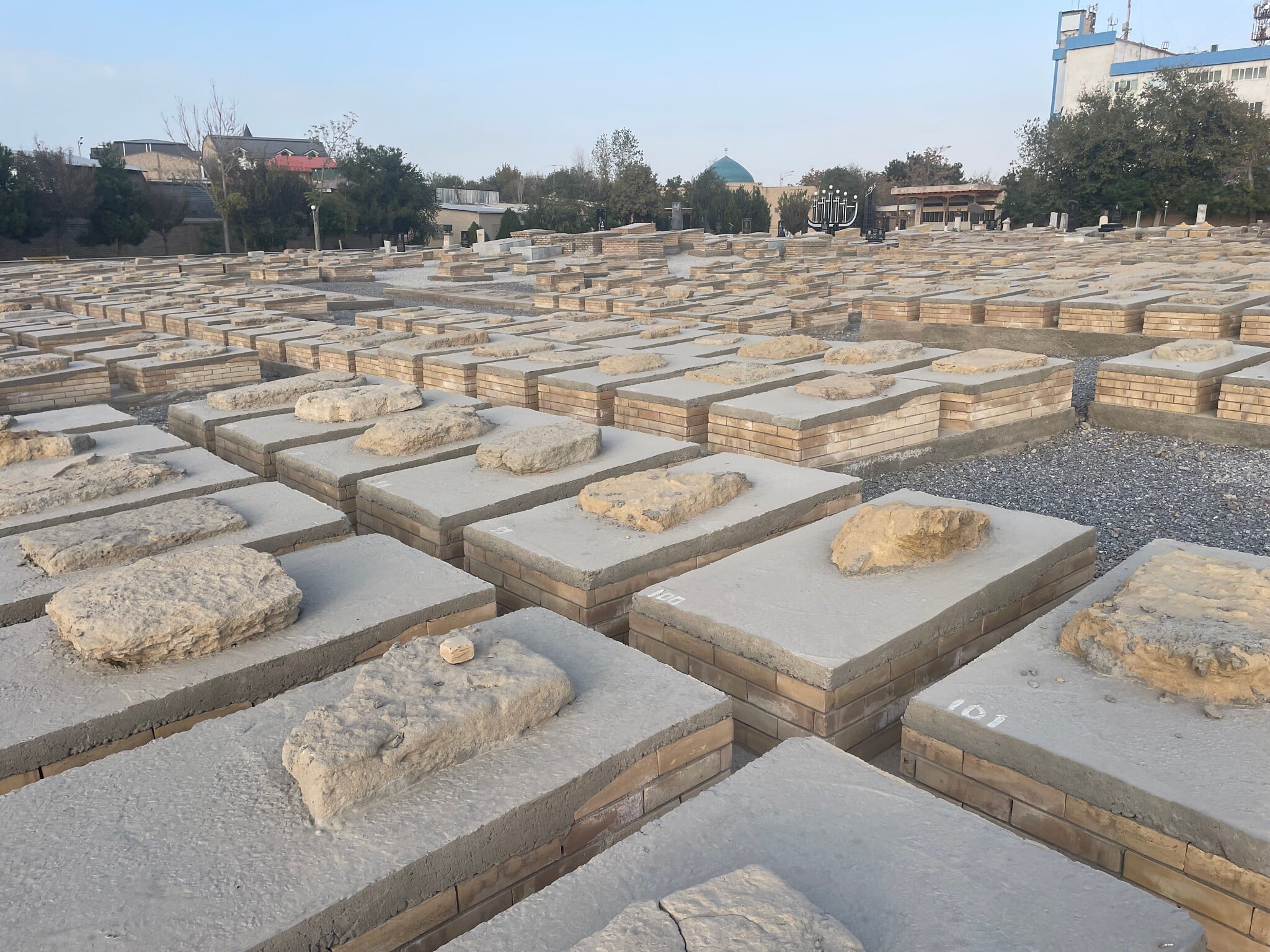
The sprawling Jewish cemetery, maintained by Muslims, is spotlessly clean, thanks to financial support from the Bukharan Jewish diaspora.
Yakubova chairs the Bukhara region Jewish National Cultural Center, one of seven in Uzbekistan run by the state. It holds cultural and charitable activities.
There’s a hevra kadisha, or Jewish burial society, to deal with the dead, and a rabbi, Shlomo Babaev, who lives in Tashkent and provides services such as kosher slaughter.
There are still two synagogues in Bukhara. “They help each other out with minyanim,” Yakubova said, using the Hebrew word for prayer quorums.
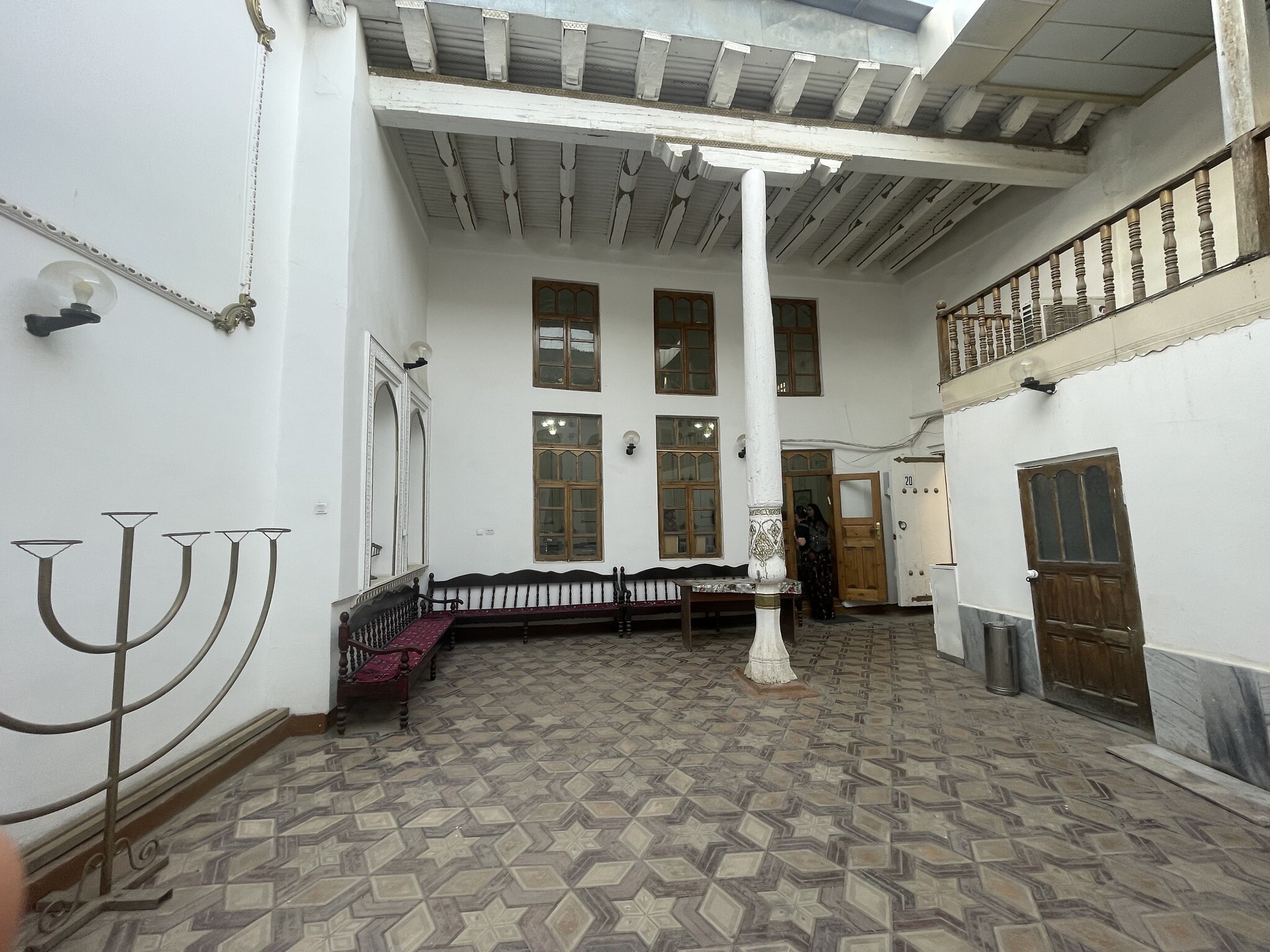
The tourist potential of this ancient Jewish community is not lost on the locals.
Muslim businessman Otobek Muradev purchased five Jewish homes built in the 17th and 18th centuries from emigrating Jewish families over the past two decades and has created a hotel. In a cellar, he has established a Jewish museum, exhibiting traditional Jewish clothing, artefacts, and a huge photograph of the Uzbekistan Jewish community’s benefactor, Lev Leviev, the Samarkand-born diamond magnate, investor, and philanthropist.
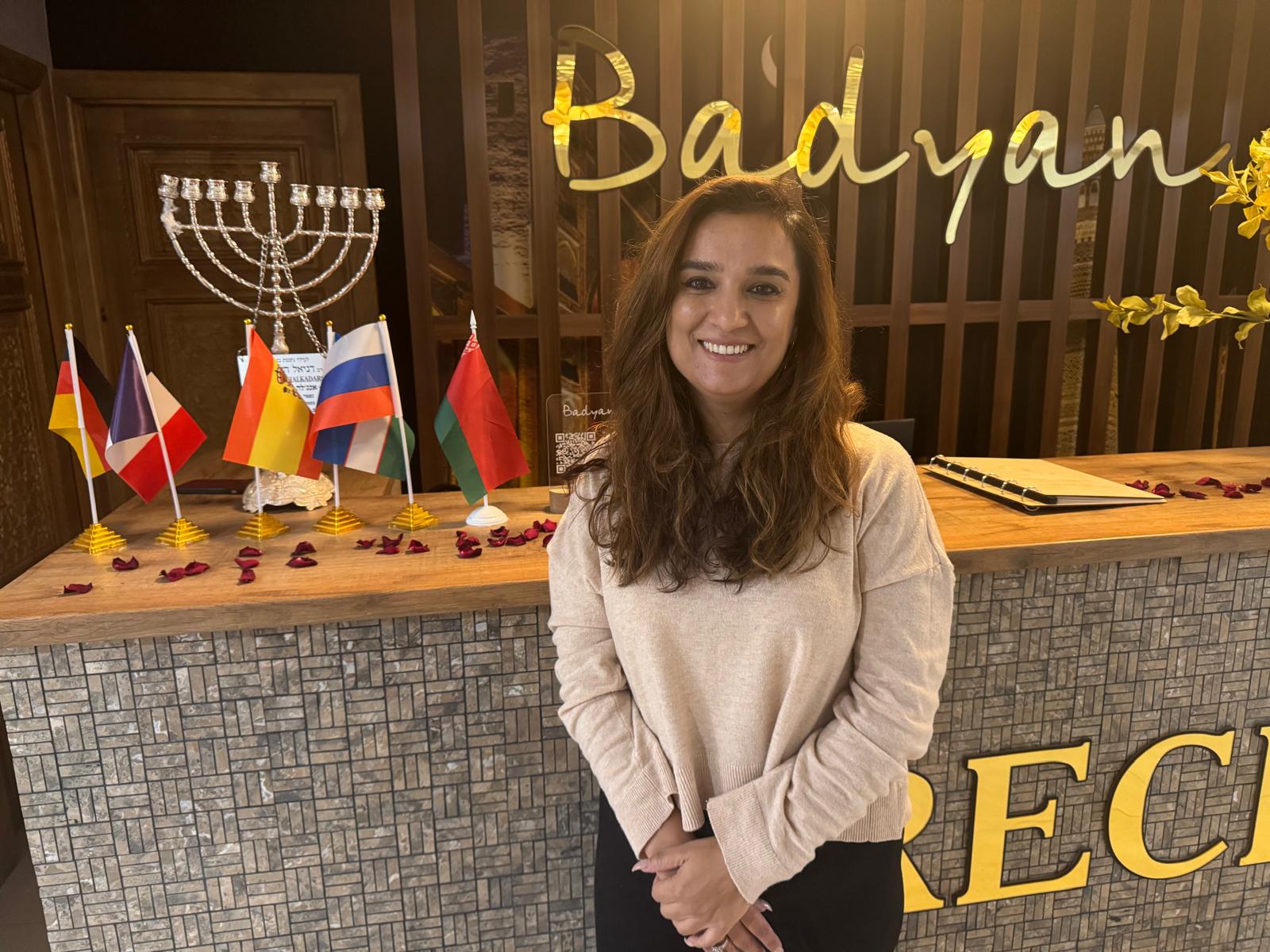
Yakubova worked for the Jewish Agency from 1998 to 2007 and speaks excellent Hebrew. She and her husband, Arsen Badalov, are staying in Bukhara for now, even though most of their extended family has left. Two of Badalov’s siblings immigrated to Israel, one moved to Moscow, and another to the US. Yakobova’s mother-in-law moved to Israel after her husband’s death.
In February, the family opened the Badyan Boutique Hotel — the first kosher hotel in Bukhara — on the top floor of a building they own in the newer part of the city. Two menorahs adorn the reception desk, alongside leaflets for their son Binyamin’s hairdressing services. He cuts hair part-time while studying hotel management, after which he plans to move to Israel to enlist in the IDF.
Yakubova said she and her husband have an apartment in the central Israeli city of Holon that they can visit whenever they wish — but life in Bukhara is good.
“I have never experienced antisemitism here,” she said. “All my friends are Muslims from Uzbekistan, Afghanistan, and Iran.”
‘Here, there’s no antisemitism’
Yakubova and her husband were in Israel on October 7, 2023, when thousands of Hamas-led terrorists breached the Gaza border, murdering some 1,200 people, mainly civilians, and abducting 251 to the Gaza Strip, sparking the two-year Israel-Hamas war in Gaza.
“My Muslim neighbors called to check how I was and to suggest that I come home,” she recalled.
“My husband goes to synagogue wearing a kippa without any problem,” she said.
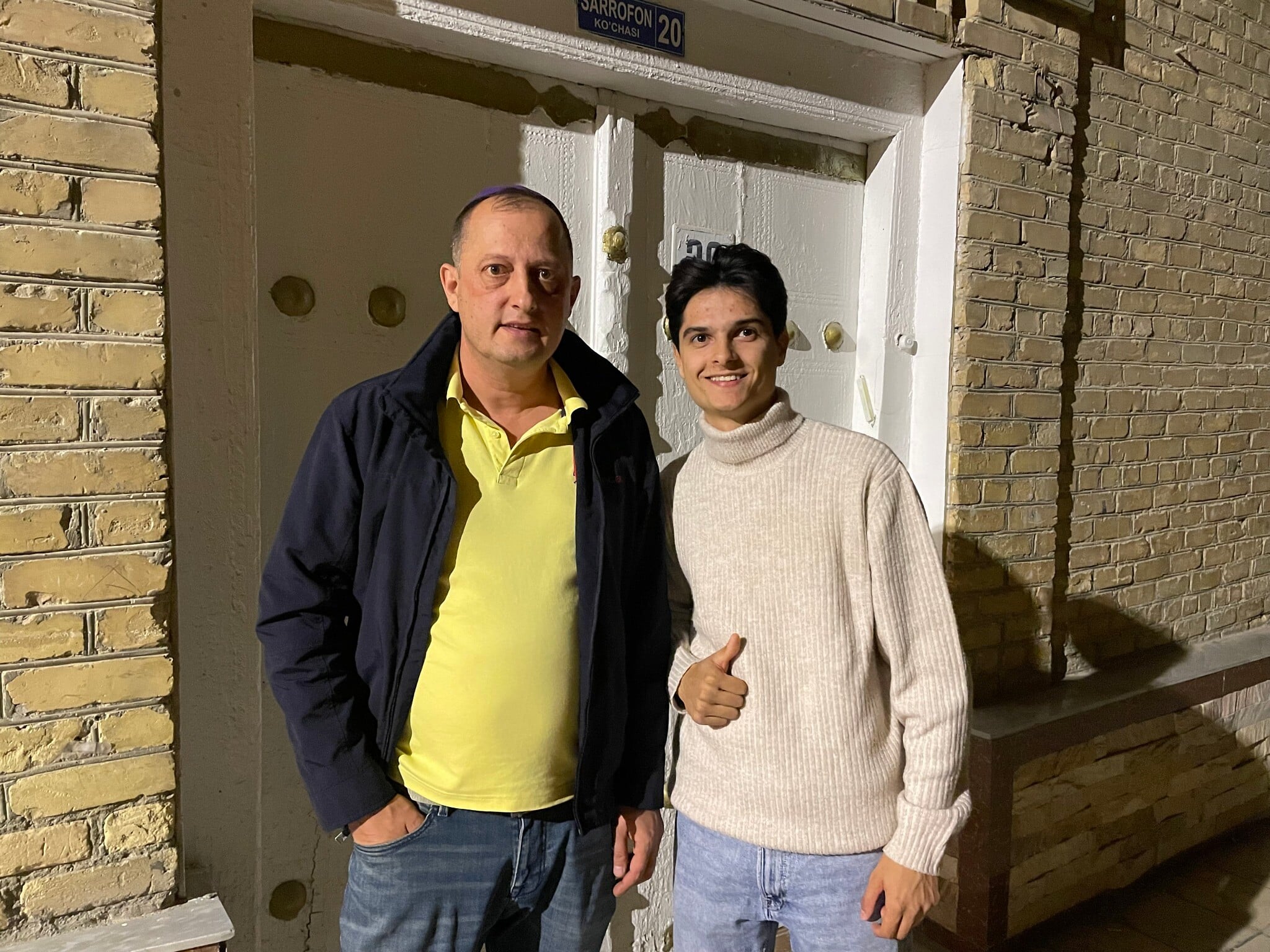
That might have to do with the fact that there are just 45, mostly elderly, Jews still practicing in Bukhara, Yakubova estimated. The city has around 250,000 residents.
It might also be connected to the secular Uzbek government’s ongoing clampdown against Muslim fundamentalists.
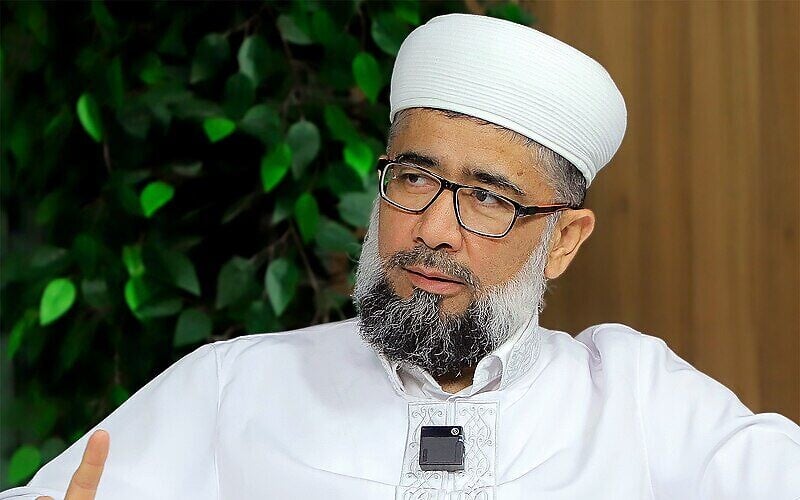
Just last month, an Uzbek court jailed a prominent independent Muslim cleric, Alisher Tursunov, for two and a half years, in one of the highest-profile cases regarding religious practices in recent years.
He was charged with promoting extremism and inciting hatred against Israel, a country with which Uzbekistan has enjoyed diplomatic relations since 1992.
Ups and downs for the Jews of the Silk Road
According to legend, Jews first arrived in Central Asia either after the Assyrian exile in 722 BCE or the Babylonian exile in 586 BCE.
Archaeological findings date back to the eighth and ninth centuries. Despite the lack of evidence, Dr. Zeev Levin, who heads a research center into the Jews of Central Asia and the Iranian sphere at the Ben-Zvi Institute in Jerusalem, believes they arrived in the region before the advent of Islam.
The term “Bukharan Jews” only emerged in the 19th century to distinguish between those living under the Bukharan emirate when it became a Russian Tsarist protectorate, and Jews living in other cities under direct Russian rule. The emirate, whose capital was Bukhara, incorporated parts of today’s southern Uzbekistan, Tajikistan, and Turkmenistan until the Soviet Union took over and set these republics’ national boundaries in the 1920s and 1930s.
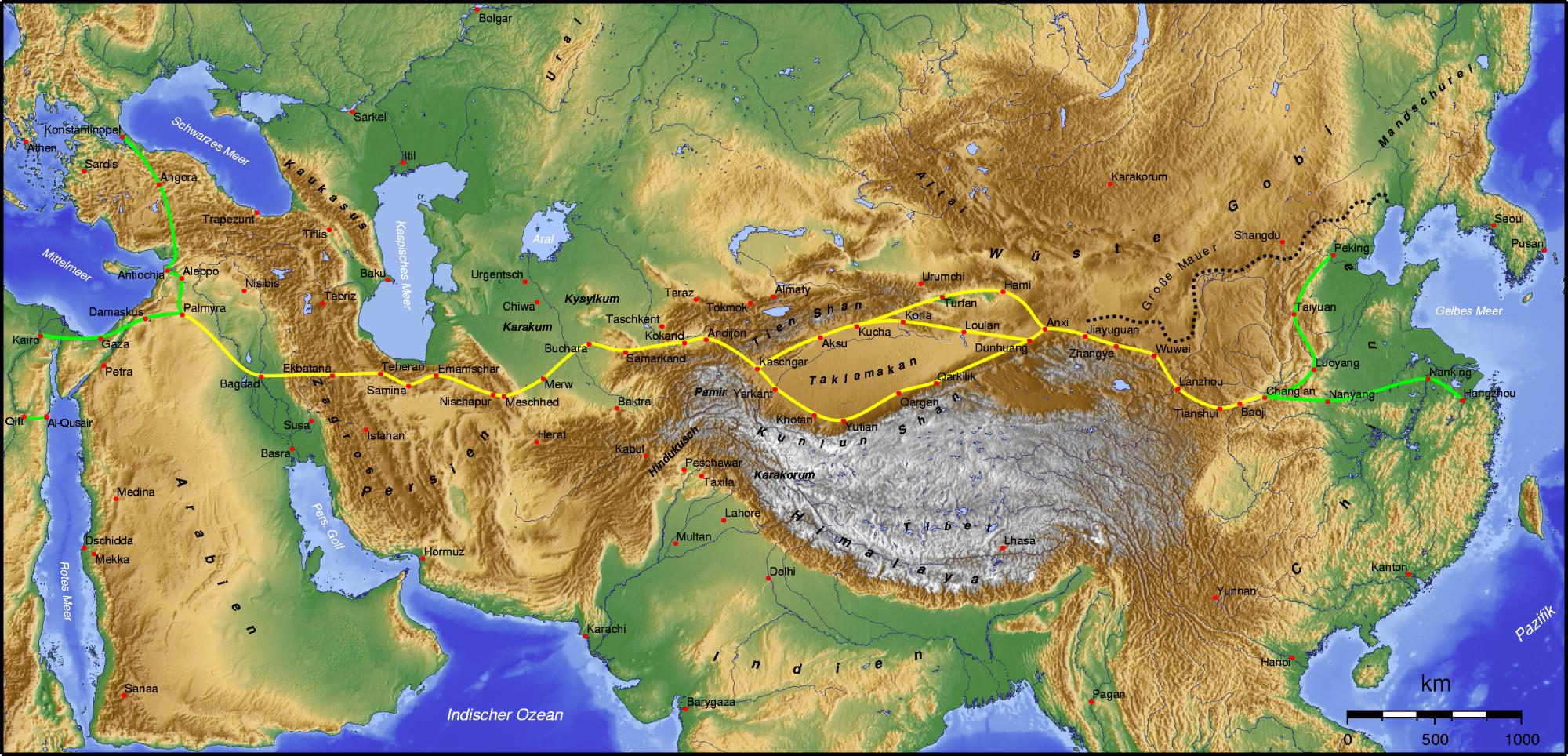
The Jews were involved in crafts, particularly yarn dying, and trade along the Silk Road, a network of routes connecting Asia, the Middle East, and Europe. The name Silk Road was only coined in the 19th century by a German geographer. The trails were traveled by the likes of Alexander the Great and Marco Polo until the mid-15th century, when marine routes opened up.
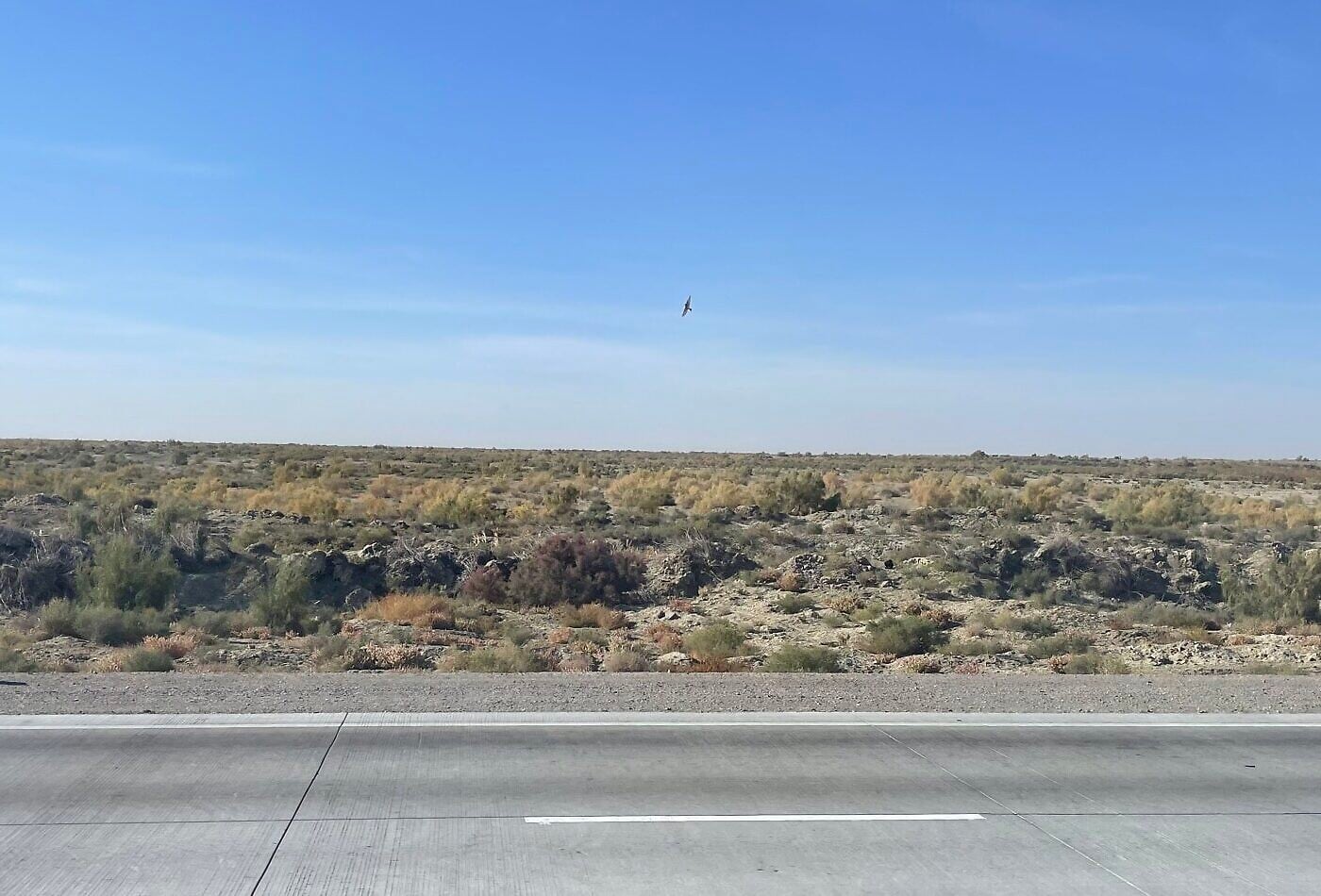
The caravan routes across the harsh and monotonous steppe and desert have since been replaced by roads built by China as part of its Belt and Road initiative to connect with markets worldwide.
The Bukharan Jews practiced a form of Judaism whose specific traditions prior to the influence of Sephardic rabbis in the late 18th century, and later, Chabad Hasidic rabbis in the 19th century and post-Soviet era, remain unclear.
They spoke with one another in Bukhori, a language based on Tajik — a dominant tongue of Bukhara and Samarkand, enhanced by Hebrew and Aramaic.
During the early 1860s, a few years before the Tsarist invasion of Central Asia, Armin Vambery (born Hermann Wamberger), a Hungarian-Jewish traveler who had become a Christian missionary, visited the Bukharan emirate posing as a Sufi dervish.
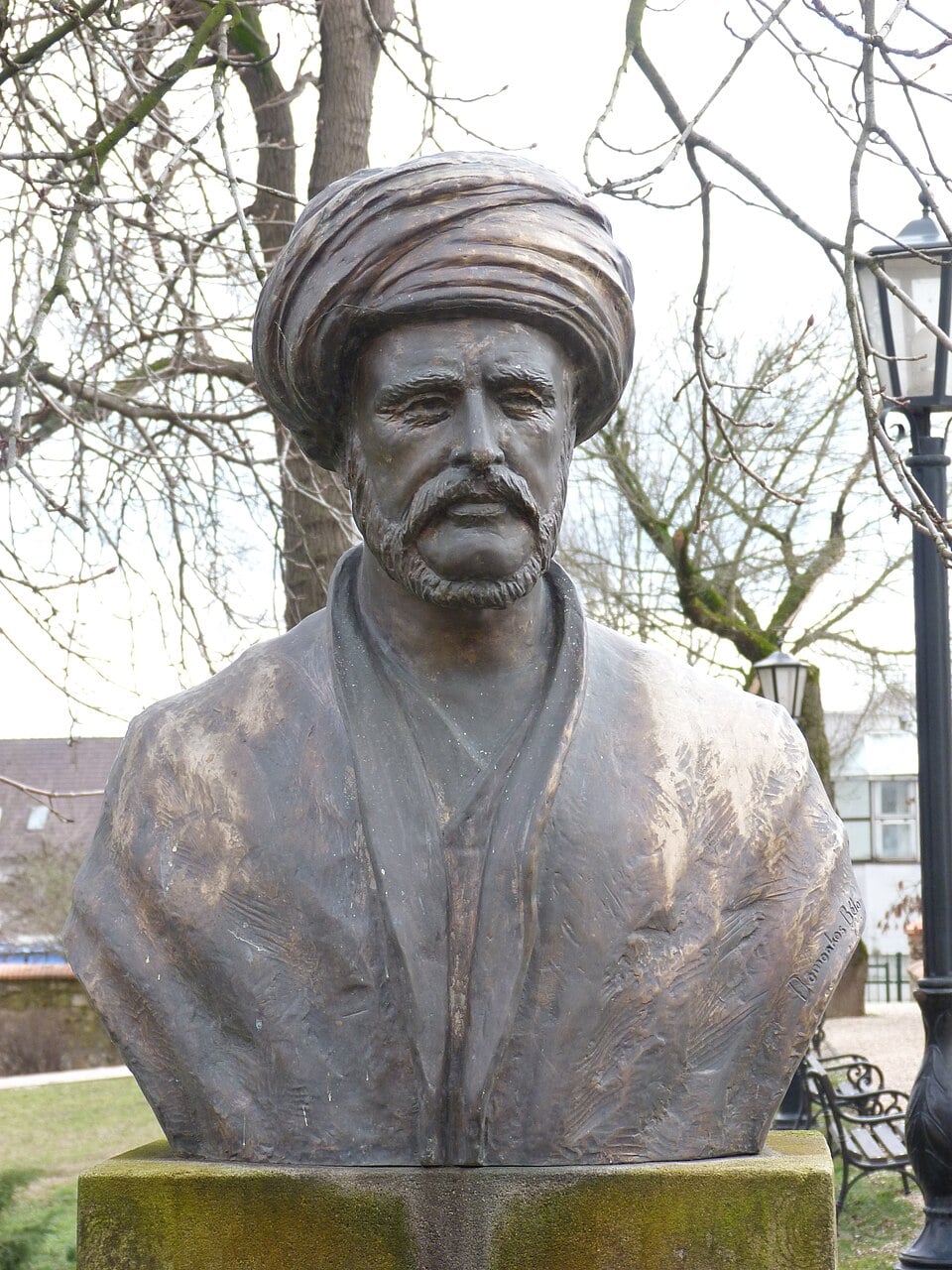
He reported that under the Muslim ruler, the Jews lived in “utmost oppression, being despised by everyone.” They had to wear a yellow patch and a distinctive fur-trimmed, conical-shaped sheepskin hat.
They were not allowed to ride horses and donkeys, had to live in Jewish quarters, and the community leaders were ritually slapped across the face by Muslim officials when they went to pay a special annual tax, Vambery wrote. Many were forcibly converted to Islam, with some, known as chalot (meaning “neither this nor that”), continuing to practice Judaism in secret.
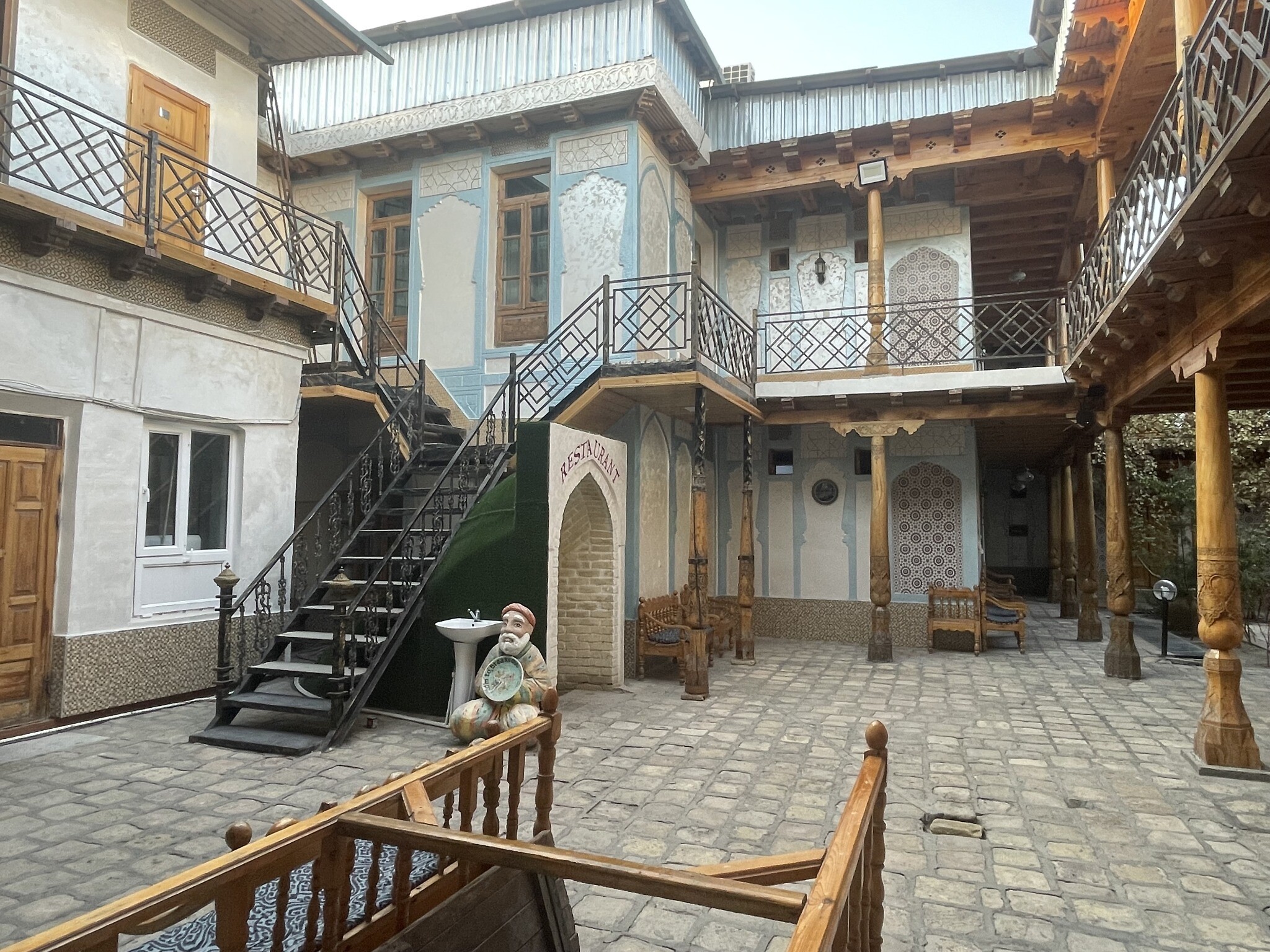
A few Jews from the city of Bukhara accumulated wealth in the second half of the 19th century, as reflected today in one of the old city’s top restaurants, the Avyan, part of a mansion around a courtyard built in 1886 by a Jewish merchant named Mirza Davud.
This was just a few years after wealthy Bukharan Jewish families from the Turkestan region created what is now known as the Bukharan neighborhood in Jerusalem. At the time, it was regarded as a marvel of Jewish affluence.
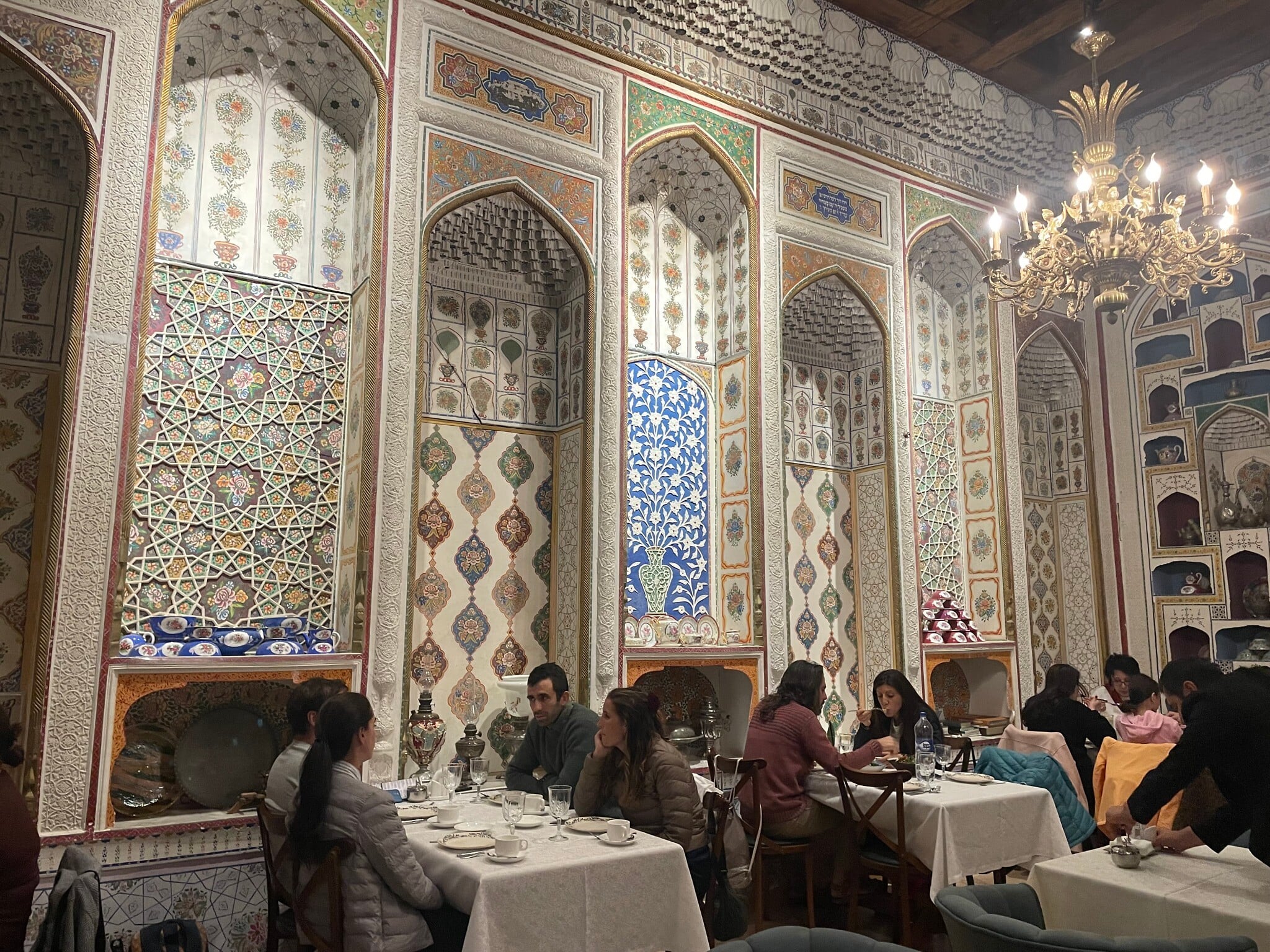
Guests at the Avyan sit either in the restored, summer guest lounge or the covered courtyard outside. The walls of the former include Hebrew inscriptions high up near the ceiling.
A similar design, on a smaller scale, is found in the Grand Nodirbek Boutique Hotel, next to the old synagogue.
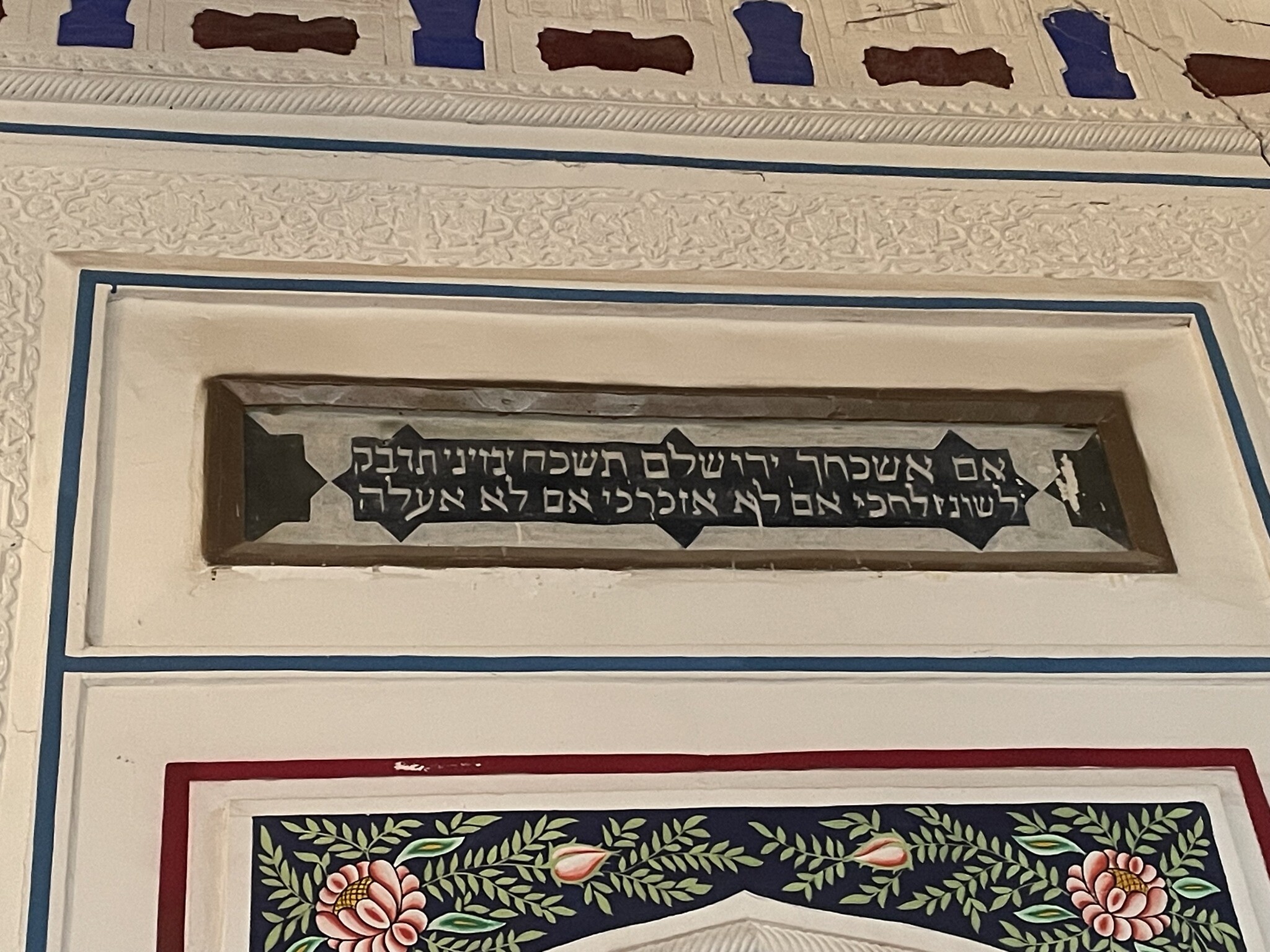
The walls of the restored breakfast room are adorned with Hebrew inscriptions.
In decline since the 1970s
Levin said it was hard to say how many Jews lived in the ancient oasis city of Bukhara in the decades before the Soviet Union collapsed. Tens of thousands was a safe bet, he added.
They began to leave in the early 1970s when the Soviet Union temporarily opened the gates for emigration, then continued on a larger scale in the 1990s, after the fall of the Iron Curtain.
In the US, many tens of thousands of Jews with Bukharan roots live in areas such as New York, Queens, and Brooklyn.

In Israel, they settled in central cities such as Or Yehuda, South Tel Aviv, and Holon, and in northern Or Akiva.
“In 1991, people didn’t know when the gates would close again,” said Yakubova. Now, she says, many of those who emigrated have bought property in Bukhara, return for vacations, and have entered into joint business ventures with Uzbeks.
Her son-in-law’s family, which originated from Kokand in the Fergana Valley, emigrated to Israel and returned to Uzbekistan after just two years.
Asked to comment on the future of Bukhara’s Jews, Levin answered, “Their future will be virtual. The Jewish institutions are working hard and admirably to create a reality for a place where Jews no longer exist. Lev Leviev runs the World Congress of Bukharan Jews. There are still synagogues and cultural and community institutions, matchmakers, and efforts to preserve the language and the culture.”
“But the community’s fate is sealed,” Levin said. “So many Jews of Bukharan origin in Israel have married Jews from different communities. Those overseas have kept their traditions around the synagogue, but even there, I’d give it decades. The young won’t stay within their community forever.”

The Times of Israel Community.