

In wartime innovation, researchers develop artificial skin to help burn victims
Tel Aviv University and Sheba Medical Center scientists say their bioengineered skin can double the healing speed for skin grafting and reduce infections
 Add ToI as a Preferred Source on Google
Reporter at The Times of Israel
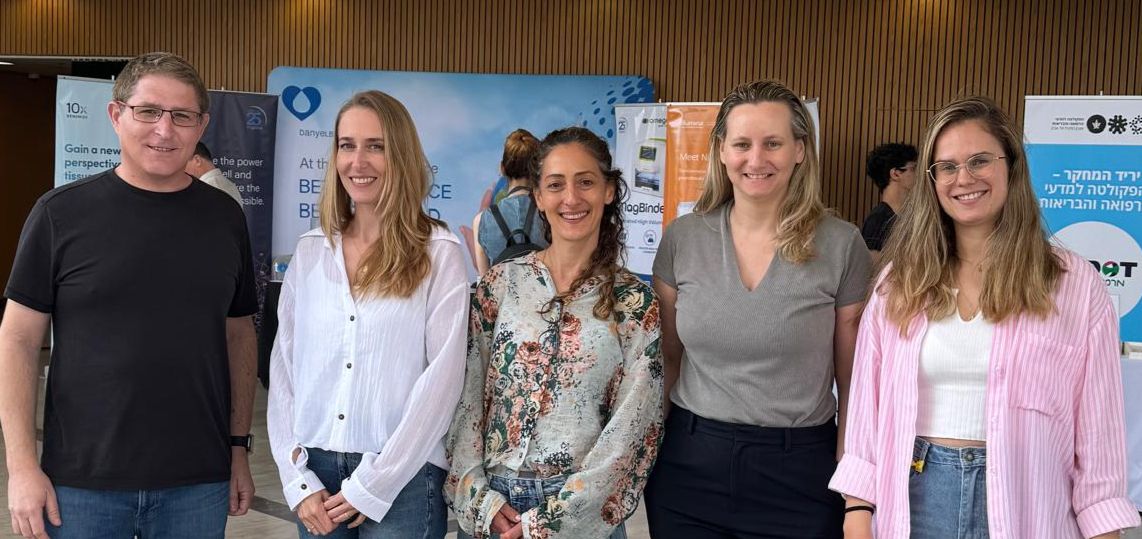
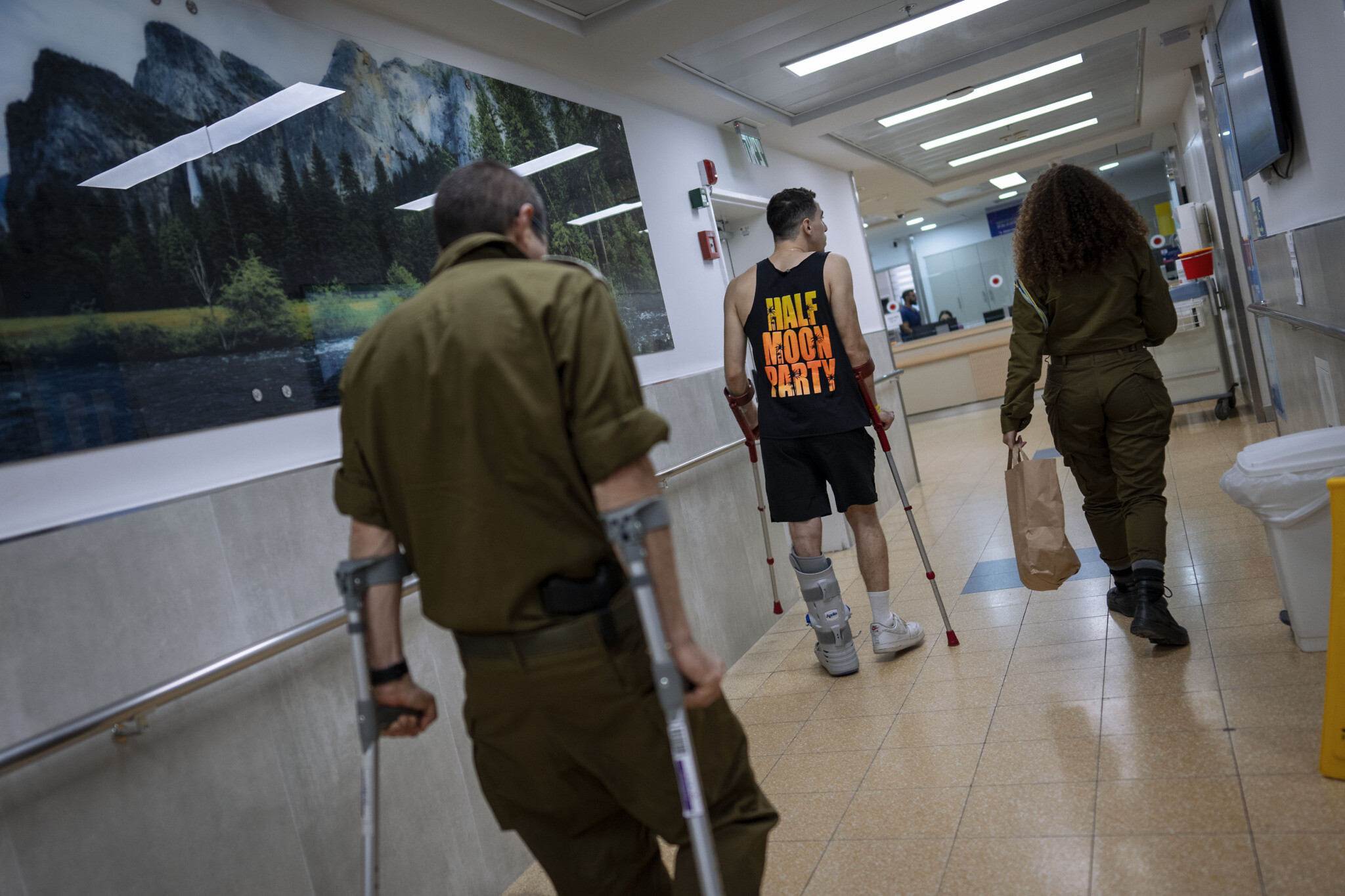
Driven by the war and the surging number of soldiers and civilians suffering from severe burns, researchers from Tel Aviv University and Sheba Tel Hashomer Medical Center say they have developed a unique bioengineered skin to use for grafting in burn victims.
The groundbreaking innovation, made entirely from a patient’s own cells, is stable, easy to handle and flexible. The artificial skin can speed up healing, close wounds in half the time compared to current methods, and may transform the treatment of severe burn injuries.
“This type of skin has never been produced before,” said Prof. Lihi Adler-Abramovich, 46, a lead researcher on the study from TAU’s Laboratory for Bio-Inspired Materials and Nanotechnology, speaking by telephone to The Times of Israel. “It’s already showing promising results.”
The researchers included Prof. Amit Sitt from TAU’s Faculty of Exact Sciences, PhD student Dana Cohen-Gerassi, and Dr. Ayelet Di Segni and her scientific team at Sheba’s Green Skin Engineering Laboratory. They decided to combine their expertise in chemistry, medicine, and clinical care to speed up the process to help burn victims soon after the war began on October 7, 2023, when thousands of Hamas-led terrorists stormed Israel, killing 1,200 people and wounding thousands.
The study was recently published in the prestigious journal Advanced Functional Materials.
Building a nano-fiber scaffold
The traditional treatment for burns involves taking healthy skin from another area of a patient’s body. But in extensive burns, patients often lack enough healthy skin for this process. One alternative used in Israel is to grow lab-made skin from a small skin biopsy. However, this method has major limitations because it takes time and only regenerates the top layer of skin.
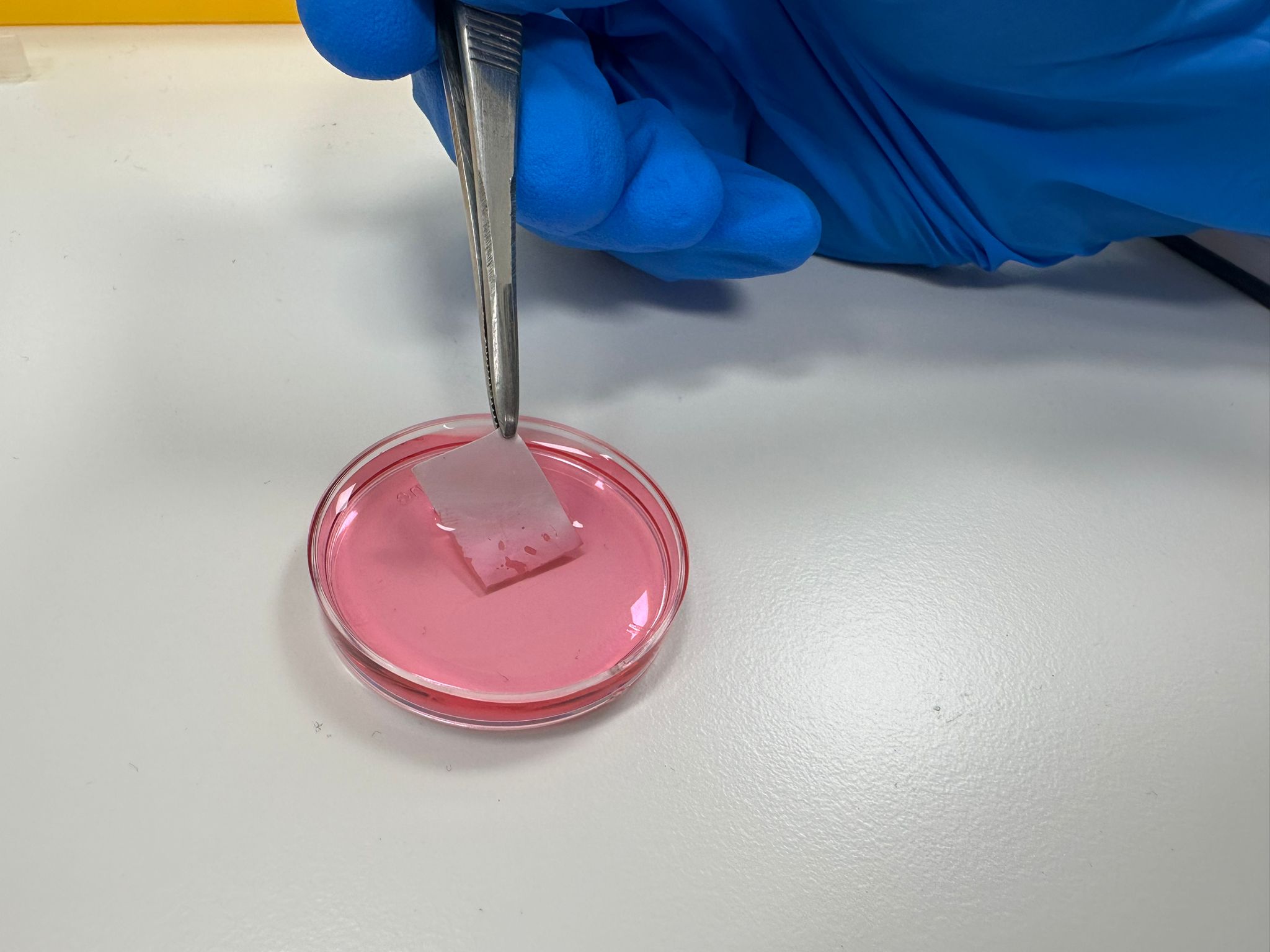
The new technology to manufacture artificial skin is based on a production method known as electrospinning, in which special fibers are spun into fabric-like sheets. This method then creates a nanofiber scaffold, which is a type of structure used to repair or regenerate damaged skin.
Resembling a web-like net, the scaffold contains nanofibers that are thousands of times thinner than a human hair.
Adler-Abramovich, whose specialty is in the field of peptide nanotechnology, said she then incorporated “a very short peptide sequence” into the scaffold.
“Peptides are a sequence of amino acids, which are the building blocks of protein,” she explained. “We included a specific sequence of three amino acid-based peptides that is modeled on that in the human body.”
“The design of the scaffold with the peptide is the novelty of this project,” Adler-Abramovich explained. “It allows cells to attach properly and regenerate the skin effectively, promoting cell growth and adhesion. The scaffold is strong and easy to implant.”
‘We could see the growth of hair follicles’
The team filed a patent on the scaffold, which Adler-Abramovich said is the first of its kind to combine electrospinning, FDA-approved polymers, and bioactive peptides in this way.
In preclinical trials on mouse models, the results were dramatic.
“We saw better scarring,” Adler-Abramovich said. “The skin looked functional. The healing process is much faster which can reduce hospitalization time and lower the risk of infection for patients. And we could see the growth of hair follicles.”
Artificial skin care is a growing field. An Israeli startup based in Lod, Nanomedic Technologies Ltd, has developed a medical device that can dress burns and other wounds with an artificial skin layer, using similar technology.
Looking ahead, Adler-Abramovich said it will take a few years to raise money to do the experiment on large animals and then to have a clinical study on humans.
“The collaboration between the researchers is amazing,” Adler-Abramovich said. “It’s really exciting. We’ll continue to work together and hopefully make the skin even better.”









The Times of Israel Community.