

Joint List head: Unity government would make me first Arab opposition leader
Ayman Odeh accuses Benny Gantz of assisting Netanyahu in keeping Arab lawmakers out of power, says Blue and White chief’s politics are ‘not ripe’
 Add ToI as a Preferred Source on Google
Raoul Wootliff is a former Times of Israel political correspondent and Daily Briefing podcast producer.
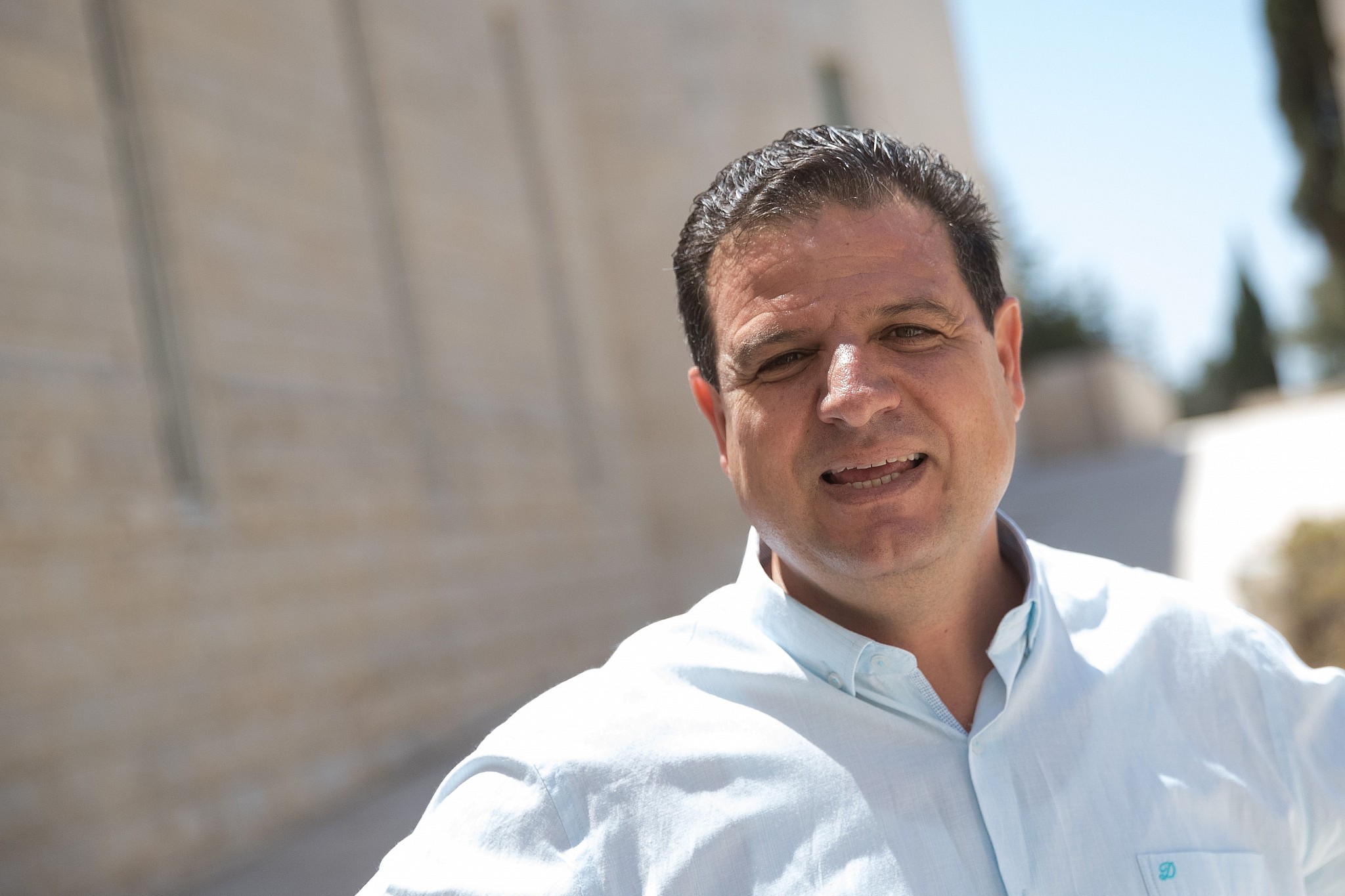
Joint List party head MK Ayman Odeh on Sunday predicted that he would become the first Arab leader of the opposition if Blue and White Party leader MK Benny Gantz joins a unity government after the coming elections.
Odeh also attacked Gantz for rejecting his offer to have the Joint List join him in a coalition, saying Gantz has not yet fully formed his ideology and was helping keep the Arab population from political power.
Odeh told daily Yedioth Ahronoth last week that he would be willing to consider joining a governing coalition led by Gantz’s party if it met a number of demands, marking a landmark break from decades in which Arab-led parties have remained staunchly in the opposition.
Members of Blue and White have mostly dismissed Odeh’s offer, noting the inclusion of the anti-Zionist Balad faction within the Joint List, and attempted to distance themselves from being seen as allied with the Arab party.
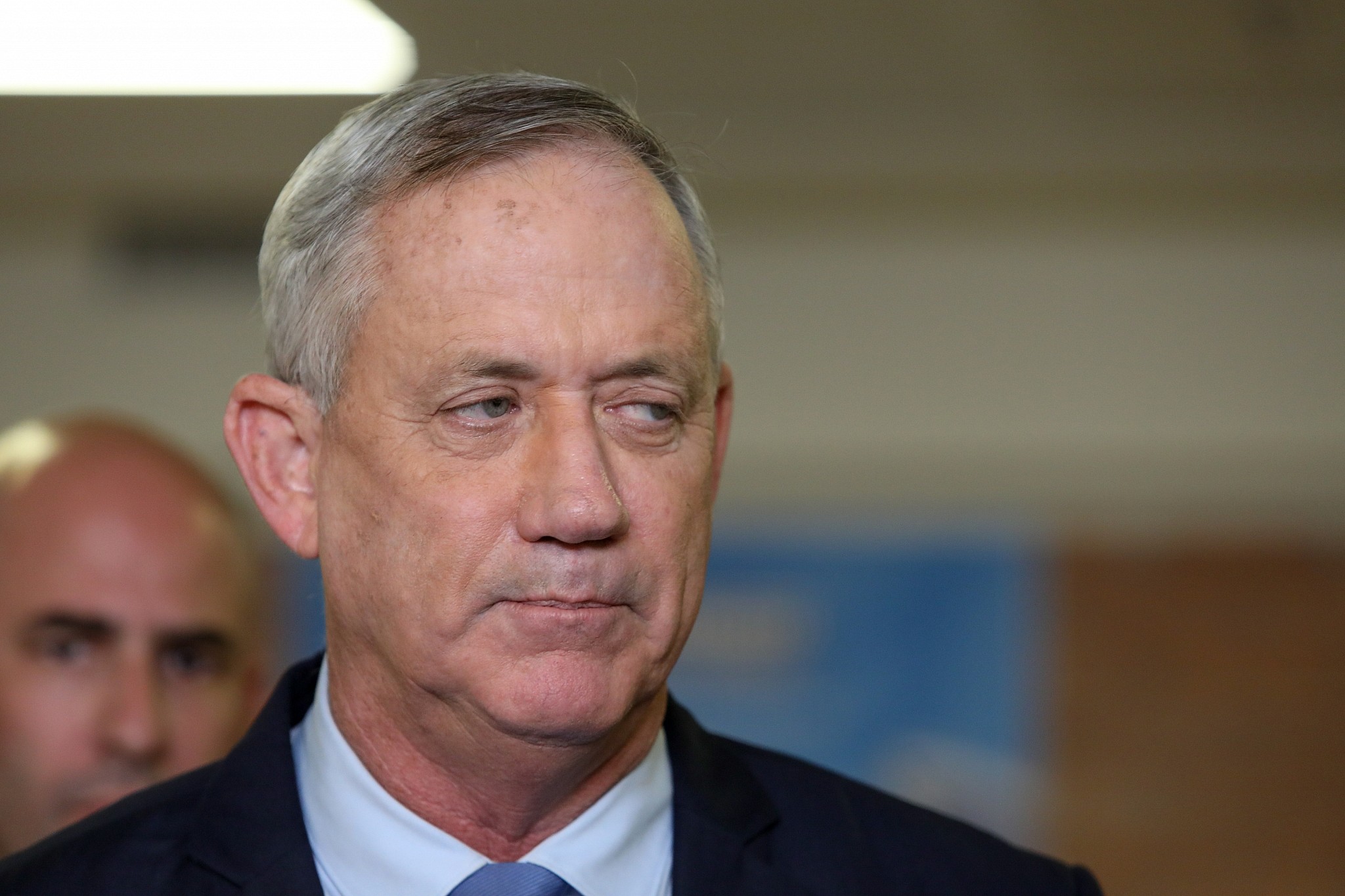
Speaking Sunday to Kan public broadcast radio, Odeh said Gantz, the most serious challenger to Prime Minister Benjamin Netanyahu, is aiming to form a unity government after the September 17. Polls have predicted that Netanyahu’s Likud party is neck and neck with Blue and White at around 30 seats each in the 120-seat Knesset.
The Joint List, a coalition of four Arab parties, has recently been predicted to win 11 seats, the same as Yamina, a coalition of right-wing nationalist parties, positioning either alliance to possibly become the third largest party. But Yamina is more likely to join a unity government.
“We want to influence,” Odeh told the radio station. Leading the opposition, he said, “is very influential.”
Asked for his thoughts on why Gantz rejected his proposal to include the Arab party in a possible coalition, Odeh said that Gantz’s political ideas are “not ripe.”
Odeh said Gantz lacked the courage for a move like that. Netanyahu, he said, “wants us out of the Knesset and Gantz certainly doesn’t want us in the government. So who is assisting Netanyahu?”
Last week members of Netanyahu’s Likud party joined an extremist faction’s legal bid to ban the Joint List from running in the elections. The appeal to the Supreme Court, which was filed by Otzma Yehudit leader Itamar Ben Gvir, accuses the Joint List, which includes the Arab ultra-nationalist Balad party, of incitement to terrorism, supporting a terror group, and denying Israel’s existence as a Jewish state.
The court is expected to decide on the matter Sunday.
In the Yedioth interview, Odeh laid out several conditions for joining a center-left coalition, including a renewal of peace negotiations with the Palestinians and rolling back the controversial Jewish nation-state law passed last year.
In a subsequent tweet, Odeh added another major demand that wasn’t mentioned in the report: “Ending the occupation,” referring to Israel’s military rule over the West Bank. That condition would make his party joining the government extremely unlikely, with Blue and White supporting continued Israeli control over East Jerusalem and parts of the West Bank.
Gantz told Channel 12 Saturday said his party was determined to reach a peace agreement with the Palestinians, but would not agree to any peace deal that would require dividing Jerusalem or a withdrawal from the so-called settlement blocs or the strategic Jordan Valley.
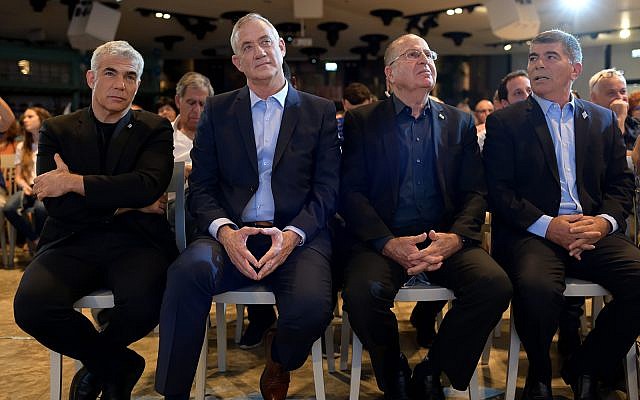
The Blue and White chairman said that as prime minister he would work to address issues of internal security, unemployment and education in Arab communities, meeting some of Odeh’s demands, but would only be willing to serve with those “who recognize the State of Israel as a Jewish and democratic state.”
“It seems to me that there are parts within the Arab parties that clash with [this condition],” he said, apparently referring to the Balad party.
Israel last held elections in April but the results failed to produce a majority coalition, prompting Netanyahu to dissolve parliament and call fresh elections.





The Times of Israel Community.