

Learning the hard way: 6 things to know for April 30
Questions regarding plans to reopen schools and kindergartens are on the rise even as infections drop and Israel looks for some sort of ‘normal’
 Add ToI as a Preferred Source on Google
Joshua Davidovich is The Times of Israel's Deputy Editor
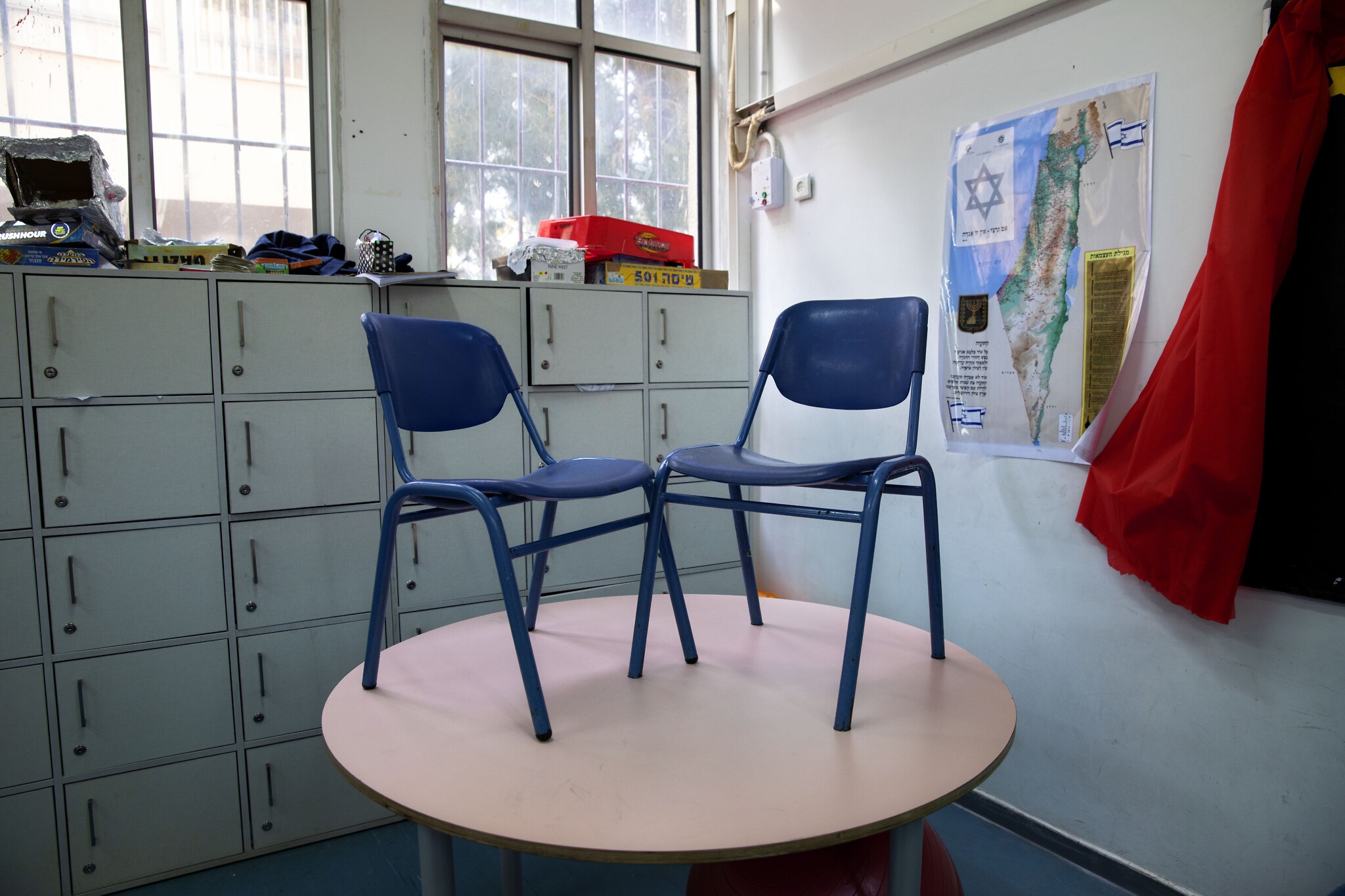
1. Stay out of school, kids: With Memorial Day and Independence Day in the past, attention is turning to plans to reopen kindergartens and schools on Sunday, and growing concerns over whether the move is smart, or needed.
- Despite falling numbers of new infections being reported by authorities, questions about the return to school lead most major newspapers and news sites Thursday morning, a delayed but expected reaction to the decision, which was originally met with sighs of relief from parents struggling to manage distance learning, daycare and their own jobs.
- “The conditions for opening schools seem like an unrealistic goal, and parents, as well as educational staff and doctors, are worried about what is going on,” reports Army Radio.
- Channel 12 news reports that there are a number of open questions regarding how the return to school will work, including how groups of 15 small kids will be kept from other groups, and how teachers whose kids are not returning to school will be able to go to work.
- Yedioth Ahronoth reports that teachers are also unhappy about guidelines which exempt students from wearing face masks while in class. “These conditions endanger us and we’ll have to insist on staying at home,” one teacher is quoted saying.
- The Calcalist news website calls the plan “full of holes.”
2. The kids are all sick: Describing a “battle over the kindergartens,” Israel Hayom’s front page seeks to give some more ammo to those who would like to see kids, especially younger ones, staying at home, reporting on an Israeli study that found kids can become infected and transmit infections.
- The findings by the Gertner Institute is set to be considered by health officials and cabinet members later Thursday to decide whether to give a final okay to schools opening.
- Despite what would appear, from the front page, to be an open and shut case, the paper notes inside that the findings are only preliminary and contradicted by other studies around the world.
- It does not actually provide any details about the study, but notes that “according to senior Health Ministry officials, based on the study’s apparent findings thus far the ministry would likely advise the government not to open up schools next week because doing so could cause another outbreak of the coronavirus in Israel.”
- The Marker reports that the institute already presented recommendations to the government two weeks ago, including urging it to keep kindergartens shuttered and have school for four days, followed by 10 days of break, which the government has seemingly rejected.
- “The cost of a mistake as a result of needing to re-issue strict regulations in the case of a second outbreak is much higher than the cost of mistakenly missing out on school days,” it quotes the report as reading.
- The Doctors Only medical news website, meanwhile, reports that a study of patients at Mayanei Hayeshua hospital in Bnei Brak found young children much less likely to contract or infect others.
3. School plague: Even if schools and kindergartens do open up, there are those who say they will continue to stick to their own plans.
- “Everyone wants to get back to normal, but there’s a fear of infections,” one mother who won’t be sending her children for at least another week tells Yedioth.
- “I don’t trust the evidence. The situation is so unclear, and every time we hear different numbers and different research,” one dad taking a wait and see approach tells Walla.
- Most fears surround the kindergartens and daycare centers, where there are worries about little kids with the hygienic standards of orangutans being able to maintain health guidelines.
- A protest of daycare workers in Jerusalem gains wide coverage and focuses on their opposition to opening up and dealing with little kids who can barely count to two, to say nothing of keeping a two meter distance.
- “If someone thought that daycare centers would come back Sunday — there’s no chance, they won’t open,” Israel Hayom quotes “ a senior person in that system” saying.
- “The situation is too complicated … It’s impossible for a 2-year-old to wash his hands himself and keep 2 meters from others,” Channel 12 news quotes protesting daycare owners saying.
4. Hit the books: There are of course many parents who are planning on sending their kids to school come Sunday.
- Israel Hayom reports that parents are already bombarding teachers with requests of which group to put their kids in — the Sunday-Tuesday group or the Wednesday-Friday group — with many wanting to make sure that Friday is not one of the days their kid goes to school, since it’s not a day when they can work.
- Kan’s Shaul Amsterdamski writes that Israelis are prepared to start living life alongside the virus.
- “Maybe there will be more waves here, some might even be worse than others. It’s possible. But we are already starting to understand how to live with it — how to create a new normal,” he writes.
- Prof. Limor Aharonson-Daniel, head of the PREPARED Center for Emergency Response Research at Ben Gurion University of the Negev, tells ToI that education can help dispel some of the anxiety on the part of kids worried about returning to school.
- “The most important thing to give kids a sense of control. If people feel they are controlling what happens to them, they are less anxious and stressed. Knowledge is important here. Give facts. Children are wise enough to understand the facts of contamination, what it means to have contaminated surfaces, why it’s a worry, and in general how coronavirus risk works,” she says.
5. Patience or more patients: It’s hard to keep things closed forever when the numbers look so positive, though. Kan reports that Ashdod’s Assuta hospital has gone so far as to shutter its coronavirus ward since it no longer has any patients.
- Channel 13 previews a clip of former Hadassah Hospitals head Zeev Rothstein on the phone with Prime Minister Benjamin Netanyahu telling him the Health Ministry’s moves are malarkey and trying to convince him to open up the country more, describing the current policy as the state acting like a “Jewish mother.”
- In Haaretz, Amos Harel notes that Israelis are becoming more and more lax about restrictions as the number of new infections fall, even though those numbers are a reflection of the past and not the present.
- “Israel is still cruising relatively safely on the last drops of fuel provided by correct decisions made during the first weeks of the crisis. But even though two months have passed, the management of the crisis remains impulsive and confused. The government’s objectives are not clear and are not being explained quickly enough to the public,” he writes.
- Former Health Ministry director Roni Gamzu also says Israelis are acting as if the danger has passed when it has not: “Why so fast? The process of opening the economy back up and leaving the corona disease needs to be much more managed and much more careful.”
6. Crisis within a crisis: Staying at home can also be dangerous for many dealing with domestic violence, an issue once again in the news with a man suspected of murdering his wife earlier this week.
- Haaretz reports that calls to a government-run domestic abuse hotline have jumped from eight a day at the start of the crisis to around 33 a day in the last two weeks, and text messages have been introduced so victims who can’t leave home can reach out for help without being overheard.
- ToI’s Sue Surkes reports that health professionals believe there is an even larger crisis simmering below the surface which is not being reported, including in areas where there is less awareness or willingness to reach out to state authorities, and among those who can’t escape their abusers’ grips.
- According to the professionals, “Women in already strained relationships, stuck at home with children around the clock, facing economic pressures and possible job losses, as well as uncertainties about the virus itself, must be finding it difficult to pick up the phone either to the police or the social services while their husbands are around,” she writes.
- “There’s terrible distress out there. We hear it,” says Dina Havlin Dahan, chairwoman of the umbrella organization for shelters serving victims of abuse. “But how it will develop? The period is so crazy that I don’t know.”








The Times of Israel Community.