

Lebanese PM says army to deploy along Israeli border
European countries pledge over $500 million for Beirut to build up its military; Israel warns of blurring line between Lebanese Army and Hezbollah
 Add ToI as a Preferred Source on Google
Judah Ari Gross is The Times of Israel's religions and Diaspora affairs correspondent.
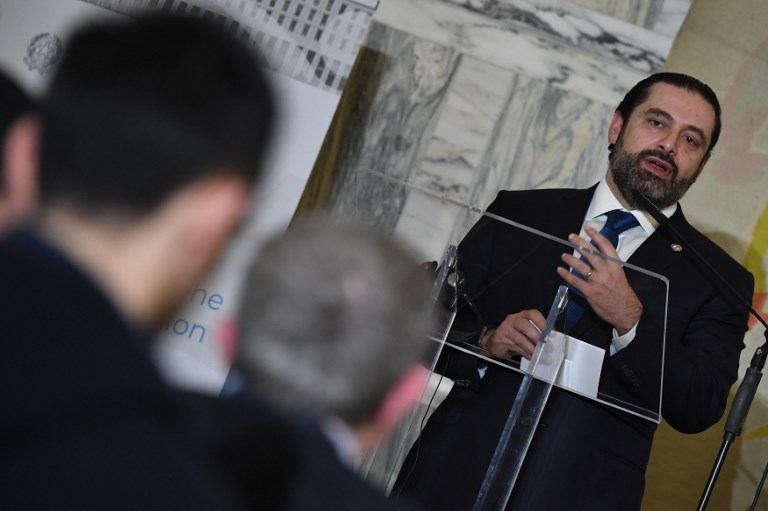
Lebanese Prime Minister Saad Hariri announced that his country planned to increase its military presence along its southern border with Israel, during a meeting in Rome on Thursday.
“We will be sending more LAF [Lebanese Armed Forces] troops to the south, and we stress our intention to deploy another regiment,” he said, according to Reuters.
“While we are thinking of ways to move from a state of cessation of hostilities to a state of permanent ceasefire, Israel continues to make plans to build walls on reservation areas along the blue line,” Hariri said, referring to the internationally recognized, but contentious, border between the two countries.
The Lebanese prime minister added that Israel “remains the primary threat to Lebanon.”
Hariri made his remarks as part of a summit in Italy designed to help raise money for the Lebanese Armed Forces.

According to Reuters, representatives from approximately 40 countries are taking part in the meeting, including United Nations Secretary General Antonio Guterres.
“This is the moment in which the international community needs to express its full support” for Lebanon, Guterres said.
By the end of the day on Thursday, France had pledged to give nearly $500 million to Lebanon, while the European Union offered $61.5 million and the United Kingdom gave $13 million.
It was unclear how Israel would respond to additional Lebanese Armed Forces moving into the border area. On the one hand, there is a view among Israeli defense officials that a stronger national Lebanese military could weaken the country’s powerful Hezbollah terrorist group, with which Israel fought a bloody war in southern Lebanon in 2006.
On the other hand, Israeli officials and analysts have warned that, as Hezbollah becomes more integrated into Lebanese politics, the line between it and the LAF blurs.
The Lebanese army played a limited role in the 2006 war, mostly firing antiquated anti-aircraft guns that had little chance of actually hitting Israel’s advanced fighter jets.
Since the war, the military has received significant funding, equipment, and training from the United States.
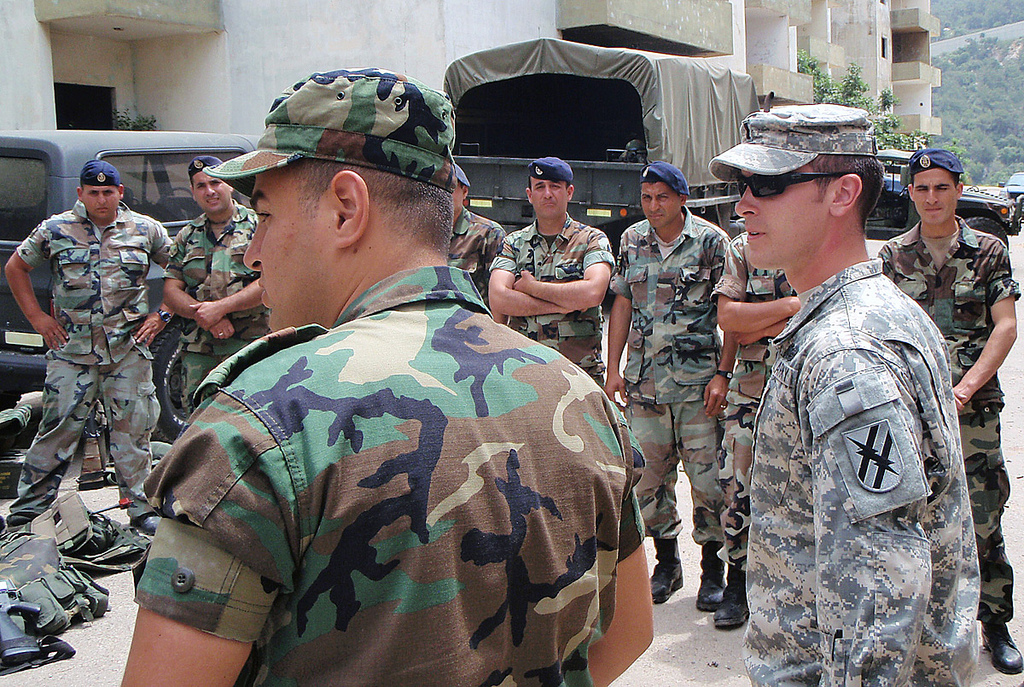
Israel invaded southern Lebanon in 1982 and occupied a strip until 2000. Ties remain tense between the two countries.
This came out most recently in Lebanese opposition to Israel’s fortification of its barriers along the border and a dispute between the countries over an area of sea, which is believed to contain natural gas, that each claims as its own.







The Times of Israel Community.