

Liberman issues warning to chief rabbi as Knesset vote on conversion reform delayed
Finance minister tells Lau he must fulfill terms of his job or could be ousted; plenum vote on bill pushed off two weeks due to lack of support
 Add ToI as a Preferred Source on Google
Coalition lawmakers on Wednesday postponed a vote on legislation that would reform the Jewish conversion process in Israel, after determining they lacked sufficient support to advance the bill.
The bill’s author, Yisrael Beytenu MK Yulia Malinovsky, met with Religious Affairs Minister Matan Kahana, Intelligence Minister Elazar Stern and Knesset Committee chairman Nir Orbach. The group decided to move forward with a plenum debate on the legislation but to table the vote for another two weeks.
Orbach, fellow Yamina MK Yomtob Kalfon and lawmakers from the Ra’am faction have reportedly decided against supporting the legislation, which would allow for conversions outside the auspices of the Chief Rabbinate by authorizing municipal rabbis to supervise the process.
The bill’s supporters hope they will be able to whip enough votes over the next two weeks to advance the bill.
On Tuesday, Chief Rabbi David Lau notified Prime Minister Naftali Bennett that he will not approve any future conversions while the government continues to advance the bill.
“Implementing the proposed conversion outline will result in a split of the Jewish people: two states for two peoples, divided Judaism instead of united Judaism,” Lau warned. Such a divide, he wrote, “will be irreparable” and will cause future uncertainty regarding who can marry whom when Jewish status is in doubt.
Lau’s authorization is currently required for all conversions in the country. Halting the process will impact two significant segments of the population — immigrants from Ethiopia and from the former Soviet Union. Some members of these two groups require Orthodox conversion to be recognized as Jewish in Israel.
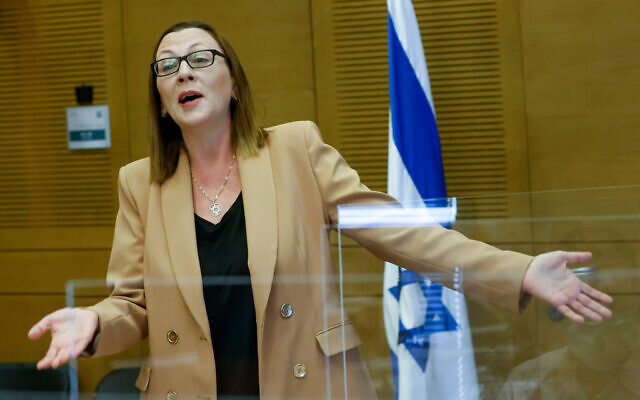
Wednesday’s opening plenum debate on the bill quickly turned into a shouting match, as Haredi MKs heckled Malinovsky when she introduced the legislation.
“The chief rabbi of Israel has forgotten that he is a public servant and receives a salary from the public. He’s lost it,” she said, demanding Lau’s firing.
In response, Haredi MKs in the plenum began to heckle her. United Torah Judaism’s Meir Porush called her “drunk” and Moshe Gafni told her to “shut up.”
Malinovsky fired back, telling the ultra-Orthodox lawmakers, “you manage to surprise me over and over again, but here you have crossed every line. The holy trinity of ignorance, stupidity and racism is shouting to the heavens.”
"הבן אדם איבד את זה" – @YuliaMalinovsky נגד הרב דוד לאו, הרב הראשי לישראל ונשיא בית הדין הרבני הגדול: "שכח שהוא עובד ציבור, מקבל משכורת מציבור".
דבריה עוררו את כעסם של חברי כנסת מהמפלגות החרדיות ו-@bezalelsm והיא אמרה להם: "ההיסטריה שלכם מחזקת אותי"@MatanKahana @Elazar_stern pic.twitter.com/6AFW2fBlzi— ערוץ כנסת (@KnessetT) December 29, 2021
Also Wednesday, Finance Minister Avigdor Liberman, who heads Yisrael Beytenu, sent Lau a letter telling the chief rabbi that it is his duty to sign off on conversions.
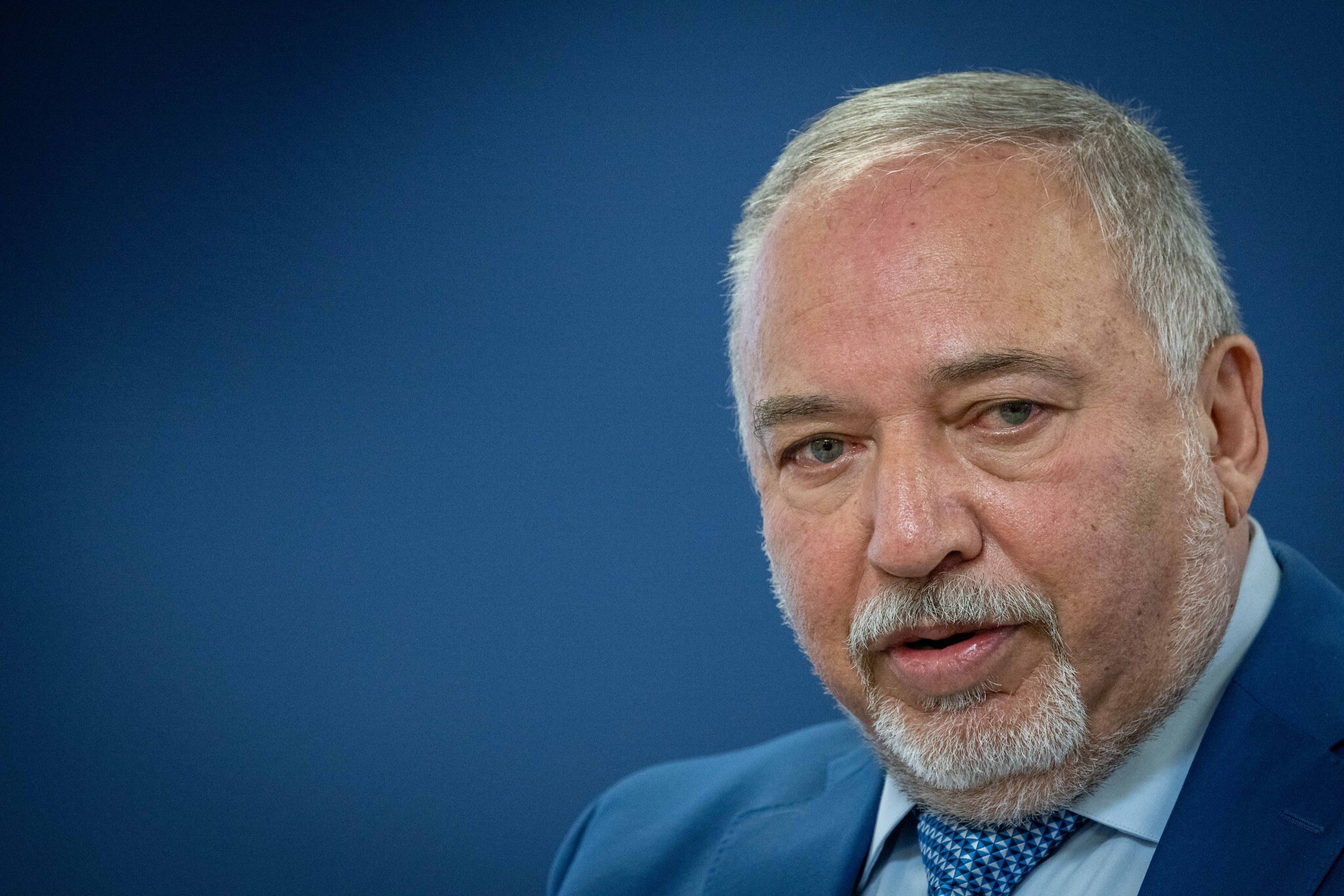
“The head of the conversion system is not elected by the public, but by a senior official in the civil and public service, and the decision to extend or terminate his tenure is in the hands of the competent state authorities,” Liberman wrote, calling Lau’s earlier statement “an implicit threat, not to mention blackmail.”
Such behavior “is not appropriate to the status of the chief rabbi, and may lead to proceedings being taken to end his term,” Liberman added.
In a subsequent interview on Channel 13, Liberman called for Lau’s immediate suspension, noting that Lau is an employee of the state, and said he had appealed to Kahana to reprimand the chief rabbi.
In a recent interview with The Times of Israel, Kahana said he was engaged in “an ongoing dialogue” with Lau on the matter.
Converts to Judaism who move to Israel whose conversions are not recognized by the Chief Rabbinate cannot marry in Israel, as the rabbinate controls marriages. Reform and Conservative conversions performed in Israel have not been recognized for years.

While Ethiopian Jewish immigrants from the Beta Israel community are recognized as fully Jewish, immigrants from Ethiopia belonging to the smaller Falash Mura community are required to undergo Orthodox conversion after immigrating. The Falash Mura are Ethiopian Jews whose ancestors converted to Christianity, often under duress, generations ago. Some 30,000 of them have immigrated to Israel since 1997, according to the Prime Minister’s Office.
In addition, there are over 450,000 immigrants from the former Soviet Union or their descendants who do not fit the strictly Orthodox requirement of having a Jewish mother. Some are able to convert during their army service while others go through the rabbinate, a lengthy and sometimes vexing process.
Kahana was recently provided additional security due to threats he has received over his plans to reform issues of state and religion. At the beginning of the month, several prominent religious Zionist rabbis called for protests against Kahana’s reforms.








The Times of Israel Community.