

Netanyahu reportedly taps Dermer to handle Lebanon file as Beirut seeks direct talks
TV report says ex-minister and longtime confidant of PM to lead negotiations, though Israel has rebuffed Lebanese efforts to engage directly, with Beirut even floating normalization
 Add ToI as a Preferred Source on Google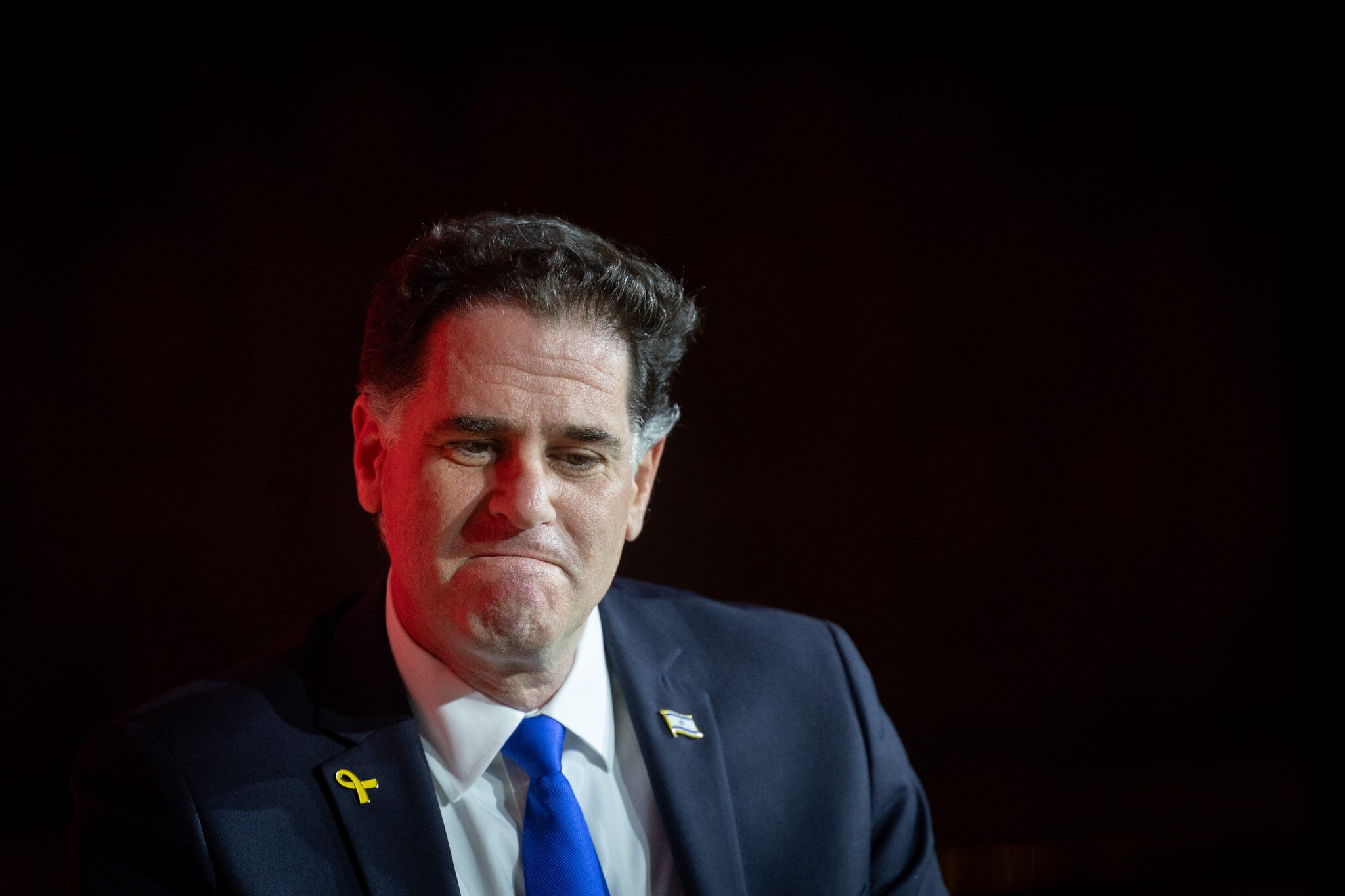
Prime Minister Benjamin Netanyahu has tapped former minister and longtime aide Ron Dermer to handle the Lebanon file for the duration of the ongoing Mideast war, Channel 12 news reported Friday, citing senior Israeli and US officials.
Dermer, who served as strategic affairs minister from 2022 until his resignation late last year, will lead talks with the US government regarding Lebanon, the report said.
He will also lead negotiations with the Lebanese government itself, if they are launched in the coming weeks, which Beirut is pushing for, though Israeli and US officials have said that direct talks are not in the cards at the moment.
The officials cited by the network added that, as part of the talks with the US administration, Israel complied with an American request not to bomb Beirut’s international airport.
Israeli officials have threatened recently to target Lebanon’s civilian infrastructure if Beirut does not adequately work to disarm Hezbollah and stop it from launching rockets and drones at Israel, which it began doing extensively last week in response to the killing of Iran’s supreme leader Ali Khamenei, after a lull of more than a year.
According to Channel 12, a US official said that Israel pledged not to attack Lebanese civil infrastructure, though an Israeli official pushed back, saying no such commitment was given and that “each case would be examined on its own merits with the Americans.”
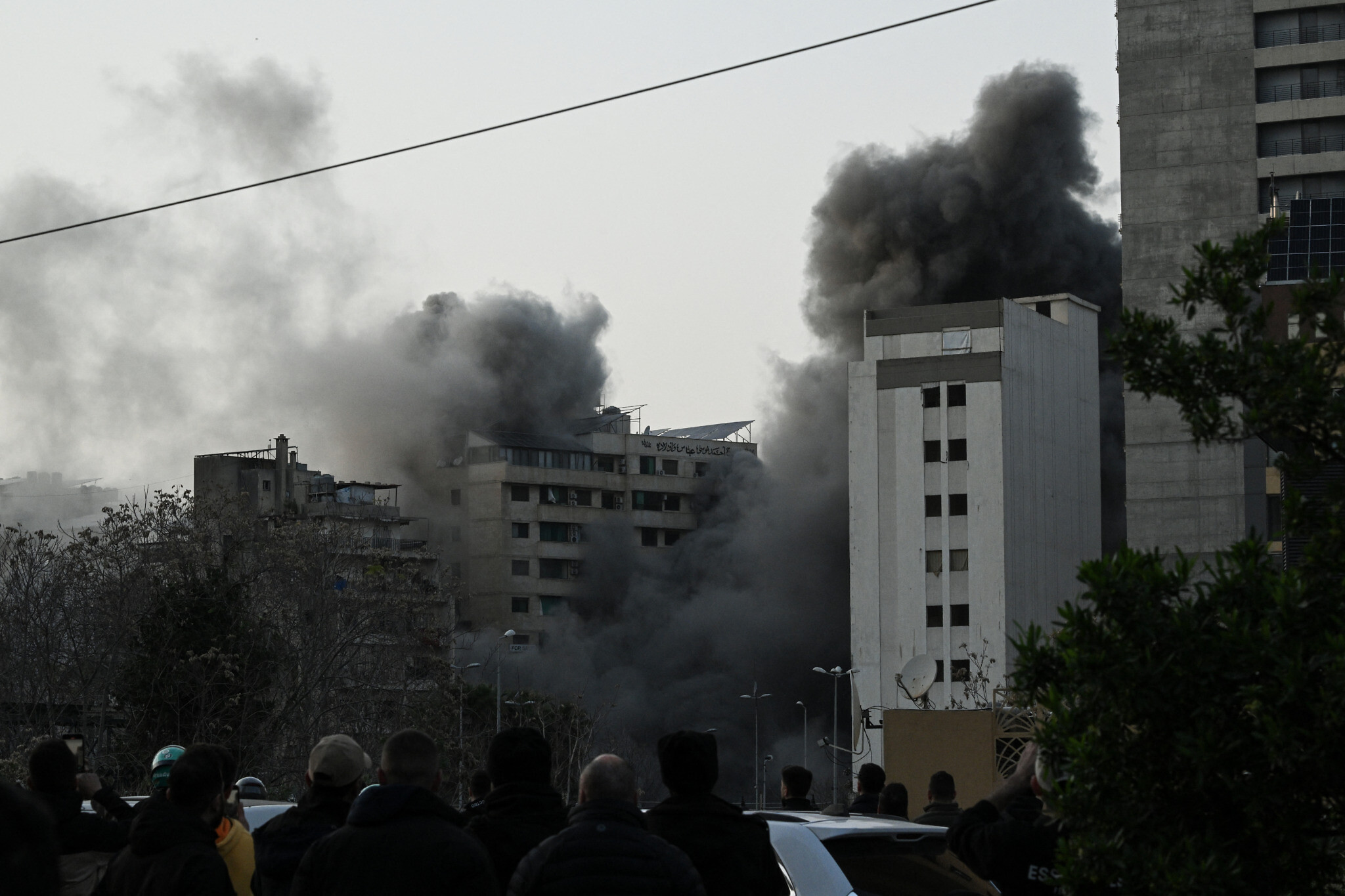
As Israel continues to pound Hezbollah strongholds in Beirut’s southern suburbs and other sites belonging to the Iran-backed group, Lebanese President Joseph Aoun has pushed to begin direct negotiations with Israel this week, seeking to secure an end to the conflict.
Israel rebuffed the offer, deeming it too little too late from a government that shares its goal of disarming Hezbollah but cannot act against the heavily armed Lebanese terror group without risking a civil war.
Two sources familiar with Aoun’s position said he has begun appointing a negotiating delegation and in some private meetings, he went as far as to say he was ready to move toward normalizing ties.
“Everything is on the table,” a third source familiar with his position told Reuters when asked about normalization.
The Lebanese state’s stance reflects unprecedented levels of domestic opposition to Hezbollah’s status as an armed group: the government last week banned its military activities.
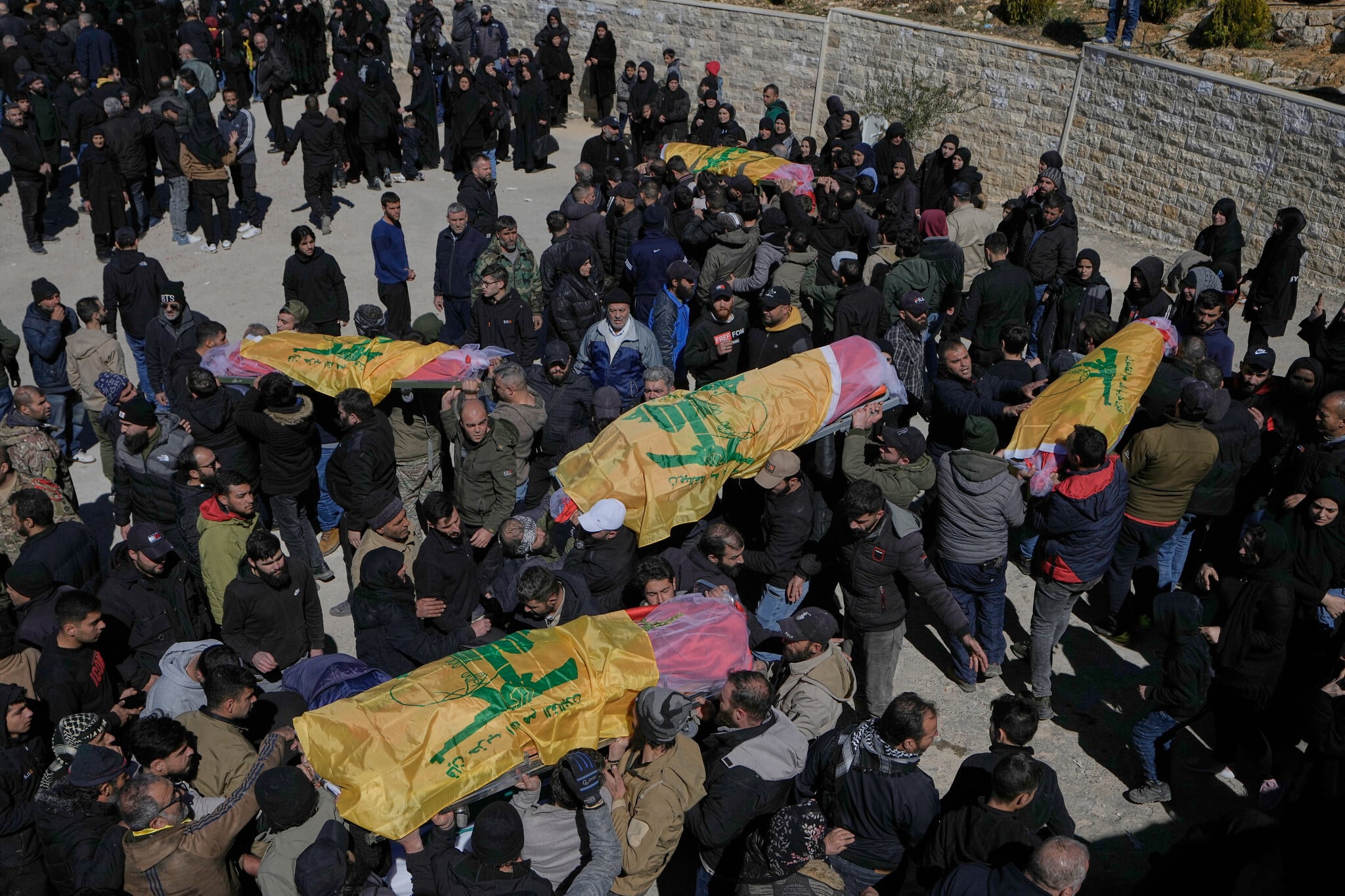
But with Hezbollah still wielding a powerful arsenal and backed by a significant portion of Lebanon’s Shi’ite Muslim community, carrying out the order is easier said than done for a fragile Lebanese state now facing one of its most precarious moments since the country’s 1975-90 civil war.
Now, as Beirut presses the US to bring Israel to the table, Netanyahu has picked his long-time confidant and veteran negotiator Dermer to represent Jerusalem in whatever talks occur regarding Lebanon and Hezbollah.
The US-born Dermer was seen as Netanyahu’s closest adviser and had been handling a wide range of diplomatic issues, including ties with Washington, the hostage negotiations during the Gaza war, and Israel’s relations with its Arab neighbors.
Dermer was Israel’s ambassador to the US from 2013 to 2021 and was a key negotiator of the Abraham Accords, which saw the United Arab Emirates, Bahrain, and Morocco normalize relations with Israel in 2020.
He served as strategic affairs minister during most of the war in Gaza, leading negotiations to return the hostages held by terror groups in the Strip and other talks including over the buffer zone in the Syrian Golan region.
He resigned last November and has since served as a special envoy for Netanyahu in a private capacity.




The Times of Israel Community.