

Katz threatens to destroy infrastructure as ‘price’ of Lebanon not disarming Hezbollah
Two lightly injured by rocket impact on home; Israel strikes bridge on Litani River it says was ‘key crossing’ for Iran-backed terror group; government reportedly weighing wider ground op
 Add ToI as a Preferred Source on Google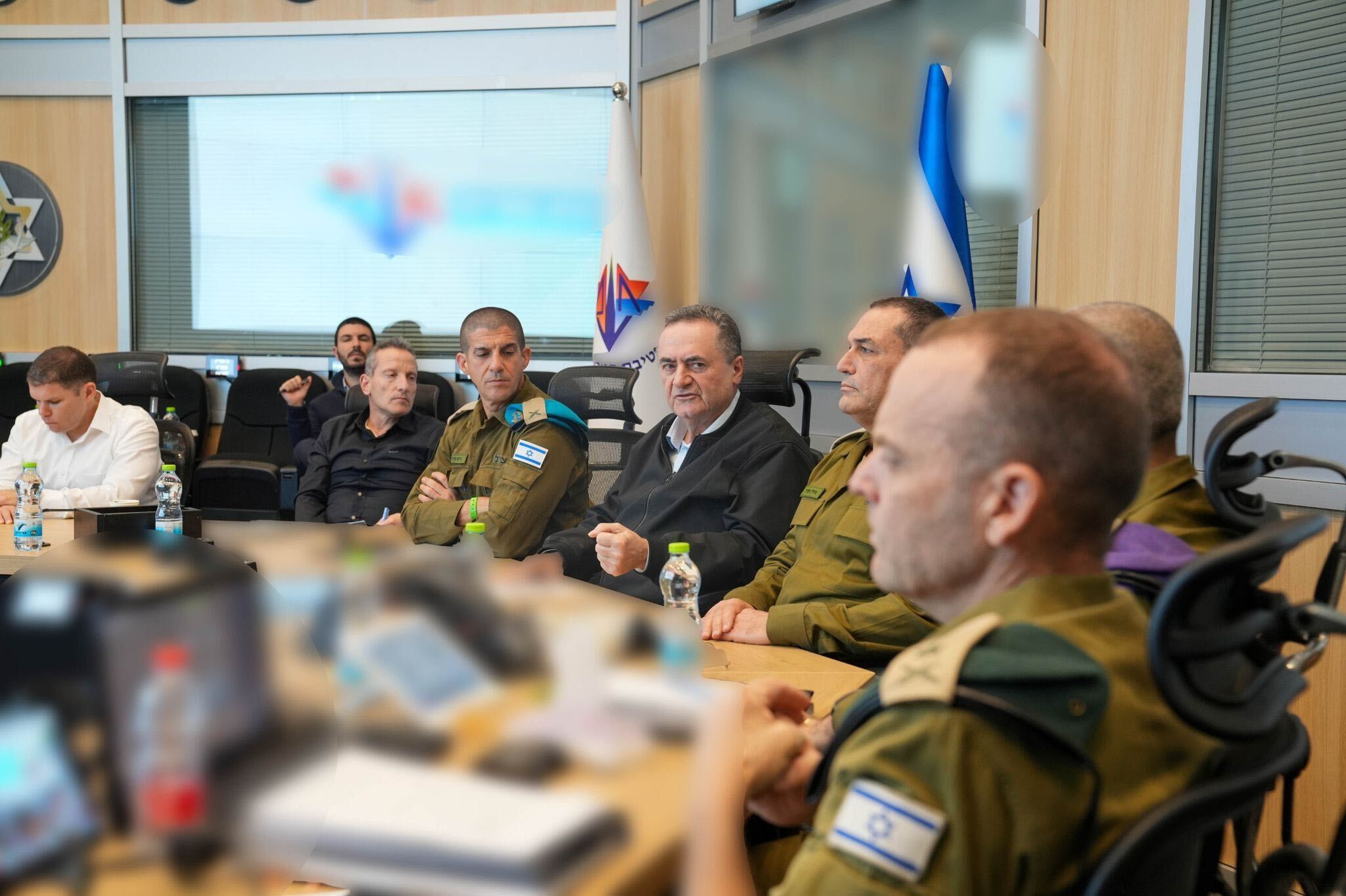
Defense Minister Israel Katz on Friday threatened the Lebanese government that Israel would destroy the country’s national infrastructure used by Hezbollah if the terror group isn’t disarmed, after the Israel Defense Forces struck a bridge that it described as a “key crossing” for the group.
“This is only the beginning, and the Lebanese government and the Lebanese state will pay an increasing price through damage to Lebanese national infrastructure that is used by Hezbollah terrorists,” Katz said during an assessment with IDF Chief of Staff Lt. Gen. Eyal Zamir and the military’s top brass.
The harsh rhetoric comes as Israel fights a fresh round of conflict with Hezbollah, which began firing hundreds of missiles at Israel last week amid US-Israeli strikes against the terror group’s sponsor, Iran. Two people were lightly injured by Hezbollah rocket fire that struck a Kibbutz home on Friday.
Israel has responded with heavy strikes on Hezbollah and has expanded its presence in southern Lebanon. The government is reportedly weighing launching a major ground operation there.
“The Lebanese government, which misled and did not fulfill its commitment to disarm Hezbollah, will pay increasing prices through damage to infrastructure and the loss of territory, until the central commitment of disarming Hezbollah is fulfilled,” Katz added at the assessment.
It was Katz’s second warning in as many days for the Lebanese government, which has called on Hezbollah to lay down its weapons and made efforts to disarm the group. On Thursday, Katz told the Lebanese government that if it doesn’t prevent Hezbollah from firing missiles at Israel, Israel “will take the territory and do it ourselves.”
International criticism of the fighting has mounted. On Friday, UN Secretary-General Antonio Guterres said he’d arrived in Lebanon for “a visit of solidarity with the people of Lebanon,” writing on X, “They did not choose this war. They were dragged into it.”
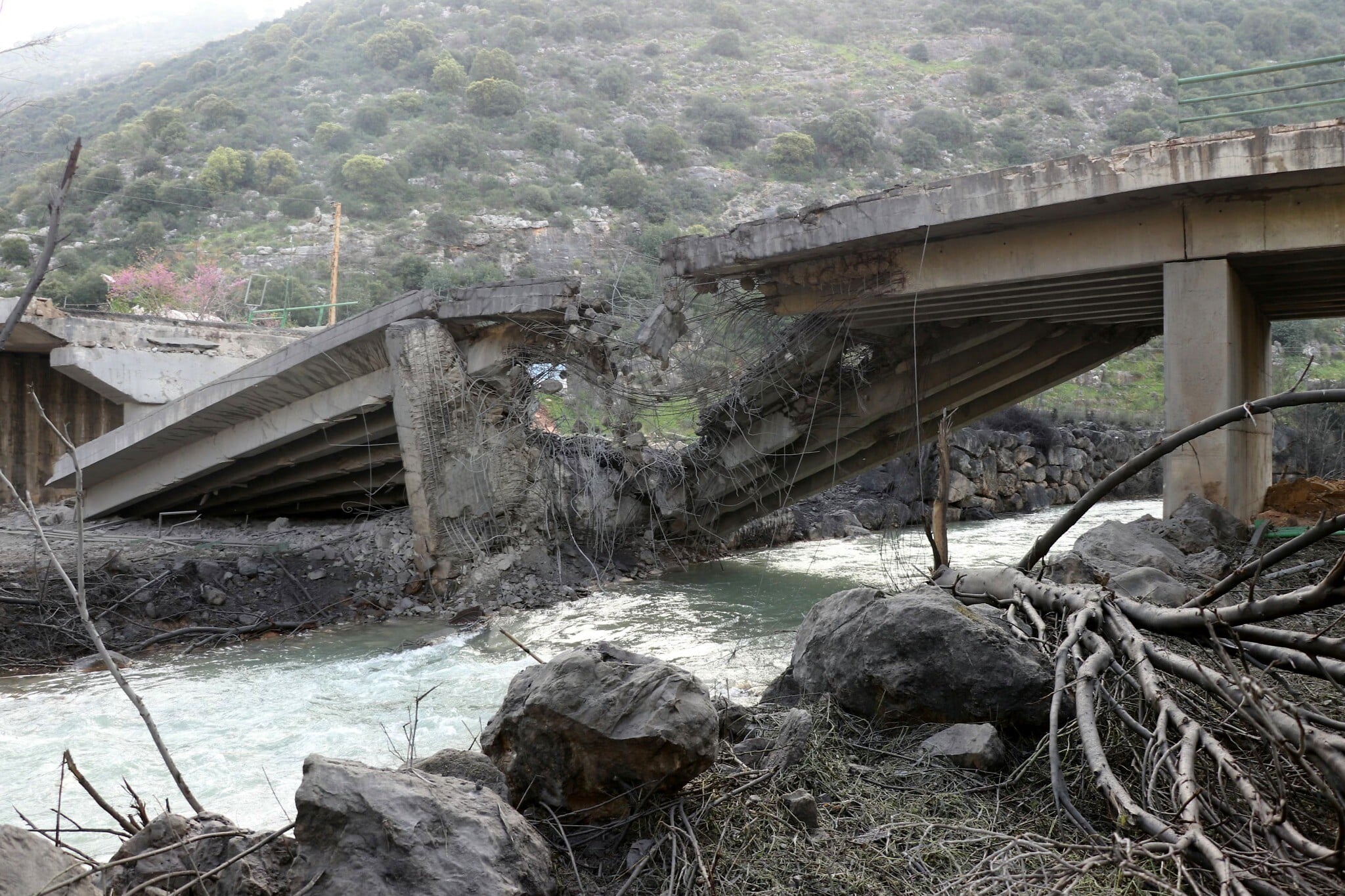
On Friday, the IDF said it struck a bridge on the Litani River that was being used by Hezbollah as a “key crossing” to move from northern to southern Lebanon.
According to the military, Hezbollah used the Zrarieh Bridge “to move from the north to the south of the country, prepare for combat against IDF troops, and operate against the civilians of the State of Israel, while endangering Lebanese civilians and causing extensive destruction in populated areas.”
The IDF said that to prevent a “threat to Israeli civilians, and continued harm to Lebanese civilians, it was necessary to strike the bridge.”
The military said Hezbollah also positioned rocket launchers near the bridge and carried out rocket attacks on Israel from the area recently.
Two injured when Hezbollah rocket strikes home
Hezbollah continued to fire rockets and drones at the Jewish state overnight and on Friday. The attacks sent hundreds of thousands scrambling to bomb shelters in northern Israel.
On Friday morning, two people were lightly injured by a rocket impact in Western Galilee. The rocket struck a home in Kibbutz Kabri, causing heavy damage.
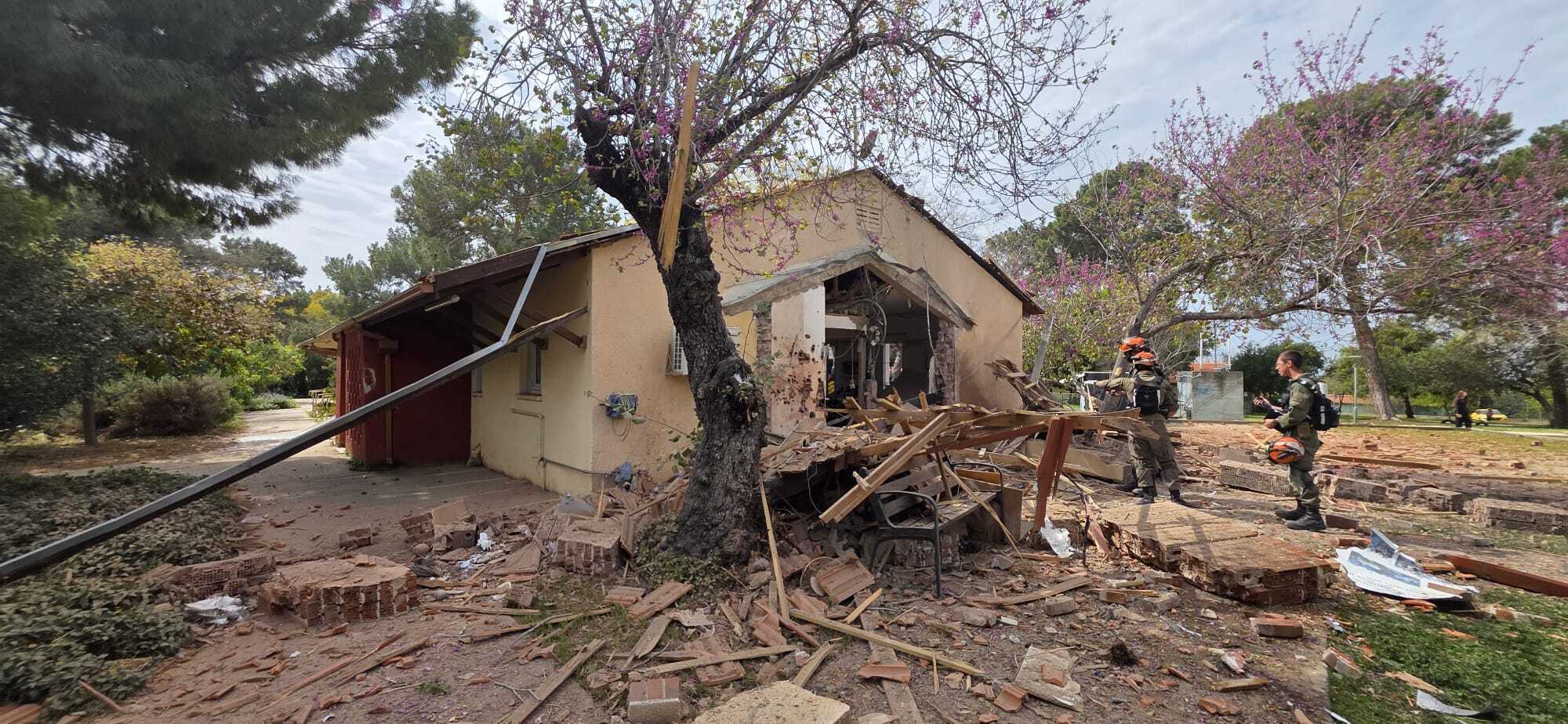
Magen David Adom says it treated a 50-year-old woman who sustained a shrapnel injury, and a 60-year-old man who was lightly hurt by a blast.
Since March 2, the terror group has launched on average around 100 rockets a day, according to the IDF.
Israel said weighing major ground op; PM: It can be averted
The Kan public broadcaster reported Thursday evening that the security cabinet met to discuss a wider campaign in southern Lebanon, with the goal of taking control of the entire territory south of the Litani River, and that Prime Minister Benjamin Netanyahu approved an expansion of the current operation there.
But Netanyahu, echoing Katz in remarks to the press late Thursday, left open the possibility that a ground operation in Lebanon could still be forestalled, if the Lebanese government can stop the threat to Israel on its own.
“You committed, so take your fate into your own hands,” he said, addressing the government in Beirut. “The time has come for you to do it.”

“If they don’t, it’s clear to you that we will,” he continued. “How? On the ground, not on the ground, other things — I will not detail here. But I promise you, as I said, we will exact a very heavy price from Hezbollah.”
Netanyahu said that if Lebanon’s government “wants to save itself,” they should “participate in this action,” adding, “If they don’t, we will have no choice but to do so in our own ways.”
Netanyahu promised not to “abandon the residents of the north,” adding that he is holding discussions “not for the sake of discussion, but discussions for the sake of action.”
The IDF, meanwhile, continued to strike Hezbollah targets elsewhere in Lebanon, as it provided more details about strikes and ground operations carried out against the Iran-backed terror group earlier this week.
The army said Friday it had carried out an airstrike in Beirut, saying further details would come later.
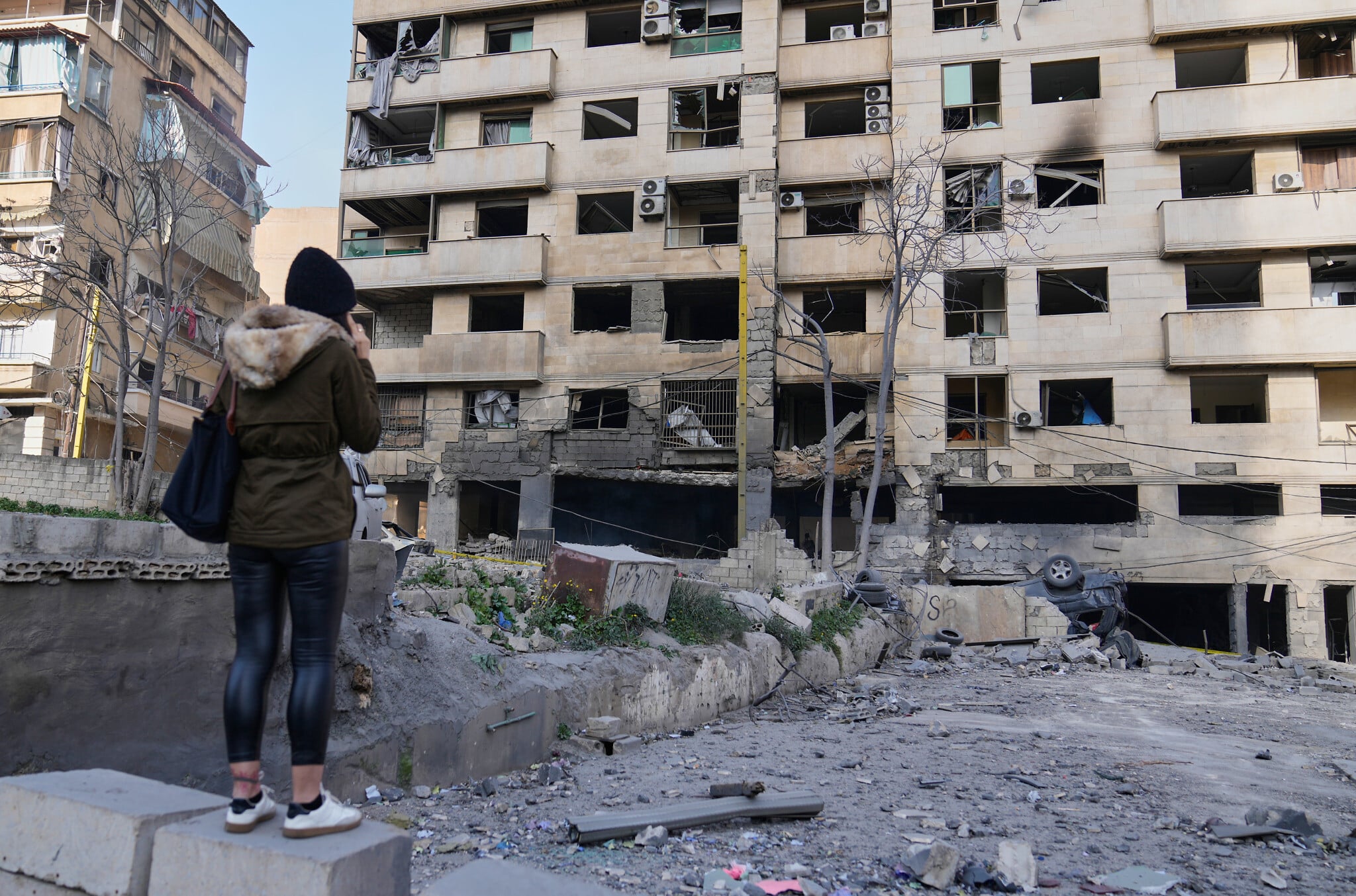
Lebanon’s state media reported that a drone struck a residential apartment in Beirut’s Burj Hammoud district on the northern outskirts. It was the first time in this war that Beirut’s predominantly Christian northern suburbs had been hit as Israel appeared to widen its targeting.
Lebanon’s state-run National News Agency also reported that an Israeli strike in eastern Lebanon, targeting an Islamic Group official, killed two people.
The early Friday strike on an apartment in the eastern village of Bar Elias wounded Youssef Dahouk, a local official with al-Jamaa al-Islamiya, or the Islamic Group, and two others, according to NNA. The agency said Dahouk’s two sons were killed in the strike.
Over the past two years, Israel has targeted officials with the Islamic Group, which is the Lebanese branch of the Muslim Brotherhood.
IDF body-cam footage shows operations in south Lebanon
Thursday, the IDF published body-cam footage of troops operating in southern Lebanon as part of its “enhanced forward defense posture.”
The military said that this week, troops of the 91st “Galilee” Regional Division carried out an overnight raid, during which infrastructure sites of Hezbollah’s elite Radwan Force were destroyed.
The IDF said it struck the Hezbollah sites with artillery and airstrikes.
Bodycam footage released by the IDF on March 12, 2026, shows IDF troops operating in southern Lebanon. (Israel Defense Forces)
IDF says it kills Hezbollah drone operative who worked as academic
A member of Hezbollah’s drone unit, who moonlighted as an academic, was killed in an Israeli strike in Beirut yesterday evening, says Lt. Col. Ella Waweya, the IDF’s Arabic-language spokeswoman.
Murtada Hussein Sarour was targeted near the Lebanese University in Beirut.
Waweya says Sarour was a member of Hezbollah’s aerial forces, also known as Unit 127, which is responsible for explosive-laden drone attacks on Israel and flying surveillance drones to collect intelligence. He is also the brother of Muhammad Hussein Sarour, the former commander of Unit 127, who was killed by Israel in September 2024, she says.
“Alongside his activity in Hezbollah, Murtada Hussein Sarour worked as a lecturer in chemistry at the Lebanese University in Beirut,” Waweya says.
Air force strikes Hezbollah-linked quasi-bank in Beirut
On Thursday, the Israeli Air Force struck several branches of a Hezbollah-linked financial institution, along with other infrastructure belonging to the terror group.
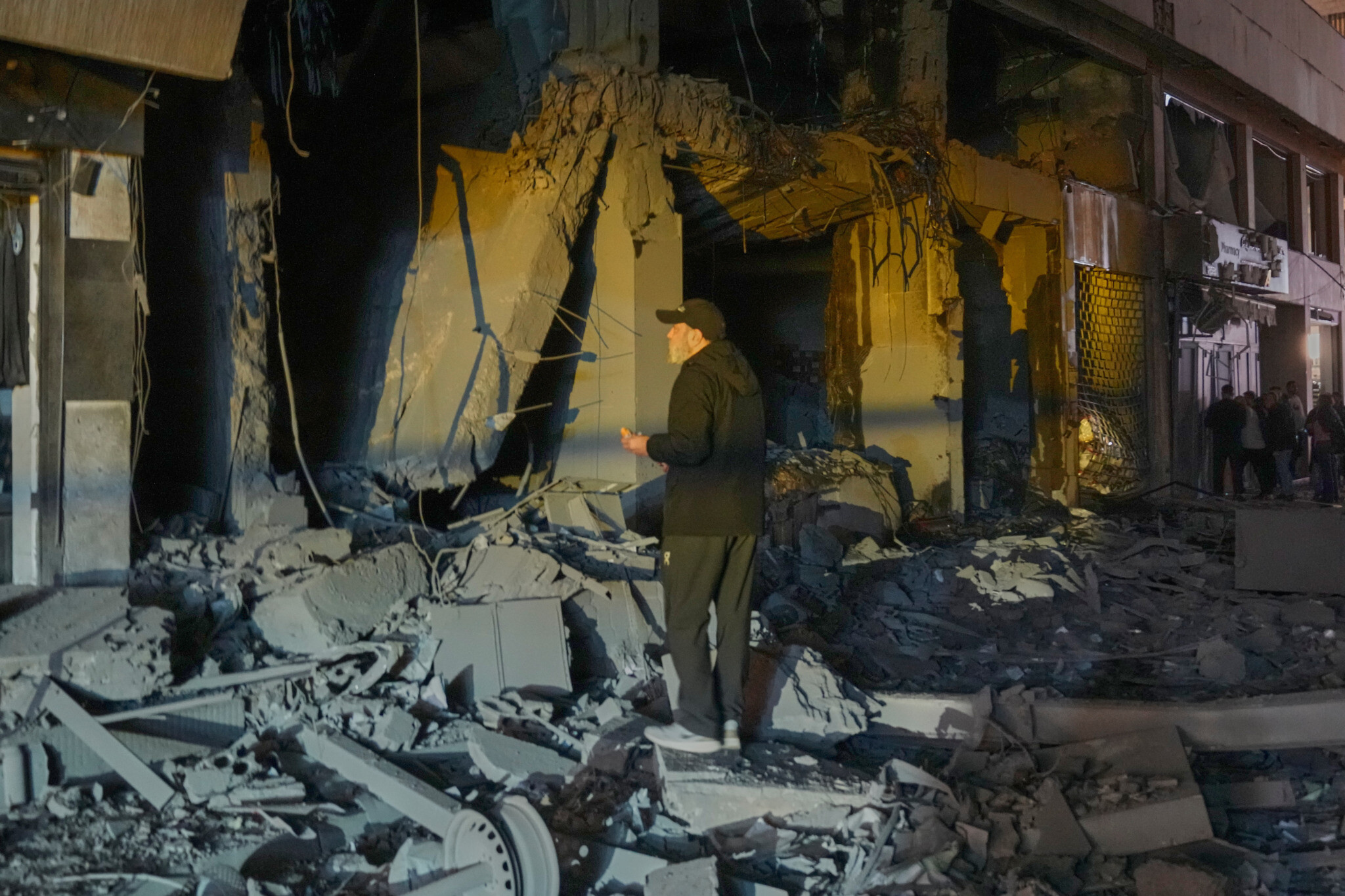
Other airstrikes in Beirut and southern Lebanon on Thursday also hit several command centers from which Hezbollah operatives “advanced terror attacks against Israel and its citizens,” the IDF said. Ahead of the strikes, the IDF issued evacuation warnings for Lebanese civilians.
Sites belonging to the Al-Qard al-Hassan association, which is known to be used by the Iranian proxy as a quasi-bank, were struck in Beirut.
The military said AQAH is used by Hezbollah to store money, manage salaries for its operatives, transfer funds from Iran, and purchase weapons.
Numerous AQAH sites have been struck by the IDF in Lebanon in recent days, which the IDF said is part of an effort to “deepen the blow to the Hezbollah terror organization and its resources.”





The Times of Israel Community.