

Opposition lawmakers allege police chief thrown out over PM probes
Critics say decision not to extend term of Roni Alsheich is a direct result of his leading the corruption investigations of Netanyahu
 Add ToI as a Preferred Source on Google
Raoul Wootliff is a former Times of Israel political correspondent and Daily Briefing podcast producer.

Opposition leaders Thursday scorned a ministerial decision to not extend the term of Police Commissioner Roni Alsheich for another year, claiming he was being pushed out for recommending corruption indictments against Prime Minister Benjamin Netanyahu, with some suggesting the aim was put a more malleable figure at the helm of the force.
Earlier, Public Security Minister Gilad Erdan announced he would not be extending Alsheich’s term, who is scheduled to end his tenure in December.
Alsheich, who was appointed to the post in December 2015 after a career in the Shin Bet security service, had hoped to be asked to stay on the job for a customary fourth year when his three-year term ends in December. Most saw the decision to let his term expire as linked to his frayed relationship with Netanyahu.
Zionist Union chairman Avi Gabbay said that there was “a heavy cloud” over the decision.
“While the Israeli police are doing their job and fighting suspicions of government corruption by the prime minister and his associates, Likud ministers are waging war against the rule of law and democracy,” Gabbay tweeted. “Netanyahu and all the Likud ministers whose political careers are dependent [on Netanyahu] should not have decided the future of the police commissioner.”

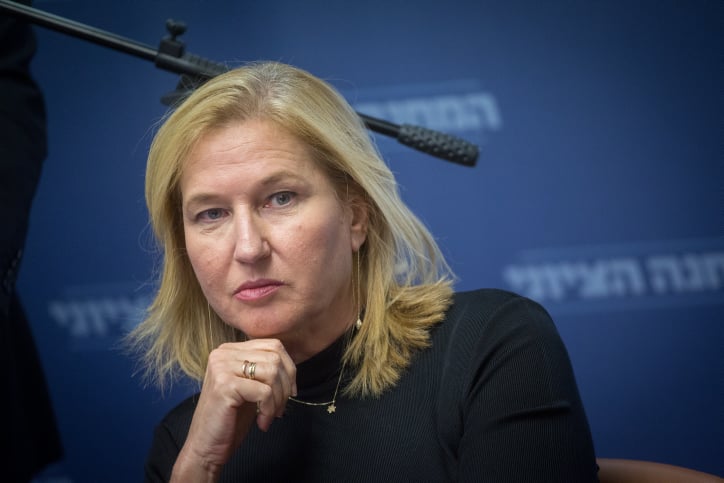
Opposition leader, Zionist Union MK Tzipi Livni said the whole system of an optional extension of the commissioner’s term was faulty.
“This disgraceful farce of the option to extend the term needs to be immediately abolished,” she tweeted. “There should be a fixed term and the law should allow the army and police chiefs to be independent without the extension option being dangled before them.”
Livni noted she would propose a bill to legislate appropriate changes in the system of selecting the army and police chiefs.
“The government will be opposed because what value is there to a commissioner if you can’t control him,” she added.
Erdan insisted that he had not been influenced by the prime minister in his decision not to extend Alsheich’s term.
At a press conference announcing his three candidates to assume the post, the minister explained that he and Alsheich had had “disagreements on various weighty issues” but stressed: “I received clear instructions from the attorney general on who I could consult with in the process and I followed them. I did not update the prime minister or the ministers [on the process].”
Netanyahu, under investigation in three cases, had made little secret of his dislike for Alsheich over the last year, accusing him of leaking information to the press and of conducting a “witch hunt.”
Reports had spread in recent weeks that Netanyahu sought to end Alsheich’s term in order to prevent him pursuing the investigations further.
The official term of a police commissioner is three years but it is usually extended to four.

Yesh Atid chairman Yair Lapid said the move on Alsheich was directly linked to the investigations of the prime minister.
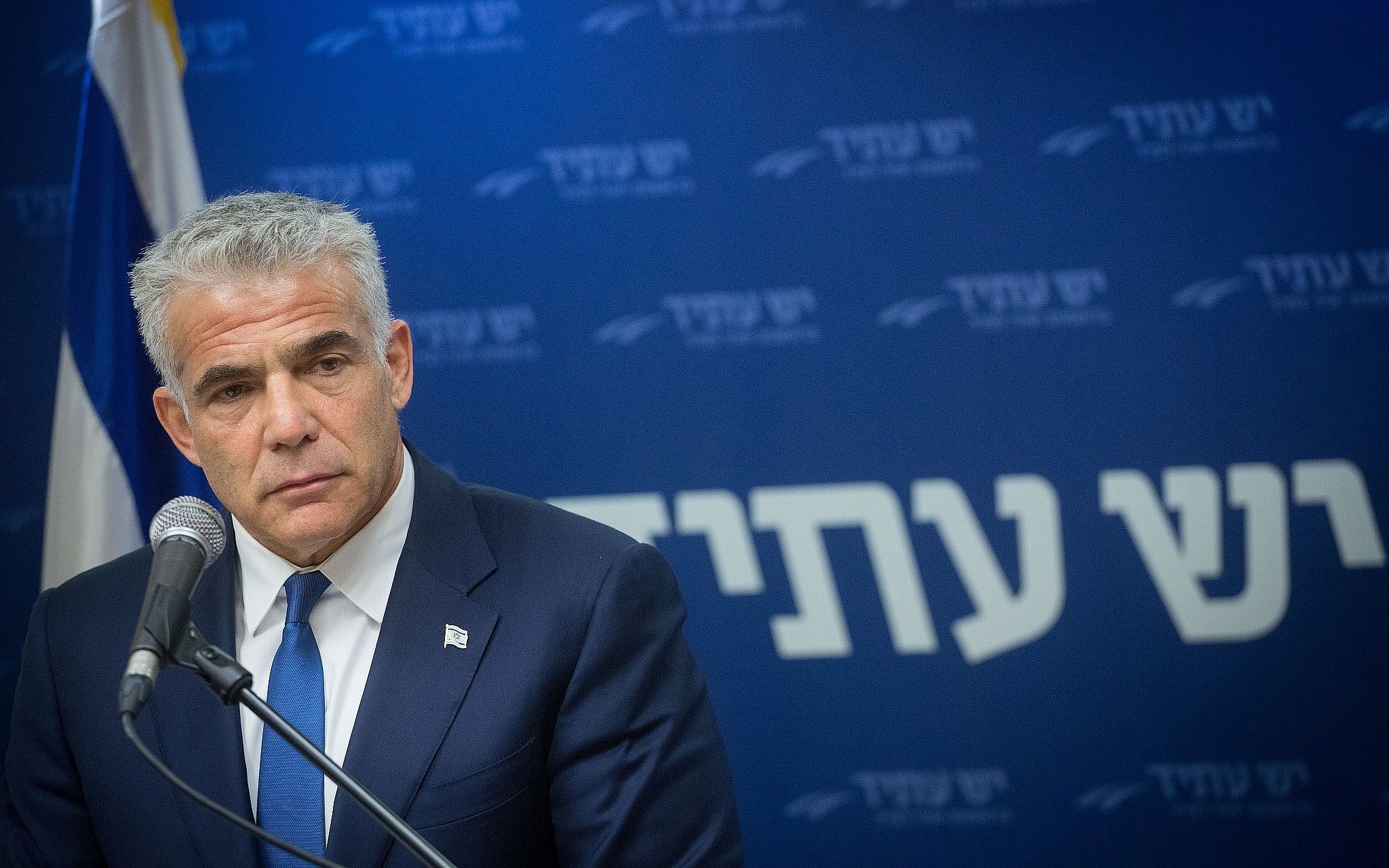
“There is one reason and one reason only that the term of Commissioner Roni Alsheich was not extended,” he said in a brief statement. “The prime minister wants an easygoing commissioner who won’t investigate him.”
Yesh Atid MK Mickey Levy, who in the past served as Jerusalem police chief, slammed the decision to deny Alsheich an extra year in office.
“The decision to end Alsheich’s term reaks of political corruption,” Levy said in a statement. “This has nothing to do with the public good. We are seeing a further step towards smashing [state institutions] to pieces and replacing concern for the public good with small, corrupt and ugly politics.
Levy praised Alsheich’s achievements saying he had managed “to take an organization in crisis and to lead it to a new path with remarkable professionalism and leadership. Anyone familiar with the details knows that Alsheich has carried out a series of important reforms within the police and that they can not be completed in three years.”
Finance Minister Moshe Kahlon thanked Alsheich for his 38 years of service in the force and his time as its leader.
“The police were privileged with a moral, determined and professional leadership,” Kahlon tweeted.
Former prime minister Ehud Barak, who served as Netanyah’s defense minister in a previous government, said removing Alsheich would not prevent Netanyahu from meeting his fate in the probes.
“The die has been cast,” he tweeted. “Alsheich led with courage and recommended putting the prime minister on trial for two serious offenses of bribery — and now he is paying the price. No dismissal will save the suspect from the judge, or the law.”
Netanyahu is a suspect in three criminal graft investigations, all of which involve suspicions that he advanced the interests of business people in government in exchange for expensive gifts and positive media coverage. Police earlier this year recommended indictments in two of the cases and are said to be leaning towards indictments also in the third. Netanyahu has denied wrongdoing in all the cases.
Times of Israel staff contributed to this report.









The Times of Israel Community.