

Eisenkot party would win 7-9 seats; balance between pro- and anti-Netanyahu blocs unchanged
Surveys also ask respondents how they would vote if Eisenkot joins with Bennett or Lapid, show opposition maintaining lead over PM’s coalition but hovering at or shy of a majority
 Add ToI as a Preferred Source on Google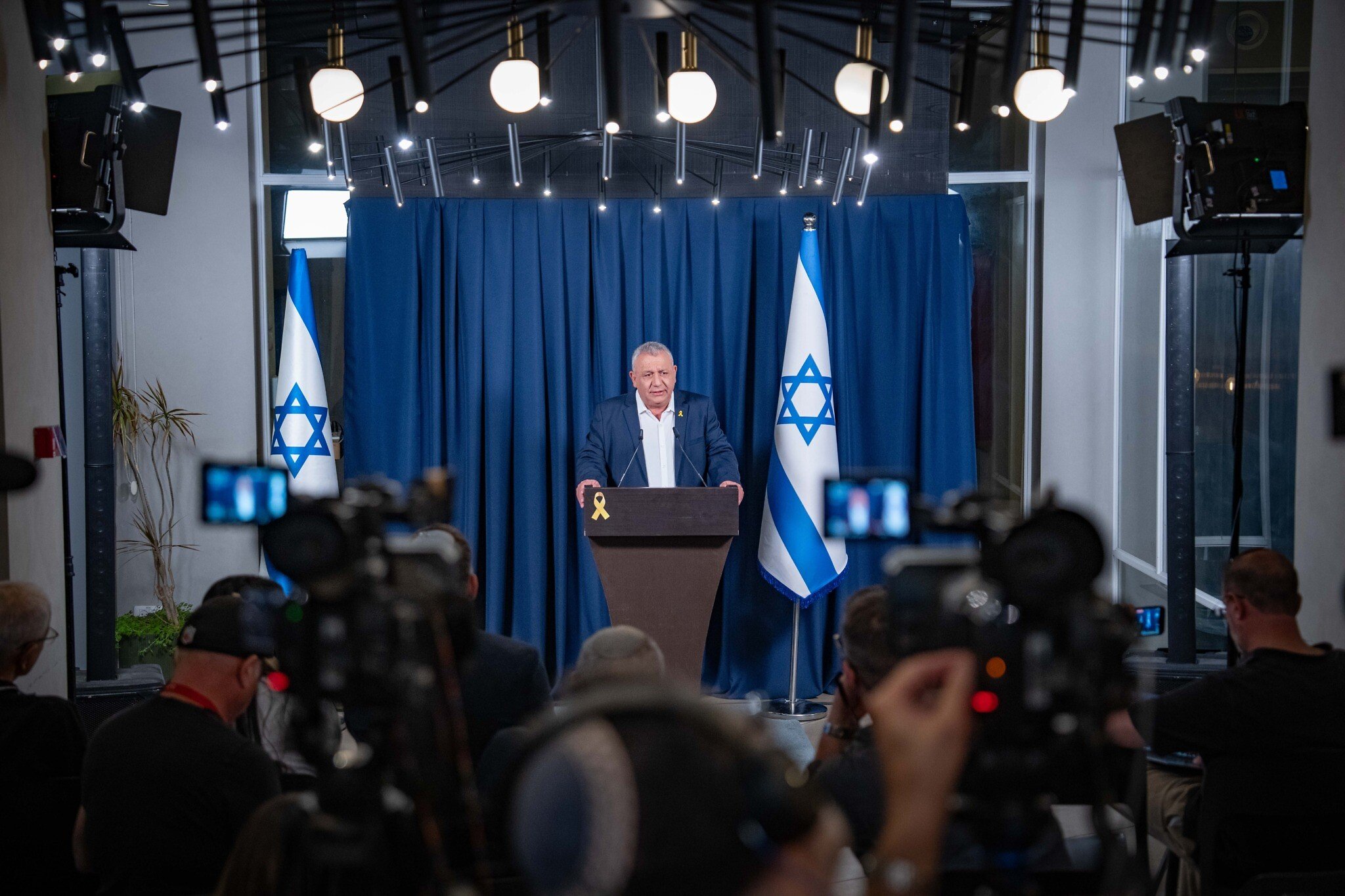
Opinion surveys released Tuesday after MK Gadi Eisenkot’s departure from the centrist National Unity party showed that a new party under his leadership would win seven to nine seats if new elections were held, with opposition factions maintaining their polling lead over Prime Minister Benjamin Netanyahu’s coalition while hovering at or several seats below a Knesset majority.
Eisenkot, a former IDF chief of staff and former war cabinet observer, on Monday quit fellow ex-military commander Benny Gantz’s National Unity three years after joining the party, and resigned his Knesset seat. The move raised speculations over whether Eisenkot would run independently in the next elections, join a new party led by former prime minister Naftali Bennett or team up with Opposition Leader Yair Lapid’s Yesh Atid.
On Tuesday, Eisenkot told reporters that he respects both Bennett and Lapid and that he “meets regularly” with the former, but has not spoken about a political union with either. “They were not connected in any way to this process,” he said.
He added that he was working to build “a governing alternative” to the Netanyahu-led coalition and wants “to lead a process that will bring together all the democratic Zionist parties.”
A poll conducted by Zman Yisrael, The Times of Israel’s Hebrew-language sister site, showed that were elections to be held with Eisenkot running as the No. 2 in Bennett’s party, factions opposed to the government would receive a total of 57 seats, and the coalition parties 53 seats, while the Arab-majority Ra’am and Hadash-Ta’al would pick up five seats each in the 120-member Knesset.
In such a scenario, Bennett’s party would receive 29 seats, a close second to Netanyahu’s Likud, which was forecast to be the largest faction with 30 seats.
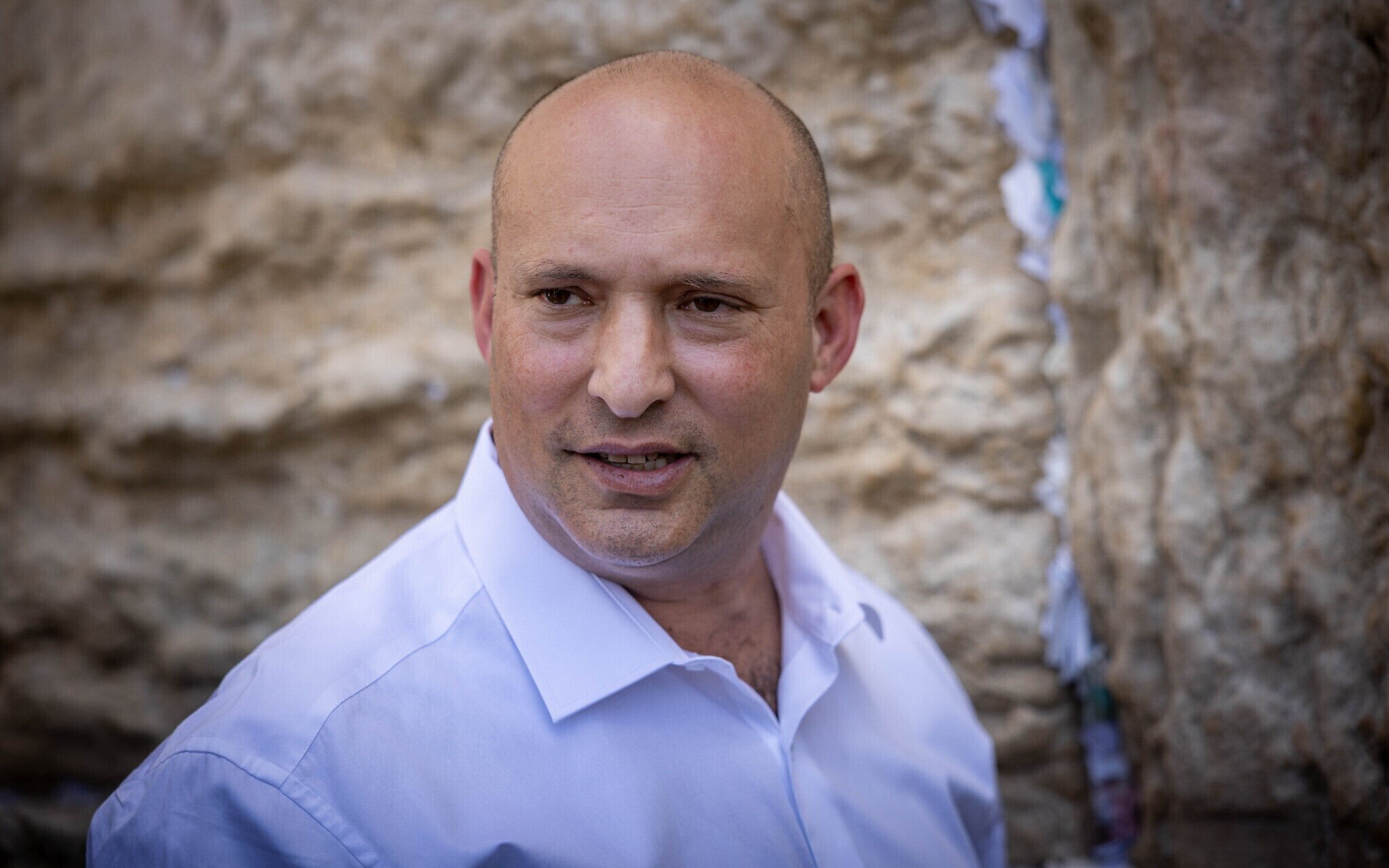
Though short of a majority on their own, the opposition parties could form a government with the support of the Islamist Ra’am, part of the ruling coalition that Bennett led between 2021 and 2022. Hadash-Ta’al, an alliance of the communist Hadash party and MK Ahmad Tibi’s Ta’al, is unaligned with either of the Knesset blocs.
If Eisenkot heads his own party, the Zman Yisrael survey showed him winning seven seats, though the opposition parties as a whole increased their seat total to 58.
The poll also checked how respondents would vote if Eisenkot led Yesh Atid, which would win 15 seats with him at the helm, while the opposition’s overall tally would further inch up to 59 seats.
A Channel 12 poll that did not factor in Eisenkot showed the opposition parties receiving 61 seats on their own without Ra’am. That figure remained stable if Eisenkot were to run on his own or with Lapid, though the survey said the opposition would lose one seat should Eisenkot run with Bennett, depriving it of a majority.
According to a Channel 13 poll, which like Channel 12 surveyed respondents on how they would vote without including Eisenkot, the opposition would receive 57 seats, the coalition would receive 53 and the Arab parties would receive 10.
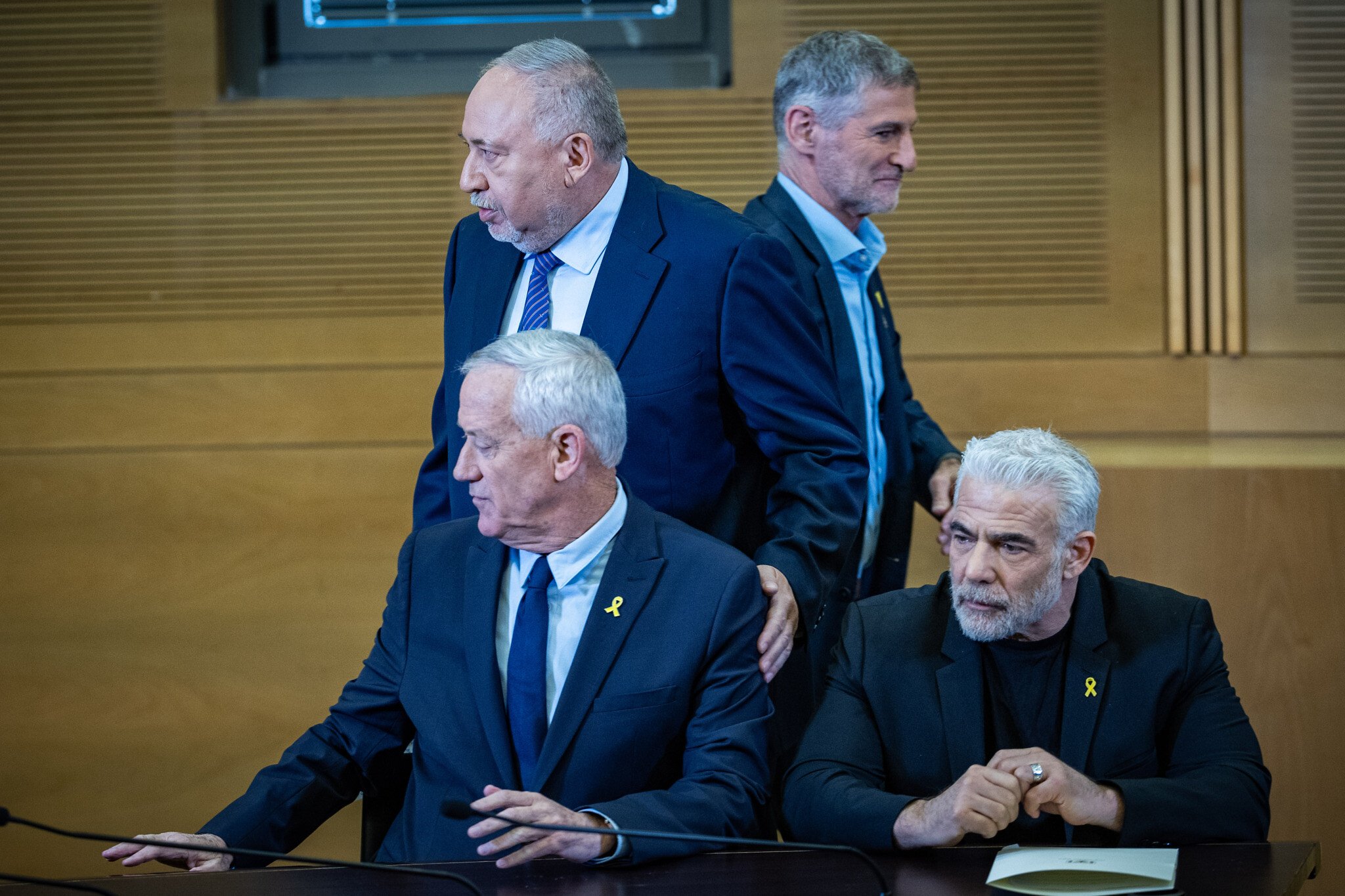
Were Eisenkot to run independently or join with Lapid, scenarios in which he would respectively win nine and 15 seats, his former partner Gantz would fall under the electoral threshold needed to enter the Knesset, depriving the opposition of the requisite 61 seats to form a government. If Eisenkot were to run with Bennett, however, the two would have the largest party with 31 seats and Gantz would remain over the threshold with four seats, bringing the opposition to a 62-seat majority without Arab support.
The opposition seeking to succeed Netanyahu’s government is ideologically diverse, ranging from Yair Golan’s left-wing Democratic Party to right-wing slates like those of Bennett and MK Avigdor Liberman’s secularist Yisrael Beytenu. Eisenkot is typically classified as a centrist, having said in recent interviews that talk of establishing a Palestinian state is “irrelevant” in the wake of the October 7, 2023, Hamas terror onslaught, but that there is also no reason to discuss reoccupying the Gaza Strip.
The Zman Yisrael survey, by pollster Yossi Atika, included 404 respondents, with a 4.8 percent margin of error. The Channel 12 poll, conducted by Manu Geva, had 502 respondents and a 4.4% margin of error. Channel 13’s poll was led by Yitzhak Katz, with the network providing no details on the number of participants or margin of error.






The Times of Israel Community.