

Posthumous Bible commentary by ex-UK chief rabbi seeks to unseat a synagogue staple
‘Ethical insights that apply to people’s everyday lives’: Five years after Jonathan Sacks died suddenly from cancer, Koren Publishers releases commentary culled from his works that it believes sets a new standard
 Add ToI as a Preferred Source on Google
Zev Stub is the Times of Israel's Diaspora Affairs correspondent.
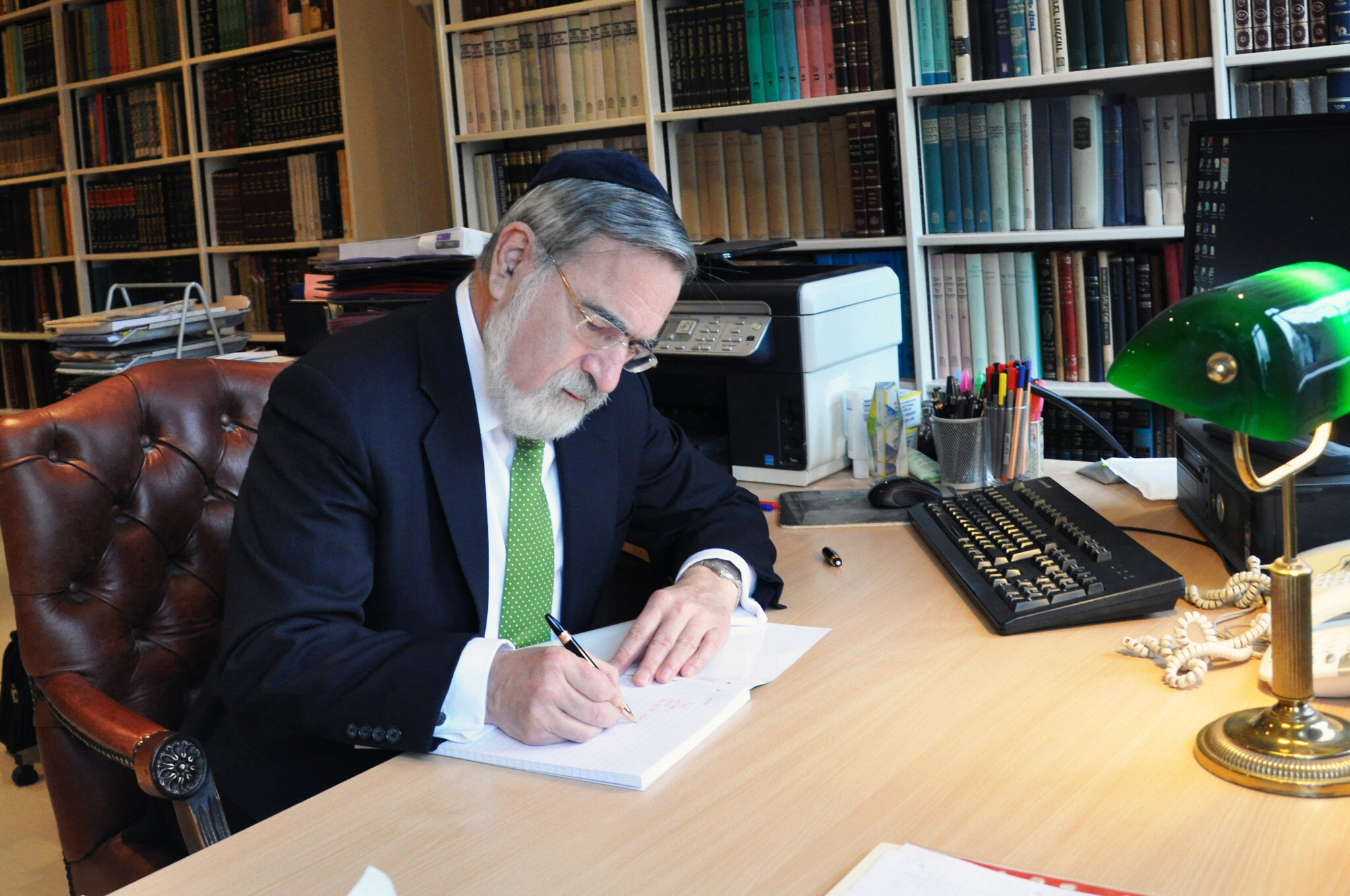
To a young Jessica Sacks growing up in England, the country’s towering chief rabbi, Jonathan Sacks, was more than just a distant religious figure — he was an uncle.
“He was very busy, so we didn’t get to see him so often, but at family events, he would greet me with a warm ‘Jessica,’ and he was very interested to hear about all the kids’ lives and what we were doing,” recalled Sacks, who now lives with her family in a suburb of Tel Aviv. “He knew I was interested in writing and translations as a child, and he would tell me that the Jewish world needs translators who appreciate the beauty of both the classic Jewish sources and the English language that they would be translated into.”
Rabbi Sacks probably didn’t realize at the time that his niece would eventually work with him on a number of his most famous publications, including his translation of the entire Hebrew Bible, published in 2021.
Now, nearly five years after he died of cancer in London on November 7, 2020, Sacks has played a leading role in bringing to fruition her uncle’s last big project — an extensive and innovative commentary on the Five Books of Moses, known in Hebrew as the Chumash.
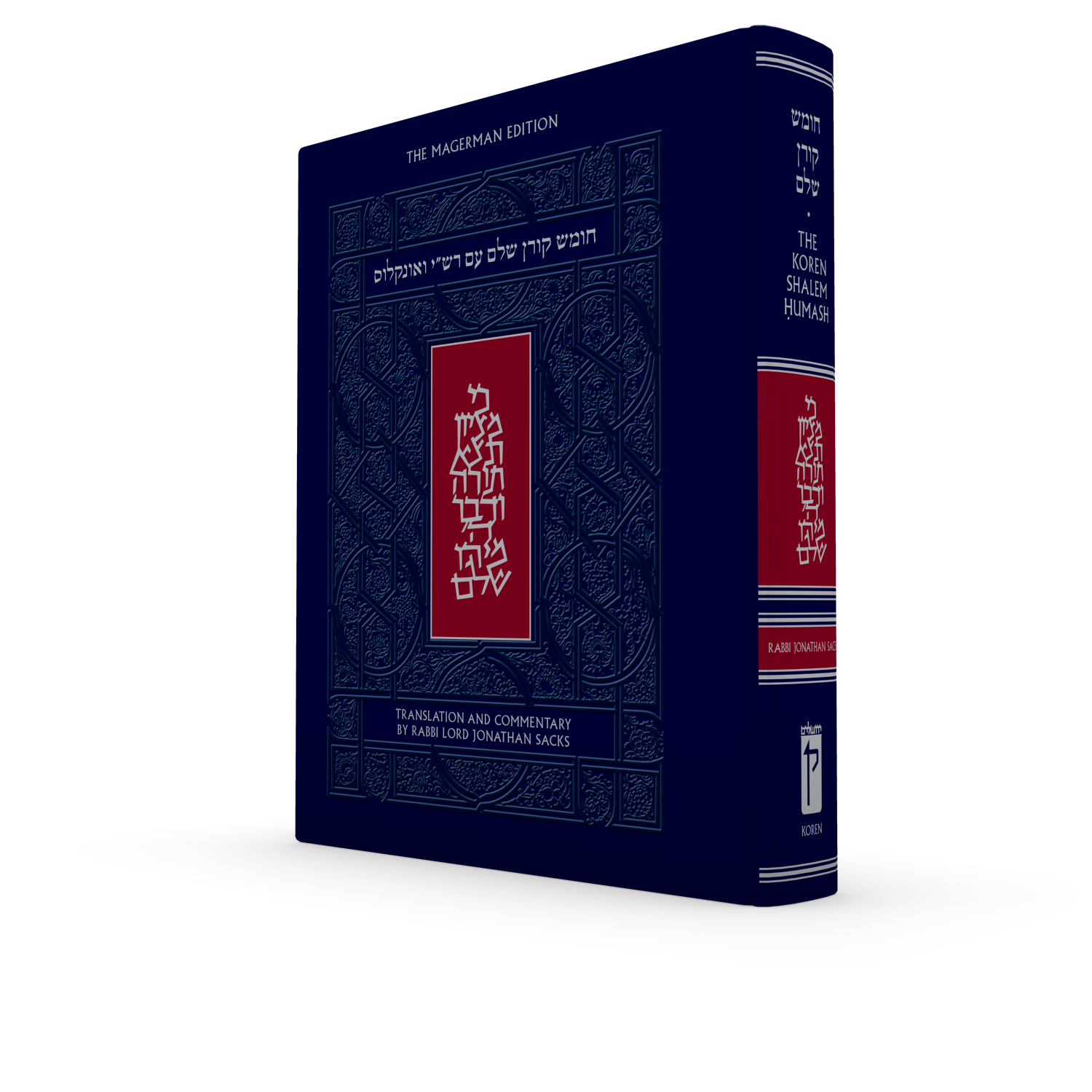
The new volume, released September 1 by Jerusalem’s Koren Publishers, is expected by many to change how millions of Jews and non-Jews around the globe learn and relate to Judaism’s primary text for years to come — and potentially challenge the current market leader, a commentary on the Bible that some say is too fundamentalist and insular for many Jews today.
“Rabbi Sacks has already become the voice that countless American Jews hear when they read the weekly Torah portion,” said Rabbi Dr. Zev Eleff, president of the Gratz College for Jewish studies, where he also serves as professor of American Jewish history. “I expect that a one-volume Chumash that synthesizes all of his teachings will be extremely popular and do a lot to influence how people read and listen to the Bible.”
A vision for humanity
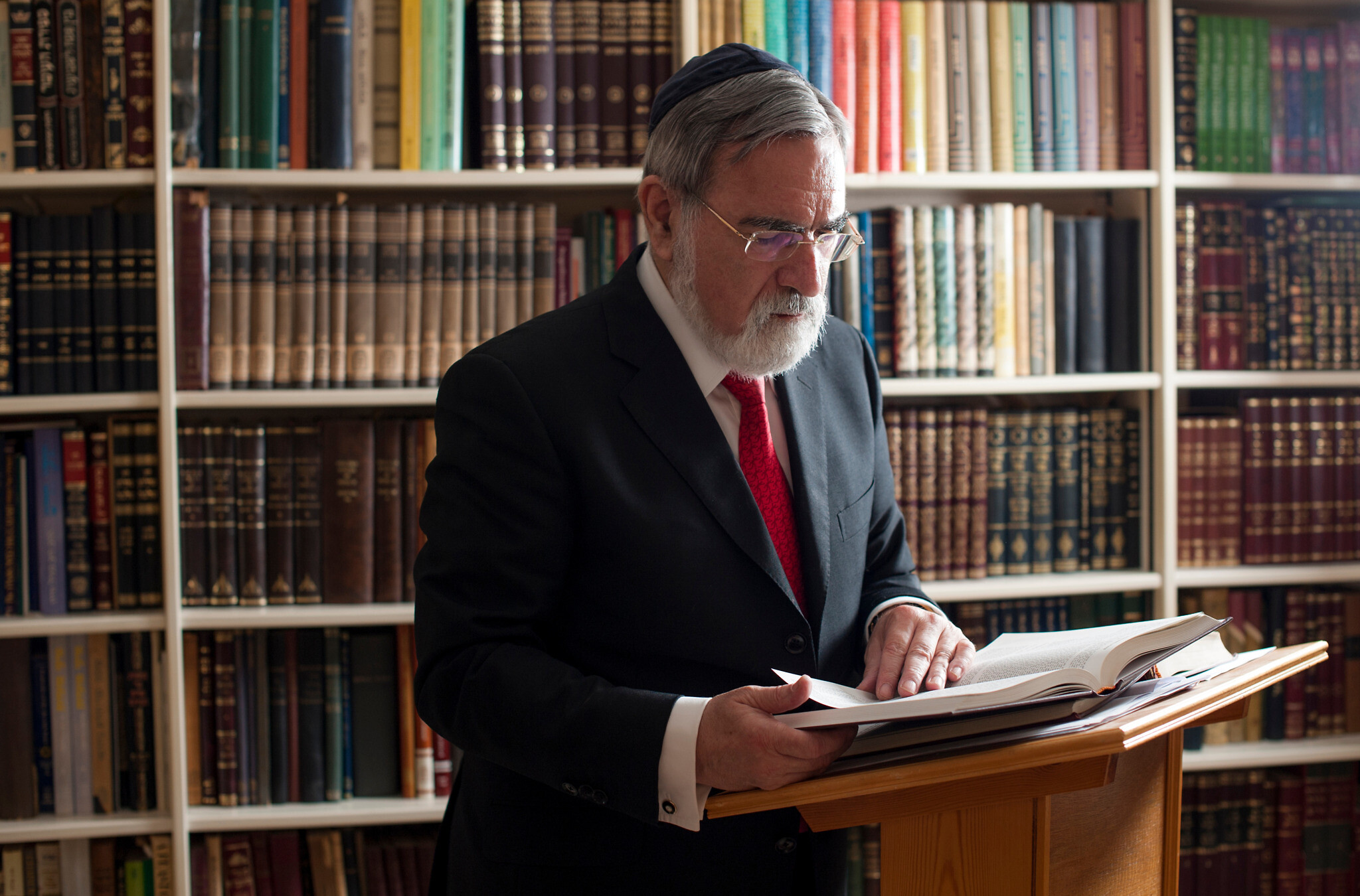
As the UK’s Chief Rabbi between 1991 and 2013, Rabbi Lord Jonathan Sacks (the Lord honorific refers to his status as a Life Peer in the United Kingdom’s House of Lords) became a leading global voice for moral clarity, interfaith dialogue, and the role of religion in addressing the great challenges of modern society.
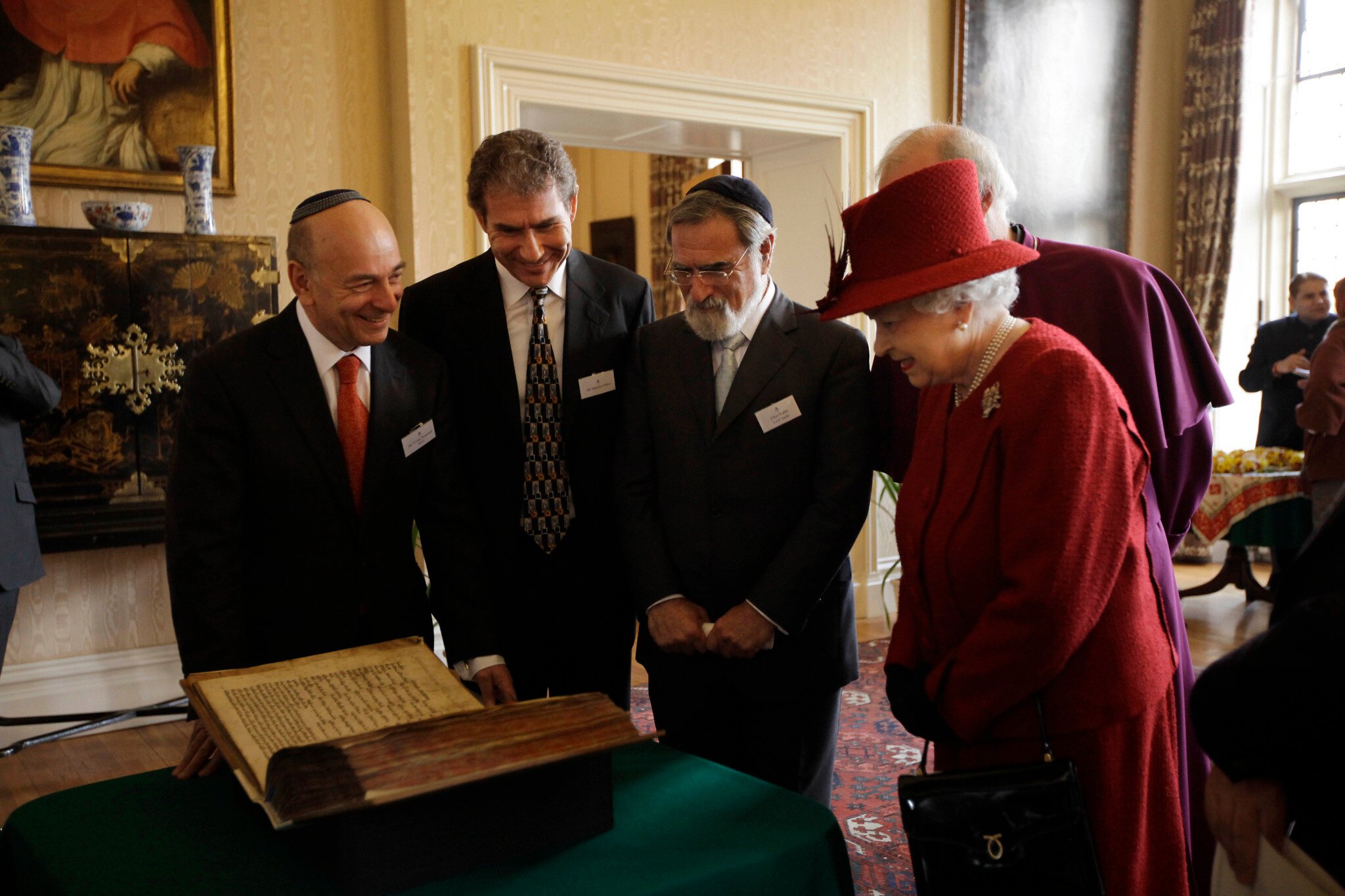
His teachings spoke to universal concerns such as the erosion of community in an age of individualism, the search for meaning in secular societies, and the dangers of extremism and intolerance. He saw religious faith as a force for healing fractured societies, making him a sought-after voice not only among Jews, but also among Christians, Muslims, secular thinkers, and the full spectrum of British political leaders and royalty.
“He became a sort of spokesman for Judaism to the wider world,” said Yosef Lindell, a lecturer and former editor at The Lehrhaus, an online forum for Jewish thought. “He had a doctorate in philosophy, and he used his familiarity with the classics to combine the best of the Jewish tradition with the best of Western thought with a unique eloquence.”
Many of Rabbi Sacks’s most poignant writings about leadership were anchored in the belief that God’s unique covenant with the Jews requires taking full responsibility for actions and their outcomes, rather than using religion as an excuse to withdraw from worldly matters, Eleff added.
“These are concepts that are essential for today’s day and age,” Eleff said.

Rabbi Sacks always saw his translation of the entire Hebrew Bible, published by Koren, as a predecessor to a broader commentary on the Torah that he would eventually write, Jessica Sacks said.
It was a process he had barely started when he learned in October 2020 that he had been diagnosed with cancer after successfully beating the disease with treatments twice earlier in his life.
“We thought we had more time, that he might have a few years to work on his commentary,” Sacks said. “But he passed away just a few weeks after we received the news.”
Ultimately, Sacks and her team spent about three years compiling the commentary from her uncle’s vast library of writings and talks. Articles are culled from his nearly 40 books, 11 years of his Covenant & Conversation commentary on the weekly Torah portion, radio programs on the BBC, speeches in the British parliament, university lectures, and other materials.
Responding to a question about how much of the new Chumash‘s content was written specifically for this project, Koren explained that “the entire commentary is drawn from Rabbi Sacks’ writings and Torah commentaries, including several pieces he wrote specifically for the Chumash before his passing.”
Tradition in translation
Koren hopes the new Sacks Chumash will set a new standard for Bibles used in synagogues and private homes throughout the Jewish world. To do so, it will have to improve upon generations of other volumes, each designed for different audiences.
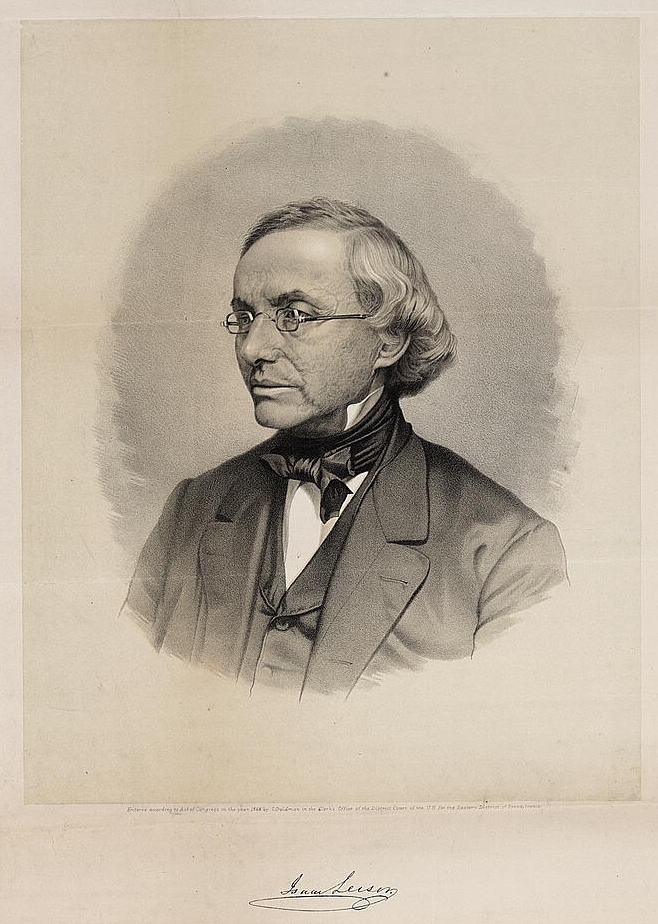
The Leeser Bible, published in Philadelphia by Rabbi Isaac Leeser in 1845, was the first American English translation of the Bible, and served as the standard for English-speaking Jews during the 19th century, Lindell said. That book included Leeser’s translation along with a very short commentary that largely paraphrased Rashi, the supercommentary penned by Rabbi Shlomo Yitzchaki in the 11th century. It was primarily intended to address a lack of books available to the Jewish community at the time.
“That was a major contribution allowing American Jews to read and appreciate the Bible for the first time,” Eleff noted.
A one-volume edition of the Chumash published in 1936 by then-British chief rabbi Joseph Hertz was seen as a revolutionary step forward, said Lindell. That volume juxtaposed the 1917 Jewish Publications Society translation of the Bible with a wide-ranging commentary that highlighted traditional and modern scholarship defending the divine origin of the text and arguing against attacks from the burgeoning field of biblical criticism.
“The Hertz Chumash used a lot of archaic language, like ‘thee’s and ‘thou’s, but it was commonly used in synagogues across all denominations for more than 50 years,” Lindell said.
The Conservative movement used Hertz almost exclusively until 2003, Lindell said, while Orthodox synagogues embraced it until the next big thing came along in 1993.
The Stone Edition of the Chumash, published that year by Artscroll and Mesorah Publications, set a new standard that continues to dominate the English-language market for Chumashim and other Jewish texts to this day.
The Artscroll Stone Chumash introduced a contemporary-feeling translation and commentary, crystal-clear laser printing, organizational aids, some charts and pictures, and an attractive binding that made it an instant classic from the moment it first appeared.
Other highly-touted Chumash translations — such as Rabbi Aryeh Kaplan’s The Living Torah, or The Steinsaltz Humash by the author of a widely used translation of the Talmud, Rabbi Adin Even-Israel Steinsaltz — never quite caught on, Lindell noted.
But the Sacks Chumash offers a new approach and presents a formidable new challenge to Artscroll’s dominance, especially in the Modern Orthodox communities where Sacks’s thought is already popular, Lindell said.

Lindell and others have long criticized the approach Artscroll has taken with its commentary, which offers a sentence-by-sentence digest of classic rabbinical thought. Comments are curated exclusively from a small selection of rabbinical texts by elite scholars considered royalty in the courts of Orthodox learning, such as Rashi, Ramban, Or HaChaim, and Avraham Ibn Ezra. Artscroll editor Rabbi Nosson Scherman has made it clear that he sees no need to incorporate influences from outside this pantheon, an approach some see as too insular.

By 2017, Lindell had already published an essay entitled “A call for a new Modern Orthodox Humash,” saying a different approach was needed to reach a broader audience.
“A new method of literary analysis, that pays close attention to themes, motifs, repeated words, characters, and narrative structure, has come forth from Zion,” Lindell wrote at the time. The lessons of the Bible “ought to provide religious inspiration within a moral framework,” and “celebrate the diversity of our tradition and the many ways in which the Torah has been and should be studied.”
The Sacks Chumash accomplishes much of that order, Lindell said.
“Sacks is not fighting yesterday’s battles with his words; he is trying to provide meaning,” Lindell said. “His writings explore large, universal themes that tie across the stories and provide ethical insights that apply to people’s everyday lives.”
Flipping the scriptures
Koren’s publisher and owner, Matthew Miller, is confident that the Sacks Chumash is set to shake up the synagogue Bible market.
“This Chumash has transformed how I read parasha in synagogue,” Miller said, using the Hebrew word for the weekly Torah portion. “It’s very engrossing.”
Miller, a Brooklyn, New York, native who lived in England before immigrating to Israel, acquired Koren in 2007 with the intention of publishing Rabbi Sacks’s works.

“At that time, the company was just three people, but it had a wonderful reputation for design, scholarship and Zionism,” Miller said. “I knew that Rabbi Sacks was looking for a Jewish publisher, and I thought we could work with him. And that’s exactly what happened.”
In 2009, Koren introduced the Koren Sacks Siddur, a prayerbook with Sacks’s translation and commentary. It was greeted with widespread acclaim.
“It filled a gap that I didn’t even realize existed, not just in the US, but all over the Anglo world, for modern, unafraid, fervent Orthodoxy that’s imbued with Zionism and worldly knowledge,” Miller said.
In many Modern Orthodox synagogues, the new siddur, or prayerbook, replaced that of Artscroll, which too had become a global standard since it was published in 1986. Koren’s siddur has since been translated into multiple languages and adapted in different sizes and formats.
After that, Koren and Sacks published versions of the Rosh Hashanah and Yom Kippur Machzor prayerbooks for Jewish festival prayers, and then set their eyes on the Bible. It was a logical progression for Sacks to first translate the Hebrew Bible before starting his Chumash commentary, Miller said.
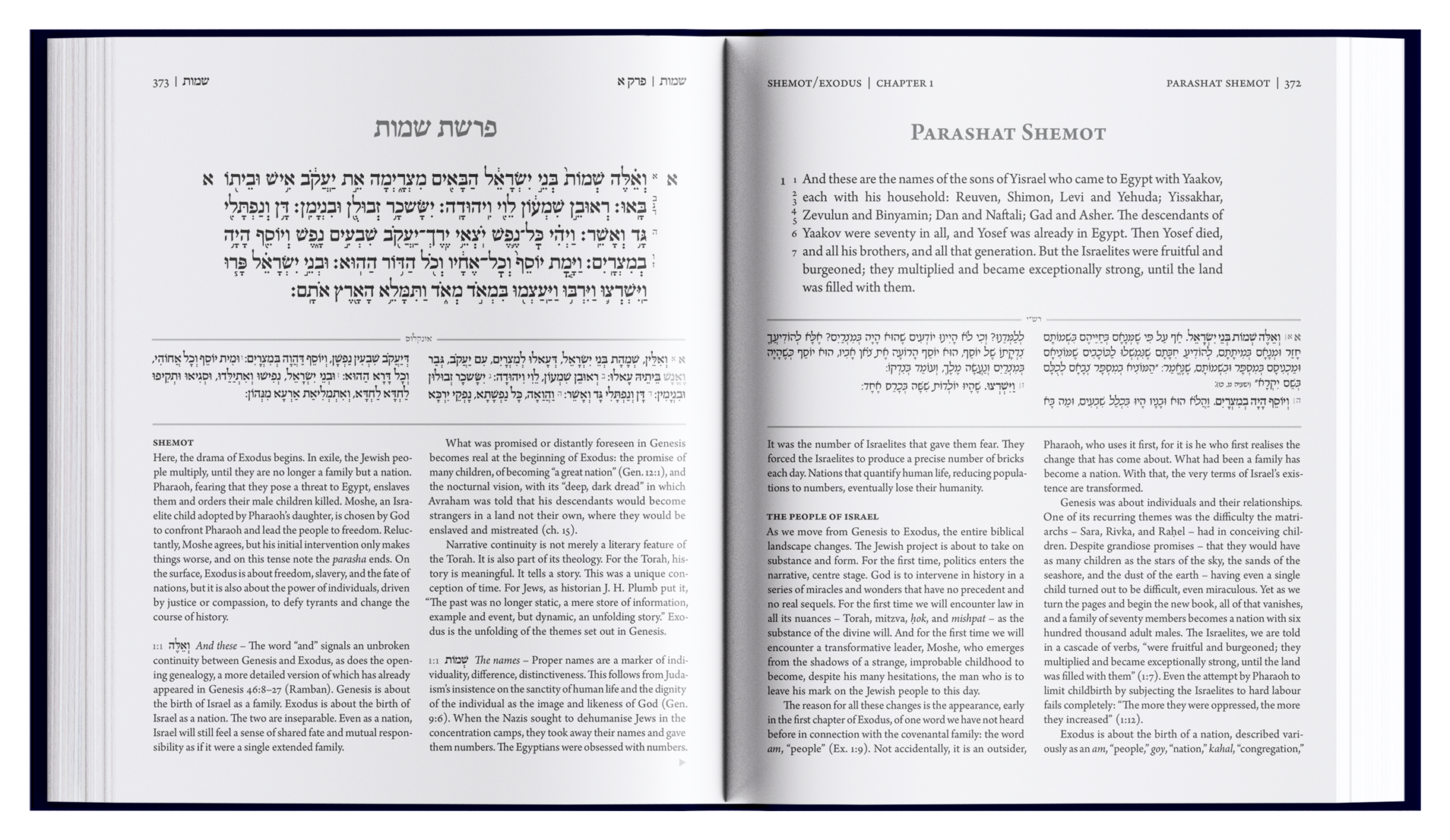
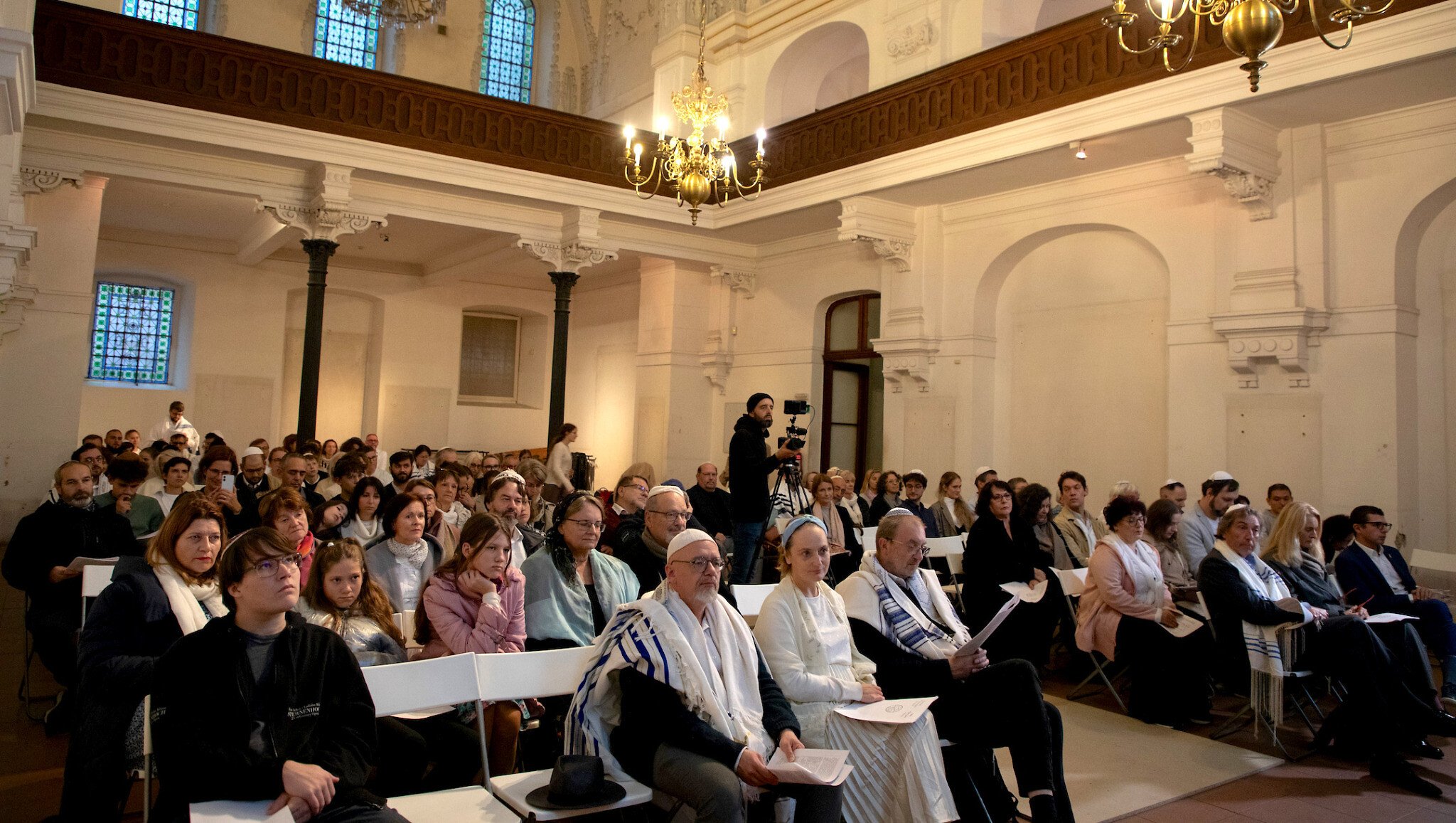
The new Chumash includes stylish, clear typefaces for the Hebrew and English texts, and makes some minor innovations in its presentation of the classic Rashi commentary and Onkelos translation into Aramaic that appear on the page.
Visually, the Chumash‘s most noticeable break from convention is Koren’s decision to print the Hebrew text on the left side of the page, and the English translation on the right side. That means the reader sees the Hebrew text first when turning the page. Artscroll and virtually every other publisher do it the opposite way, so that the lines converge in the middle of the page.
“English flows left to right, so if you are reading in English, your eye flows that way,” Miller said. “The first bilingual books in Latin were published like that, and its why the most expensive advertisements in magazines are on the left side.”
A variety of different versions are in planning, including a smaller one that removes Rashi and Onkelos and keeps only the Hebrew text and Sacks’s writings, Miller noted.
For Jessica Sacks, the publication of her uncle’s Torah commentary five years after his death, as Israel fights landmark wars in the aftermath of the Hamas massacre of October 7, 2023, represents closure.
“I feel a deep comfort and joy that we were able to bring this out now,” she said. “Many of us wish for his guidance and wisdom at this time.”










The Times of Israel Community.