

Precarious calm appears to hold on Gaza border after reported truce
Last rocket fired at 11 p.m. as two-day flare-up possibly draws to a close, though army chief warns of continued fighting and Israel keeps schools shuttered
 Add ToI as a Preferred Source on Google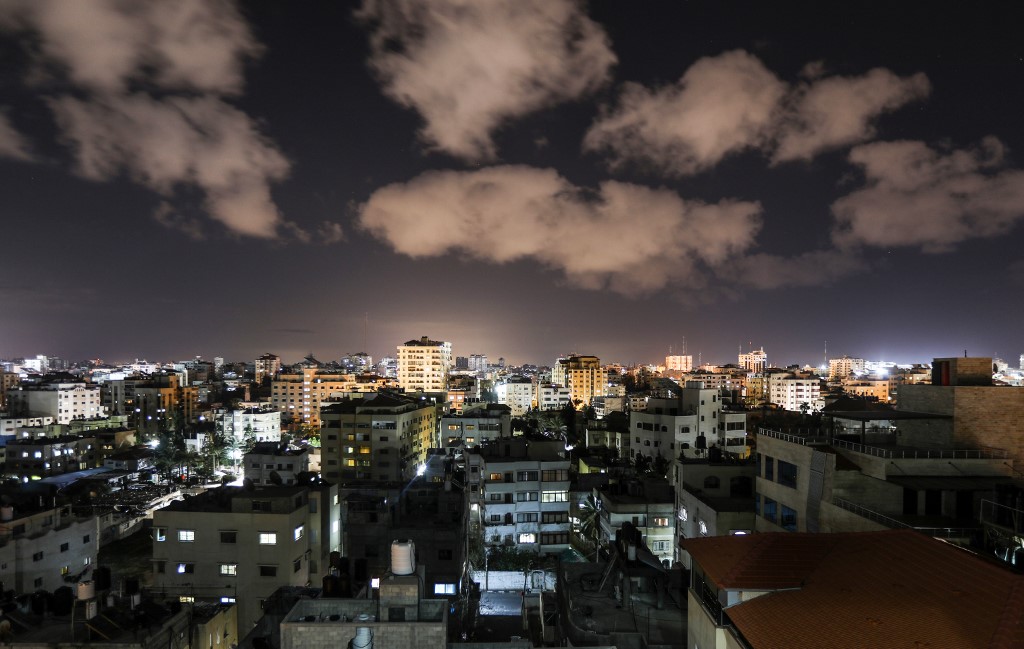
A shaky ceasefire between Israel and Gaza based terrorists appeared to hold after midnight Tuesday, seemingly marking the end to the latest round of violence that has threatened to send the tinderbox region hurtling toward war.
However, Israeli authorities warned that the fighting could erupt again and said the military was remaining at the ready to respond to any attacks.
Palestinian sources linked to the Islamic Jihad terror group told Arabic-language media that a ceasefire went into effect at 11:30 p.m, over an hour after an earlier attempt at calm appeared to unravel.
At least one rocket was fired at Israel just after 11 p.m. An impact site was identified in the Sha’ar Hanegev region, a spokesperson for the regional council said.
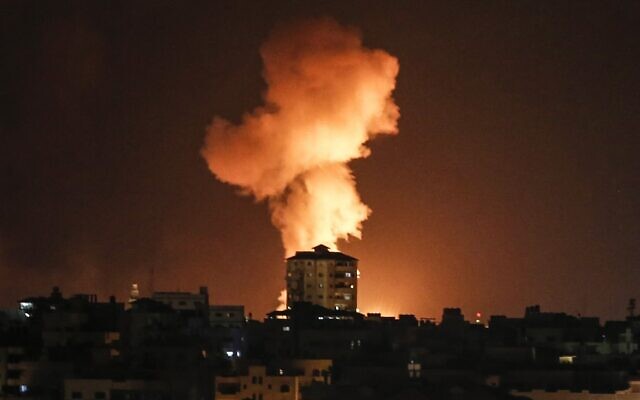
The ceasefire, if it remains in place, would appear to pull Israel and Gaza back from the brink of all-out conflict after two days that saw some 90 rockets were fired at Israel from the Gaza Strip, most of them by Palestinian Islamic Jihad, and dozens of retaliatory sorties on Gaza, as well as rare Israeli strikes against the group in Damascus.
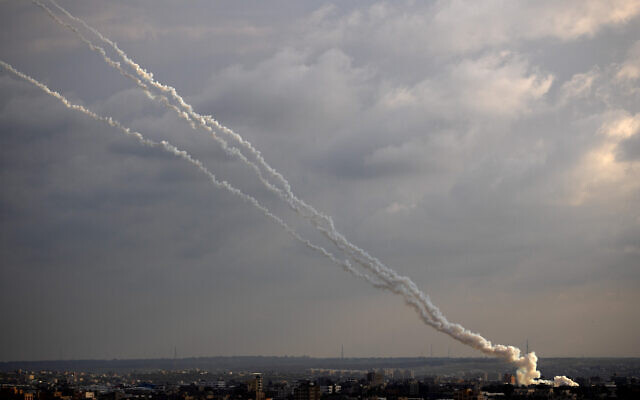
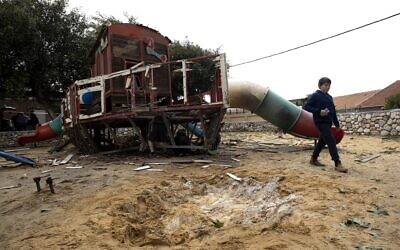
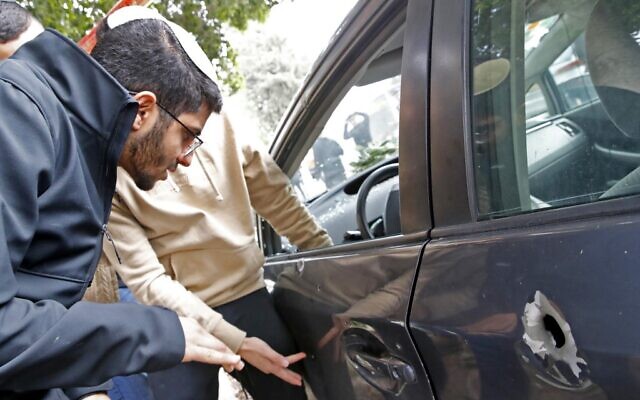
Some 90 percent of the rockets heading toward populated areas were intercepted by the Iron Dome anti-missile system, according to the Israel Defense Forces, though one managed to slam into a playground in Sderot, and damage elsewhere was caused by shrapnel. There were no serious injuries on the Israeli side.
Islamic Jihad earlier announced a unilateral cease-fire Monday evening, saying it had completed its “retaliation” for the deaths of three of its members, but threatening to respond to any Israeli “aggression.” Within hours, it accused Israel of continuing to attack and resumed rocket fire, setting off air-raid sirens in southern Israel.
“The enemy did not commit itself into stopping its aggression we we resumed based on the fire-for-fire principle,”said Abu Hamza, spokesman of the group’s armed wing.
Residents in Gaza reported Israeli airstrikes late Monday. .
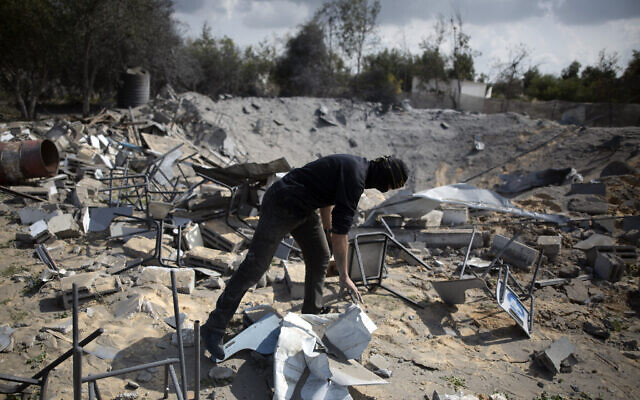
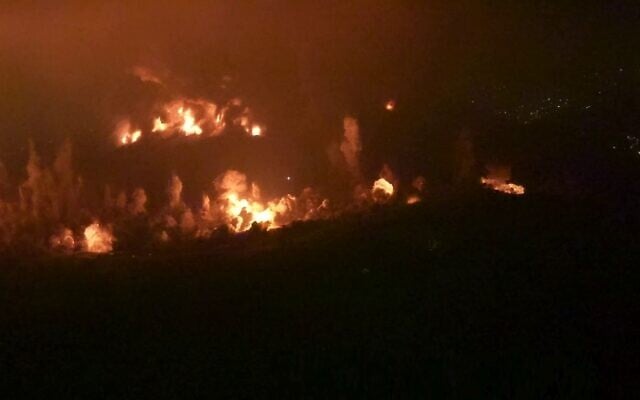
In response to the attacks, the Israeli military launched multiple rounds of retaliatory air raids against Islamic Jihad bases in the Gaza Strip, as well as one airstrike on a squad it said was preparing to launch rockets, injuring four.
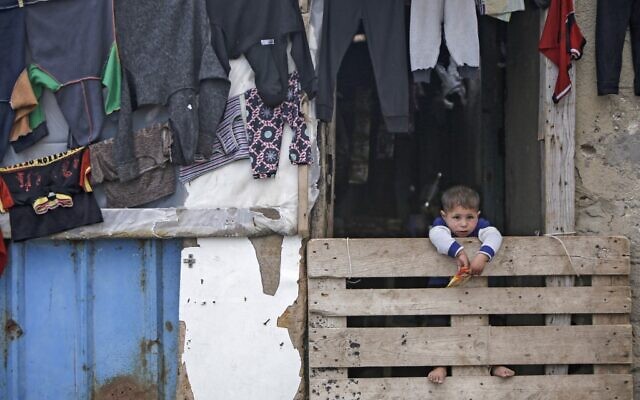
Israel also announced it was closing its border crossings with Gaza, halting cargo deliveries to the blockaded territory and preventing travelers and workers from exiting. It also said it would not allow Gaza’s fishermen to go out to sea.
In a sign of fears that the fighting could continue, the military ordered schools to remain canceled Tuesday in Gaza periphery communities, including the city of Ashkelon, representing some 55,000 students.
“It’s unclear if the incident is at its peak or its end, if it will escalate or die down,” IDF Chief of Staff Aviv Kohavi warned Monday evening at an event for military reservists in the central city of Holon.
Kohavi said the situation was fragile and could unintentionally escalate to a full-blown conflict and an IDF operation.

An Israeli security official earlier confirmed that Israel received “messages from various ranks within the Palestinian Islamic Jihad organization regarding a desire for an immediate ceasefire.”
The official, who spokes anonymously, said Israel was “skeptical” of the requests by the Islamic Jihad. “The IDF will continue to act until quiet is restored to the south,” the official said.
A source in Islamic Jihad also expressed skepticism as to whether the ceasefire would hold, telling Palestine Today, which is linked to the terror group: “The talk about setting specific times for a ceasefire is incorrect. It is dependent on the occupation halting its aggression.”
Throughout the day Monday, Israeli leaders threatened harsh action against Gaza if the fighting continued, saying looming elections slated for March 2 would not dictate its defense policy.

“I’m talking about a war,” Prime Minister Benjamin Netanyahu told Israel’s Army Radio station. “I only go to war as a last option, but we have prepared something you can’t even imagine.”
Netanyahu also appeared to threaten to kill the heads of Gaza’s terror groups if rocket fire from the Strip continued.
“We will continue to strike until the calm returns. If there isn’t quiet, you’ll be next,” Netanyahu said, during a visit to the city of Ashdod.
The fighting was touched off on Sunday morning when Israel killed a member of Islamic Jihad who was planting a bomb along the border and then sent a tractor into the Strip to retrieve the corpse, in an operation caught on film that angered many in Gaza.

The retrieval of the corpse was apparently part of Defense Minister Naftali Bennett’s announced plan to “hoard” the corpses of Palestinian terrorists in order to use them as “bargaining chips” in negotiations for the release of two Israeli men, and the remains of two fallen Israeli soldiers, who are being held by Hamas in the Gaza Strip.
The border clashes came amid reports of ongoing efforts by Israel to seal a ceasefire agreement with Gaza terror groups, following weeks of intermittent rocket fire and the regular launching of balloon-borne explosive devices into Israel.
The agreement reportedly includes significant measures by Israel to ease its blockade of the Strip, which Jerusalem says is in place to keep terror groups in the Gaza from arming or building up defense infrastructure.
As with an earlier flare-up in November following the assassination of a high-level Islamic Jihad commander, Hamas appeared to remain on the sidelines during the round of fighting, a likely sign of its desire to reach a long-term truce with Israel that would include measures to end the blockade.
Israeli strikes only targeted Islamic Jihad, though Israel says it holds Hamas, Gaza’s de facto ruler, responsible for all violence emanating from the Strip.
Israel and Hamas have fought three wars and numerous skirmishes since the group seized control of Gaza from the internationally recognized Palestinian Authority in 2007.
Still, Netanyahu appeared to be reluctant to pick a fight with Hamas so close to the March 2 election. Hamas is much more powerful than Islamic Jihad, and it has shown itself capable of barraging Israel with rocket fire for weeks at a time.
Hamas also has little interest in renewed fighting at a time when it is trying to improve living conditions for the territory it controls.
Netanyahu’s opponents have criticized him for his understandings with the group, accusing him of caving in to violence to keep things quiet.

“Netanyahu, the country is under fire. Get on helping it,” said Netanyahu’s chief rival, former military commander Benny Gantz, leader of the Blue and White Party. “The people of the south deserve better.”
The election will be Israel’s third in under a year, after two inconclusive votes last year.
Netanyahu, locked in a tight race with Gantz, has tried to focus the campaign away from his upcoming trial on corruption charges by presenting himself as an experienced statesman who is best-suited to protecting Israel’s security.
Tamar Hermann, an expert on Israeli public opinion at the Israel Democracy Institute think tank, said that after so many previous rounds of fighting, she did not expect the latest violence to have an impact on voters.
“It’s expected and people are used to it, and resilience is not being eroded because of such ‘normal events,’” she said.
Judah Ari Gross and Adam Rasgon contributed to this report.







The Times of Israel Community.