

Troop pullout the latest zigzag on Syria for Trump
Before being elected to White House, US president spoke against airstrikes, once in office he ordered them himself; troop pullout seems to contradict his own advisers
 Add ToI as a Preferred Source on Google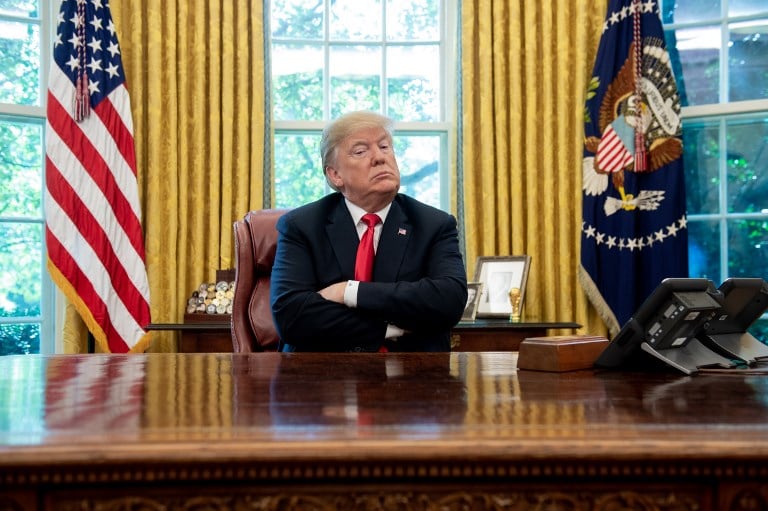
WASHINGTON, United States — US President Donald Trump’s decision announced Wednesday to withdraw US troops from Syria marks his latest abrupt twist on the war, over which he has been inconsistent even by his standards.
Trump, taking to his favorite medium of Twitter, declared the defeat of the Islamic State extremist movement, which he said was the sole reason for the presence of 2,000 troops in Syria.
His stance paradoxically puts him in line with his predecessor Barack Obama, whom Trump has strongly criticized. Obama, questioning the wisdom of US intervention, ordered a force for the narrow goal of fighting the group also known as ISIS.
Here are some of the positions taken by Trump on Syria:
Strongly opposes air strikes
Before his election, the real estate tycoon was firmly in the anti-war camp and opposed any US military action against President Bashar al-Assad.
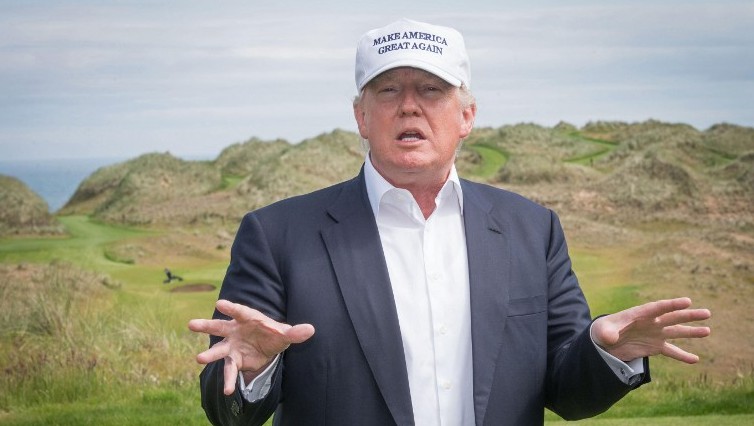
In late 2013, when Obama was pondering whether to enforce his own “red line” by launching strikes to punish Assad’s use of chemical weapons, Trump warned to “stay out of Syria.”
“AGAIN, TO OUR VERY FOOLISH LEADER, DO NOT ATTACK SYRIA – IF YOU DO MANY VERY BAD THINGS WILL HAPPEN & FROM THAT FIGHT THE U.S. GETS NOTHING!” he declared in an all upper-case salvo on Twitter.
Assails refugees
As his once improbable candidacy gathered steam, Trump found a major political issue on Syria — assailing refugees and demanding a sweeping ban on Muslims entering the United States.
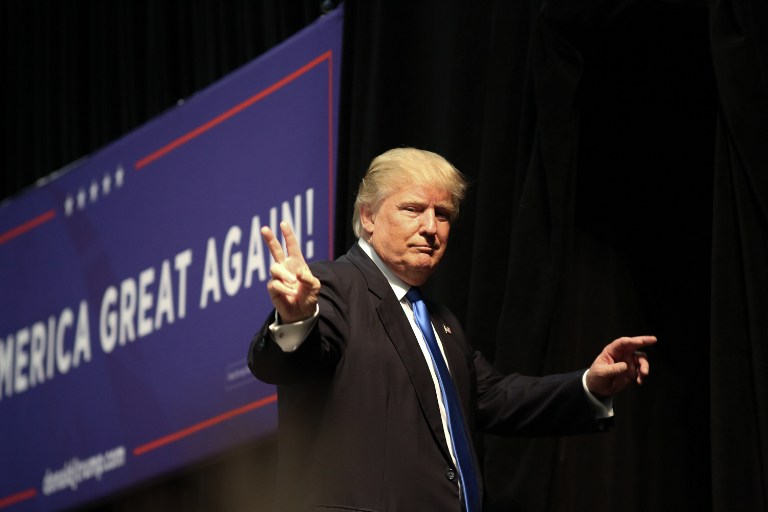
Again on Twitter, Trump alleged that Syrian refugees “pouring into our great country” could belong to the IS group and warned of the “destruction of civilization as we know it.”
He at the same time took a stance on Syria that was not too different from Obama, saying that the Islamic State group rather than Assad posed the bigger threat.
Orders air strikes
When a sarin gas attack in April 2017 in the town of Khan Sheikhun killed 83 people, Trump shed his pre-presidential opposition to punishing Assad.
Casting himself as showing more resolve than Obama, Trump ordered 59 cruise missiles to strike a Syrian air base.
The attack was a one-off but the tone also hardened. Then secretary of state Rex Tillerson suggested that the US forces provided leverage to pressure Assad into peace talks with the armed opposition.
Withdrawing ‘soon’
Trump shifted course sharply again in March this year when, in an aside during a speech that took US generals by surprise, he declared, “We’ll be coming out of Syria, like, very soon. Let the other people take care of it now.”
Returning to his pre-election stance, Trump said the United States had wasted $7 trillion on US wars in the Middle East.
But within weeks Trump was incensed and talked of punishing Assad and its ally Russia after a fresh alleged chemical weapons attack in the town of Douma.
Focus on Iran
Trump’s team at the same time stepped up another goal in the region — curbing the influence of Iran, a major foe of US allies Saudi Arabia and Israel.
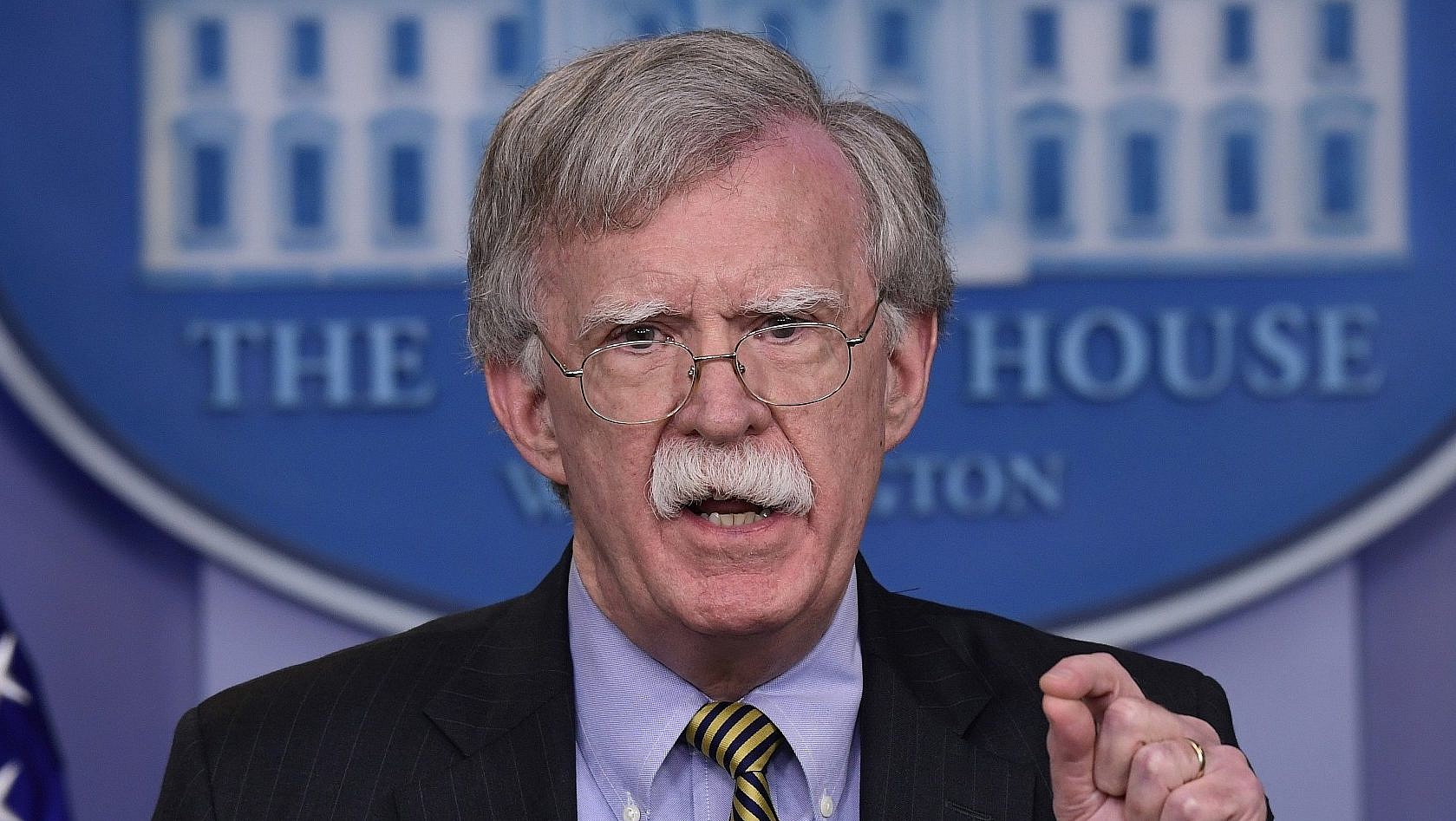
National security adviser John Bolton warned in September that the United States would stay in Syria until the departure of Iran — a key backer of Assad.
James Jeffrey, the US special representative on Syria, later clarified that the continued US role would not necessarily be military.
Islamic State ‘defeated’
With Syria largely at an uneasy truce by the end of 2018, the United States said it was looking at a longer-term effort.
Brett McGurk, the US special envoy on defeating IS, told reporters on December 11 that “nobody is declaring a mission accomplished” and “you can’t just defeat their physical space and then leave.”
But a US official told AFP on Wednesday that the United States was planning a full withdrawal, after Trump tweeted: “We have defeated ISIS in Syria, my only reason for being there during the Trump Presidency.”



The Times of Israel Community.