

Retail chains found to be charging over double what they pay for imported grapes
Agriculture Ministry mulling price controls after audit reveals grapes imported for NIS 14 per kilogram (less than $5) being sold for NIS 32 (more than $10)
 Add ToI as a Preferred Source on Google
Sue Surkes is The Times of Israel's environment reporter
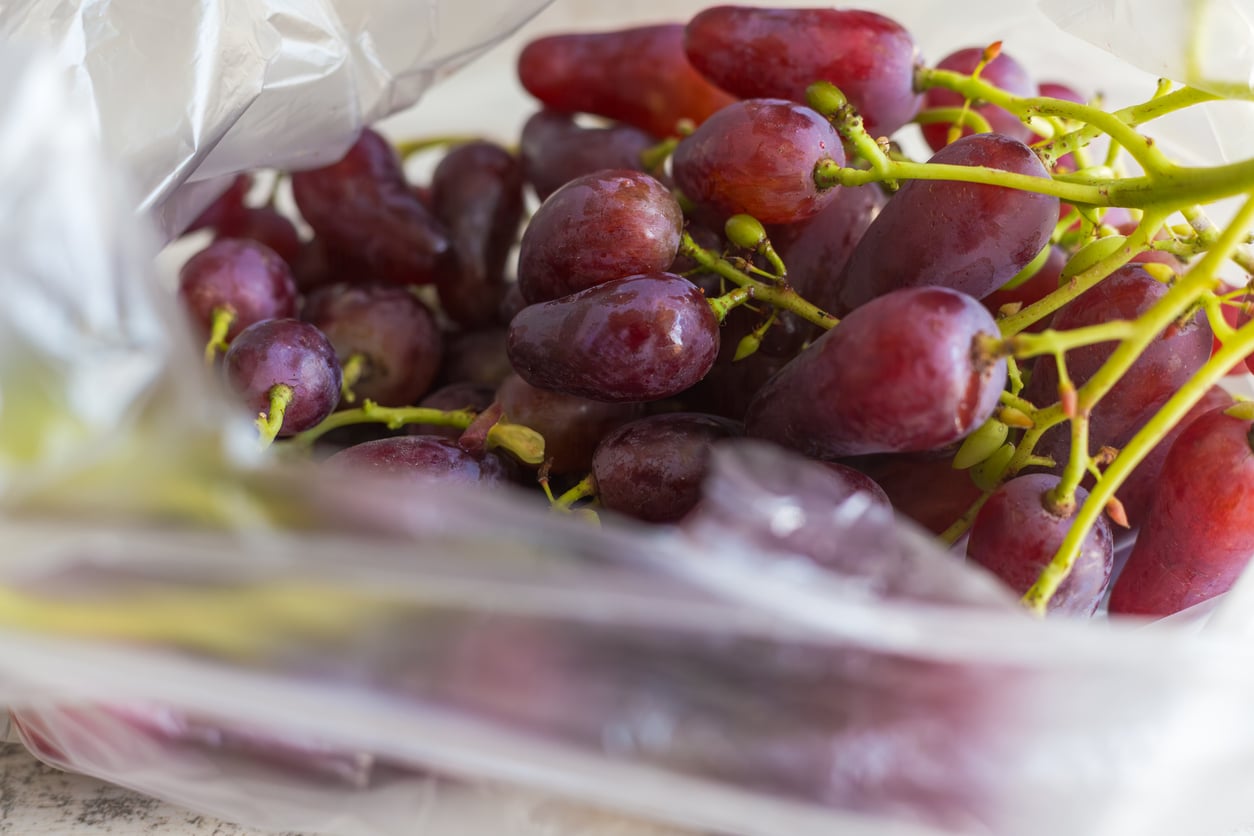
The Agriculture Ministry is considering how best to clamp down on the massive profits retailers are making by charging consumers 130%-150% above the price they pay for imported grapes.
An annual review conducted by the ministry found that 2024 retail prices for imported grapes — only made available in late 2025 — were around 153% higher than the import price.
An additional audit conducted in December 2025 and January 2026 found that while the price of a kilogram of imported grapes (including customs duties) was approximately NIS 14 ($4.7), the average consumer price was more than double, at around NIS 32 ($10.7).
The ministry’s director general, Oren Lavi, said the gap reflected a “severe market failure.”
A ministry spokesman said officials were examining ways to curb the huge price differences, for example, by requiring retail chains to disclose their profits and even by returning to a system of price controls.
Moves such as these would require Finance Ministry agreement.
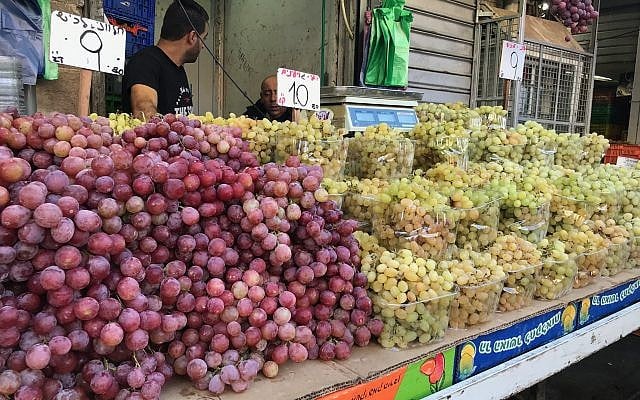
Lavi has also ordered a review of the amounts and timing of import taxes on grapes, which currently stand at NIS 0.95 (32 cents) during the winter months, when local grapes are not available, rising to NIS 1.68 (56 cents) per kilogram in April and May.
Since the beginning of this year, some 15,600 tons of grapes have been imported from South Africa and about 1,290 tons from Peru. Countries like these enter their fall and winter and stop producing as Israel enters spring.
In previous years, local grapes would start hitting supermarket shelves in April. Customs duties, therefore, increased in April and May to prevent imports from flooding the local market.
However, farmers growing new grape varieties that can be harvested earlier than April in hot regions such as the Arava desert in southern Israel have complained that the imports are harming their sales.
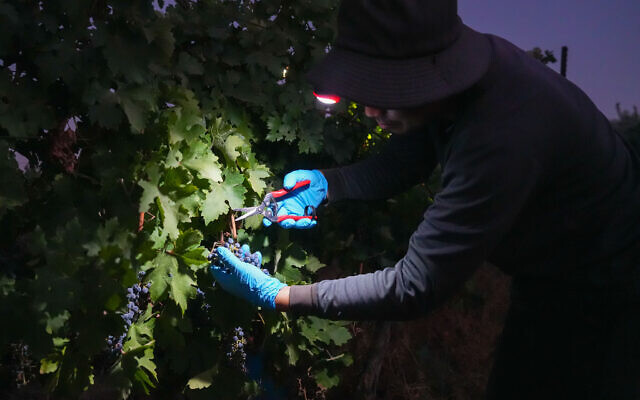
The ministry will therefore review whether the higher duties should be imposed earlier in the year, and whether the amount should be changed.
In a statement, Lavi said: “I will not allow a situation where the Israeli farmer is harmed by market flooding during critical overlapping periods between imports and the start of the local season, while the consumer fails to benefit from lower prices. The ministry is working to update the Customs Tariff Decree to align with shifting harvest dates and the needs of the local market, based on the belief that protecting Israeli growers and reducing mediation gaps are fundamental pillars in ensuring food security and the national resilience of the State of Israel.”










The Times of Israel Community.