

Shah’s widow warns Khamenei’s death alone won’t topple Islamic Republic
Speaking from Paris, Farah Pahlavi urges international community to back Iranian sovereignty, says her son Reza is preparing for a possible political transition
 Add ToI as a Preferred Source on Google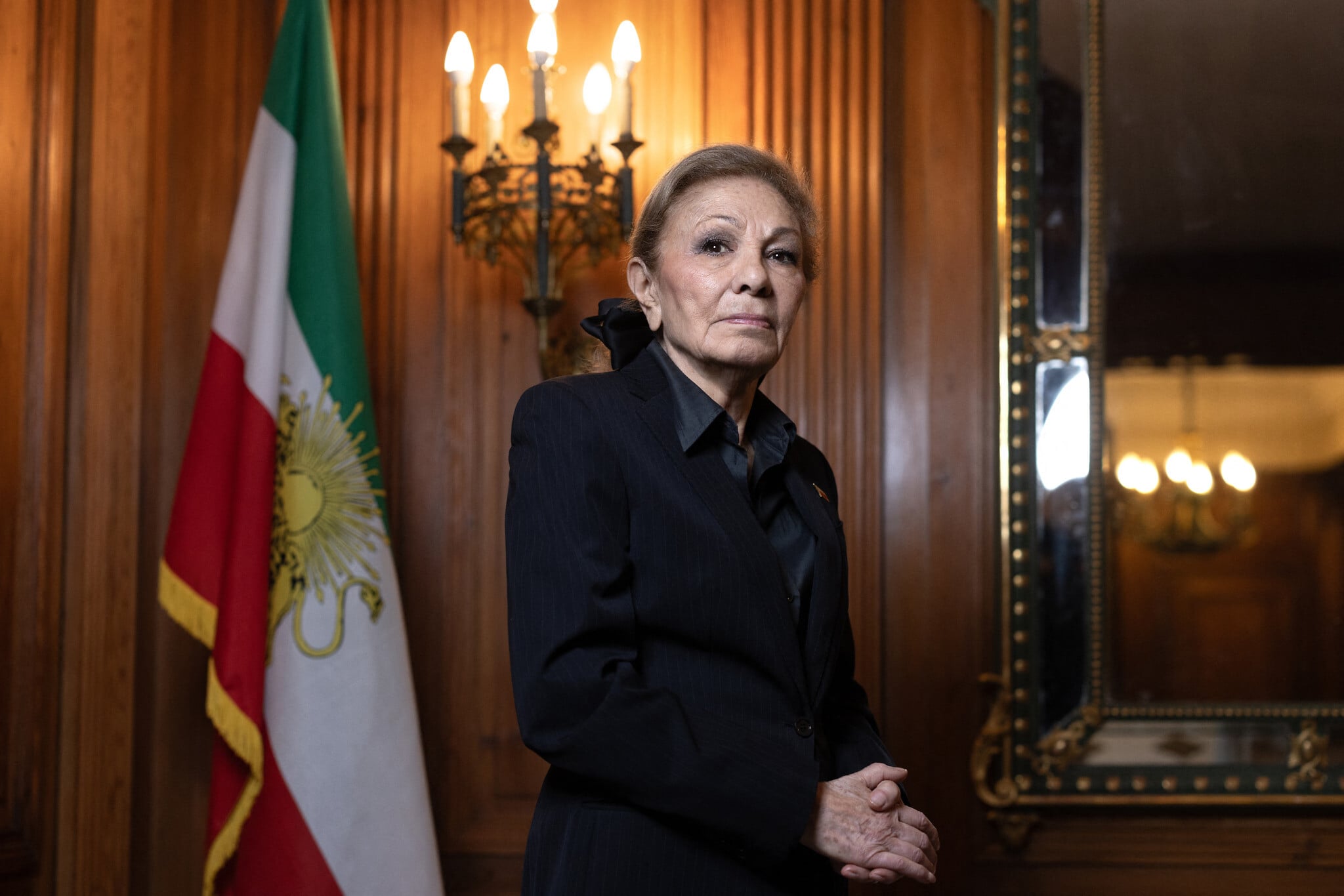
Iran’s supreme leader Ali Khamenei’s death is “historically significant” but will not “automatically” lead to the fall of the Iranian system, the widow of the country’s last shah told AFP in an interview Tuesday.
“The passing of a man — however central he may be to the architecture of power — does not automatically mean the end of a system,” said Farah Pahlavi, three days after US-Israeli strikes on Iran killed Khamenei.
The attacks on Iran have thrown the Middle East into turmoil and raised enormous questions about the fate of the Islamic Republic following the death of the supreme leader and other senior figures.
Pahlavi, 87, urged the international community to respect Iranian sovereignty and assist the people in following their own “destiny.”
“What will be decisive,” she said, was “the ability of the Iranian people to unite around a peaceful, orderly and sovereign transition to a state governed by the rule of law.”
She added that her son Reza Pahlavi, who has positioned himself as an alternative if the republic falls, “is in the process of preparing” such a transition.
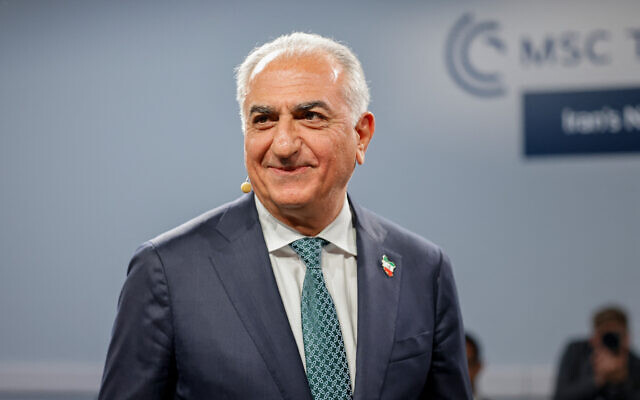
US-based Reza Pahlavi entered the global spotlight during nationwide protests that peaked in January, where many demonstrators chanted slogans favorable to the former shah’s son.
In an X post on Tuesday, the 65-year-old called for national unity from Iranian ethnic minorities — said to be discriminated against under the current system — and appeared to urge them not to use the current conflict to press for separation.
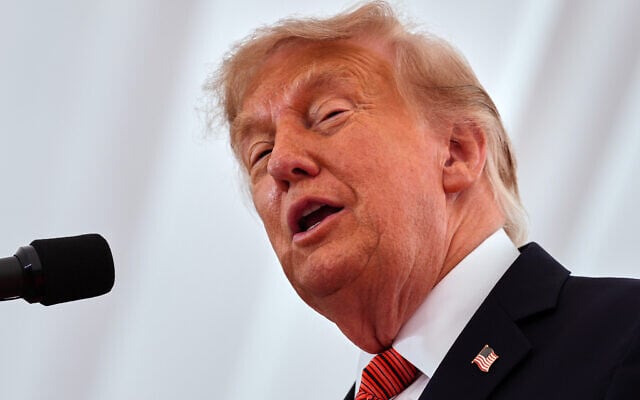
US President Donald Trump, however, dismissed the exiled crown prince on Tuesday as a potential successor to Khamenei, arguing that “someone from within” Iran might be a better fit.
Trump said Pahlavi is not someone that his administration has considered in depth to take over leadership in Iran.
“It would seem to me that somebody from within, maybe, would be more appropriate,” Trump said, adding that it may make sense for “somebody that’s there, that’s currently popular, if there is such a person” to emerge from the power vacuum.
Trump’s comments came as he hosted German Chancellor Friedrich Merz for his first in-person engagement with a foreign leader since the US and Israel launched the war against Iran.
⚡️BREAKING
Trump rejects Reza Pahlavi:
'He is a nice guy but I am looking for someone from within Iran who is popular' pic.twitter.com/JuqANyuUG2
— Iran Observer (@IranObserver0) March 3, 2026
No ‘geopolitical calculations’
Pahlavi, who has lived in exile in Paris since being driven out of Iran with her husband in the 1979 revolution, urged the international community to respect the Iranian people’s right to choose their own path forward.
“What I want is for the international community to clearly support the fundamental rights of Iranians: the right to choose their leaders, to express themselves freely, to live in dignity and prosperity,” she said.
“The support must go to the people, not to geopolitical calculations.”
Pahlavi also called on Iranian authorities “to show restraint and avoid any bloodshed.”
Unrest in Tehran in January prompted a violent crackdown, with the US-based Human Rights Activists News Agency (HRANA) recording more than 7,000 deaths, mostly protesters, while warning the full toll was probably higher.
In addition, more than 53,000 people have been arrested since January.
Pahlavi told AFP in January that there was “no turning back” after the latest wave of protests, adding their “victory will not only be that of my country, it will also be that of peace, security and stability in the world.”
The former empress was driven into exile with her husband, late pro-Western shah Mohammad Reza Pahlavi, in January 1979 during a popular revolution that ousted the monarchy and brought the Islamic Republic to power.








The Times of Israel Community.