

The day it rained on the white nationalists’ parade
One year after neo-Nazis and Klansmen descended on Charlottesville for a ‘Unite the Right’ rally, they were barely able to stir up a quorum in the nation’s capital
 Add ToI as a Preferred Source on Google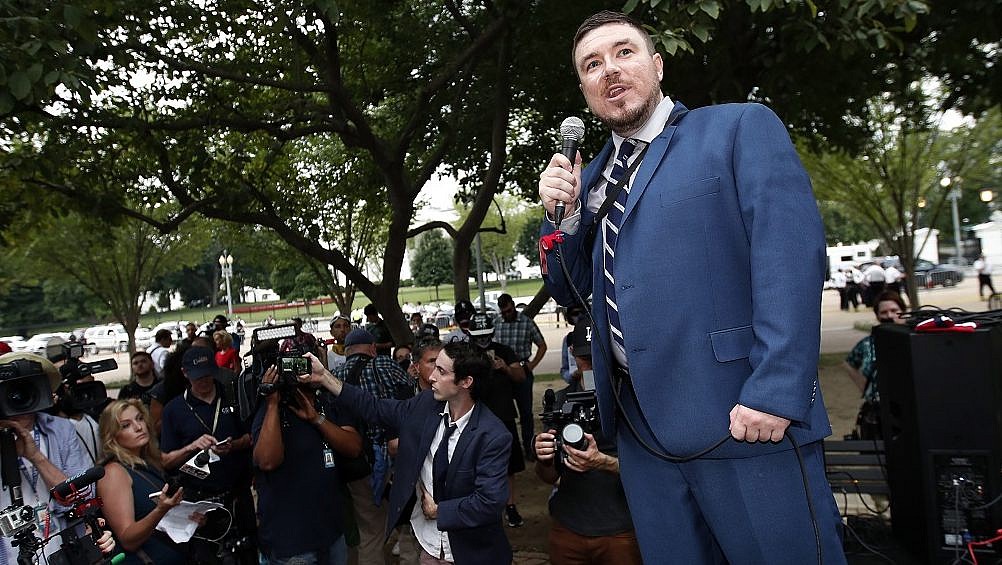
WASHINGTON — An overcast sky hung pensively over Washington, DC, Sunday, as threatening gray clouds rolled into a city already anxious over the coming influx of neo-Nazis and other racists to rally for what they were calling “white civil rights.”
A year after Charlottesville saw two days of white nationalist marches — met with large counter-protests — city leaders didn’t want to risk a repeat of the deadly chaos that marked that event.
Areas where the rally was supposed to take place, at a park just north of the White House, were transformed into a warren of barricades to keep the sides apart. Streets in the area were blocked, and, as I learned when I tried to take the Metro to the rally, the district had shut down the subway lines leading to that part of town.
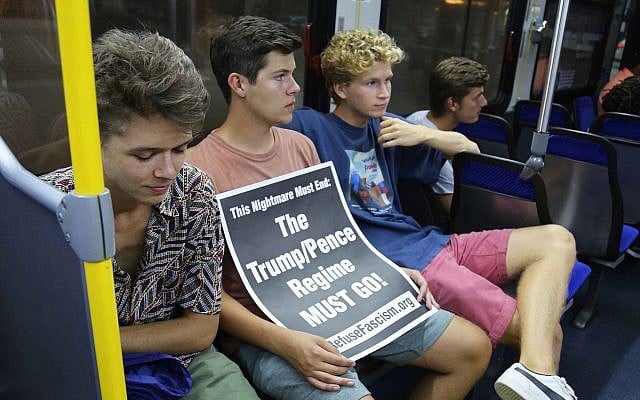
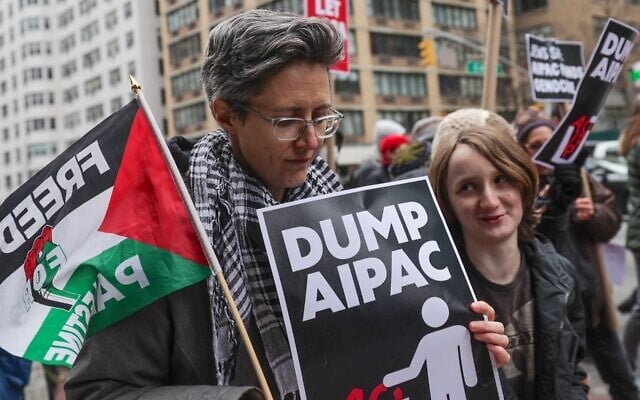
Boarding a shuttle bus that was provided as an alternative, I spotted college students holding a sign that said, “The Trump/Pence regime MUST GO!” They said they were part of the large counter-protest, which organizers hoped would dwarf the so-called Unite the Right II rally.
The students said they had actually already been to the counter-rally earlier, and were now returning for a second time. Asked how it was, one of them shrugged.
“There were, like, only 20 Nazis there,” he said.
Indeed, anyone expecting anything on the scale of what went down in Charlottesville a year ago would be underwhelmed.
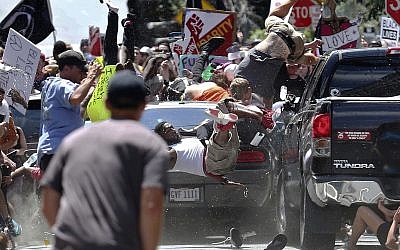
Images of that rally — of men marching a bucolic college town’s streets chanting “Jews will not replace us!”, and a Nazi sympathizer ramming his car into a crowd of people, killing Heather Heyer — have become part of the nation’s collective memory.
Yet more than what happened on the Charlottesville streets that day, the world remembers what happened right after.
US President Donald Trump blamed “both sides” for the violence and said “very fine people” marched alongside the neo-Nazis and Klansmen.
This year, those same bigoted groups planned to convene just steps away from the White House — marking the anniversary of the Charlottesville tragedy — which seemed to ignite more of a flame in those who oppose them than their fellow white nationalists.
“I genuinely think we’re past civility and that there’s no room for civil discourse with people like this,” said Liam, a 19-year-old student at James Madison University, who came to protest the rally-goers. “We just need to get to a point where we accept that and move forward.”
He came with his friend, Blue Miller, also 19, and a student at Emerson College, four hours before the demonstration was supposed to begin.
“There was probably no more than two dozen Unite the Right rally members. They came in police escorted shuttles,” he said. “But there were so many people — thousands — protesting against them, it was hard to even see them.”
This is the “Unite the Right”’rally crowd. All of them. pic.twitter.com/flgi9jqZQ2
— Garrett Haake (@GarrettHaake) August 12, 2018
Miller and Liam, who did not want to give his last name, were part of the masses who showed up early to express their opposition.
The main event was set to begin at 5:30 p.m. outside the Foggy Bottom Metro station. The plan was to march from there to Lafayette Square and demonstrate until at least 7:30.
When I arrived at 5:00 p.m., it seemed those plans were already scrapped. It had started to rain and the crowd was sparse. Some people had their umbrellas out — and looked like they were merely waiting for a Nazi to scream at.
There were plenty of cops guarding the premises, but no Nazis. Everyone just stood there, waiting for something to happen.
Thirty minutes later, something did happen.
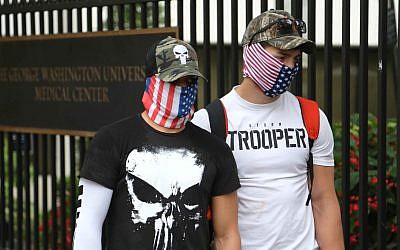
A bunch of people, all of a sudden, started screaming at a few young men whose faces were covered in American flags. They were all wearing camo-style hats, and one had a t-shirt that said “Storm Trooper.”
“Where are your friends!? Where are your friends!?” someone shouted at them. “Nazi scum, get out of my city!”
Asked if they were with the “Unite the Right II” rally, they insisted to me that they were not, but didn’t want their faces seen. The “Storm Trooper” shirt, one of them said, was in reference to “Star Wars,” and not German shock troops.
By the time our brief conversation ended, at least 50 people encircled them and began chanting in disgust.
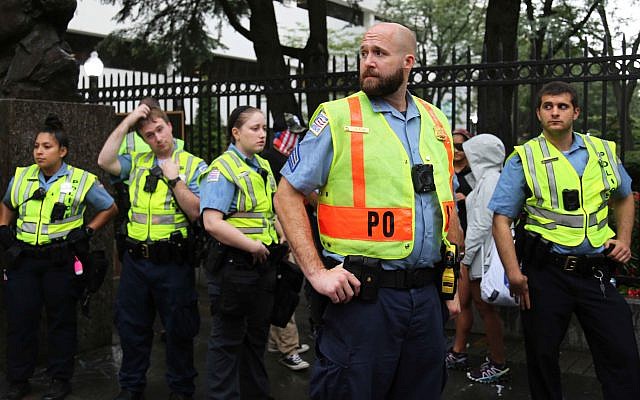
Cops came to guard them. They let the heckling go on for about 10 minutes, before escorting them all away.
“Don’t come back!” someone yelled. “Don’t fuck each other too hard!” screamed another.
After that encounter with those shady Star Wars fans, I asked one of the many cops there about the rally. He told me it was already over. Hardly any of them had came — and more were not planning to show, he said. And, of course, it was raining.
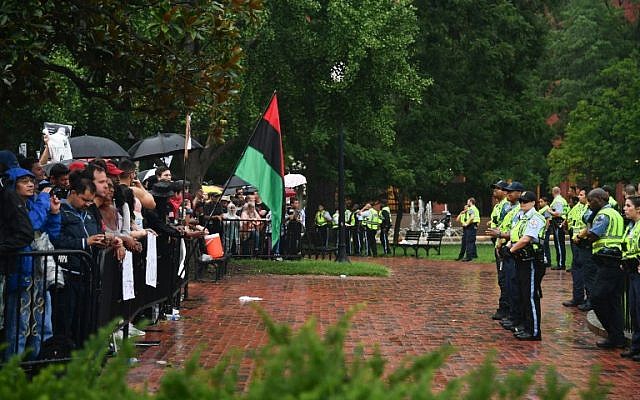
So after the white nationalists’ brief rendezvous at Lafayette Square, the police transported them to Rosslyn, Virginia, just outside the city limits. It was 5:45 p.m.
The drizzle continued, and slowly the large counter-rally, which had drawn thousands of people, dissipated as well.
After months of hype and preparations, the neo-Nazis were gone, deciding to call their rally quits before it even really began.


The Times of Israel Community.