

To move to more normal life, Israel must do what it hasn’t yet: Mass testing
Though rates have picked up in recent days, the Health Ministry has been slow to prioritize tests and has all but ignored more efficient sampling methods

 Add ToI as a Preferred Source on Google
Judah Ari Gross is The Times of Israel's religions and Diaspora affairs correspondent.
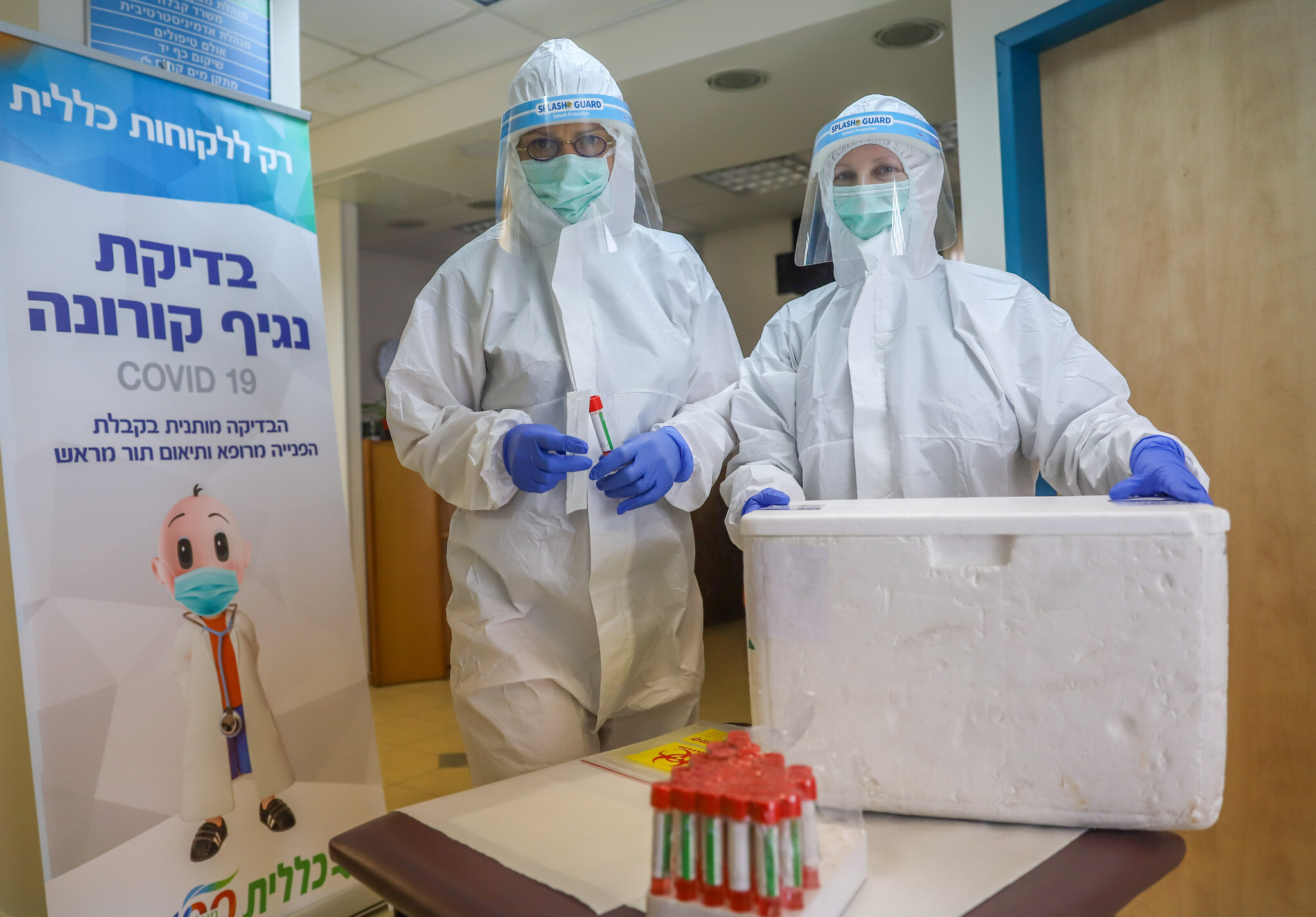
Israel’s system of closures and lockdowns appears to have been an effective tool at slowing the spread of the coronavirus and preventing a collapse of the healthcare system for the time being. But experts see it as unsustainable in the long term, preventing the reopening of the country and the economy and a return to something that somewhat resembles normalcy.
What’s needed to do that, according to many researchers, is testing — lots of it and of different varieties.
South Korea’s robust testing effort has been credited with bringing it out from the worst of the pandemic and into a slightly more manageable situation. When former dean of the Harvard School of Public Health Harvey Fineberg listed the six ways to “crush” — not flatten — the coronavirus “curve” in a journal article last week, wide-scale testing was the second recommendation.
“This was key to success in South Korea. Every decision about managing cases depends on sound medical evaluation and the results of diagnostic tests,” Fineberg wrote.
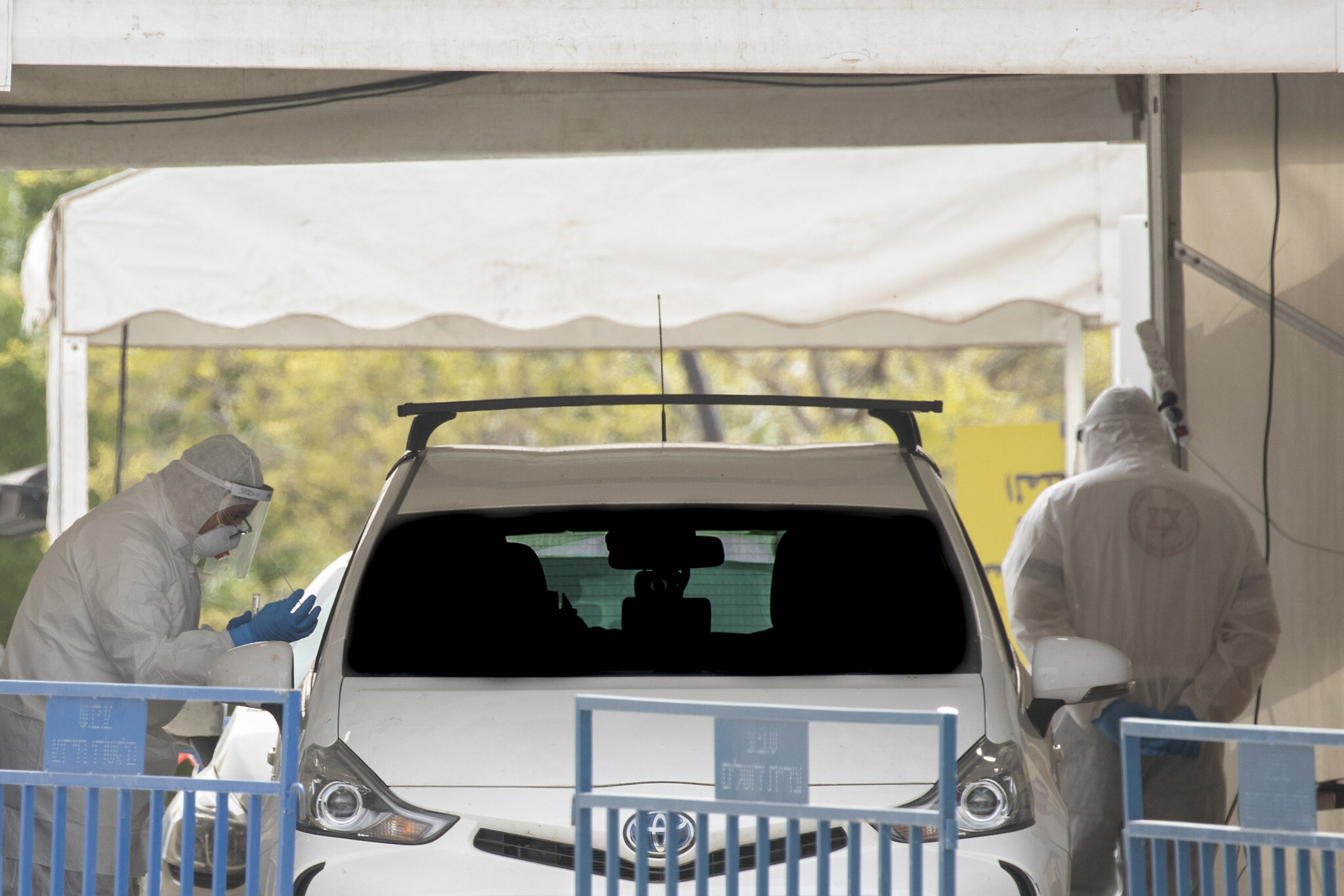
Indeed, Israel’s own National Security Council makes its “exit strategy” for the country contingent upon the results of a large, rapid testing program of at least 10,000 per day.
In the analogy of the coronavirus pandemic as a war, these tests have been compared to gathering intelligence on the enemy, knowing in advance where and when it is poised to strike.
And yet the Health Ministry has not made mass testing a priority and its officials have regularly dismissed its importance in television and radio interviews.
Dr. Siegal Sadetzki, the head of the ministry’s public health department, has said in interviews that quarantining these suspected carriers is far more important than testing them as it ensures the virus won’t be spread even if there is a false negative result.
“The tests don’t save anyone,” the deputy director-general of the Health Ministry, Dr. Itamar Grotto, told Channel 13 in an on-camera interview earlier this month.
Their view was that tests themselves, which are only estimated to be roughly 70 percent effective, do not change how suspected carriers should be treated.
While this may be true regarding the medical value of tests to individual patients, for decision-makers mass testing can give a far better picture of the spread of the disease throughout the country, allowing them to better assess if and how to reopen portions of it — by geographical region, by age group or by other criteria.
Though the number of tests has increased in recent days — surpassing 10,000 on Tuesday — these appear to be laboratories catching up on samples that were taken previously and never analyzed, which could be seen from a marked drop in the number of tests performed earlier this month. A massive increase in the amount of testing in general has yet to occur.
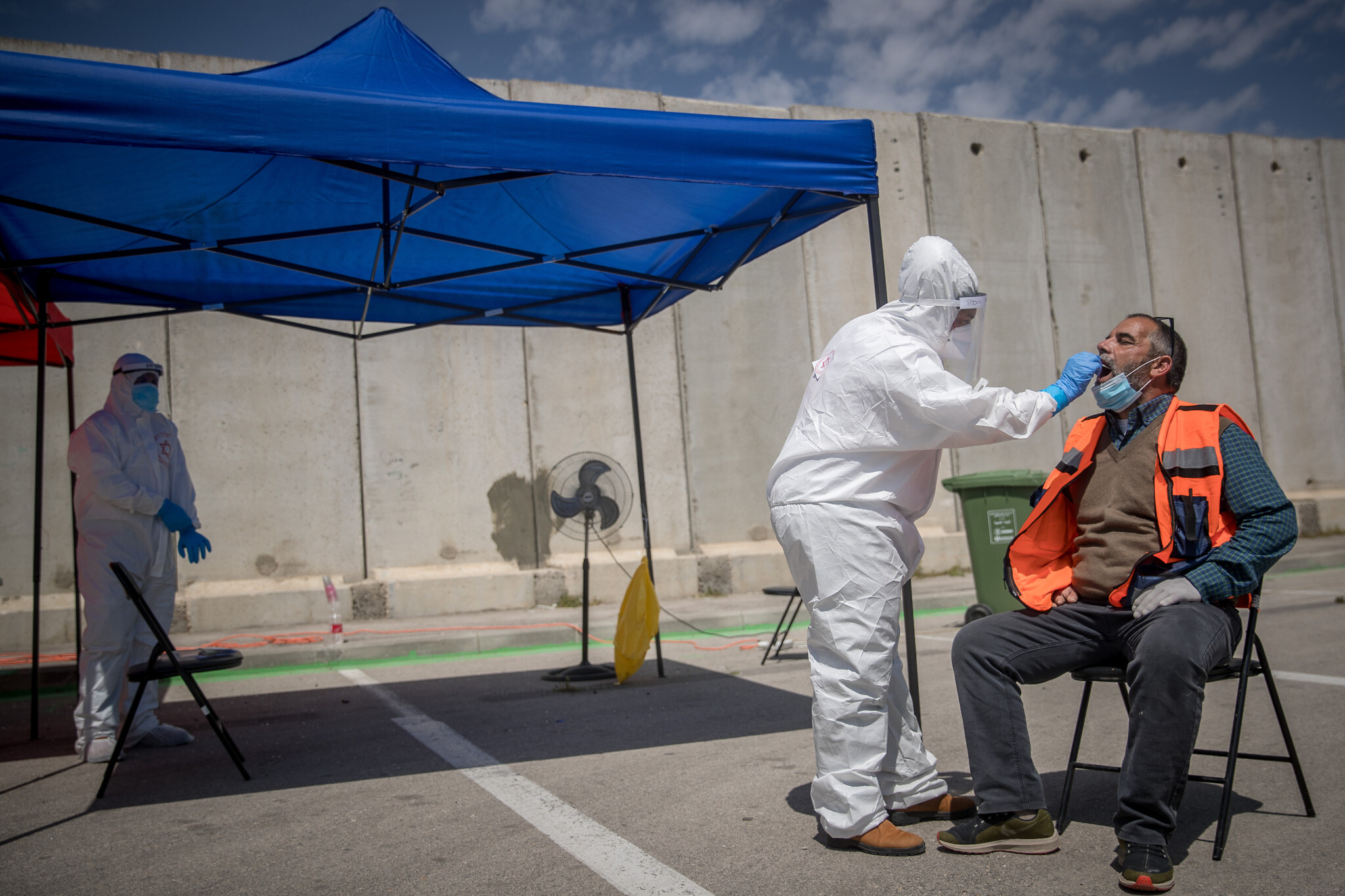
Throughout the crisis, the actual directives for increased testing in Israel have come primarily from the Prime Minister’s Office, who called for 30,000 tests a day, not from the Health Ministry, which has regularly protested the moves and reportedly dragged its feet in carrying them out, allowing inefficiencies and bureaucracies to slow the process.
Defense Minister Naftali Bennett has consistently called for more and more testing during this period, arguing that this was the only way to begin winding down the national lockdown and reopen the economy, much to the consternation of Health Ministry officials, who publicly and privately recommended Bennett focus on his own ministry’s problems.
Testing’s not perfect
The immediate cause for the stagnation in the number of tests appears to be a shortage of the chemical reagents needed to perform the tests. However, there are a number of alternate testing methods that use less of these materials — or none of them at all — which could have greatly increased the country’s testing capacity without needing to rely on reagents from abroad.
While individual hospitals and laboratories have looked into and adopted these methods, the Health Ministry — as an organization — does not appear to have taken a serious interest in exploring them.
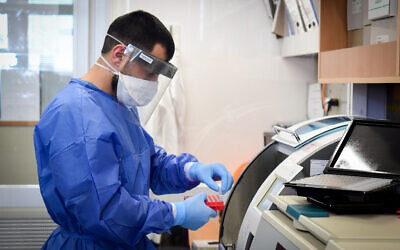
The most common form of testing so far has been diagnostic, in which the nose or throat of suspected carriers are swabbed. In most cases, the sample from that swab is exposed to a chemical reagent that isolates coronavirus RNA — a unique genetic marker. Using a process known as the reverse transcriptase polymerase chain reaction, the amount of any coronavirus RNA is increased to levels that allow technicians to see if it is present. If the virus’s RNA is found, the person is confirmed to be a carrier.
This method of testing is not perfect. Though a precise, universally accepted success rate has yet to be calculated, the working assumption is that these tests are roughly 70% effective.
Large numbers of false negatives have been reported as both the amount of the virus present in a person’s body is a major factor, as is the location. There may simply not be enough copies of the virus in a person’s body early on in the infection for it to show up on an initial test. Or the technician taking the sample could have not pushed the swab deep enough into the person’s nose to reach the virus.
This method also takes a relatively long time, at least 12 hours if not several days, and generally requires chemical reagents, which are in increasingly short supply given the worldwide demand.
A number of breakthroughs have been made that could resolve this latter issue.
Bottom up, not top down
Teams in Jerusalem and in the US have found methods of isolating the coronavirus RNA without chemical reagents at all, either by using small magnets to isolate the RNA — in the case in Jerusalem — or by skipping the step altogether, which was found to only slightly affect the test’s accuracy, as an American team found in an initial study that has yet to be peer-reviewed.
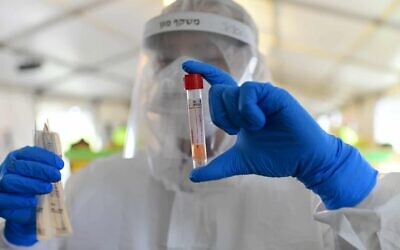
A laboratory in the Technion Institute in Haifa run by Roy Kishony found that multiple samples — at least 64 — could be pooled and tested together. If that pooled group was found to be negative, all 64 people could be cleared with one test. If it were found to be positive, technicians could locate the specific samples of carriers by dividing the group in half over and over until the infected samples were isolated. This process could dramatically reduce the amount of chemical reagents needed to perform tests, according to one of the researchers, Idan Yelin.
Yelin told The Times of Israel that a number of laboratories across the country and the world contacted his lab about this process of pooling samples, including Haifa’s Rambam Medical Center, but that the Health Ministry itself did not show much interest in their findings, despite its potential value for diagnostic testing and its clear value in what many experts say will be the next major step needed to bring countries back to a more routine: survey testing.
In survey testing, unlike diagnostic testing, a large random group of people in a particular geographic area are tested for the coronavirus whether or not they have symptoms or are otherwise at risk of having contracted the disease.

The purpose of this method is not to find individual patients and direct them to treatment, but to more broadly track the coronavirus and find locations that may be at risk of outbreaks to allow authorities to intervene and prevent them or, conversely, to identify areas that do not appear to be at risk and allow residents of them to move more freely.
As this method requires mass sampling, using the Technion lab’s technique of pooled testing would allow technicians to make far quicker work of these surveys.
Yet Yelin said the Health Ministry has not contacted them about using it.
“I’m not sure why they haven’t,” he told The Times of Israel.
Yelin said that most of the efforts by labs like his have been of their own initiative, rather than at the instruction or request of medical authorities.
“It’s been coming from the bottom up, not the top down,” he said.
Moving to more normal
According to Health Ministry officials, the system of closures and lockdowns has so far successfully brought down the spread of the coronavirus to a level that the medical system can handle.
But the cost of this social distancing has been grave, with over a quarter of Israelis unemployed. And Israelis’ patience for these measures appear to be growing thin, with police reporting growing levels of violations of the lockdowns.

In order to move toward a more easily maintained routine — a “coping strategy,” as the military has dubbed it — authorities will require a better sense of the current situation, something that is only possible by testing large numbers of people for the virus across the country.
In South Korea, after initially testing thousands of people per day, authorities began testing nearly 20,000 people per day before beginning to reopen the country. A similar process was also undertaken in Germany, which will reopen schools next week.
These reopenings and gradual returns to a more sustainable routine do not mean that the coronavirus has been beaten in these countries — indeed new cases have been reported in both of them — but that it has been brought to a more manageable level.
Though most experts assess that the world is likely several months or potentially over a year away from a coronavirus vaccine, which could allow a return to something resembling normalcy, a slightly freer way of life at this stage only seems possible with ample testing of the population.







The Times of Israel Community.