

US and Iran set for first meeting on nuclear deal at UN
Trump must decide by October 15 whether Tehran has breached 2015 agreement; Israel wants it scrapped or amended
 Add ToI as a Preferred Source on Google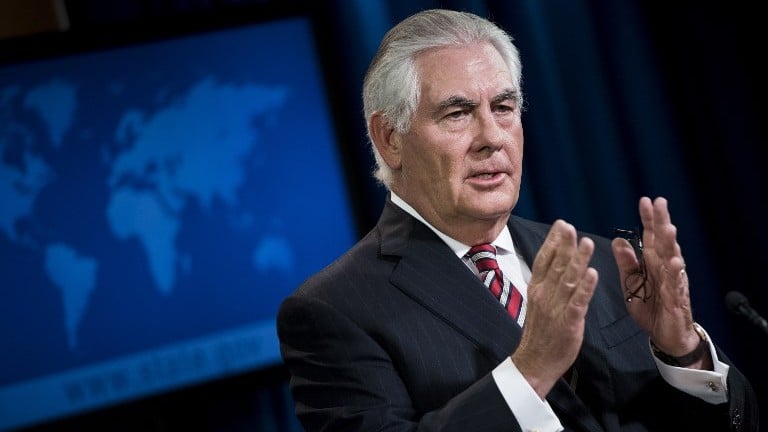
US Secretary of State Rex Tillerson is expected to hold a first meeting on the Iran nuclear deal with Foreign Minister Mohammad Javad Zarif and other parties to the agreement next week at the United Nations, diplomats said Thursday.
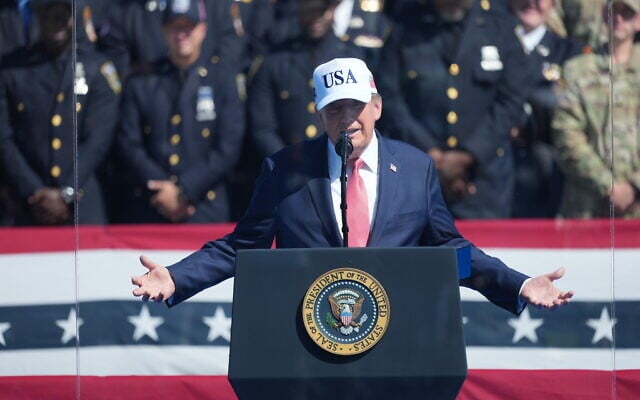
The meeting next Wednesday of the so-called E3+3 (Britain, China, France, Germany, Russia, the United States) and Iran comes as President Donald Trump is weighing whether to quit the historic 2015 agreement.
European Union foreign policy chief Federica Mogherini will chair the talks, held on the sidelines of the UN General Assembly meeting, diplomats said.
Iranian President Hassan Rouhani is expected to touch on the fate of the nuclear deal in his UN address on Wednesday, a day after Trump will deliver his first speech to the 193-nation assembly.
The US on Thursday waived nuclear-related sanctions on Iran but slapped new ones on 11 companies and individuals accused of engaging in cyber attacks against US banks.
Trump is due to decide before October 15 whether Iran has breached the 2015 nuclear agreement, and critics fear he may abandon an accord they think prevents Tehran from building a nuclear bomb.
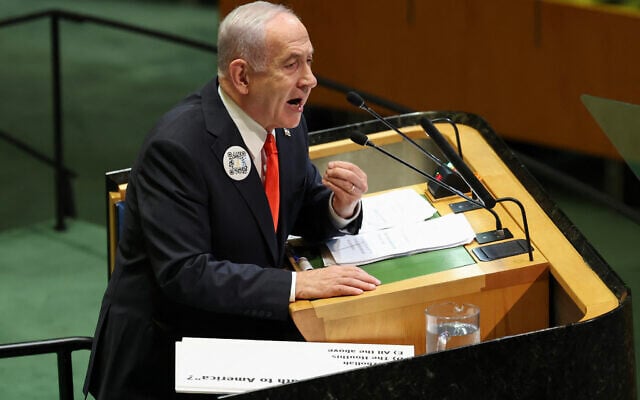
Israel wants the deal to be amended or canceled altogether, Prime Minister Benjamin Netanyahu said Tuesday. Speaking in Argentina, Netanyahu rejected recent reports claiming that Israel and Saudi Arabia are no longer interested in scrapping the landmark deal.
“In the case of Iran, there have been some news stories about Israel’s purported position on the nuclear deal with Iran. So let me take this opportunity and clarify: Our position is straightforward. This is a bad deal. Either fix it — or cancel it. This is Israel’s position,” said Netanyahu.
Under the nuclear deal, Iran surrendered much of its enriched uranium, dismantled a reactor and submitted nuclear sites to UN inspection, while Washington and Europe lifted some sanctions.
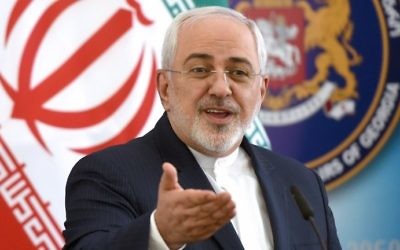
On a visit to the United States in July, Zarif complained that he had yet to discuss the agreement with Tillerson and that the administration was sending “contradictory signals” about the fate of the landmark agreement.
“There are no communications between myself and Secretary Tillerson,” Zarif said.
“It doesn’t mean there can’t be. The possibilities for engagement… have always been open.”






The Times of Israel Community.