

With rain radar down, Israel’s forecasters use Saudi, Jordan weather maps
Israeli military still tracking systems moving across the country, but professionals and public are forced to use websites of other countries in the region
 Add ToI as a Preferred Source on Google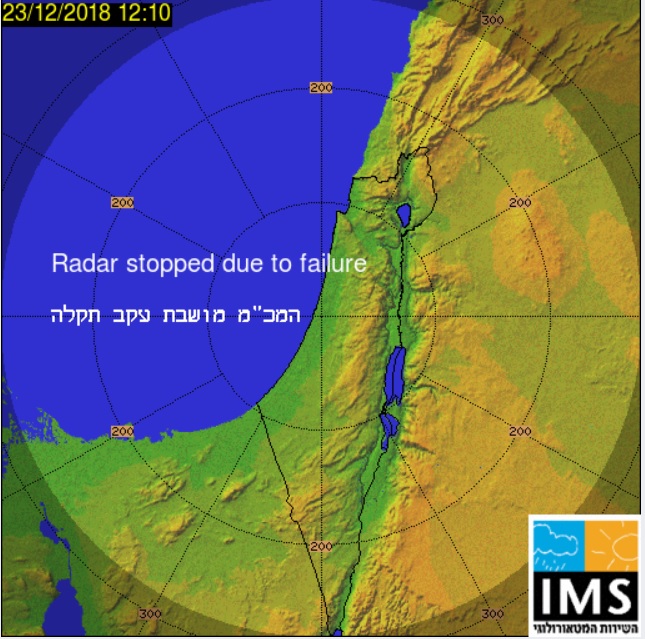
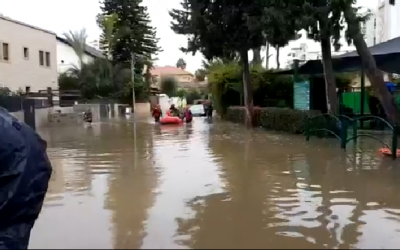
At the height of a wave of heavy precipitation that hit the country earlier this month, a serious fault was discovered in the detectors used to track clouds in the skies above Israel, causing Israel’s Meteorological Service’s rain radar to cease functioning.
As a result of the lack of precipitation information publicly available, Israel’s weather forecasters — as well as those who just want to know whether they need to take an umbrella when they leave the house — have started to use radars operated by other countries.
The Jordanian system, which gives a fairly accurate picture of some parts of Israel, has recently experienced a large number of Israeli surfers suddenly using the site, causing an overload of traffic, Jerusalem weather forecaster Boaz Nehemia told the Haaretz newspaper.
Forecasters are also using Saudi Arabian and European rain radars that are open to the public, as well as the Turkish system which covers parts of the Galilee in northern Israel, The Marker reported.

The IMS radar was acquired from the United States 25 years ago and although it was originally thought the problem could be fixed, it now appears that a serious fault means that it will take several months for the required components to arrive from abroad, the Haaretz daily reported.
Long relied upon by weather-watchers to determine whether they will get caught in a deluge or to assess the likelihood of flooding, the map updated every ten minutes or so, allowing the public to watch weather systems moving in over the country.
The military has separate systems and equipment to track clouds, precipitation, lightning storms and unusual weather events, and although the IMS can use that system as a backup while its own systems are down, the public is not granted access to the data.
A second radar belonging to the Mekorot water company stopped operating last month as part of a labor dispute at the water company. As a result, cloud-seeding flights designed to increase rainfall have been grounded, the Ynet news site reported.
Cloud seeding, a practice that Israel has been engaging in since 1961, involves the injection of chemicals into clouds to cause the accelerated creation of ice particles which will collect water before falling to the ground as rainfall, according to Mekorot. Aircraft fly along predetermined flight paths distributing the chemicals, on routes timed specifically for optimal conditions using radar and satellite data.










The Times of Israel Community.