

Buses begin ferrying Syrian rebels from border area with Israel
Transfer of anti-Assad fighters and civilians from southern Syria will again bring regime and Israeli troops face-to-face along Golan frontier
 Add ToI as a Preferred Source on Google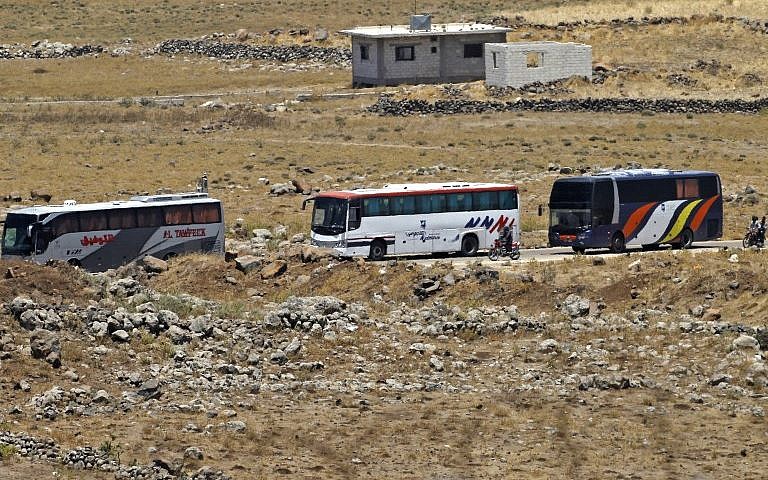
Syrian state media on Friday said rebels in the country’s southwest Quneitra province began leaving on buses to northwest Syria, after giving up their fight against government forces along the frontier with Israel.
The evacuation, once completed, will put the Syrian government face-to-face with Israel along most of its frontier for the first time since 2011, when an uprising against President Bashar Assad’s rule swept through the country.
The transfers come under a deal agreed this week between Russia and Syrian rebels in Quneitra province that will restore state control over the sensitive zone.
Rebels will hand over territory they control in Quneitra and the neighboring buffer zone with the Golan Heights.
The deal also provides for the evacuation to northern Syria of any rebels and jihadist fighters who refuse to live under government control.
On Friday afternoon, buses began taking civilians and armed fighters out of opposition-held territory through the town of Jaba, state television said.
It said they would be taken north to Idlib which is under jihadist and rebel control. The channel earlier reported more than 50 buses were prepared to ferry people north.
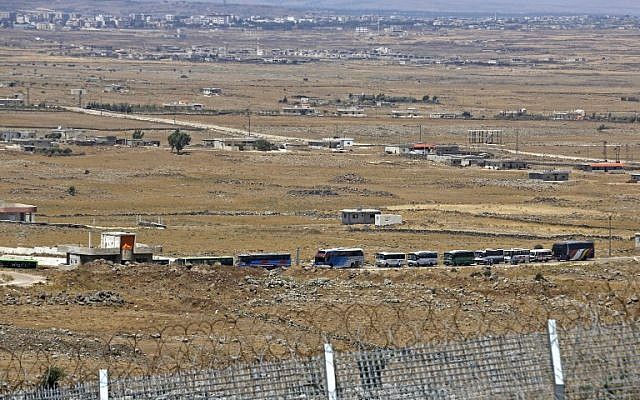
Vehicles had been arriving in Syria’s south since Thursday, said the Syrian Observatory for Human Rights.
“As the convoy of buses was gathering, one of the drivers lost control and four people, including two women, were run over and killed,” said the Britain-based monitor.
Fighters then fired their weapons, wounding a bus driver.
Observatory head Rami Abdel Rahman said it was still unclear exactly how many people would ultimately be evacuated.
Among them were members of Hayat Tahrir al-Sham (HTS), an alliance led by Al-Qaeda’s Syria affiliate which refused to sign up to the deal.
Quneitra is a thin, crescent-shaped province wedged between the buffer to the west and Daraa province to its east.
One month ago, Syria’s regime launched an operation to retake rebel areas in Daraa and Quneitra, using military force and surrender deals brokered by its Russian ally.
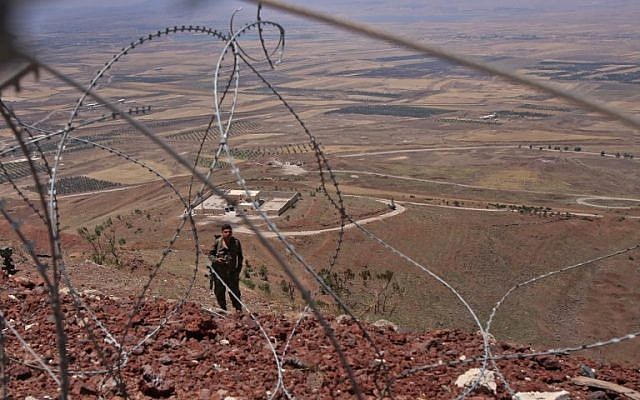
Fighting forced several hundred thousand people to flee, and as many as 140,000 remain displaced in Quneitra, according to the United Nations.
The UN’s humanitarian coordination office (OCHA) warned they are inaccessible to aid organizations based around an hour away in Damascus because of a lack of approvals.
Both Israel and Jordan, which shares a border with Syria, have kept their borders closed to the displaced, though Israel has provided food, tents, fuel and medical aid to Syrians sheltering in the area.
Israel has been providing humanitarian aid and medical care to Syrians living in the Quneitra and Daraa provinces in the country’s southwest since 2013. This practice stepped up and became formalized in 2016 under an IDF program known as Operation Good Neighbor. The full extent of the project was only revealed a year after it was founded.
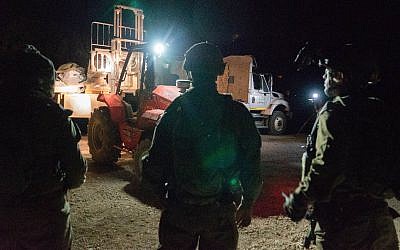
These transfers of humanitarian aid and acceptance of injured Syrians into Israeli hospitals have stepped up in recent weeks, since the Assad regime’s offensive began on June 19, according to Israeli officials.
In addition, Israel has insisted that Syria abide by the 1974 Separation of Forces Agreement, reached following the Yom Kippur War the year before, which established a demilitarized zone along the border between the two countries. Syria is still formally at war with Israel.
Under the terms of the deal, a rebel source told AFP, Syrian and Russian forces are to enter the buffer zone.
Israel has threatened a “strong response” to any violations of the disengagement accord and also vowed it will prevent archenemy Iran from establishing a military presence in Syria, where it is fighting on behalf of the Assad regime.
Times of Israel staff contributed to this report.






The Times of Israel Community.