

‘Drive through’ virus tests to begin; medics hope to administer 6,000 a day
First stations will open in Tel Aviv on Wednesday, followed by other cities; 1,085 tests given on Monday across the country
 Add ToI as a Preferred Source on Google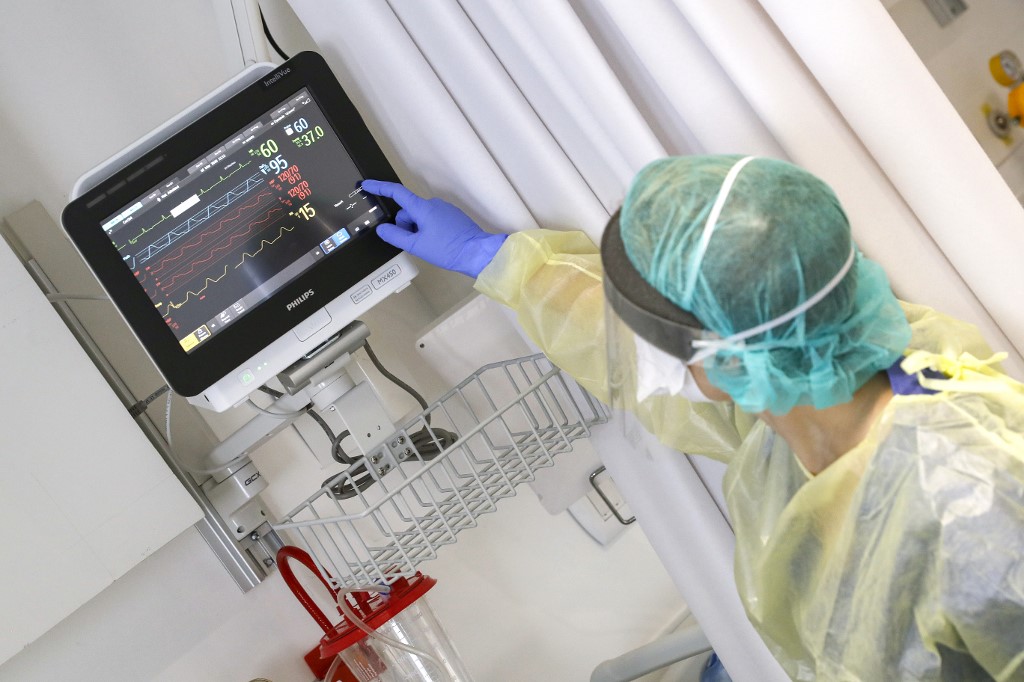
The Magen David Adom emergency service said Tuesday it will offer “drive through” COVID-19 testing beginning Wednesday, as it significantly expands testing for the virus across the country.
The emergency service administered 1,085 tests on Monday, and 7,000 since the outbreak began. It aims to begin collecting samples from 6,000 Israelis a day, it said.
The first “drive through” stations will be in Tel Aviv’s Yarkon Park and five additional ones will be opened in Haifa, Jerusalem, Petah Tikva, Rishon Lezion and Beersheba, it said. The stations will operate 24 hours a day, with MDA saying each will be able to carry out hundreds of tests a day.
“The stations will be located in open areas that will allow continuous entry and exit of vehicles,” a MDA statement said.
Those suspected of having the virus who can’t make it to the stations without taking public transportation will be tested at their homes, according to MDA.
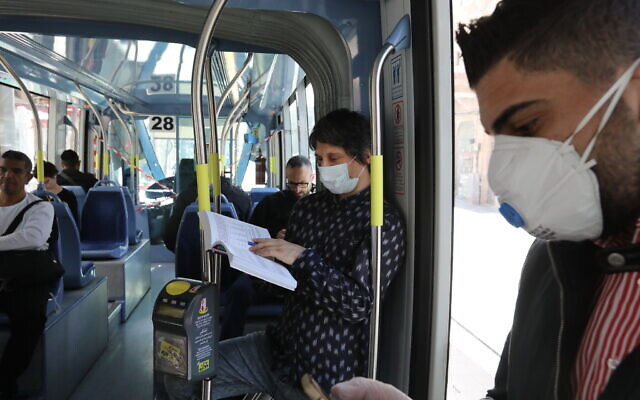
MDA said it fielded calls from 82,000 Israelis on Monday on the virus.
The Health Ministry announced 20 new confirmed cases of the coronavirus on Tuesday, bringing the total to 324. It said five people are in serious condition, nine people are in moderate condition and 299 in good condition. Another 11 people have recovered and been released.
Israel has introduced a series of sweeping restrictions since the outbreak began, requiring all Israelis returning to the country to self-quarantine for 14 days and barring foreigners unless they displayed an ability to quarantine. It also shut schools, cafes, malls, gyms and more. Ministers early on Tuesday approved a highly controversial measure to allow the government to track Israelis’ phones to locate carriers of the virus.
On Tuesday, widening the restrictions, the Health Ministry told Israelis not to leave their homes or visit parks and beaches, with exceptions made for essential needs, like food shopping, medicine shopping, medical care, and work.
While weighing localized closures of infected areas, the government has thus far refrained from enforcing a national lockdown.








The Times of Israel Community.